Find the Best Septic Pump Repair Companies for Your Business
No obligation • Fast responses • Nationwide coverage

Why you can trust Septic Spot
Septic Spot is a leading United States resource for understanding and comparing septic services. Our editors review providers using consistent criteria and verify key business details. Listings and scores are independent, and companies cannot pay to influence our content.
Search providers near you
Top Septic Pump Repair Companies in Corona, California Ranked
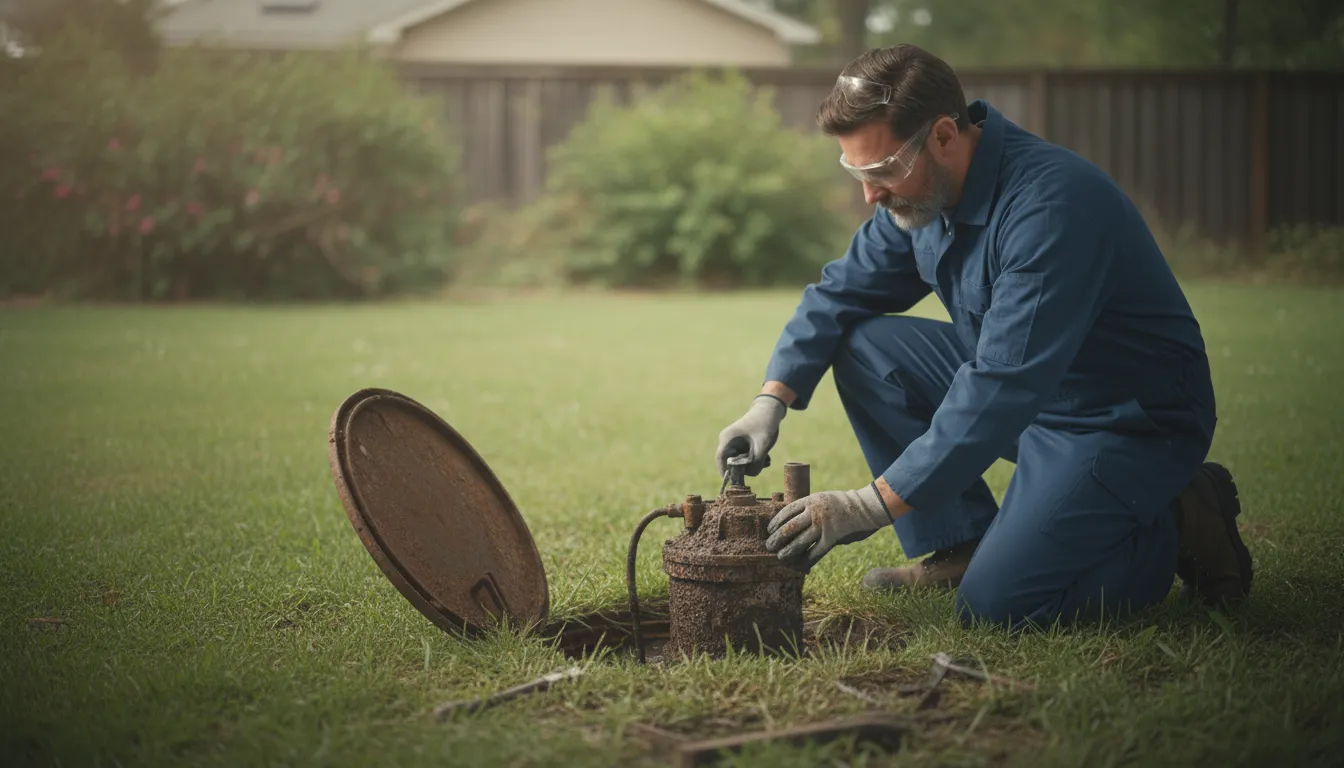
When your septic system's pump fails, it can bring your household to a standstill. Septic pump repair and replacement is a critical service for maintaining a functional wastewater system, especially in areas like Corona where local soil and environmental conditions can put extra strain on components. This guide explains what these services involve, why they are essential for your property, and how you can find qualified local professionals to assess and fix your system efficiently.
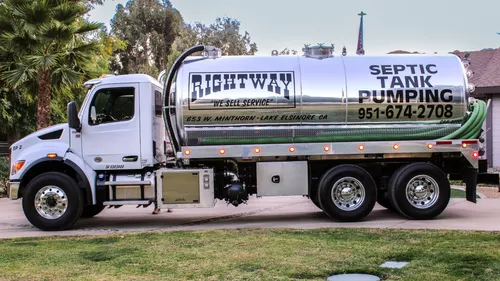
Rightway Septic Tank Pumping
653 W Minthorn St, Lake Elsinore, CA 92530
Rightway Septic Tank Pumping is a family-owned septic service provider based in Lake Elsinore, serving the Inland Empire area including Los Angeles, CA. They offer a range of services such as septic tank pumping, repairs, installations, wastewater treatment maintenance, seepage pit drilling, and septic system locating for both residential and commercial properties. With over 75 years of experience, Rightway is C-42 certified, ensuring compliance with industry standards and regulations. Their capabilities include septic tank pumping and maintenance using advanced equipment and techniques to maintain system efficiency.
AAP ALL AMERICAN PLUMBING HOME SERVICES
6711 Studio Pl, Riverside, CA 92509
AAP ALL AMERICAN PLUMBING HOME SERVICES is a plumbing and septic service provider based in Riverside, CA. They offer a wide range of services including septic tank pumping, septic system repair, and septic pump replacement. The company also provides commercial plumbing services with 24/7 availability for high-volume businesses. Their capabilities include hydro jetting, trenchless sewer repairs, and slab leak detection and repair. With over two decades of experience working with homeowners associations and property managers across Southern California, they bring extensive knowledge and resources to their work.
Understanding Your Septic System's Pump
The pump is the heart of many modern septic systems, particularly in homes where gravity alone cannot move wastewater. In a conventional gravity system, waste flows from your home downhill to the tank and then to the drain field. However, if your home is situated on level ground, downhill from the tank, or in an area with a high water table, a pump (or effluent pump) is required to push treated liquid effluent to the drain field. A grinder pump may be used if the system needs to move solids over a distance or uphill. Recognizing whether you have a gravity or pump-assisted system is the first step in understanding potential repair needs.
Why Pumps Fail
Septic pumps are mechanical devices with a finite lifespan, typically lasting 7 to 15 years. Common reasons for failure include:
- Normal Wear and Tear: Continuous operation eventually wears out seals and mechanical parts.
- Electrical Issues: Power surges, faulty wiring, or a failed control panel can stop the pump.
- Float Switch Failure: These switches tell the pump when to turn on and off. If they become stuck or waterlogged, the pump won't activate.
- Clogs and Blockages: Excessive solids, grease, or non-biodegradable materials can jam the pump impeller.
- Overload: An undersized pump for the household's water usage will burn out prematurely.
Local Factors Impacting Septic Pump Services in Corona
Corona's specific geography and regulations directly influence the complexity and cost of septic work.
Soil Conditions: Much of Southern California, including the Corona area, is characterized by heavy clay soil 1. Clay drains very slowly, which can lead to premature saturation and failure of a conventional drain field. When a drain field fails, it can cause backups that put additional stress on the pump. In some cases, clay soils necessitate more advanced system designs like raised bed drain fields or sand filters, which often rely on pumps for distribution 2.
High Water Tables and Slopes: Properties in hilly areas of Corona or those near seasonal waterways may experience high groundwater levels. A high water table can flood a septic tank and drain field, rendering them ineffective. Specialized systems, including pressurized dosing systems with pumps, are often required in these conditions, making pump functionality even more critical 3.
Riverside County Regulations: Any major repair or replacement of a septic system component, including the pump, typically requires a permit from Riverside County or the appropriate regional water quality control board 4. Reputable service providers will handle this permitting process, ensuring the work meets all local health and environmental codes. This is a crucial step for protecting your property value and the local watershed.
The Septic Pump Service Process: From Diagnosis to Completion
A professional repair or replacement follows a structured process to ensure safety and longevity.
-
Inspection and Diagnostics ($275-$1,800): A technician will first inspect the entire system. This includes checking the tank's sludge and scum levels, testing the pump and float switches electrically, and diagnosing the control panel 5. A thorough inspection identifies whether the issue is isolated to the pump or part of a larger system failure.
-
System Pumping ($200-$1,000): Before any repair can begin, the tank must often be pumped to allow safe access to the pump, which is usually submerged in the tank's last chamber or in a separate pump basin 6.
-
Repair or Replacement: The technician will excavate to access the tank or pump basin lid. For a repair, they may replace a float switch, clear a blockage, or fix wiring. For a full replacement, the old pump is removed and a new, correctly sized pump is installed along with new seals and piping as needed.
-
Permitting and Testing: For replacement jobs, the provider will secure the necessary permits 7. Once installed, the new pump is tested to ensure it activates at the proper water level and pumps effluent effectively to the drain field.
Find the perfect septic pump repair companies for your needs
Get personalized recommendations and expert advice
Cost Breakdown for Septic Pump Services in Corona
Costs can vary widely based on the pump type, labor, and system complexity. Here's a general breakdown for the Corona area:
- Pump Repair or Float Switch Replacement: $300-$800. This is for fixing minor electrical issues or replacing a faulty float mechanism.
- Standard Effluent Pump Replacement: $800-$3,000. This is the most common range for pulling out an old pump and installing a new one, including labor and basic parts.
- Grinder Pump Replacement: Typically on the higher end of the $800-$3,000 range, as these are more complex units 8.
- Control Panel or Alarm System Repair: $800-$5,000. Extensive electrical work on the system's brain can be costly, especially if a full panel upgrade is needed 9.
It's important to view pump issues in the context of the entire system. A failing pump can sometimes be a symptom of a failing drain field. If the drain field is saturated (a common issue in clay soils), simply replacing the pump will not solve the underlying problem and may lead to quick repeat failure 10.
When Repair Becomes Replacement: Evaluating Your Options
How do you decide between fixing a component and investing in a new system? Consider these factors:
- Age of the Pump: If your pump is over 10 years old and failing, replacement is often more cost-effective than repair, as other components are likely near the end of their life as well.
- Extent of Damage: A simple float switch replacement is an easy repair. However, if the pump motor is burned out or the impeller housing is cracked, replacement is the only option.
- Recurring Problems: If you are repeatedly repairing the same pump or control components, a full replacement may offer more reliable long-term performance.
- Changes in Water Usage: If your household has grown, your existing pump may be undersized. An upgrade during a replacement can prevent future overloads.
For context, other common septic repairs in California include minor filter or baffle fixes ($300-$900) and lateral line replacement ($1,250-$4,250) 11 12. A complete system replacement in Corona, often necessitated by drain field failure in challenging soils, can range from $10,000 to over $40,000 13 12.
Maintaining Your Septic System to Avoid Costly Pump Failures
Proactive maintenance is the best way to extend the life of your septic pump and avoid emergency repairs.
- Regular Pumping: Have your tank pumped every 3 to 5 years by a licensed professional. This prevents excess solids from flowing into the pump chamber and causing clogs or damage 14. This is especially critical in Corona's clay soil areas where drain fields are more prone to clogging.
- Conserve Water: Spread out laundry loads and fix leaky faucets. Reducing the flow into the tank gives the system more time to treat waste and lessens the pump's workload.
- Mind What You Flush: Never flush chemicals, grease, diapers, wipes (even "flushable" ones), or feminine hygiene products. These can destroy the bacterial balance in the tank and clog the pump.
- Protect the Drain Field: Never park vehicles or build structures over the drain field. Keep roof drains and sump pumps directed away from it to prevent saturation.
Frequently asked questions
Sources
Footnotes
-
7 Ways to Reduce the Cost for Septic System in California - https://www.lanikseptic.com/reduce-septic-system-costs-california/ ↩
-
Conventional Septic Systems: Benefits, Maintenance & Expert Tips (2026) - https://www.vdwws.com/blog/conventional-septic-system ↩
-
Repairing Septic Systems: A Detailed Manual - https://ky-pd.com/blog/fixing-septic-system/ ↩
-
Reliable Septic Tank Pumping Services in Riverside - https://firstclassplumbingandac.com/septic-tank-service/septic-tank-pumping/ ↩
-
Septic System Repair: Essential Guidelines for Homeowners - https://smartsepticpros.com/blog/septic-system-repair-guidelines/ ↩
-
How to Keep Your Septic System Healthy in Riverside County (Pro Guide) - https://www.lanikseptic.com/how-to-keep-your-septic-system-healthy/ ↩
-
California Septic Tank Requirements | Onsite Wastewater Treatment ... - https://www.ntotank.com/blog/california-septic-tank-requirements ↩
-
Septic Repair vs. Replacement: A Guide to Costs & Red Flags - https://prosepticri.com/septic-repair-vs-replacement-guide/ ↩
-
Septic Repair vs. Replacement: How to Decide What's Best for Your System - https://www.townesseptic.com/blog/septic-repair-vs-replacement ↩
-
Septic System Repairs and Drainage Solutions in Coastal California - https://www.eurekaearthworks.com/blog/blog-post-title-four-bg4ky-bg9ey-a5nsl-mjzmn-bn57m ↩
-
Common Septic Tank Repairs In California (& What They Cost) - https://cacciaplumbing.com/blog/common-septic-tank-repairs-in-california/ ↩
-
Septic Repair Cost in California: Complete Breakdown of Pricing Factors and Variations - https://www.lanikseptic.com/septic-repair-cost/ ↩ ↩2
-
Costs of Replacing a Septic Tank - https://www.scorpionsepticservices.com/blog/understanding-the-costs-of-replacing-a-septic-tank ↩
-
Why Maintain Your Septic System | US EPA - https://www.epa.gov/septic/why-maintain-your-septic-system ↩