Find the Best Septic Pump Repair Companies for Your Business
No obligation • Fast responses • Nationwide coverage

Why you can trust Septic Spot
Septic Spot is a leading United States resource for understanding and comparing septic services. Our editors review providers using consistent criteria and verify key business details. Listings and scores are independent, and companies cannot pay to influence our content.
Search providers near you
Top Septic Pump Repair Companies in Los Angeles, California Ranked
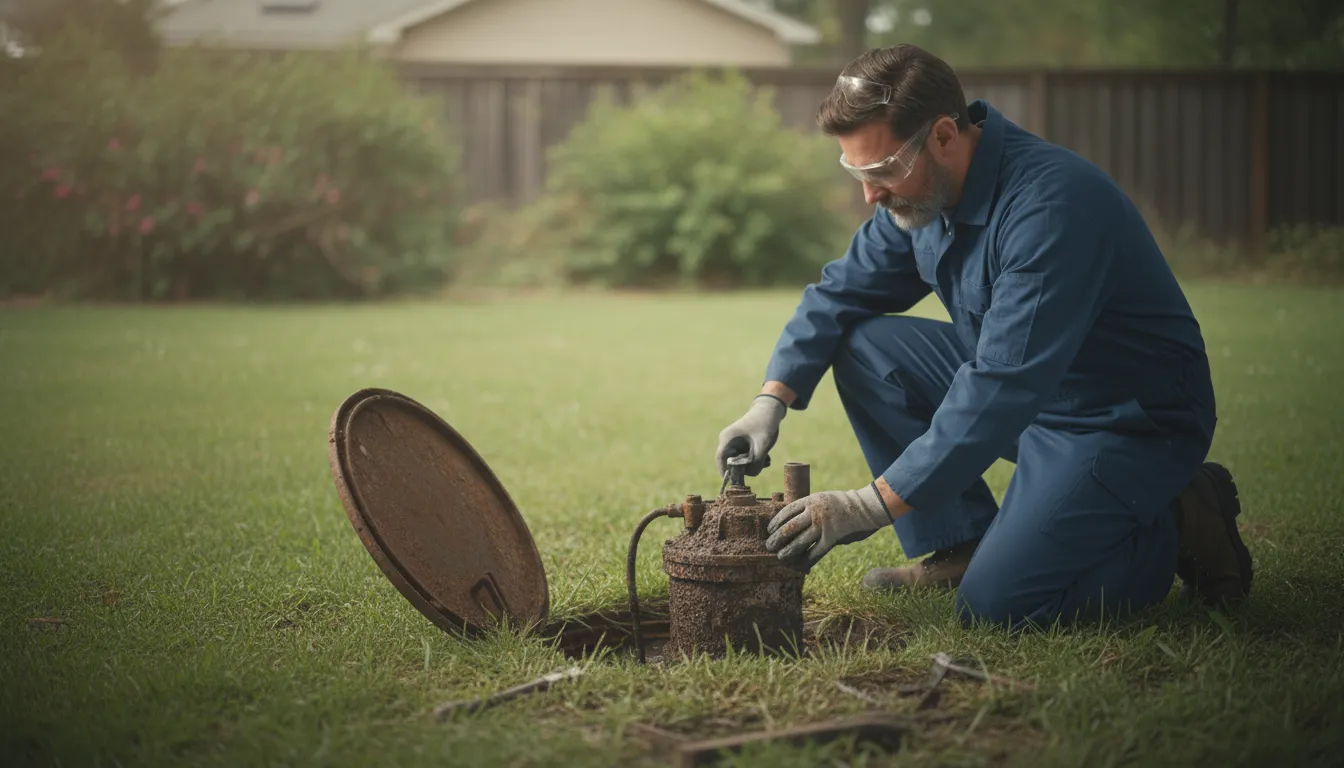
When your septic system's pump fails or your entire system shows signs of collapse, it's more than an inconvenience-it's a pressing environmental and health concern that requires immediate, expert attention. In a sprawling, topographically diverse city like Los Angeles, septic system issues are complicated by unique local factors including dense clay soils, steep hillside properties, and stringent county regulations. This guide is designed to help you understand the scope of septic pump and system work, from troubleshooting a faulty pump to navigating a full system replacement, and how to connect with qualified local specialists who understand the distinct challenges of the LA landscape.
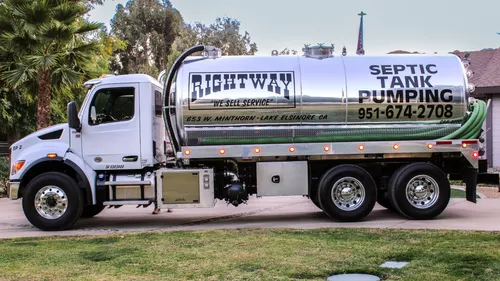
Rightway Septic Tank Pumping
653 W Minthorn St, Lake Elsinore, CA 92530
Rightway Septic Tank Pumping is a family-owned septic service provider based in Lake Elsinore, serving the Inland Empire area including Los Angeles, CA. They offer a range of services such as septic tank pumping, repairs, installations, wastewater treatment maintenance, seepage pit drilling, and septic system locating for both residential and commercial properties. With over 75 years of experience, Rightway is C-42 certified, ensuring compliance with industry standards and regulations. Their capabilities include septic tank pumping and maintenance using advanced equipment and techniques to maintain system efficiency.

Zoom Drain Los Angeles
1815 W 205th St #209, Torrance, CA 90501
Zoom Drain Los Angeles provides septic pump repair and replacement services along with comprehensive drain and sewer solutions in Los Angeles, CA. They serve residential and commercial clients, offering drain cleaning, pump repairs, sewer inspections, and specialized maintenance plans tailored to local needs. The company is equipped with advanced tools and skilled technicians to handle a variety of plumbing challenges efficiently. Zoom Drain is known for its flat-rate pricing and certified professionals. They also offer 24/7 emergency service, ensuring assistance is available whenever needed.
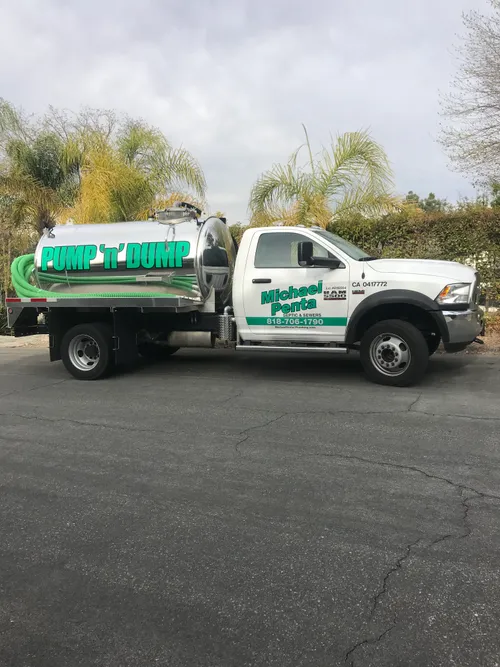
Michael Penta Septic Tank Pumping
Los Angeles, CA
Michael Penta Septic Tank Pumping provides a range of septic services in Los Angeles, CA, including septic tank pumping, installation, inspection, and repair. The company also handles drain field repairs, sewage ejection pump services, and sewer line replacements. Their expertise includes advanced capabilities such as camera inspections for leaks and cracks, soil analysis for leach line repair, and installation of micro septic systems that treat wastewater to a higher quality. They ensure compliance with local regulations and offer comprehensive maintenance to extend the life of septic systems.

Gopher Construction Company/Septic & Sewer Repair
10164 Tujunga Canyon Blvd, Tujunga, CA 91042
Gopher Construction Company/Septic & Sewer Repair is a family-owned business serving Los Angeles, CA, with over 70 years of experience since 1948. They specialize in septic system repair, septic pump repair or replacement, and various sewer and drainage installations and repairs for both public and private properties. The company is recognized as an approved bonded sewer contractor by the city of Los Angeles and offers knowledgeable solutions for septic and sewer system needs.
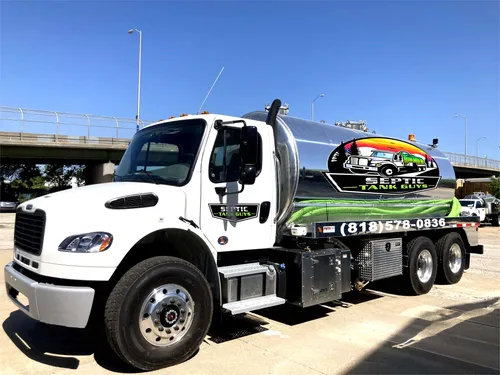
Septic Tank Pumping Guys
6360 Van Nuys Blvd ste 113, Van Nuys, CA 91401
Septic Tank Pumping Guys provides a full range of septic services in Los Angeles, CA, including pumping, inspections, repairs, and installations for residential and commercial properties. They offer 24/7 emergency septic services and specialize in maintaining system health through regular pump-outs, cleaning, and drain field repairs. Their capabilities include septic tank installation, effluent filter replacement, and grease trap pumping. The company is family owned and operated, serving multiple communities within Los Angeles County.
Understanding Your Los Angeles Septic System
A septic system is a private wastewater treatment plant for your property. In areas not served by municipal sewer lines, it's an essential component. The system typically includes a tank, where solids settle and begin to decompose, and a drain field (or leach field), where treated liquid effluent is dispersed into the soil. A critical component for many homes, especially in hilly areas, is the septic pump, or effluent pump. This pump is responsible for moving wastewater from the tank to the drain field when gravity alone isn't sufficient due to the property's slope or layout.
System failure can manifest as slow drains, foul odors indoors or in the yard, soggy ground or sewage backup in the home. Prompt diagnosis and repair are crucial to prevent property damage, environmental contamination, and costly health violations.
Why Los Angeles Presents Unique Challenges
The cost and complexity of septic pump repair or a full septic system replacement in Los Angeles are heavily influenced by local geography and geology.
- Soil Conditions: Much of Los Angeles is underlain by dense, heavy clay soil 1. Clay absorbs and drains water very slowly, which can lead to rapid saturation of a drain field, causing effluent to pond on the surface or back up into the system. This poor percolation often requires larger, more complex drain field designs or alternative systems like mounds or aerobic treatment units (ATUs), which are more expensive to install and repair 1.
- Topography: Homes in the Hollywood Hills, Santa Monica Mountains, and other elevated communities often cannot rely on gravity-fed systems. They require pressurized "lift" or "pump" systems to move effluent uphill to the drain field. The failure of these pumps is a common repair issue, and working on steep, inaccessible slopes significantly increases labor and equipment costs for any major repair or replacement.
- System Types: While traditional gravity systems are still present, challenging sites often necessitate advanced systems. Aerobic Treatment Units (ATUs), which use oxygen to break down waste more efficiently, and mound systems, which are built above ground due to poor soil, are common. Repairing or replacing these engineered systems is a specialized and costly endeavor, often ranging from $10,000 to $20,000 or more 2.
The Repair vs. Replacement Decision
Not every system problem requires a full replacement. A professional inspection is the first and most critical step to determine the right course of action.
- When Repair is Viable: Isolated component failures are often repairable. This includes replacing a submersible effluent pump, fixing a malfunctioning control panel or float switch, repairing a damaged tank baffle or riser, or clearing a blocked effluent filter. These repairs typically address specific mechanical or access issues without needing to excavate the entire system.
- Signs You Need Replacement: A full system replacement becomes necessary when the drain field has permanently failed (indicated by chronic soggy ground and sewage odors), the tank itself is structurally compromised (cracked or collapsed), or the system is so old and undersized that it can no longer meet the household's needs. In Los Angeles County, upgrading a failing system to meet current, stricter environmental codes often mandates a replacement with a modern, compliant design 3.
The Step-by-Step Process for Septic Work in LA
Whether you need a pump fixed or a new system installed, the process in Los Angeles follows a structured path due to regulatory requirements.
- Inspection and Diagnosis: A licensed contractor will perform a thorough evaluation, which may include checking pump operation, tank sludge levels, and drain field function. This diagnostic service typically costs between $100 and $250 4 5.
- Permitting: For any major repair involving component replacement or, of course, a full system installation, a permit from Los Angeles County Department of Public Health is required 6. Your contractor should handle this process, which ensures the work meets all health and environmental standards.
- The Repair or Installation Work:
- Pump/Component Repair: This involves accessing the pump chamber, replacing the faulty pump, control box, or related components, and testing the system.
- Excavation and Replacement: For a full system, this is a major construction project. It involves excavating the old tank and drain field (if possible), installing the new tank and meticulously constructed leach field, and integrating any necessary pumps or ATU units. On steep or tight lots, this can require specialized equipment.
- Final Inspection and Approval: Once work is complete, a county inspector will visit to verify the installation complies with the issued permit and all regulations 7. Only after passing this inspection is your system legally approved for use.
Find the perfect septic pump repair companies for your needs
Get personalized recommendations and expert advice
Cost Breakdown for Septic Services in Los Angeles
Costs can vary widely based on the factors discussed. The following ranges are based on typical market data for the region 8:
- Pump or Control Component Repair: $800 - $5,000. Replacing a submersible effluent pump and its controls is a common repair, with cost influenced by pump horsepower and accessibility.
- Tank Pumping & Inspection: $300 - $1,000. Essential maintenance and a first step in diagnosing problems.
- Baffle or Riser Repair: $300 - $1,200. Fixing the inlet/outlet baffles or extending access risers to the surface.
- Lateral Line or Pipe Repair: $1,250 - $4,250. Addressing issues in the pipes that lead from the tank to the drain field.
- Full System Replacement: $10,000 - $40,000+. The high end reflects complex systems (ATUs, mound systems) on difficult terrain with challenging soil. Basic gravity system replacements in accessible areas start at the lower end.
Choosing the Right Local Professional
Given the technical and regulatory complexity, selecting the right contractor is paramount. Look for a professional who is:
- Licensed and Insured: They must hold current California and Los Angeles County licenses for septic system work.
- Locally Experienced: They should have a proven track record with the specific soil types and topographic challenges of your neighborhood.
- Transparent with Permits: They should willingly handle the entire permitting process and explain the requirements to you.
- Well-Reviewed: Check trusted local platforms for consistent positive feedback on their septic repair and installation work 9.
A failing septic system is a serious matter, but with knowledgeable local expertise, it can be resolved efficiently and effectively, restoring safety and function to your property.
Frequently asked questions
Sources
Footnotes
-
How Soil Type Affects Septic System Performance - https://www.septicblueraleigh.com/how-your-soil-determines-your-septic-systems-success.html ↩ ↩2
-
How Much Does Septic System Repair Really Cost in California - https://www.lanikseptic.com/septic-repair-cost/ ↩
-
Septic Repair vs. Replacement: What's Best for Your System - https://www.townesseptic.com/blog/septic-repair-vs-replacement ↩
-
Septic Repair vs. Replacement: A Guide to Costs & Red Flags - https://prosepticri.com/septic-repair-vs-replacement-guide/ ↩
-
7 Ways to Reduce the Cost for Septic System in California - https://www.lanikseptic.com/reduce-septic-system-costs-california/ ↩
-
What to Know About Plumbing Permits in LA County - https://ritzplumbing.com/what-to-know-about-plumbing-permits-in-la-county/ ↩
-
Landlord's Guide: Septic Tank Services for Rental Properties - https://www.a1tank.net/landlords-guide-septic-tank-services-for-rental-properties/ ↩
-
Common Septic Tank Repairs In California (& What They Cost) - https://cacciaplumbing.com/blog/common-septic-tank-repairs-in-california/ ↩
-
TOP 10 BEST Septic System Repair in Los Angeles, CA - Yelp - https://m.yelp.com/search?find_desc=Septic+System+Repair&find_loc=Los+Angeles%2C+CA ↩