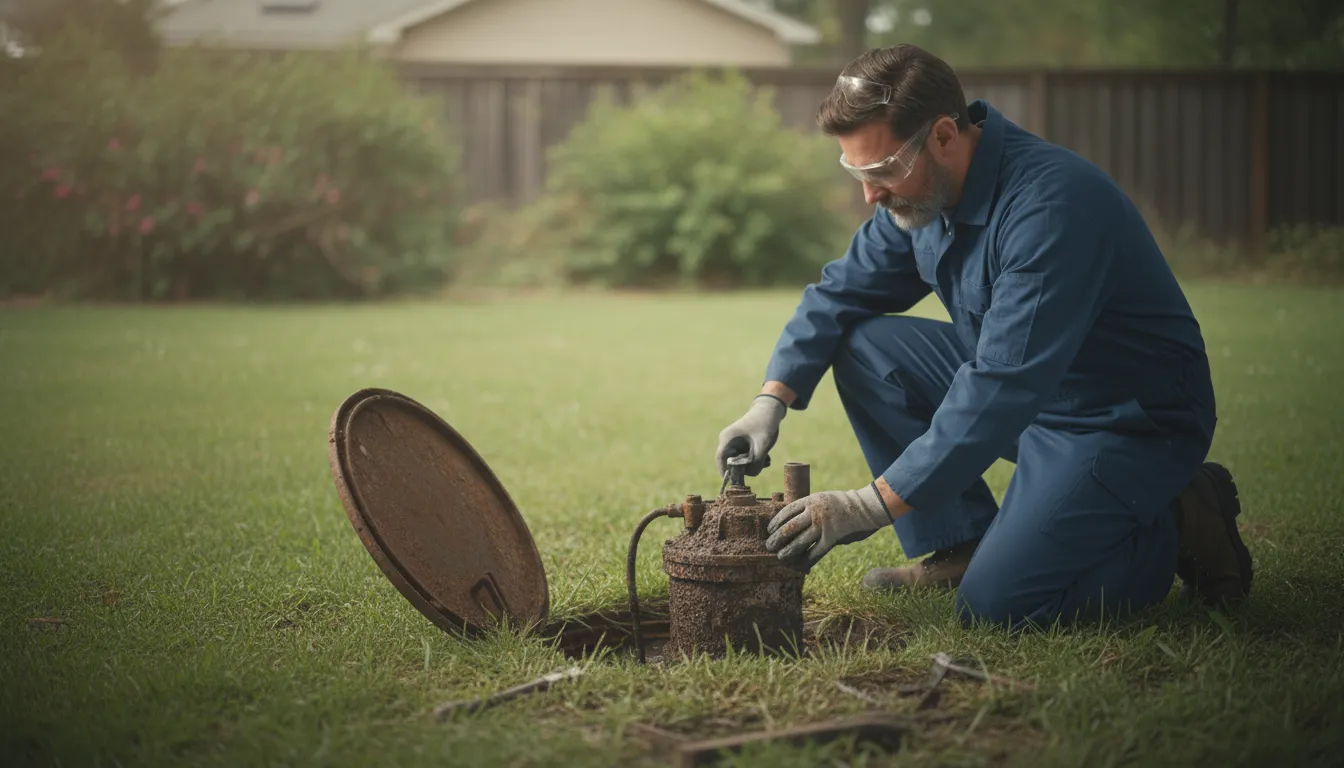
Find the Best Septic Pump Repair Companies for Your Business
No obligation • Fast responses • Nationwide coverage

Why you can trust Septic Spot
Septic Spot is a leading United States resource for understanding and comparing septic services. Our editors review providers using consistent criteria and verify key business details. Listings and scores are independent, and companies cannot pay to influence our content.
Search providers near you
Top Septic Pump Repair Companies in Covina, California Ranked
Maintaining a functional septic system is crucial for any Covina homeowner not connected to the municipal sewer. When the pump that moves wastewater from your tank to the drain field fails, it can lead to backups, unpleasant odors, and potential environmental issues. Understanding your options for septic pump repair and replacement, as well as the local factors that influence them, helps you make informed decisions to protect your property and investment. This guide provides a detailed look at the process, costs, and considerations for addressing septic pump issues in Covina, empowering you to find the right local expertise for the job.

Zoom Drain Los Angeles
1815 W 205th St #209, Torrance, CA 90501
Zoom Drain Los Angeles provides septic pump repair and replacement services along with comprehensive drain and sewer solutions in Los Angeles, CA. They serve residential and commercial clients, offering drain cleaning, pump repairs, sewer inspections, and specialized maintenance plans tailored to local needs. The company is equipped with advanced tools and skilled technicians to handle a variety of plumbing challenges efficiently. Zoom Drain is known for its flat-rate pricing and certified professionals. They also offer 24/7 emergency service, ensuring assistance is available whenever needed.
AAP ALL AMERICAN PLUMBING HOME SERVICES
6711 Studio Pl, Riverside, CA 92509
AAP ALL AMERICAN PLUMBING HOME SERVICES is a plumbing and septic service provider based in Riverside, CA. They offer a wide range of services including septic tank pumping, septic system repair, and septic pump replacement. The company also provides commercial plumbing services with 24/7 availability for high-volume businesses. Their capabilities include hydro jetting, trenchless sewer repairs, and slab leak detection and repair. With over two decades of experience working with homeowners associations and property managers across Southern California, they bring extensive knowledge and resources to their work.

Gopher Construction Company/Septic & Sewer Repair
10164 Tujunga Canyon Blvd, Tujunga, CA 91042
Gopher Construction Company/Septic & Sewer Repair is a family-owned business serving Los Angeles, CA, with over 70 years of experience since 1948. They specialize in septic system repair, septic pump repair or replacement, and various sewer and drainage installations and repairs for both public and private properties. The company is recognized as an approved bonded sewer contractor by the city of Los Angeles and offers knowledgeable solutions for septic and sewer system needs.
Understanding Your Septic Pump System
At the heart of many modern septic systems is the pump, often referred to as a sewage ejector or effluent pump. Its job is to actively move treated wastewater (effluent) from the septic tank out to the drain field for final soil absorption. This is especially critical in areas where the drain field is located uphill from the tank or when using advanced treatment systems. A malfunctioning pump can cause the tank to overfill, leading to sewage backing up into your home or surfacing in your yard. Recognizing early warning signs-like unusual noises from the pump tank, alarms sounding, slow drains, or soggy ground near the drain field-can mean the difference between a simple repair and a costly full replacement.
How Covina's Soil and Climate Impact Repairs
The success of any septic system repair or replacement is deeply tied to local soil conditions. In Covina and the broader San Gabriel Valley, soil types can vary significantly, influencing both the diagnosis and the solution for a failing pump.
- Ideal Loamy Soil: A balanced mix of sand, silt, and clay provides good drainage and filtration. Repairs in these conditions are often more straightforward.
- Slow-Draining Clay: Dense, clay-heavy soils are common in inland areas and can severely slow the rate at which wastewater percolates. This can cause the drain field to become saturated, putting extra strain on the pump and potentially leading to system overload. In such cases, a standard pump repair might not be enough if the underlying issue is a failing drain field, and alternative systems like mound systems may be necessary 1.
- Fast-Draining Sand: Sandy soils drain too quickly, preventing proper filtration of pathogens and contaminants before they reach groundwater. This environmental risk can influence the type of system and pump required for compliance.
- Arid Climate Impact: Southern California's dry spells can cause soil to harden and crack, further reducing its ability to absorb effluent efficiently. This seasonal factor is important for technicians to consider during an assessment 2 3.
A professional will often evaluate soil percolation rates as part of a comprehensive diagnosis to determine if the pump failure is an isolated mechanical issue or a symptom of a larger, soil-related system problem.
The Step-by-Step Repair and Replacement Process
Whether you need a minor fix or a full septic pump replacement, the process typically follows a structured sequence to ensure safety, compliance, and long-term functionality.
- Initial Assessment & Diagnostics: A licensed technician will start with a site visit. They will check for common issues like clogged intake screens, failed float switches (which control the pump's on/off cycle), electrical problems, or a seized motor. Many systems have an alarm-a red light and/or siren-that activates when water levels are too high, which is a key diagnostic clue 4.
- Soil Evaluation & Permitting: If the initial diagnosis suggests a major failure or if a full system replacement is needed, a more formal site assessment and percolation test may be required. Any significant modification or new installation will require permits from local health and building authorities in Covina 5.
- Excavation & Access: To reach the pump, technicians need access to the pump chamber, which is often separate from the main septic tank. If the chamber isn't equipped with a secure riser to ground level, careful excavation is necessary to uncover the access lid 6 7.
- Repair or Installation Work: For a repair, the technician might replace a float switch, clear a blockage, or repair wiring. For a full pump replacement, the old unit is disconnected and removed, and a new, appropriately sized pump is installed, along with new check valves and piping as needed.
- Testing & Site Restoration: Once the new pump or repair is complete, the system is activated and tested through several cycles to ensure it operates correctly. After passing inspection, the site is backfilled, compacted, and landscaped to restore your yard 8.
Find the perfect septic pump repair companies for your needs
Get personalized recommendations and expert advice
Cost Factors for Septic Pump Services in Covina
The cost for addressing a septic pump issue in Covina can vary widely based on the problem's complexity. Research indicates that residential septic pump repairs typically range from $250 to $1,200, while a complete pump replacement generally costs between $1,200 and $3,0009 10 11. It's important to view this as an investment in your property's sanitation and value.
Several key factors influence the final price:
- Extent of Damage: A simple float switch replacement is at the lower end, while replacing a burned-out pump motor or damaged impeller costs more.
- Pump Type and Capacity: Larger homes or systems with advanced treatment components require more powerful (and expensive) pumps.
- Accessibility: If the pump chamber is buried deep or under hardscape like a patio or driveway, excavation costs will increase significantly.
- Permitting and Soil Work: If the repair uncovers broader system or soil failures, costs for additional engineering, permitting, and construction will rise 12.
- Emergency Service: Requiring immediate, after-hours service will incur a premium compared to scheduling a routine appointment.
For context, routine maintenance like septic tank pumping in Covina costs between $200 and $600, underscoring how addressing problems early can prevent much larger expenses down the line 13.
Choosing a Service Provider in Covina
Covina is home to several experienced providers specializing in septic system services. When looking for help with a pump issue, consider companies that offer:
- Comprehensive Diagnostics: Look for providers that use camera inspections and thorough testing to accurately pinpoint the problem, not just the symptom.
- Transparent Communication: Reputable technicians should clearly explain the issue, your repair options, and provide a detailed cost estimate before starting work.
- Local Expertise: Choose a company familiar with Covina's specific permit processes, soil types, and common system designs. Some local firms have been serving the San Gabriel Valley for decades, bringing invaluable area-specific knowledge 14.
- Service Range: Whether you need a same-day emergency response for an overflowing tank or are planning a complex system replacement, finding a provider capable of handling the full scope of work is ideal.
Maintaining Your System Post-Repair
After a repair or replacement, proper maintenance is key to extending the life of your investment. This includes adhering to a regular pumping schedule (typically every 3-5 years), conserving water to avoid overloading the system, and being mindful of what you flush. Avoid pouring grease, chemicals, or non-biodegradable items down the drain. Regularly listen for and visually check your pump (if accessible) for unusual sounds or alarm lights. A small amount of preventative care can help you avoid repeating the repair process prematurely 15 16.
Frequently asked questions
Sources
Footnotes
-
How Soil Type Affects Your Septic System - https://superiorsewersolutions.com/septic/best-soil-type-for-septic-systems/ ↩
-
5 Causes of Septic Tank Failure in Southern California and How to ... - https://breakingac.com/news/2024/dec/12/5-causes-of-septic-tank-failure-in-southern-california-and-how-to-prevent-costly-repairs/ ↩
-
Comparing Fill Dirt Types for Safe Septic System Installation - https://www.soilconnect.com/blog/comparing-fill-dirt-types-for-safe-septic-system-installation ↩
-
Get Sewage Pump Repair in Covina, CA - https://covinaseptic.com/get-sewage-pump-repair ↩
-
Choosing the Right Septic System for Your Southern ... - https://www.lanikseptic.com/choose-septic-system/ ↩
-
Step-by-Step Guide: How to Easily Replace Your Septic Pump - https://www.youtube.com/watch?v=2fcSDyrJ-cw&t=17 ↩
-
Preparing for Septic Tank Pumping: 7 Essential Steps - https://septic911.com/preparing-for-septic-tank-pumping/ ↩
-
Septic System Install Timeline | RCI Septic Service - https://www.rciseptic.com/complete-step-by-step-timeline-septic-system-installation-from-permit-to-finish ↩
-
Septic Pump Replacement Services in West Covina, CA - https://westcovinaseptic.com/get-septic-pump-replacement ↩
-
Septic System Pump Repair Services in Covina, CA - https://covinaseptic.com/get-septic-system-pump-repair ↩
-
Get Septic Tank Pump Replacement in Covina, CA - https://covinaseptic.com/get-septic-tank-pump-replacement ↩
-
How Much Does Septic System Repair Really Cost in California - https://www.lanikseptic.com/septic-repair-cost/ ↩
-
Cost of Septic in Covina, CA - https://covinaseptic.com/cost-of-septic-in-covina-ca ↩
-
Septic System Services in Covina, CA - Ace Pelizon - https://www.acepelizon.com/plumbing/septic-system/ ↩
-
Frequent Questions on Septic Systems | US EPA - https://www.epa.gov/septic/frequent-questions-septic-systems ↩
-
Care & Maintenance of Your Septic System - Thurston County - https://www.thurstoncountywa.gov/departments/public-health-and-social-services/environmental-health/septic-systems/care-maintenance-your-septic-system ↩