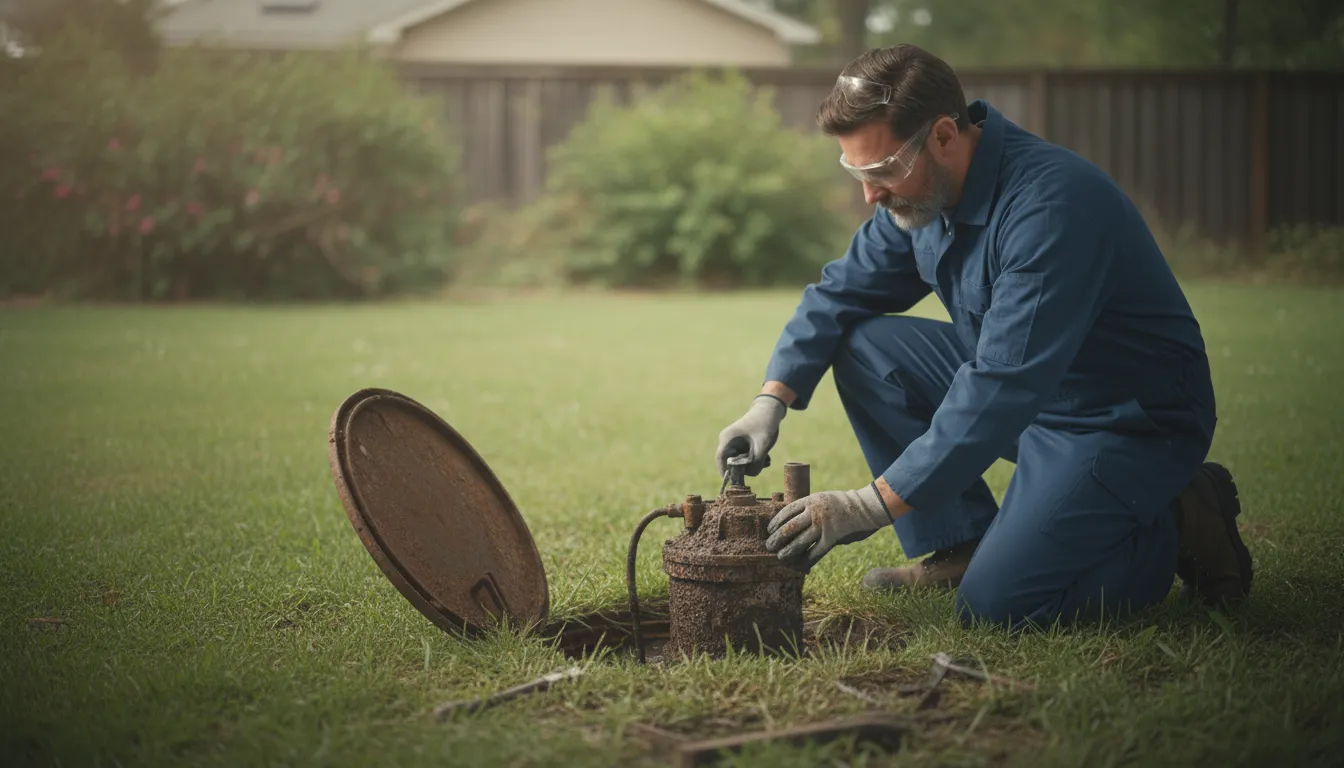
Find the Best Septic Pump Repair Companies for Your Business
No obligation • Fast responses • Nationwide coverage

Why you can trust Septic Spot
Septic Spot is a leading United States resource for understanding and comparing septic services. Our editors review providers using consistent criteria and verify key business details. Listings and scores are independent, and companies cannot pay to influence our content.
Search providers near you
Top Septic Pump Repair Companies in Glendora, California Ranked
Maintaining a functional septic system is crucial for the health, safety, and property value of any Glendora home not connected to the municipal sewer. When your septic pump fails or your entire system shows signs of collapse, timely and professional intervention is essential. This resource provides detailed information on septic pump repair and full system replacement, helping you understand the process, costs, and local factors specific to the Glendora area. Use this guide to identify key considerations and connect with qualified local professionals for your septic service needs.
AAP ALL AMERICAN PLUMBING HOME SERVICES
6711 Studio Pl, Riverside, CA 92509
AAP ALL AMERICAN PLUMBING HOME SERVICES is a plumbing and septic service provider based in Riverside, CA. They offer a wide range of services including septic tank pumping, septic system repair, and septic pump replacement. The company also provides commercial plumbing services with 24/7 availability for high-volume businesses. Their capabilities include hydro jetting, trenchless sewer repairs, and slab leak detection and repair. With over two decades of experience working with homeowners associations and property managers across Southern California, they bring extensive knowledge and resources to their work.

Gopher Construction Company/Septic & Sewer Repair
10164 Tujunga Canyon Blvd, Tujunga, CA 91042
Gopher Construction Company/Septic & Sewer Repair is a family-owned business serving Los Angeles, CA, with over 70 years of experience since 1948. They specialize in septic system repair, septic pump repair or replacement, and various sewer and drainage installations and repairs for both public and private properties. The company is recognized as an approved bonded sewer contractor by the city of Los Angeles and offers knowledgeable solutions for septic and sewer system needs.
Understanding Your Septic System in Glendora
A septic system is an on-site wastewater treatment structure, typically consisting of a tank and a drainfield (or leach field). In a conventional gravity system, waste flows from your home into the tank, where solids settle and begin to decompose. The clarified liquid then exits into a network of perforated pipes in the drainfield, where it percolates into the soil for final treatment. In many Glendora homes, especially those on sloped lots, a septic pump (or effluent pump) is a critical component. This pump is installed in a separate chamber or the main tank to actively push treated wastewater up to the drainfield located at a higher elevation. Repairing or replacing this pump, or addressing broader system failures, requires specialized knowledge of local geology and regulations.
Common Signs You Need Septic Pump or System Service
Ignoring early warning signs can lead to costly property damage and health hazards. Be alert for these indicators of a failing septic component:
- Sewage Backups: The most urgent sign. Wastewater backing up into household drains, toilets, or showers often points to a tank at capacity, a clog, or a failed pump.
- Slow Drains: Consistently slow-draining sinks, tubs, or washing machines, especially if plunging or drain cleaners don't help, can signal a system problem.
- Unpleasant Odors: Foul smells of sewage around the tank, drainfield, or inside your home are a clear red flag.
- Lush, Soggy Lawn: Unexpectedly green, spongy, or soggy patches over the drainfield indicate effluent is surfacing because it can't properly absorb into the soil.
- Gurgling Sounds: Strange gurgling noises from your plumbing when using water or flushing toilets.
- Alarm Activation: If your system has a pump, it likely includes a high-water alarm. An activated alarm means the pump has failed or cannot keep up with the inflow, risking an overflow.
Breakdown of Septic Service Costs in Glendora
Costs for septic work in Glendora can vary widely based on the scope of the problem, your property's characteristics, and the system type. The following ranges are based on regional data for California and the San Gabriel Valley 1 2.
Septic Pump Repair & Replacement:
- Service Call/Diagnostic Fee: $200 - $600.
- Minor Repairs: Fixing components like baffles, risers, or alarms typically ranges from $300 to $1,200 3.
- Pump Replacement: Replacing a failed effluent or grinder pump generally costs between $800 and $5,000+, depending on the pump type, horsepower, and system complexity.
Major System Component Repairs:
- Drainfield Repair/Replacement: This is often the most expensive repair. Restoring or replacing a failed leach field can range from $5,000 to over $15,000 4 5.
- Full Septic System Replacement: When repair is not viable, a complete new system installation in Glendora typically costs between $10,000 and $40,000+ 6 7 8.
Find the perfect septic pump repair companies for your needs
Get personalized recommendations and expert advice
Key Factors Influencing Septic Work in Glendora
Several local factors significantly impact the complexity and cost of septic pump repair or system replacement in this foothill community.
Soil Composition: Glendora's proximity to the San Gabriel Mountains creates challenging soil conditions. Properties often have rocky, sandy soil or dense clay layers. Rocky soil increases excavation difficulty and cost. More critically, dense clay soils have very slow percolation rates, meaning wastewater does not drain quickly. This frequently leads to premature drainfield failure, often necessitating more extensive repairs like digging new trenches or installing advanced treatment systems 9.
System Type:
- Conventional Gravity Systems: These are simpler in design but can fail due to age, clogs, or, commonly in Glendora, poor soil absorption.
- Pump/Pressure Systems: Required for sloped lots, these systems add electrical components (pumps, control panels, alarms) that can fail and require specialized repair.
- Engineered/Advanced Systems: If the native soil is unsuitable (e.g., heavy clay), the Los Angeles County Department of Public Health may require an advanced treatment system (like an aerobic treatment unit or sand filter) at installation, which carries a higher initial and potential repair cost 10 11.
Property and Site Conditions:
- Access: Difficult access for heavy machinery-common on steep, narrow, or landscaped foothill properties-can increase labor time and cost 12 13.
- Depth and Slope: Excavation for gravity systems on hilly terrain can be deep and complex.
- System Size: The legal capacity of your system, dictated by the number of bedrooms in your home, determines tank and drainfield size, directly affecting material costs for a replacement 14.
The Septic System Replacement Process
When a full septic tank replacement is necessary, understanding the process can help you prepare.
- Site Evaluation & Permitting: A licensed professional will assess your property's soil, slope, and existing system. They will then obtain the necessary permits from the Los Angeles County Department of Public Health, a mandatory step before any work begins.
- Pumping & Assessment: The old tank is pumped out and inspected. It will be determined whether it needs to be removed or can be "abandoned in place" (filled with gravel or sand) according to code.
- Excavation & Installation: Heavy equipment excavates the old system. A new tank, often made of concrete or plastic, is set on a stable, level base. For pump systems, the new pump chamber is installed and connected.
- Drainfield Rehabilitation: If the drainfield is being replaced, new perforated lateral lines are laid in gravel-filled trenches designed for optimal effluent distribution and soil absorption.
- Final Inspection & Backfill: Once installation is complete, a county inspector will review the work. After approval, the tank and lines are carefully backfilled and the landscape is restored as much as possible.
Repair vs. Replacement: Making the Decision
A professional assessment is crucial. Generally, repair is the best option for isolated issues: a single failed pump, damaged baffle, or a clogged pipe. Repair costs are substantially lower and can extend the system's life.
Full replacement becomes necessary when:
- The tank itself is structurally compromised (cracked, collapsing).
- The drainfield has completely failed and cannot be rehabilitated.
- Multiple major components have failed simultaneously.
- The system is chronically failing due to poor original design or irreparable soil issues.
Investing in a properly designed new system, while costly upfront, provides long-term reliability and protects your property value.
Maintaining Your System to Avoid Major Repairs
Proactive maintenance is the most cost-effective strategy.
- Pump Regularly: Have the tank pumped every 3-5 years by a licensed contractor.
- Conserve Water: Spread out laundry loads and fix leaks to avoid hydraulically overloading the system.
- Mind What You Flush: Only human waste and toilet paper should go down the drain. Never flush wipes, feminine products, grease, or chemicals.
- Protect the Drainfield: Never drive or park vehicles over it, and keep large trees and shrubs with deep roots away from the area.
- Annual Inspections: For systems with pumps, an annual check of the pump, floats, and alarm is recommended.
Frequently asked questions
Sources
Footnotes
-
How Much Does Septic Tank Repair Cost? [2026 Data] | Angi - https://www.angi.com/articles/how-much-does-repairing-septic-tank-cost.htm ↩
-
Common Septic Tank Repairs In California (& What They Cost) - https://cacciaplumbing.com/blog/common-septic-tank-repairs-in-california/ ↩
-
Septic Repair vs. Replacement: What's Best for Your System - https://www.townesseptic.com/blog/septic-repair-vs-replacement ↩
-
Septic Drain Field Replacement Costs Vs. Long-Term Savings - https://www.theseptictankman.com/blog/septic-drain-field-replacement-costs-vs-long-term-savings ↩
-
Cost Of Septic System Restoration Vs Septic System Replacement - https://www.aero-stream.com/cost-of-septic-system-restoration-vs-septic-system-replacement/ ↩
-
Septic Repair vs. Replacement: A Guide to Costs & Red Flags - https://prosepticri.com/septic-repair-vs-replacement-guide/ ↩
-
How Much Does Septic System Repair Really Cost in California - https://www.lanikseptic.com/septic-repair-cost/ ↩
-
How Much Does It Cost to Replace a Septic System? - https://alphaenvironmental.net/blog/how-much-cost-replace-septic-system/ ↩
-
How Soil Type Affects Septic System Performance - https://www.septicblueraleigh.com/how-your-soil-determines-your-septic-systems-success.html ↩
-
California Septic Tank Requirements | Onsite Wastewater Treatment ... - https://www.ntotank.com/blog/california-septic-tank-requirements ↩
-
OSCAR vs Conventional Systems in Snohomish: Which Fixes Failing Septics? - https://davissepticdesign.com/oscar-vs-conventional-systems-in-snohomish-which-fixes-failing-septics/ ↩
-
Understanding the Costs of Septic Tank Installation and Repair - https://mathisandsonsseptic.com/mathis-sons-septic-blog-orlando-fl/understanding-the-costs-of-septic-tank-installation-and-repair/ ↩
-
Septic Tank Replacement Explained: Costs, Lifespan, And What To ... - https://www.theseptictankman.com/blog/septic-tank-replacement-explained-costs-lifespan-and-what-to-expect ↩
-
How Much Does a Septic System Cost? - https://www.fastexpert.com/blog/septic-system-cost/ ↩