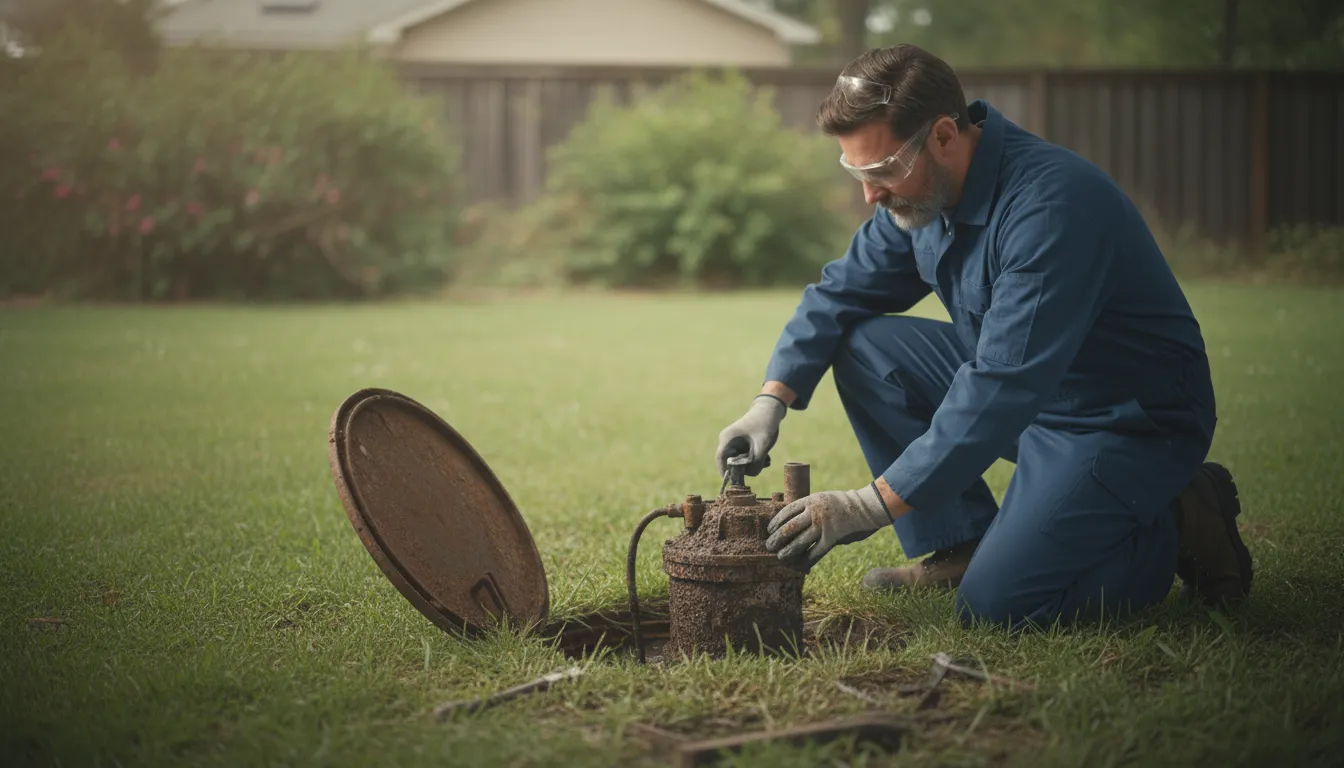
Find the Best Septic Pump Repair Companies for Your Business
No obligation • Fast responses • Nationwide coverage

Why you can trust Septic Spot
Septic Spot is a leading United States resource for understanding and comparing septic services. Our editors review providers using consistent criteria and verify key business details. Listings and scores are independent, and companies cannot pay to influence our content.
Search providers near you
Top Septic Pump Repair Companies in Hawthorne, California Ranked
Maintaining a functional septic system is crucial for any Hawthorne homeowner not connected to the municipal sewer. When your effluent pump fails or your system shows signs of distress, timely and professional intervention is key to preventing costly property damage and health hazards. This guide provides essential information on septic pump repair and full system replacement, helping you understand the process, costs, and local considerations specific to the Hawthorne area so you can make informed decisions for your property.

Zoom Drain Los Angeles
1815 W 205th St #209, Torrance, CA 90501
Zoom Drain Los Angeles provides septic pump repair and replacement services along with comprehensive drain and sewer solutions in Los Angeles, CA. They serve residential and commercial clients, offering drain cleaning, pump repairs, sewer inspections, and specialized maintenance plans tailored to local needs. The company is equipped with advanced tools and skilled technicians to handle a variety of plumbing challenges efficiently. Zoom Drain is known for its flat-rate pricing and certified professionals. They also offer 24/7 emergency service, ensuring assistance is available whenever needed.
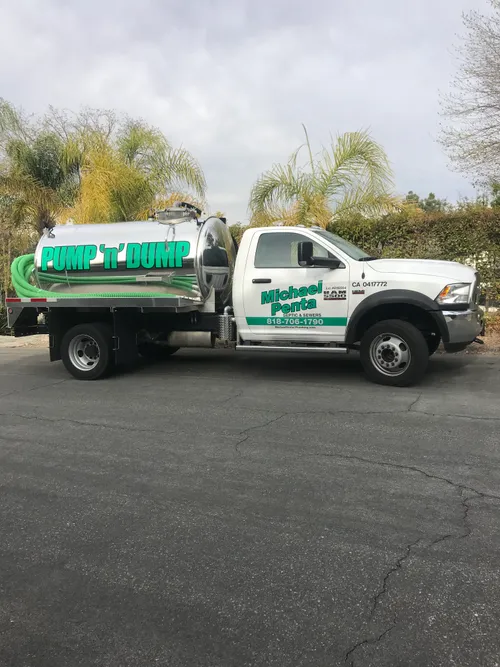
Michael Penta Septic Tank Pumping
Los Angeles, CA
Michael Penta Septic Tank Pumping provides a range of septic services in Los Angeles, CA, including septic tank pumping, installation, inspection, and repair. The company also handles drain field repairs, sewage ejection pump services, and sewer line replacements. Their expertise includes advanced capabilities such as camera inspections for leaks and cracks, soil analysis for leach line repair, and installation of micro septic systems that treat wastewater to a higher quality. They ensure compliance with local regulations and offer comprehensive maintenance to extend the life of septic systems.

Gopher Construction Company/Septic & Sewer Repair
10164 Tujunga Canyon Blvd, Tujunga, CA 91042
Gopher Construction Company/Septic & Sewer Repair is a family-owned business serving Los Angeles, CA, with over 70 years of experience since 1948. They specialize in septic system repair, septic pump repair or replacement, and various sewer and drainage installations and repairs for both public and private properties. The company is recognized as an approved bonded sewer contractor by the city of Los Angeles and offers knowledgeable solutions for septic and sewer system needs.
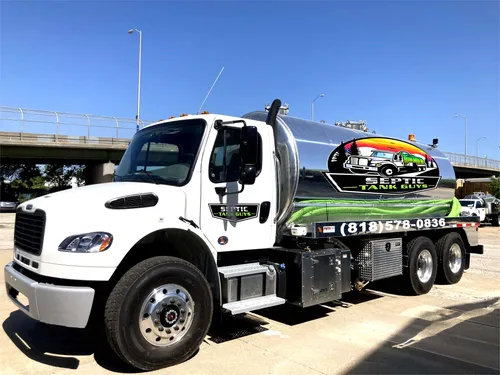
Septic Tank Pumping Guys
6360 Van Nuys Blvd ste 113, Van Nuys, CA 91401
Septic Tank Pumping Guys provides a full range of septic services in Los Angeles, CA, including pumping, inspections, repairs, and installations for residential and commercial properties. They offer 24/7 emergency septic services and specialize in maintaining system health through regular pump-outs, cleaning, and drain field repairs. Their capabilities include septic tank installation, effluent filter replacement, and grease trap pumping. The company is family owned and operated, serving multiple communities within Los Angeles County.
Understanding Your Hawthorne Septic System
Most residential septic systems in Hawthorne consist of a tank and a drainfield (or leach field). Wastewater flows from your home into the tank, where solids settle and begin to decompose. The clarified liquid, called effluent, then exits the tank. In a traditional gravity-fed system, the effluent flows directly to the drainfield. However, many properties in the Los Angeles region, including Hawthorne, require a pumped septic system or pressure distribution system. This is often due to the local topography or soil conditions, which prevent gravity from doing all the work.
In these systems, an effluent pump is installed in a separate chamber or directly in the septic tank. This pump is responsible for moving the treated wastewater uphill or distributing it evenly across the drainfield. The pump is controlled by a series of float switches that turn it on when the effluent reaches a certain level and off when the tank is nearly empty. Understanding this setup is the first step in diagnosing issues, as problems can stem from the pump motor itself, the float switches, the control panel, or the electrical supply.
Why Soil Conditions in Hawthorne Matter
The soil composition in the Hawthorne and greater Los Angeles area is a primary factor influencing system design, performance, and repair needs. Local soils generally fall into two categories that present unique challenges:
- Sandy or Sandy Loam Soil: While these soils offer good initial drainage, they can allow fine particles from the septic tank to pass through and clog the soil pores over time. This can lead to premature drainfield failure. Furthermore, sandy soil can allow debris to infiltrate and damage pump components, necessitating more frequent filter maintenance and potentially leading to pump repairs.
- Clay or Heavy Soil: Tight clay soils, common in parts of the region, restrict drainage significantly. This places a heavy burden on the septic pump, as it must work against greater pressure to push effluent into the slow-absorbing soil. This environment often requires specialized, more expensive high-head or high-capacity effluent pumps and can lead to more frequent pump burnout and premature system failure if not properly designed.
A professional assessment will always include evaluating your site's soil, as it dictates whether a repair is viable or if a more comprehensive system redesign is necessary.
Common Signs You Need Pump Repair or Service
Ignoring early warning signs can turn a simple repair into a catastrophic system failure. Be alert for these indicators:
- Alarm Sounds: Most pumped systems have an audible and/or visual alarm that activates when the water level in the pump tank is too high. This is the most direct sign of a pump failure.
- Slow Drains or Backups: Gurgling toilets, slow-draining sinks, or sewage backups in the lowest drains in your home can indicate that the pump isn't moving effluent out of the tank.
- Effluent Surfacing: Wet, soggy, or foul-smelling patches in your yard, particularly near the drainfield or tank, signal that the effluent is not being absorbed and is surfacing-a serious health hazard.
- Unusually Lush Grass: While sometimes subtle, a spot of grass over the drainfield that is much greener and grows faster than the rest of the lawn can indicate an effluent leak.
- Electrical Issues: A tripped circuit breaker for the pump circuit or a non-responsive control panel are clear signs of an electrical problem.
The Professional Repair and Replacement Process
When you contact a licensed specialist for septic pump issues in Hawthorne, they will typically follow a structured process to diagnose and resolve the problem.
- Site Assessment & Diagnosis: The technician will first listen to your description of the problem, check the control panel and alarm, and often use specialized tools to test the pump and float switches. This step determines if the issue is a simple electrical connection, a stuck float, a burned-out pump motor, or something more severe.
- Permitting: For any significant repair, and especially for a full system replacement, permits from the Los Angeles County Department of Public Health are required 1. A reputable contractor will handle this paperwork, ensuring the work meets all local and state codes (Title 24, California Code of Regulations).
- Pumping and Cleaning: Before any hands-on repair can begin, the septic tank must be pumped out (at a typical cost of $200-$600) to allow safe access for inspection and repair work 2.
- Repair or Replacement Work: This is the core service. It may involve replacing a faulty float switch, repairing a baffle or effluent filter, wiring a new control panel, or swapping out the entire septic pump. For a full system replacement, this stage involves excavating the old tank and drainfield and installing a new, permitted system 3.
- Site Restoration: After the repair or installation is complete and inspected, the contractor will backfill any excavations and restore your landscaping as agreed, often with special attention to ensuring compacted clay soils are properly aerated to aid drainage.
Find the perfect septic pump repair companies for your needs
Get personalized recommendations and expert advice
Cost Factors for Septic Pump Work in Hawthorne
Repair and replacement costs in Hawthorne vary widely based on the complexity of the job, soil conditions, and the system type. The following ranges are based on local service data:
- Minor Component Repair (Float Switch, Alarm): $250 - $700
- Septic Pump Replacement: $800 - $2,500
- Baffle or Effluent Filter Repair: $300 - $900
- Electrical Control Panel Repair/Replacement: $800 - $5,000 4
- Full Septic System Replacement: $10,000 - $40,000+
The high end of the replacement scale accounts for complex engineered systems required for difficult sites with poor soil, small lot sizes, or high groundwater-all possible scenarios in Hawthorne 5 6. The need for a high-head pump for clay soils or an alternative aerobic treatment unit (ATU) also increases costs significantly 7 8.
Repair vs. Replacement: Making the Right Choice
This is the critical decision point for any homeowner facing a significant septic issue. A professional evaluation is essential, but general guidelines include:
Opt for Repair When:
- The septic tank is structurally sound (no cracks, leaks, or collapse).
- The drainfield is still absorbing effluent effectively (no surfacing).
- The problem is isolated to a single component, such as the pump, a float switch, or the alarm 9 10.
- The system is less than 20-25 years old and has been regularly maintained.
Consider Full Replacement When:
- The septic tank is damaged (rusted, cracked, or collapsed).
- The drainfield has completely failed, evidenced by persistent effluent surfacing that does not resolve after pumping and resting the field 11.
- The system is approaching or exceeding its typical 25-30 year lifespan.
- You are planning a major home addition that will increase wastewater load beyond the system's design capacity.
- Repeated repairs are becoming more frequent and costly, indicating systemic failure 12.
Maintaining Your System to Avoid Costly Repairs
Proactive maintenance is the most effective way to extend the life of your septic pump and system. Key maintenance benefits include preventing pump clogs and failures 13. Follow these tips:
- Pump Regularly: Have the solids in your tank pumped every 3-5 years, or as recommended by your inspector.
- Conserve Water: Spread out laundry loads, fix leaks, and use water-efficient fixtures to avoid hydraulically overloading the system.
- Mind What You Flush: Only human waste and toilet paper should go down the drain. Never flush wipes (even "flushable" ones), feminine hygiene products, grease, or chemicals.
- Protect the Drainfield: Never drive or park vehicles over it. Keep roof drains, sump pumps, and other surface water away from the area.
- Get Annual Inspections: A yearly check-up, especially for systems with pumps, can catch small issues like a worn float switch before they cause a pump failure or overflow.
Frequently asked questions
Sources
Footnotes
-
California Septic Tank Requirements | Onsite Wastewater Treatment ... - https://www.ntotank.com/blog/california-septic-tank-requirements ↩
-
Get Septic System Installation in Hawthorne, CA - https://sewerinstallationservice.com/septic-system-installation-hawthorne-ca ↩
-
Septic Repair vs. Replacement: A Guide to Costs & Red Flags - https://prosepticri.com/septic-repair-vs-replacement-guide/ ↩
-
How Much Does Septic Repair Cost in 2025? | Blog - https://www.blueribbonseptic.com/blog/septic-repair-cost-sacramento-2025 ↩
-
Cost Of Septic System Restoration Vs Septic System Replacement - https://www.aero-stream.com/cost-of-septic-system-restoration-vs-septic-system-replacement/ ↩
-
How Much Does Septic System Repair Really Cost in California - https://www.lanikseptic.com/septic-repair-cost/ ↩
-
Understanding the Costs of Septic Tank Installation and Repair - https://mathisandsonsseptic.com/mathis-sons-septic-blog-orlando-fl/understanding-the-costs-of-septic-tank-installation-and-repair/ ↩
-
Alternative Septic Solutions for Difficult Sites | Septic System Professionals - https://septic911.com/alternative-septic-solutions-for-difficult-sites/ ↩
-
How Much Does a Septic System & Septic Tank Cost - NexGen Septics - https://www.nexgenseptics.com/septic-system-cost/ ↩
-
Septic System Repair in New Jersey | NJ Septic Repair - https://www.atsenvironmental.com/residential/septic-system-repair/ ↩
-
How Much Does a Septic System Cost: Replacement and New - https://www.jkawelldrilling.com/how-much-does-a-septic-system-cost-replacement-and-new/ ↩
-
Repair or Replace? How to Make the Best Choice for Your Septic System - https://qualitysepticincorporated.com/repair-or-replace-how-to-make-the-best-choice/ ↩
-
Pump Septic System Maintenance: Key Benefits & Tips - https://www.rciseptic.com/understanding-the-pump-septic-system-maintenance-benefits ↩