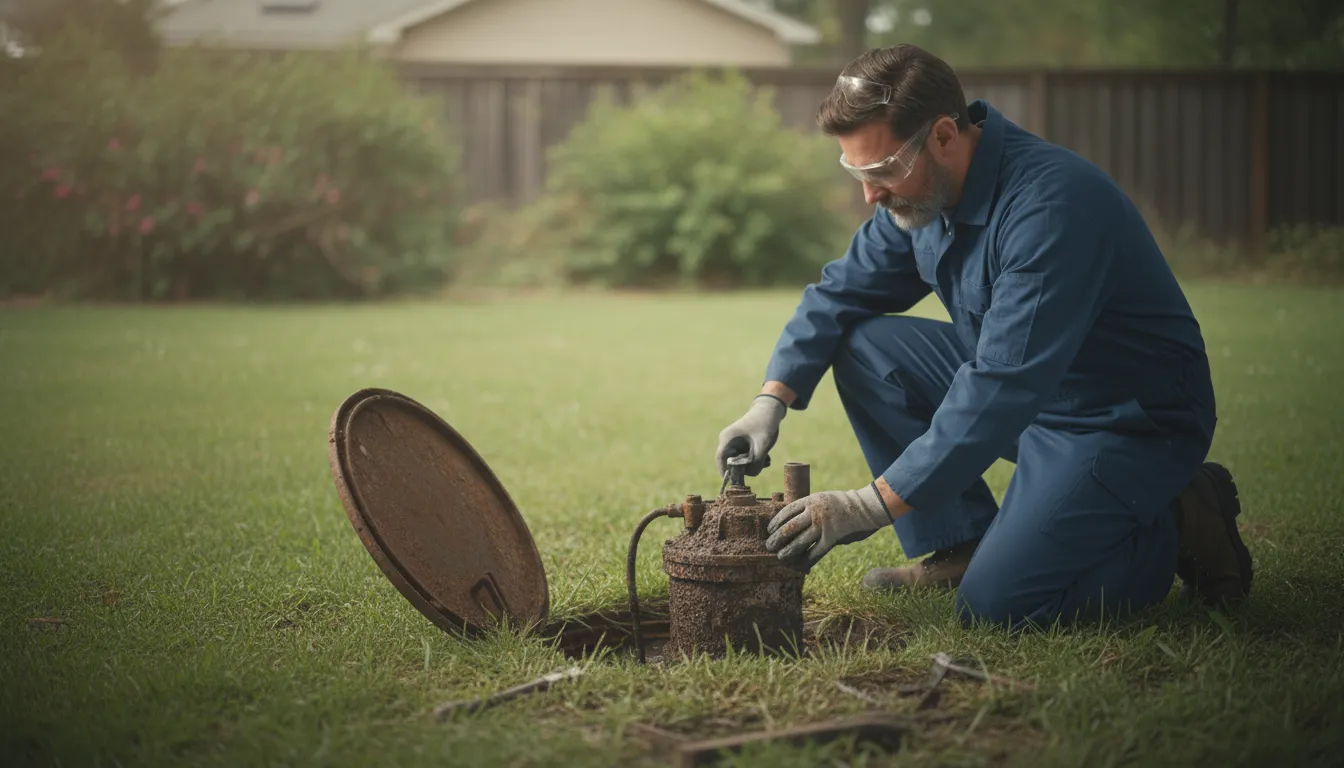
Find the Best Septic Pump Repair Companies for Your Business
No obligation • Fast responses • Nationwide coverage

Why you can trust Septic Spot
Septic Spot is a leading United States resource for understanding and comparing septic services. Our editors review providers using consistent criteria and verify key business details. Listings and scores are independent, and companies cannot pay to influence our content.
Search providers near you
Top Septic Pump Repair Companies in Highland, California Ranked
Maintaining a functional septic system is crucial for any home not connected to a municipal sewer line. Septic pump repair and replacement services address the critical components that move wastewater from your tank to the drain field, especially important in areas with challenging soil or terrain. This guide explains what these services entail, why they are vital for your property's health and value, and how you can connect with qualified local specialists to assess your system's needs.
Understanding Your Septic System's Pump
At the heart of many modern septic systems, particularly in areas not suited for simple gravity flow, is the septic pump. This component is responsible for moving effluent-the liquid waste that leaves the septic tank-to the drain field for final soil absorption. When this pump fails, wastewater can back up into your home or pool on your property, creating health hazards and environmental issues. Understanding whether you have a pump-based system is the first step in proactive maintenance.
Types of Systems in Highland
Not all homes in the Highland area utilize a pump. The type of system installed depends largely on the original property conditions and local regulations.
- Conventional Gravity Systems: Many older homes rely on gravity to move effluent from the tank downhill to the drain field. These systems are simpler but require a specific slope to function.
- Pump-to-Gravity Systems: This is a common setup where a pump lifts effluent from the tank to a distribution box or a drain field that is located uphill or on level ground. The pump provides the necessary pressure for dispersal.
- Engineered or Alternative Systems: For properties with significant challenges like high groundwater, poor soil, or steep slopes, fully engineered systems are often required. These may include advanced treatment units, pressure-dosed drain fields, or mound systems to ensure safe wastewater treatment.
Common Challenges for Highland Properties
The local geography and soil composition in and around Highland present specific hurdles for septic system function, making professional expertise essential for repairs and replacements.
Clay-Heavy and Slow-Draining Soils
A prevalent issue in the region is soil with high clay content. Clay does not absorb liquid quickly, severely limiting the drainage capacity of a standard leach field. When repairing or replacing a system in such soil, professionals must design for this constraint, often requiring a much larger drain field area or installing a specialized treatment system that pre-treats the effluent to a higher standard before dispersal.
Slope and Hillside Considerations
Properties built on slopes are common in the area. These landscapes complicate septic design because gravity can cause effluent to run too rapidly downhill, leading to surface breakout or inadequate treatment. Solutions often involve using a pump to move wastewater uphill to a suitable drain field location or installing engineered systems like mound or gravel-less systems that are designed to function effectively on sloped terrain.
Signs You Need Pump Repair or System Attention
Recognizing early warning signs can prevent a minor repair from turning into a catastrophic and expensive system failure.
- Audible Alarms: Most pump systems have a high-water alarm. If this alarm sounds, it indicates the pump is not activating or cannot keep up with the inflow, requiring immediate service.
- Slow Drains and Backups: Gurgling toilets, slow-draining sinks, or sewage backups in the lowest drains of your home are classic signs of a system blockage or pump failure.
- Unpleasant Odors: Foul smells emanating from drains, your yard, or near the septic tank area are strong indicators of a problem.
- Soggy Ground or Lush Vegetation: Exceptionally green, spongy patches in your yard, especially near the drain field or tank, signal that untreated effluent is surfacing, a clear sign of drain field failure or hydraulic overloading 1.
The Repair and Replacement Process
When you contact a professional for septic pump service, they will typically follow a structured process to diagnose and resolve the issue.
- Inspection and Diagnostics: The first step is a thorough inspection, which may include locating the tank, checking the pump and electrical components, and using a camera to scope the lines. This diagnosis aims to identify the root cause, whether it's a failed pump, clogged inlet/outlet baffles, broken pipes, or a failing drain field. Inspection costs in the region typically range from $275 to $1,800, depending on depth and complexity.
- Permitting: For most repairs involving new components, excavation, or changes to the system layout, a permit from San Bernardino County Environmental Health Services is required. Your service provider will usually handle this process 2.
- Excavation and Pumping: To access the tank or pump chamber, controlled excavation is necessary. The tank will also be pumped out to allow for safe and clean work.
- Repair or Replacement Work: This is the core service. It could involve replacing a burnt-out pump, repairing cracked concrete baffles, clearing or replacing clogged lateral lines, or addressing issues in the distribution box.
- Backfill and Site Restoration: Once repairs are tested and approved, the site is backfilled, compacted, and re-graded to ensure surface water drains away from the system components, protecting your investment 3.
Find the perfect septic pump repair companies for your needs
Get personalized recommendations and expert advice
Cost Factors for Septic Services
Understanding the potential investment for septic work helps in planning and decision-making. Costs in Highland are influenced by system type, property challenges, and the extent of the required work.
- Pump Replacement: Replacing a septic pump typically costs between $800 and $5,000. The wide range accounts for pump horsepower, depth of installation, and whether it's a simple swap or requires additional electrical or plumbing work.
- Component Repairs: Fixing or replacing tank baffles and effluent filters is less invasive, generally ranging from $300 to $1,200.
- Lateral Line Replacement: If the underground pipes in your drain field have failed, replacing them is a significant project, often costing between $1,250 and $4,250 depending on the number and length of lines.
- Full System Replacement: When the tank and drain field fail entirely, a complete new system is needed. Given the soil and slope challenges in the area, this is a major undertaking with costs frequently ranging from $10,000 to over $40,000 for engineered solutions 4 5.
- Maintenance Services: Routine septic pumping and inspection, recommended every 3-5 years, is a preventative investment usually costing $200 to $600 6 7.
The Importance of Proactive Maintenance
The most cost-effective strategy for septic system ownership is consistent, proactive care. Scheduling regular pumping every three to five years prevents solids from building up and escaping into the drain field or damaging the pump 8 9. Being mindful of what goes down your drains-avoiding grease, harsh chemicals, and non-biodegradable materials-extends the life of all system components. For properties on slopes or with known poor soil, having a professional conduct annual checks on the pump and alarm system can provide early warning of potential issues, saving thousands in emergency repairs.
Choosing a Local Service Provider
Selecting the right professional is critical. Look for licensed, insured contractors with specific experience in San Bernardino County's permitting process and the unique soil challenges of the Inland Empire. They should be able to explain the regulations, provide a detailed written estimate, and offer references from similar projects. A reputable provider will conduct a thorough site evaluation before recommending any major repair or replacement, ensuring the solution is tailored to your property's specific conditions.
Frequently asked questions
Sources
Footnotes
-
Septic Tank Replacement Explained: Costs, Lifespan, And What To ... - https://www.theseptictankman.com/blog/septic-tank-replacement-explained-costs-lifespan-and-what-to-expect ↩
-
California Septic Tank Requirements | Onsite Wastewater ... - https://www.ntotank.com/blog/california-septic-tank-requirements ↩
-
Understanding the Costs of Septic Tank Installation and Repair: A Guide for Homeowners - https://mathisandsonsseptic.com/mathis-sons-septic-blog-orlando-fl/understanding-the-costs-of-septic-tank-installation-and-repair/ ↩
-
Septic Tank Replacement and Drain Field Cost in California - https://www.lanikseptic.com/how-much-does-it-cost-to-replace-a-septic-tank-and-drain-field-in-california/ ↩
-
How Much Does a Septic System & Septic Tank Cost - NexGen Septics - https://www.nexgenseptics.com/septic-system-cost/ ↩
-
Septic Repair vs. Replacement: A Guide to Costs & Red Flags - https://prosepticri.com/septic-repair-vs-replacement-guide/ ↩
-
Common Septic Tank Repairs In California (& What They Cost) - https://cacciaplumbing.com/blog/common-septic-tank-repairs-in-california/ ↩
-
Septic System Repairs and Drainage Solutions in Coastal California - https://www.eurekaearthworks.com/blog/blog-post-title-four-bg4ky-bg9ey-a5nsl-mjzmn-bn57m ↩
-
Septic System Repair: Essential Guidelines for Homeowners - https://smartsepticpros.com/blog/septic-system-repair-guidelines/ ↩