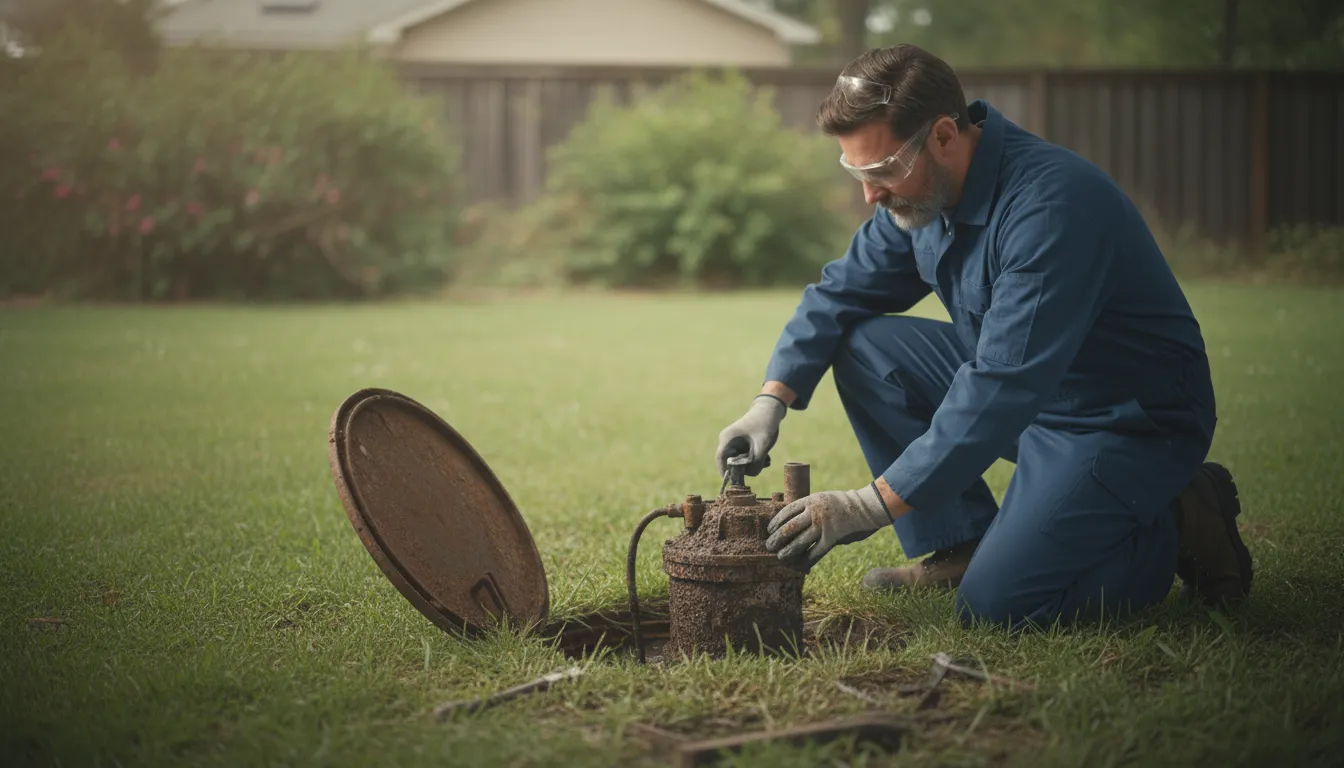
Find the Best Septic Pump Repair Companies for Your Business
No obligation • Fast responses • Nationwide coverage

Why you can trust Septic Spot
Septic Spot is a leading United States resource for understanding and comparing septic services. Our editors review providers using consistent criteria and verify key business details. Listings and scores are independent, and companies cannot pay to influence our content.
Search providers near you
Top Septic Pump Repair Companies in Pomona, California Ranked
Maintaining a functional septic system is crucial for any home not connected to a municipal sewer line. In Pomona, where soil conditions and system age can present unique challenges, understanding your options for septic pump repair and replacement is key to protecting your property and investment. This guide explains the local factors that influence septic system work, outlines the typical process and costs, and helps you identify what to look for when you need to find a qualified professional for service.
Understanding Your Septic System's Components
A septic system is more than just a tank; it's a complete wastewater treatment system on your property. The tank itself holds solid waste, while the liquid effluent flows out to a drain field (or leach field) for further filtration into the soil. A septic pump, or effluent pump, is a critical component in many systems, especially when gravity alone cannot move wastewater from the tank to the drain field. This is common in homes where the drain field is located uphill from the tank or in systems designed for challenging soil. When this pump fails or the system components degrade, timely repair or replacement becomes essential to prevent backups, environmental contamination, and costly property damage.
Why Pomona Presents Unique Septic Challenges
The cost and complexity of septic system work in Pomona are heavily influenced by local geography and regulations. Much of the area surrounding the city has heavy clay or rocky soil, which severely limits percolation-the soil's ability to absorb and filter water 1 2. This often necessitates larger drain fields, deeper excavation, or the installation of specialized pressure distribution systems or mound systems that rely on pumps. These advanced, or "engineered," systems are more complex and expensive to repair than standard gravity-fed systems found in areas with sandy, well-draining soil 3 4.
Other local factors include:
- System Type: Repairing a standard gravity system is generally simpler. Pump system repairs involve electrical components, control panels, and float switches, increasing both diagnostic complexity and cost.
- Lot Size and Access: Older, established neighborhoods in Pomona may have limited space for excavation equipment, making the repair process more labor-intensive and costly.
- Permitting: Major repairs or full replacements require permits from the local health department (Los Angeles County or San Bernardino County, depending on your location), which adds time and oversight to the project.
Common Septic Repairs and Their Costs in Pomona
Not every system failure requires a full replacement. Many issues can be resolved with targeted repairs. Here are some of the most common septic fixes for homeowners in the area:
- Septic Pump Repair or Replacement: This is a frequent need for systems with pumps. Repairing a pump or its associated wiring can cost a few hundred dollars, while a full pump replacement typically ranges from $800 to $2,500, depending on the pump's capacity and specifications.
- Baffle or Pipe Repairs: The inlet and outlet baffles inside the tank, or the pipes connecting your home to the tank, can crack or deteriorate. These are considered minor to moderate repairs, often costing between $150 and $1,000 5.
- Drain Field Restoration: When a drain field fails, it's a serious issue. Solutions can range from cleaning pipes ($1,000-$2,000) to partial replacement or installing a completely new leach field, which can cost $2,000 to $6,000 or more6 7.
- Tank Lid or Riser Repair: Broken or settling concrete lids pose a safety hazard. Installing new, secure lids or adding risers for easier future access is a common and relatively affordable repair.
Find the perfect septic pump repair companies for your needs
Get personalized recommendations and expert advice
When Repair Shifts to Replacement: Recognizing the Red Flags
While repairs are often sufficient, there are times when replacing part or all of your system is more economical and reliable in the long run. The age of your system is a major factor; most conventional septic tanks have a lifespan of 20-40 years. Consider replacement if you face:
- Recurring Drain Field Failures: If the soil in your leach field is permanently clogged (a condition called "biomat" buildup), repeated repairs are a temporary fix. A new drain field or an alternative system may be needed 8.
- Major Structural Damage: A cracked or collapsing septic tank cannot be effectively repaired and must be replaced to prevent soil cave-ins and groundwater contamination.
- System Is Undersized: If you've added bedrooms or bathrooms to your home, your original system may no longer meet the required capacity, leading to chronic problems.
- Persistent Sewage Backups: When backups and slow drains become constant despite pumping and repairs, it indicates a fundamental system failure.
The Cost of Septic System Replacement in Pomona
A full septic system replacement is a significant investment, largely due to excavation, new materials, and engineering requirements for Pomona's difficult soils. Costs for a complete conventional system replacement typically start around $7,000 and can easily exceed $15,000. For properties requiring an advanced engineered septic system-like a mound or pressure distribution system to cope with clay soil-costs can be even higher. These prices generally include:
- Permitting and soil testing
- Removal and disposal of the old tank
- Excavation for the new tank and drain field
- Installation of the new tank, plumbing, and pump (if needed)
- Backfilling and site restoration
The Professional Repair and Replacement Process
Working with a licensed professional ensures the job is done safely and complies with all county health regulations. A standard process for a major repair or replacement includes:
- Inspection & Diagnosis: The first step is often to pump the tank (costing $300-$600) for a clear inspection of the tank's interior, baffles, and the outlet to the drain field 9 10. Electronic locating equipment may be used to map the drain field lines.
- Permitting: For any work beyond a simple pump swap, your contractor will pull the necessary permits from the local health department, which will include a review of the system design and soil conditions.
- Excavation: Heavy equipment is used to carefully excavate the area around the tank and/or drain field. In tight spaces, this may require manual digging.
- Repair or Replacement Work: The faulty component-be it a pump, pipe, or section of the drain field-is repaired or replaced. For a full replacement, the new tank is set and connected.
- Testing and Backfill: The new system or repair is tested. Once approved, the area is backfilled, often with specific gravel or soil to aid drainage, and the landscape is restored as much as possible.
Maintaining Your System to Avoid Costly Repairs
The most effective way to manage the cost of septic ownership is through proactive maintenance. For a typical household, having the tank pumped and inspected every 3 to 5 years is recommended 11. This routine service prevents solids from overflowing into the drain field, which is the leading cause of field failure. Be mindful of what goes down your drains-avoid flushing chemicals, grease, and non-biodegradable items. Also, divert rainwater drainage from roofs and driveways away from your drain field to prevent saturation. A well-maintained system can last for decades, while neglect can lead to emergency failures requiring immediate and expensive intervention 11 12.
Frequently asked questions
Sources
Footnotes
-
7 Ways to Reduce the Cost for Septic System in California - https://www.lanikseptic.com/reduce-septic-system-costs-california/ ↩
-
Alternative Septic Solutions for Difficult Sites | Septic System Professionals - https://septic911.com/alternative-septic-solutions-for-difficult-sites/ ↩
-
Septic Tank Replacement Explained: Costs, Lifespan, And ... - https://www.theseptictankman.com/blog/septic-tank-replacement-explained-costs-lifespan-and-what-to-expect ↩
-
Comparing Septic System Types: Which One Fits Best for Rural Homes in Brown County and Beyond - https://gullettsanitation.com/2025/09/comparing-septic-system-types-which-one-fits-best-for-rural-homes-in-brown-county-and-beyond/ ↩
-
Common Septic Tank Repairs In California (& What They Cost) - https://cacciaplumbing.com/blog/common-septic-tank-repairs-in-california/ ↩
-
Get Septic Plumbing Installation in Pomona, CA - https://pomonaseptic.com/get-septic-plumbing-installation ↩
-
Get Drain Field Installation in Pomona, CA - https://pomonaseptic.com/get-drain-field-installation ↩
-
Understanding the Costs of Septic Tank Installation and Repair: A Guide for Homeowners - https://mathisandsonsseptic.com/mathis-sons-septic-blog-orlando-fl/understanding-the-costs-of-septic-tank-installation-and-repair/ ↩
-
Septic Repair vs. Replacement: A Guide to Costs & Red Flags - https://prosepticri.com/septic-repair-vs-replacement-guide/ ↩
-
Cost of Septic in Pomona, CA - https://pomonaseptic.com/cost-of-septic-in-pomona-ca ↩
-
Maintaining your Septic System A Guide for Homeowners - https://www.ihs.gov/california/tasks/sites/default/assets/File/SFC-MaintainingYourSepticSystemGuide.pdf ↩ ↩2
-
Septic Repair vs. Replacement: What's Best for Your System - https://www.townesseptic.com/blog/septic-repair-vs-replacement ↩