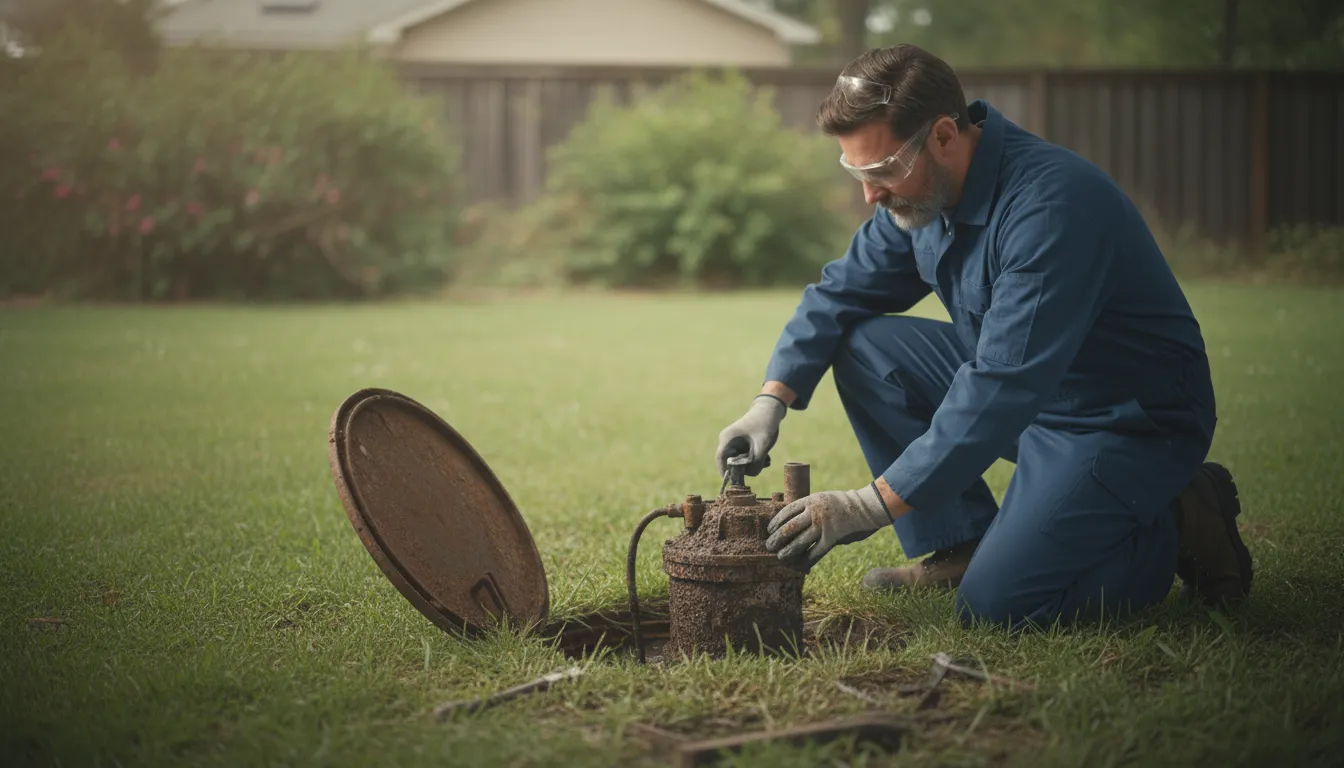
Find the Best Septic Pump Repair Companies for Your Business
No obligation • Fast responses • Nationwide coverage

Why you can trust Septic Spot
Septic Spot is a leading United States resource for understanding and comparing septic services. Our editors review providers using consistent criteria and verify key business details. Listings and scores are independent, and companies cannot pay to influence our content.
Search providers near you
Top Septic Pump Repair Companies in San Francisco, California Ranked
Maintaining a functional septic system is a critical responsibility for homeowners not connected to the municipal sewer. When your septic pump fails or your system shows signs of significant distress, timely repair or replacement is essential to prevent backups, property damage, and environmental contamination. This guide explains the key considerations for septic pump and system work in San Francisco, helping you understand the local factors, processes, and costs involved so you can make informed decisions about your property's wastewater management.
Understanding Your San Francisco Septic System
A septic system is a private, on-site wastewater treatment structure. In a typical system, waste flows from your home into a septic tank, where solids settle. The liquid effluent then exits the tank into a drain field (or leach field), where it percolates through the soil for final treatment. In many parts of San Francisco and the surrounding Bay Area, however, gravity-fed systems are not always feasible due to the challenging landscape. This is where septic pumps become vital. A pump system, often in a separate pump tank, actively moves effluent uphill to a drain field located at a higher elevation than the tank 1.
The health of your entire wastewater treatment system hinges on the proper function of these mechanical and biological components. Recognizing the signs of trouble early can mean the difference between a relatively simple repair and a costly, full-system replacement.
Why San Francisco Presents Unique Challenges
The local geography and regulations significantly influence septic system design, performance, and repair needs. Several key factors make system maintenance here distinct:
- Hilly Terrain: San Francisco's famous slopes often necessitate pressurized systems with pumps. Pump failure in these setups is a primary concern, as it can cause immediate system backups.
- Soil Conditions: Soil percolation rates are crucial. While some areas have sandy soils that allow for good absorption, others feature heavy clay or rocky substrates common in the Bay Area. Poor-draining soils may require advanced, pump-based systems like mound systems or aerobic treatment units (ATUs), which are more complex and expensive to repair 2.
- Strict Environmental Regulations: California and local San Francisco Bay Area regulations are stringent to protect groundwater and the sensitive coastal ecosystem. Virtually any significant repair or replacement will require permits and must be performed by licensed professionals to ensure compliance, which can affect project timelines and costs.
Common Septic System Repairs and Their Costs
Not every system problem requires a full overhaul. Here are the most frequent issues that require professional septic system repair in the region, along with typical cost ranges. These figures are estimates; always get detailed quotes from local specialists.
- Septic Pump or Control Component Replacement: This is one of the most common repairs for pressurized systems. The pump itself or its float switches and control panels can fail. Cost: $800 - $5,000.
- Baffle or Effluent Filter Repair: The baffles in your tank or the effluent filter prevent solids from escaping into the drain field. If damaged or clogged, they need servicing. Cost: $300 - $1,200.
- Lateral Line or Drain Field Repair: Repairing a single clogged or broken pipe in the leach field is possible if the rest of the field is healthy. Cost: $1,250 - $4,250.
- Septic Tank Repair/Replacement: Cracks, leaks, or structural failure in the tank itself may require patching or full replacement. Cost for Replacement: $9,500 - $15,000 3 4.
Find the perfect septic pump repair companies for your needs
Get personalized recommendations and expert advice
When Repair Shifts to Replacement
Understanding when to repair versus replace is crucial for long-term cost-effectiveness. Repair is usually the first option, but replacement becomes necessary when:
- The drain field has completely failed, evidenced by persistent soggy ground, sewage odors, and backups even after pumping the tank.
- The septic tank is structurally compromised (e.g., severe cracking or collapse).
- The system is old, undersized for your current household, or non-compliant with current codes.
- Multiple major components fail simultaneously, making repeated repairs more expensive than a new system.
A full septic system replacement is a major undertaking. In San Francisco, costs vary dramatically based on system type, soil conditions, and site accessibility.
- Traditional Gravity System Replacement: $10,000 - $20,000+
- Advanced System (ATU, Mound) Replacement: $15,000 - $40,000+ 5 6
These projects involve new tanks, leach fields, pumps, and extensive excavation, plus permitting and design by a licensed engineer.
The Professional Repair and Replacement Process
Working with a licensed Bay Area septic service professional ensures the job is done correctly and legally. The typical process includes:
- Inspection and Diagnosis: A professional will perform a thorough inspection, often using cameras, to locate the source of the problem. This service typically costs $200-$600 and is essential for an accurate assessment 7 8 9.
- Permitting and Design: For replacements and major repairs, your contractor will handle securing the necessary municipal permits. A new system may require a site evaluation and design by a qualified soil engineer.
- Execution of Work: This phase involves the physical repair or replacement-excavation, component installation, and connection.
- Final Inspection and Compliance: Once work is complete, a final inspection (often by a county official) is usually required to close the permit and ensure the system meets all health and environmental standards.
Maintaining Your System to Avoid Major Repairs
Proactive maintenance is the most cost-effective strategy. Key practices include:
- Regular Pumping: Have your septic tank pumped every 3-5 years by a qualified service to prevent solids from overflowing into the drain field 10.
- Conserve Water: Reduce strain on your system by fixing leaks and spreading out laundry loads.
- Mind Your Drain Field: Never drive or park vehicles over the drain field or tank area. Keep roof drains and sump pumps directed away from it.
- Be Careful What You Flush: Only human waste and toilet paper should go down the drain. Avoid chemicals, grease, wipes, and feminine hygiene products.
Choosing a Service Provider in San Francisco
Selecting the right contractor is paramount. Look for a company with:
- Proper Licensing: Ensure they are licensed for septic system work in California and familiar with San Francisco/Bay Area regulations.
- Local Experience: Choose a provider with a proven track record in the area who understands local soil and topographic challenges.
- Comprehensive Services: Opt for a company that offers inspection, repair, replacement, and maintenance.
- Transparent Communication: They should provide clear explanations, detailed written estimates, and guide you through the permitting process.
By understanding the unique demands of your property and partnering with a knowledgeable local expert, you can ensure your septic system operates reliably for years to come.
Frequently asked questions
Sources
Footnotes
-
Septic Systems Explained: Your Guide by Van Delden in 2025 - https://www.vdwws.com/blog/how-septic-works-ultimate-guide ↩
-
How Much Does Septic Tank Repair Cost? [2026 Data] | Angi - https://www.angi.com/articles/how-much-does-repairing-septic-tank-cost.htm ↩
-
Common Septic Tank Repairs In California (& What They Cost) - https://cacciaplumbing.com/blog/common-septic-tank-repairs-in-california/ ↩
-
Septic Tank Replacement Explained: Costs, Lifespan, And What To ... - https://www.theseptictankman.com/blog/septic-tank-replacement-explained-costs-lifespan-and-what-to-expect ↩
-
How Much Does Septic System Repair Really Cost in California - https://www.lanikseptic.com/septic-repair-cost/ ↩
-
Understanding the Costs of Septic Tank Installation and Repair - https://mathisandsonsseptic.com/mathis-sons-septic-blog-orlando-fl/understanding-the-costs-of-septic-tank-installation-and-repair/ ↩
-
Get Wastewater System Repair in San Francisco, CA - https://sanfranciscosepticservice.com/get-wastewater-system-repair ↩
-
Septic Repair vs. Replacement: A Guide to Costs & Red Flags - https://prosepticri.com/septic-repair-vs-replacement-guide/ ↩
-
Septic Repair vs. Replacement: How to Decide What's Best for Your System - https://www.townesseptic.com/blog/septic-repair-vs-replacement ↩
-
Septic System Repairs and Drainage Solutions in Coastal California - https://www.eurekaearthworks.com/blog/blog-post-title-four-bg4ky-bg9ey-a5nsl-mjzmn-bn57m ↩