Find the Best Septic Pump Repair Companies for Your Business
No obligation • Fast responses • Nationwide coverage

Why you can trust Septic Spot
Septic Spot is a leading United States resource for understanding and comparing septic services. Our editors review providers using consistent criteria and verify key business details. Listings and scores are independent, and companies cannot pay to influence our content.
Search providers near you
Top Septic Pump Repair Companies in Thousand Oaks, California Ranked
Maintaining a functional septic system is crucial for the health, safety, and property value of your Thousand Oaks home. When a pump fails or components wear out, it can lead to unpleasant backups, environmental hazards, and costly damage. This guide focuses on septic pump repair and replacement, a critical service for homes with aerobic treatment units or systems that require effluent pumping. Understanding your options, the local factors at play, and the typical process can help you make informed decisions and connect with qualified professionals in the Conejo Valley to address your system's needs.
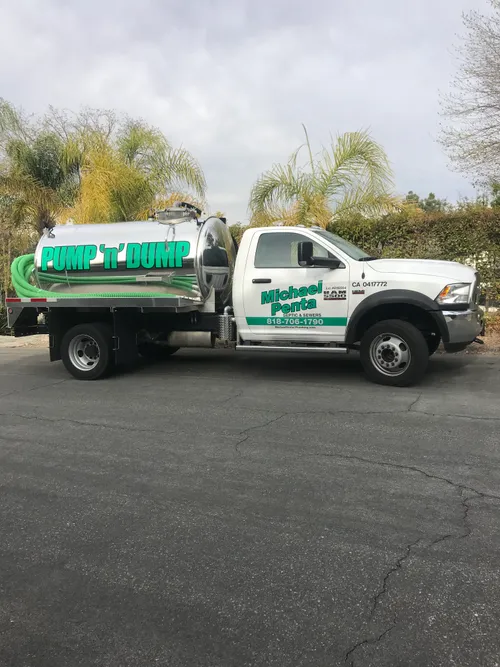
Michael Penta Septic Tank Pumping
Los Angeles, CA
Michael Penta Septic Tank Pumping provides a range of septic services in Los Angeles, CA, including septic tank pumping, installation, inspection, and repair. The company also handles drain field repairs, sewage ejection pump services, and sewer line replacements. Their expertise includes advanced capabilities such as camera inspections for leaks and cracks, soil analysis for leach line repair, and installation of micro septic systems that treat wastewater to a higher quality. They ensure compliance with local regulations and offer comprehensive maintenance to extend the life of septic systems.
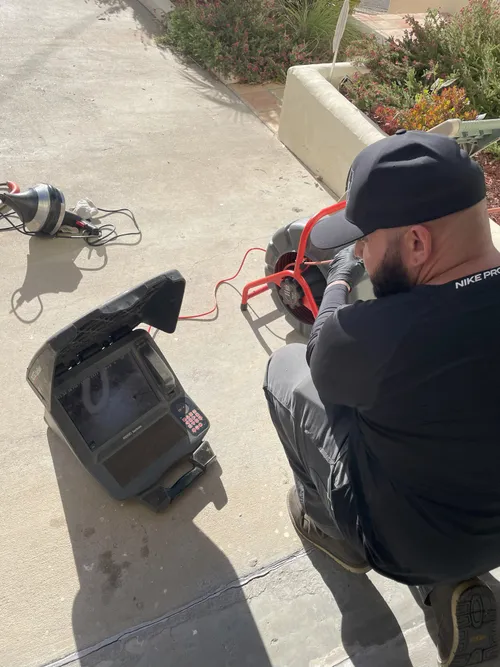
Conejo Bros Plumbing
1386 Del Verde Ct, Thousand Oaks, CA 91320
Conejo Bros Plumbing is a septic tank and plumbing service provider based in Oxnard, CA. They offer a wide range of services including septic tank inspection, pumping, repair, and replacement, as well as sewer mainline inspection and trenchless sewer and drain repair. Their capabilities include advanced trenchless pipe relining techniques that allow for pipe repairs without extensive digging, preserving property landscapes. Serving both residential and commercial clients throughout Ventura County and Conejo Valley, Conejo Bros Plumbing also provides 24/7 support for clearing blockages and other urgent plumbing needs.
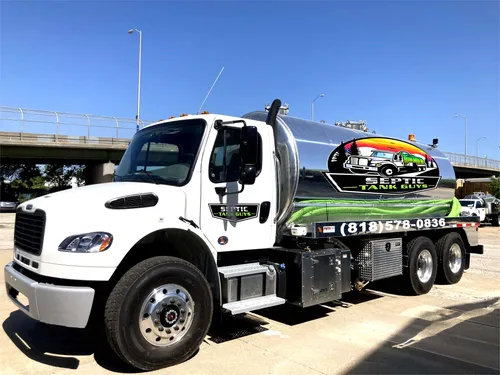
Septic Tank Pumping Guys
6360 Van Nuys Blvd ste 113, Van Nuys, CA 91401
Septic Tank Pumping Guys provides a full range of septic services in Los Angeles, CA, including pumping, inspections, repairs, and installations for residential and commercial properties. They offer 24/7 emergency septic services and specialize in maintaining system health through regular pump-outs, cleaning, and drain field repairs. Their capabilities include septic tank installation, effluent filter replacement, and grease trap pumping. The company is family owned and operated, serving multiple communities within Los Angeles County.
Understanding Your Septic System's Pump
Not all septic systems use a pump. Conventional gravity-fed systems rely on slope to move effluent from the tank to the drainfield. However, many homes in Thousand Oaks, especially those with challenging soil conditions or where the drainfield is uphill from the tank, utilize a pump system. This typically involves a submersible effluent pump housed in a separate chamber or directly in the septic tank. Its job is to push treated wastewater (effluent) to the drainfield at scheduled intervals. When this pump or its associated electrical controls fail, the entire wastewater treatment process halts 1.
Common Signs of Pump Failure
Recognizing early warning signs can prevent a full system backup. Be alert for:
- Unusual noises from the tank or pump chamber, like humming, grinding, or clicking.
- Alarms sounding from your aerobic system control panel or pump float switch.
- Slow drains or gurgling sounds in household toilets and sinks.
- Sewage odors near the tank or drainfield area.
- Wet, soggy spots or unusually lush grass over the tank or drainfield, indicating an overflow.
- Complete wastewater backup into the lowest drains in your home.
Key Factors Influencing Repair and Replacement in Thousand Oaks
Local environmental and geological conditions significantly impact the complexity and cost of septic work. Professionals in Thousand Oaks must navigate these specific challenges.
Soil Composition: The Clay Challenge
A primary factor for septic systems in our region is the prevalence of high-clay soil with slow percolation rates. Clay soil absorbs water very slowly, which means effluent does not drain efficiently from a standard drainfield. This often necessitates:
- Larger drainfields to increase absorption area.
- Specialized systems like mound systems or aerobic treatment units (ATUs), which pre-treat effluent more thoroughly before it reaches the soil.
- More frequent maintenance and potential repairs, as the drainfield can become saturated and fail more easily 2 3.
Topography and Access
The varied terrain in and around Thousand Oaks can include slopes and rocky outcrops. Steep slopes require careful engineering to prevent effluent runoff and may need pressurized dosing systems with pumps. Rocky soil increases excavation difficulty and cost when technicians need to access the tank, pump chamber, or install new drainfield lines 4.
System Type and Age
- Aerobic Treatment Units (ATUs): Common in areas with poor soil, these complex systems use electric pumps and aerators. Repairs often involve these electrical components and can be more costly than repairs to a conventional system 5.
- System Age: A system over 20-30 years old is nearing the end of its functional lifespan. While a single component like a pump can be repaired, repeated failures often signal that a full septic system replacement is more economical in the long run.
The Professional Repair and Replacement Process
Engaging a licensed professional ensures the work meets Ventura County and California environmental standards. The process typically follows these steps 6:
- Site Evaluation & Inspection: The first step is a thorough diagnostic. This includes locating the tank and components, pumping out the tank to inspect for cracks or baffle damage, and checking the pump, electrical controls, and drainfield absorption. This diagnosis determines whether a repair or replacement is necessary.
- Permitting & Planning: For any major repair or replacement, a permit from the local environmental health department is required. Your contractor will handle this, submitting system designs and plans that comply with strict local regulations.
- Excavation: Heavy equipment is used to carefully excavate and access the septic tank, pump chamber, or drainfield lines. In rocky areas, this step can be particularly labor-intensive.
- Repair or Replacement Work:
- Repair: May involve replacing a submersible pump or float switch, repairing broken inlet/outlet baffles, fixing cracked pipes, or clearing a clogged distribution box.
- Replacement: Could mean installing a new pump chamber, replacing a failed drainfield (leach field), or a complete septic system installation of both tank and field.
- Final Testing & Inspection: Once work is complete, the system is tested for proper flow and function. A final inspection by the local authority may be required to close the permit and ensure the system is safe and operational.
Find the perfect septic pump repair companies for your needs
Get personalized recommendations and expert advice
Repair vs. Replacement: Making the Right Choice
This is a critical financial and practical decision for homeowners. Here's a general guideline to help frame your discussion with a professional:
Opt for Repair When:
- The septic system is relatively new (under 15-20 years old).
- The problem is isolated to one component, such as a failed pump motor or a single clogged line.
- A recent inspection confirms the tank structure is sound and the drainfield is percolating well.
- The cost of repair is significantly less than replacement and comes with a reasonable warranty.
Consider Full System Replacement When:
- The system is over 20-30 years old and experiencing frequent failures.
- The drainfield has completely failed, evidenced by persistent surfacing effluent and soggy ground.
- The septic tank is structurally compromised (cracked, collapsing).
- You are planning a major home expansion that will increase wastewater load beyond the existing system's capacity.
- While the upfront cost is higher, replacement provides a long-term solution with modern, efficient technology and renewed peace of mind 7 8.
Cost Considerations for Thousand Oaks Homeowners
Costs for septic service can vary widely based on the factors discussed above. The following ranges reflect typical costs for the region, but always get detailed, written estimates for your specific situation 9 10.
- Routine Inspection & Pumping: $200 - $1,000. The foundation of all maintenance and a prerequisite for diagnosis.
- Pump or Control Panel Replacement: $800 - $5,000. Depends on pump horsepower, brand, and accessibility.
- Baffle or Riser Repair: $150 - $1,200. Essential for preventing scum and solids from clogging the outlet.
- Drainfield Repairs: $3,000 - $15,000+. For replacing sections of failed leach lines or repairing a distribution box.
- Complete System Replacement: $10,000 - $40,000+. This is a major project including new tank, drainfield, pumps (if needed), excavation, engineering, and permits. High-end costs apply to complex systems for difficult sites or large homes 11 12 13 14.
Investing in timely repairs or a well-executed replacement protects your property, your family's health, and the local environment. By understanding the process and local challenges, you can effectively evaluate service providers and ensure your Thousand Oaks home's wastewater system operates reliably for years to come.
Frequently asked questions
Sources
Footnotes
-
Septic Pumps: Optimizing Your Septic System - https://eddypump.com/blog/septic-pumps/ ↩
-
Residential Septic Tank Pricing | Homeowner's Guide to Costs - https://www.ntotank.com/blog/residential-septic-tank-pricing ↩
-
Septic System Cost Guide: Prices, Factors & Savings - https://landperc.com/septic-system-cost-estimate/ ↩
-
Understanding the Costs of Septic Tank Installation and Repair - https://mathisandsonsseptic.com/mathis-sons-septic-blog-orlando-fl/understanding-the-costs-of-septic-tank-installation-and-repair/ ↩
-
The SoCal Guide to Septic Tank Installation - https://www.lanikseptic.com/socal-guide-septic-tank-installation/ ↩
-
New Homebuyer's Guide to Septic Systems - EPA - https://www.epa.gov/sites/default/files/2017-08/documents/170803-homebuyerssepticguide_508c.pdf ↩
-
Septic Repair vs. Replacement: What's Best for Your System - https://www.townesseptic.com/blog/septic-repair-vs-replacement ↩
-
Repair or Replace? How to Make the Best Choice for Your Septic System - https://qualitysepticincorporated.com/repair-or-replace-how-to-make-the-best-choice/ ↩
-
Common Septic Tank Repairs In California (& What They Cost) - https://cacciaplumbing.com/blog/common-septic-tank-repairs-in-california/ ↩
-
How Much Does Septic Tank Repair Cost? [2026 Data] | Angi - https://www.angi.com/articles/how-much-does-repairing-septic-tank-cost.htm ↩
-
Septic Repair vs. Replacement: A Guide to Costs & Red Flags - https://prosepticri.com/septic-repair-vs-replacement-guide/ ↩
-
How Much Does a Septic System & Septic Tank Cost - NexGen Septics - https://www.nexgenseptics.com/septic-system-cost/ ↩
-
Septic Tank Installation in Thousand Oaks, CA - https://thousandoaksplumbing.com/drains-sewer/septic-tank-installation/ ↩
-
Septic Tank Replacement and Drain Field Cost in California - https://www.lanikseptic.com/how-much-does-it-cost-to-replace-a-septic-tank-and-drain-field-in-california/ ↩