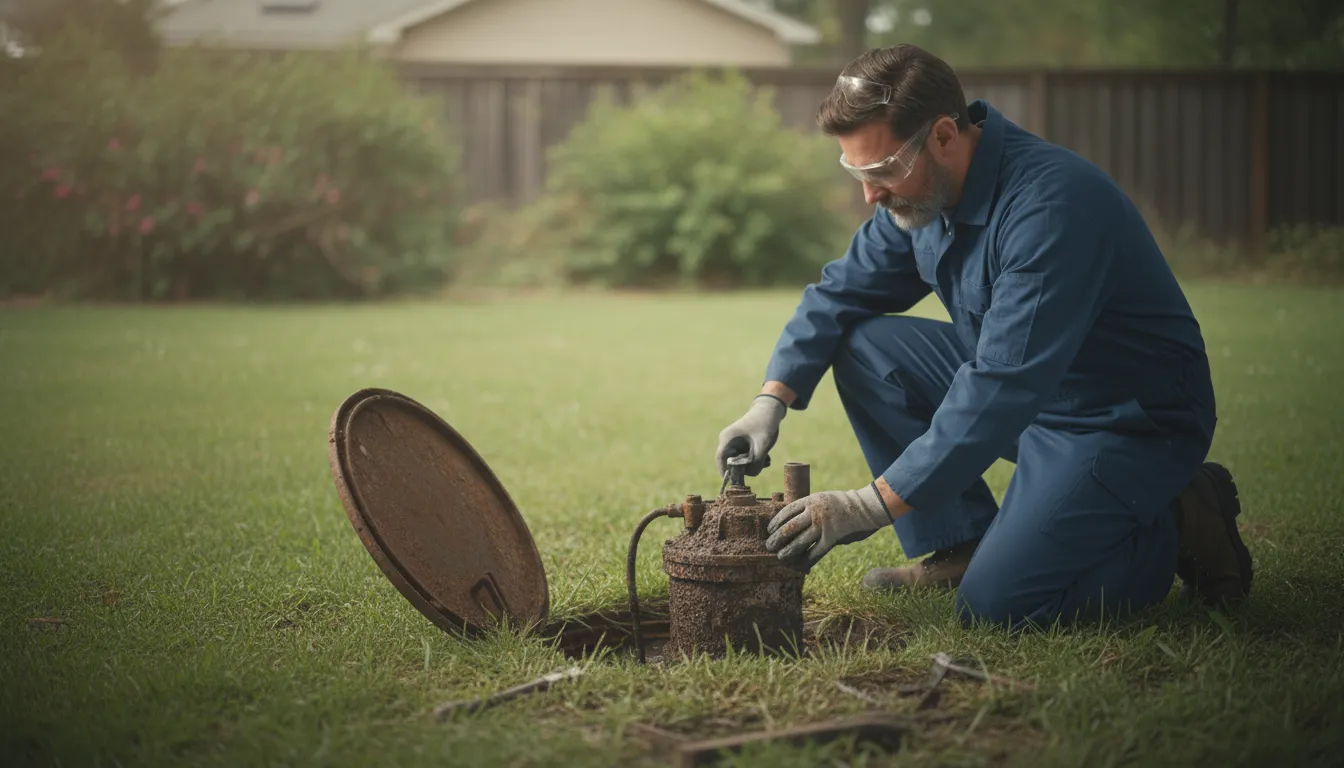
Find the Best Septic Pump Repair Companies for Your Business
No obligation • Fast responses • Nationwide coverage

Why you can trust Septic Spot
Septic Spot is a leading United States resource for understanding and comparing septic services. Our editors review providers using consistent criteria and verify key business details. Listings and scores are independent, and companies cannot pay to influence our content.
Search providers near you
Top Septic Pump Repair Companies in Tustin, California Ranked
Maintaining a functional septic system is crucial for the health, safety, and value of your Tustin home. When your septic pump fails or your system shows signs of distress, timely and professional intervention is essential to prevent backups, environmental contamination, and costly property damage. This guide provides a detailed overview of septic pump repair and full system replacement, tailored to the specific conditions and regulations in Tustin and Orange County. Our goal is to help you understand your options, the associated processes, and how to connect with qualified local specialists who can assess and resolve your septic issues effectively.

Rightway Septic Tank Pumping
653 W Minthorn St, Lake Elsinore, CA 92530
Rightway Septic Tank Pumping is a family-owned septic service provider based in Lake Elsinore, serving the Inland Empire area including Los Angeles, CA. They offer a range of services such as septic tank pumping, repairs, installations, wastewater treatment maintenance, seepage pit drilling, and septic system locating for both residential and commercial properties. With over 75 years of experience, Rightway is C-42 certified, ensuring compliance with industry standards and regulations. Their capabilities include septic tank pumping and maintenance using advanced equipment and techniques to maintain system efficiency.

Zoom Drain Los Angeles
1815 W 205th St #209, Torrance, CA 90501
Zoom Drain Los Angeles provides septic pump repair and replacement services along with comprehensive drain and sewer solutions in Los Angeles, CA. They serve residential and commercial clients, offering drain cleaning, pump repairs, sewer inspections, and specialized maintenance plans tailored to local needs. The company is equipped with advanced tools and skilled technicians to handle a variety of plumbing challenges efficiently. Zoom Drain is known for its flat-rate pricing and certified professionals. They also offer 24/7 emergency service, ensuring assistance is available whenever needed.
AAP ALL AMERICAN PLUMBING HOME SERVICES
6711 Studio Pl, Riverside, CA 92509
AAP ALL AMERICAN PLUMBING HOME SERVICES is a plumbing and septic service provider based in Riverside, CA. They offer a wide range of services including septic tank pumping, septic system repair, and septic pump replacement. The company also provides commercial plumbing services with 24/7 availability for high-volume businesses. Their capabilities include hydro jetting, trenchless sewer repairs, and slab leak detection and repair. With over two decades of experience working with homeowners associations and property managers across Southern California, they bring extensive knowledge and resources to their work.
Understanding Your Tustin Septic System
Most homes in Tustin that are not connected to a municipal sewer line rely on an onsite wastewater treatment system, commonly known as a septic system. A typical system includes a septic tank, where solids settle and begin to decompose, and a drain field (or leach field), where treated liquid effluent is dispersed into the soil. In many properties, especially those with challenging topography or soil conditions, a septic pump (or effluent pump) is a critical component. This pump moves effluent from the tank to the drain field, ensuring even distribution and proper system function. Understanding whether you have a gravity-fed system or a pumped (dosing) system is the first step in diagnosing any problems.
The Role of Soil and Local Regulations
The feasibility and design of septic repairs or replacements in Tustin are heavily influenced by two key factors: local soil composition and Orange County health codes.
- Soil Types: The soil in and around Tustin can vary. While some areas may have sandy soils that allow for good percolation (drainage), others may have dense clay soils. Clay soils absorb water very slowly, which can lead to drain field failure and system backups. When repairs or a new installation are necessary in clay-heavy areas, specialized systems like mound systems or other engineered treatment systems are often required to ensure proper wastewater treatment.
- Orange County Regulations: All significant septic work, especially full replacements, must comply with strict regulations from the Orange County Health Care Agency 1. These codes are designed to protect groundwater and public health. They often mandate that any major repair or replacement must upgrade the system to current standards, which may include installing advanced treatment components, water-efficient fixtures, or pumps to improve performance and environmental safety2 3. Pulling the proper permits is a non-negotiable step in the process.
Common Septic Pump and System Issues
Recognizing the signs of a failing pump or system can help you act before a minor issue becomes a major emergency. Here are some common problems homeowners face:
- Septic Pump Failure: The most direct issue. Symptoms include alarms sounding, drains backing up only when the pump should be running, or soggy ground around the tank but not the drain field. Pumps can fail due to electrical issues, clogging from debris, or simple wear and tear.
- Drain Field Failure: This is a more serious problem often indicated by persistently soggy or foul-smelling yards, slow drains throughout the house, or sewage backing up into home fixtures. Failure can be caused by a clogged pump, but also by soil saturation, root intrusion, or a collapsed pipe.
- Tank Structural Damage: Cracks in the concrete tank or a damaged baffle (the inlet/outlet divider) can allow solids to escape into the drain field, causing rapid clogging and failure.
- Pipe and Lateral Line Problems: Roots, ground shifting, or corrosion can break or block the pipes connecting your home to the tank or the tank to the drain field.
Repair vs. Replacement: Making the Right Choice
When faced with a septic system problem, a key decision is whether to repair the existing components or invest in a full system replacement. Professional assessment is vital, but here are general guidelines.
When Repair is the Best Option
Repair is typically recommended when the problem is isolated, the core system (tank and drain field) is sound, and the fix will restore full function for years to come.
- Broken or Clogged Pump: Replacing a failed effluent pump is a common and straightforward repair.
- Faulty Float Switches or Control Panel: The electrical components that tell the pump when to turn on/off can be replaced.
- Damaged Tank Lid or Riser: Replacing cracked or unsafe access points is a critical safety repair.
- Clogged Inlet/Outlet Baffle or Filter: Cleaning or replacing these components can restore proper flow.
- Localized Pipe Repair: Fixing a single broken section of pipe between the house and tank.
When Replacement is Necessary
A full system replacement is a major project but is unavoidable in certain scenarios to protect your property and comply with law.
- Cracked or Collapsed Septic Tank: Structural failure of the tank itself cannot be reliably repaired.
- Completely Failed Drain Field: If the soil in the leach field is permanently saturated and cannot percolate, it must be replaced, often in a new location.
- System is Obsolete or Non-Compliant: Older systems may not meet current health codes and may need to be replaced during a major repair.
- Cost of Repairs Exceeds 50% of New System Value: If multiple components are failing, investing in a new, warrantied system is often more economical long-term4 5.
The Professional Process: From Diagnosis to Completion
Hiring a licensed septic professional in Tustin ensures the job is done safely, correctly, and legally. Here's what you can expect during a typical repair or replacement project 6 7 8:
- Inspection and Diagnosis: A technician will inspect the tank, pump, drain field, and associated components. They may use cameras to inspect pipes and conduct soil tests to determine the extent of the failure and the best course of action.
- Permitting: For all but the most minor repairs, your contractor will pull the required permits from Orange County. This step includes submitting a site plan and system design for approval.
- Excavation: The crew will carefully excavate to access the septic tank, pump chamber, and any problematic piping. For pump repairs, this is targeted. For full replacements, it is extensive.
- Implementation:
- For a Pump Repair/Replacement: The old pump is removed, the chamber is cleaned, and a new pump and floats are installed. Often, a new riser is added for easy future access.
- For a Full Replacement: The old tank and drain field are properly decommissioned. A new tank (often larger and with modern features) is installed, and a new drain field is constructed based on approved engineering plans. This almost always includes a new pump in a dosing system.
- Testing and Backfill: Once installed, the new pump and system are tested for proper operation, flow, and alarm function. After passing inspection, the equipment is carefully backfilled.
Find the perfect septic pump repair companies for your needs
Get personalized recommendations and expert advice
Cost Guide for Septic Services in Tustin
Costs for septic work in California can vary widely based on system size, soil conditions, and the scope of work. The figures below, drawn from regional data, provide a general framework for budgeting in the Tustin area 9 10.
- Septic Pump Repair or Replacement: $300 - $1,000. This covers replacing a standard effluent pump. High-head or grinder pumps cost more.
- Pump Control Panel or Alarm Repair: $800 - $5,000. Complex electrical diagnostics and replacements, especially for advanced systems, can be costly.
- Baffle or Effluent Filter Replacement: $200 - $900.
- Pipe or Lateral Line Repair: $500 - $4,000. Depends on excavation depth and length of pipe needing repair.
- Septic Tank Replacement (Only): $3,000 - $15,000. Influenced by tank material (concrete, plastic) and size.
- Full Septic System Replacement: $8,000 - $22,000+. This is the major investment for a complete new tank and drain field. Engineered systems for difficult soils (mounds, aerobic treatment units) are at the higher end of this range and can exceed it11 12.
Note: Always get multiple detailed, written estimates from licensed contractors. The cheapest bid is not always the best value, especially when considering long-term reliability and compliance.
Maintaining Your System Post-Repair
After investing in a repair or replacement, proper maintenance is key to protecting that investment and avoiding future problems.
- Regular Pumping: Have the septic tank pumped every 3-5 years by a professional to remove solids and prevent drain field clogging.
- Conserve Water: Spread out laundry loads, fix leaks, and use water-efficient fixtures to avoid overwhelming the system.
- Mind What You Flush: Only human waste and toilet paper should go down the drain. Avoid grease, chemicals, wipes (even "flushable" ones), and feminine hygiene products.
- Protect the Drain Field: Never drive or park heavy vehicles over it, and plant only grass over the area to prevent root damage.
Frequently asked questions
Sources
Footnotes
-
California Septic Tank Requirements | Onsite Wastewater Treatment ... - https://www.ntotank.com/blog/california-septic-tank-requirements ↩
-
7 Ways to Reduce the Cost for Septic System in California - https://www.lanikseptic.com/reduce-septic-system-costs-california/ ↩
-
Engineered Septic System Design: A Complete Guide - https://landperc.com/engineered-septic-system-design/ ↩
-
Septic Repair vs. Replacement: How to Decide What's Best for Your System - https://www.townesseptic.com/blog/septic-repair-vs-replacement ↩
-
Drain Field Repair vs. Replacement | How to Choose the Right Solution - https://www.wrenvironmental.com/blog/2025/august/drain-field-repair-vs-replacement-how-to-know-th/ ↩
-
Septic Repair vs. Replacement: A Guide to Costs & Red Flags - https://prosepticri.com/septic-repair-vs-replacement-guide/ ↩
-
Repairing Septic Systems: A Detailed Manual - https://ky-pd.com/blog/fixing-septic-system/ ↩
-
Maintaining your Septic System A Guide for Homeowners - https://www.ihs.gov/california/tasks/sites/default/assets/File/SFC-MaintainingYourSepticSystemGuide.pdf ↩
-
How Much Does Septic Tank Repair Cost? [2026 Data] | Angi - https://www.angi.com/articles/how-much-does-repairing-septic-tank-cost.htm ↩
-
Common Septic Tank Repairs In California (& What They Cost) - https://cacciaplumbing.com/blog/common-septic-tank-repairs-in-california/ ↩
-
How Much Does Septic System Repair Really Cost in California - https://www.lanikseptic.com/septic-repair-cost/ ↩
-
Understanding the Costs of Septic Tank Installation and Repair - https://mathisandsonsseptic.com/mathis-sons-septic-blog-orlando-fl/understanding-the-costs-of-septic-tank-installation-and-repair/ ↩