Find the Best Septic Pump Repair Companies for Your Business
No obligation • Fast responses • Nationwide coverage

Why you can trust Septic Spot
Septic Spot is a leading United States resource for understanding and comparing septic services. Our editors review providers using consistent criteria and verify key business details. Listings and scores are independent, and companies cannot pay to influence our content.
Search providers near you
Best Septic Pump Repair Companies in Colorado Ranked
A failing septic pump can quickly lead to sewage backups, unpleasant odors, and environmental contamination. In Colorado, where regulations are strict and soil conditions vary, addressing pump issues promptly with a licensed professional is essential. This guide explains the repair and replacement process, Colorado's specific rules, and how to find qualified local specialists to ensure your wastewater system functions safely and reliably.
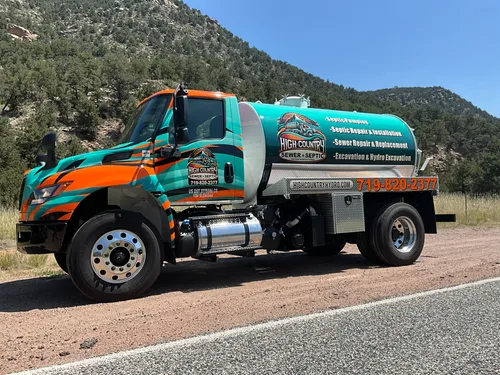
High Country Sewer & Septic
1895 Main St, Colorado Springs, CO 80911
High Country Sewer & Septic is a family-owned business serving Colorado Springs, CO, and the surrounding Front Range area. They offer comprehensive septic services including tank pumping, inspections, installations, repairs, and drain field restoration. The company manages all aspects of septic system care, from permits and inspections to excavation and settling checks, ensuring a streamlined process without the need for multiple contractors. With over 14 years of experience, they understand the unique challenges posed by local soil and elevation conditions. Their work is backed by five-year warranties and $2 million in insurance coverage. Same-day estimates and owner involvement on every project provide added assurance. They also offer after-hours communication to support emergency needs.

Septic Remedy LLC
388 Spruce Lake Dr, Divide, CO 80814
Septic Remedy LLC is a locally owned septic service company based in Colorado Springs, CO. They provide a range of septic services including inspections, repairs, installations, septic tank locating, pipe jettering, and pump repairs. The company serves El Paso, Teller, Douglas, and Park counties, offering certified septic system inspections and installations tailored to the Colorado environment. Septic Remedy is NAWT certified and emphasizes thorough inspections and effective septic system maintenance. They have built a reputation as a preferred choice for realtors and homeowners, with a focus on educating customers to prevent costly repairs. The company operates six days a week and is available for urgent septic repairs when needed.
Colorado Septic
80 Big Springs Dr #304, Nederland, CO 80466
Colorado Septic is a septic tank pumping, inspection, and repair company serving Denver, CO. They provide comprehensive onsite wastewater treatment system services, including pumping, cleaning, inspecting, and repairing septic tanks and drain fields. Their capabilities include using sewer cameras to locate blockages and employing hydro-jetting and drain rooter machines to clear obstructions. Colorado Septic focuses on identifying problems early to prevent further damage and ensure timely service completion.

Steven Barnes Dba Front Range Excavation
4411 Rist Canyon Rd, Laporte, CO 80535
Steven Barnes Dba Front Range Excavation is a family-owned excavation company serving Fort Collins, CO, and nearby areas including Laporte, Bellvue, Wellington, and Loveland. They provide a range of services such as septic system repair and installation, septic excavation, water line repairs, and site development for residential and commercial properties. Founded in 1978, the company brings over 50 years of experience and offers 24-hour emergency services. Their expertise includes handling complex septic tank replacements and constructing new leach fields when needed.
Murray Excavating, Inc.
Colorado Springs, CO
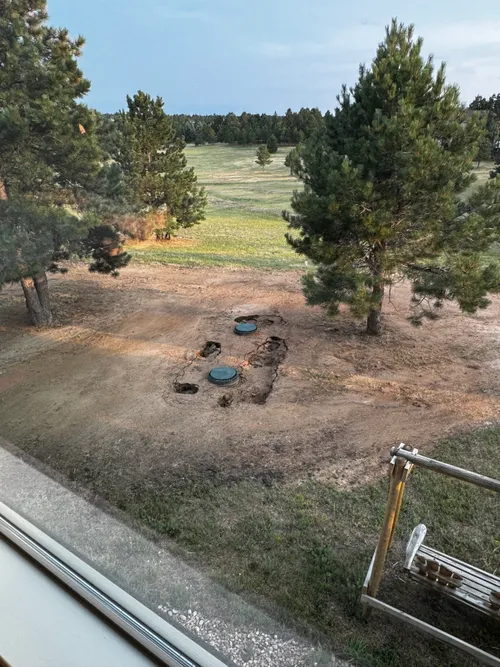
Murray Excavating, Inc. is a septic system installation and repair company serving Colorado Springs, CO, and El Paso County. They specialize in septic system replacement, installation, and repair, including drain field and septic pump services. The company handles site preparation, grading, plumbing, electrical work, and backfilling to ensure complete septic system functionality. With over 20 years of experience, Murray Excavating is known for its knowledge of health department codes and strong relationships with local authorities. They operate as an owner-run business focused on quality work and customer satisfaction.
Understanding Your Septic System's Pump
Not all Colorado septic systems have a pump. The type of system installed on your property determines whether a pump is a central component.
- Gravity-Fed Systems: These conventional systems rely on gravity to move effluent from the tank to the drain field. They do not contain a pump and are suitable for properties with adequate slope and ideal soil conditions.
- Pressure-Distribution (Pumped) Systems: Common in areas with high groundwater, shallow soil, or flat terrain, these systems use an effluent pump to push wastewater evenly through a network of small pipes in the drain field. This pump is a critical mechanical part 1 2.
- Alternative/Engineered Systems: For challenging sites where standard systems fail, advanced treatment systems like aerobic treatment units (ATUs) are used. These often include specialized pumps for aeration and effluent discharge, requiring more technical expertise to service 3.
If you hear an alarm, notice soggy ground or sewage odors near your drain field, or have fixtures draining slowly, your system's pump may be failing.
The Step-by-Step Repair and Replacement Process
When a pump issue is suspected, a structured process led by a licensed contractor ensures the job is done correctly and legally.
- Professional Diagnosis: A licensed inspector or service provider will first verify the problem. This involves checking the electrical control panel, testing float switches, and often pulling the pump from the tank to inspect the impeller and motor. Common issues include a burnt-out motor, a stuck float switch, or a clogged impeller.
- Permitting: In Colorado, most septic system repairs, including pump replacement, require a permit from your local county health department (e.g., El Paso County, Adams County). Your contractor typically handles this, as the work must comply with state Regulation 43 and local codes.
- Excavation & Service: The contractor will excavate to access the septic tank's pump chamber. For a repair, they may clean components or replace floats and wiring. For a full replacement, the old pump is removed and a new, correctly sized pump is installed with new seals and fittings4 5.
- Testing & Inspection: After installation, the system is tested to ensure proper operation. In many cases, a county health department inspector must approve the repair before the site is backfilled6 7.
Colorado Regulations You Need to Know
Colorado homeowners are responsible for maintaining their septic systems, and the state has clear rules to protect public health and water quality.
- State Oversight: The Colorado Department of Public Health and Environment (CDPHE) regulates On-site Wastewater Treatment Systems (OWTS) under Regulation 43. However, permitting and enforcement are managed at the county level by local public health agencies.
- Mandatory Inspections: Colorado law requires that septic systems be inspected by a licensed professional at least once every four years 8. This inspection often includes checking the pump (if present) for proper operation.
- Licensed Professionals Required: All pumping, inspection, and repair work must be performed by a state-licensed wastewater treatment system contractor. Hiring a licensed pro ensures the work meets code and protects you from liability.
Find the perfect septic pump repair companies for your needs
Get personalized recommendations and expert advice
Cost Factors for Pump Repair and System Replacement
Costs in Colorado vary widely based on system type, accessibility, and the extent of the problem. Here is a general overview based on available data:
- Pump Repair or Replacement: The cost for a new effluent pump and installation typically ranges from $600 to $1,500+, depending on pump horsepower and brand. Simple float switch or electrical repairs will be less.
- Septic Tank Replacement: If the tank itself has failed, replacement costs range from $9,500 to $11,500.
- Leach Field Replacement: Replacing a failed drain field is a major excavation project, costing between $22,000 and $29,000.
- Complete System Replacement: For a full system (tank and field) for a 3-5 bedroom home, homeowners can expect costs from $28,000 to over $35,000 9.
- Routine Inspection/Maintenance: A standard inspection and system check cost between $250 and $50010.
Important Note: These costs are estimates. Your final price is heavily dependent on soil type, site accessibility (e.g., mountainous terrain), and the specific requirements of your local county health department.
Maintaining Your System to Avoid Costly Repairs
Proactive maintenance is the most effective way to prevent pump failure and extend the life of your entire septic system.
- Adhere to a Pumping Schedule: In Colorado, tanks generally need pumping every 3 to 5 years, though this depends on household size and usage11 12. A full tank can send solids into the pump chamber, causing clogs and damage.
- Conserve Water: Reduce hydraulic overload on the system by fixing leaks, using high-efficiency fixtures, and spreading out laundry loads.
- Mind What You Flush: Never flush anything besides human waste and toilet paper. Avoid pouring grease, chemicals, or medications down the drain, as they can kill beneficial bacteria and harm components.
- Protect Your Drain Field: Never park or build over the drain field. Direct rainwater drainage away from the area to prevent saturation.
Choosing a Qualified Colorado Contractor
Selecting the right professional is critical. Look for a contractor who:
- Holds a current Colorado OWTS Installer License.
- Has extensive local experience in your county and understands its specific permit process.
- Provides detailed, written estimates that outline labor, parts, and permit fees.
- Offers emergency services, as septic failures rarely happen at convenient times.
- Can provide references from recent jobs in your area.
Frequently asked questions
Sources
Footnotes
-
Colorado Septic Tank Requirements | On-site Wastewater Treatment Systems - https://www.ntotank.com/blog/colorado-septic-tank-requirements ↩
-
Septics101 Chapter 3: Types of Septic Systems - https://www.youtube.com/watch?v=3ZANsnpx3tg ↩
-
Common Types of Septic Systems & How They Work - https://pugetsoundseptic.com/system-inspection/common-types-of-septic-systems/ ↩
-
Septic Tanks, Septic Systems Colorado Springs | Installs & Repairs - https://www.spotteddogexcavating.com/septic-tank-systems-repair/ ↩
-
Septic System Installation & Repair - High Performance Earthworks - https://www.highperformanceearthworks.com/septic-system-installation-repair ↩
-
Homeowner Resources - https://www.cpow.net/resources/homeowner-resources/ ↩
-
Septic Systems | Adams County Health Department - https://adamscountyhealthdepartment.org/licensing-inspections/septic-systems/ ↩
-
Clean water: On-site wastewater treatment systems - https://cdphe.colorado.gov/OWTS ↩
-
Homeowners Guide to Septic Systems Brochure - Elbert County - https://www.elbertcounty-co.gov/DocumentCenter/View/1394/Septic-Smart--Homeowners-guide ↩
-
Septic System Replacement Costs, Repair & Pumping in Northern CO - https://boonstraexcavation.com/septic-systems/ ↩
-
Colorado Septic Tank Requirements | On-site Wastewater ... - https://www.ntotank.com/blog/colorado-septic-tank-requirements ↩
-
How to Care for Your Septic System | US EPA - https://www.epa.gov/septic/how-care-your-septic-system ↩