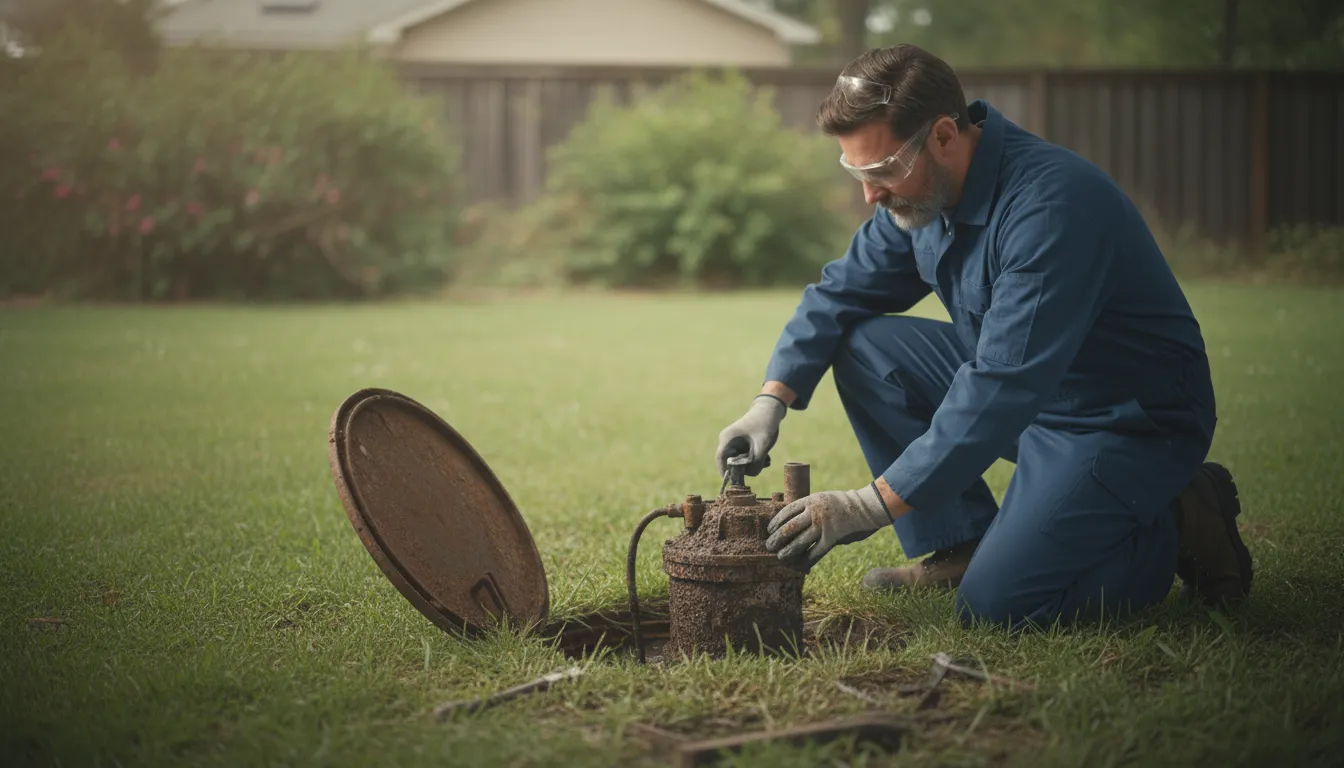
Find the Best Septic Pump Repair Companies for Your Business
No obligation • Fast responses • Nationwide coverage

Why you can trust Septic Spot
Septic Spot is a leading United States resource for understanding and comparing septic services. Our editors review providers using consistent criteria and verify key business details. Listings and scores are independent, and companies cannot pay to influence our content.
Search providers near you
Top Septic Pump Repair Companies in Greenwood, Indiana Ranked
A failing septic pump can quickly turn into a messy and stressful emergency for any Greenwood homeowner. This essential component is responsible for moving wastewater from your tank to the drainfield, and when it stops working, your entire household plumbing can grind to a halt. Understanding your septic system's needs, especially the pump, is crucial for maintaining a healthy, functional home. This guide explains the specifics of septic pump service in Greenwood, helping you recognize problems, understand local factors, and connect with qualified professionals to get your system running smoothly again.
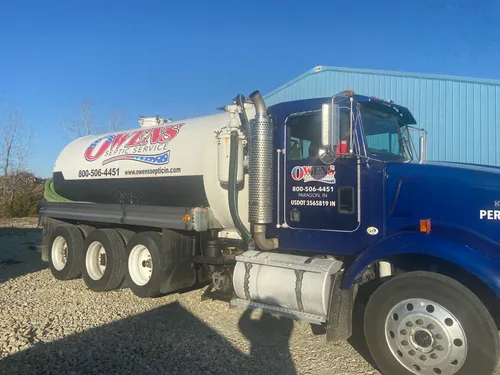
Owens Septic Service
8541 N 850 W, Fairland, IN 46126
Owens Septic Service offers septic tank pumping, inspection, and pump repair or replacement in Indianapolis, IN. With over 30 years of experience, they provide comprehensive septic system maintenance, including lift station upkeep, septic riser installation, and grease trap pumping for commercial kitchens. Their services focus on maintaining efficient wastewater flow and preventing system failures through regular inspections and pump-outs.

Zoom Drain
8355 Rockville Rd Suite 40, Indianapolis, IN 46234
Zoom Drain provides septic pump repair and replacement services along with drain and sewer cleaning in Indianapolis, IN. They serve residential and commercial clients, offering advanced tools such as drain snakes, root cutters, and truck-mounted jetting equipment to address plumbing emergencies efficiently. The company also uses video inspection technology to accurately diagnose issues and offers maintenance plans tailored to various needs. Zoom Drain is part of a nationwide franchise and emphasizes transparency with flat-rate pricing and warranties for their work.

AA Septic Service
Indianapolis, IN
AA Septic Service is a full-service septic company based in Indianapolis, IN, specializing in septic tank pumping, inspections, repairs, and grease trap pumping. They serve residential and commercial clients, offering services such as lift station pumping, video inspections, and septic system diagnostics. Their equipment includes large capacity pump trucks and video inspection tools, enabling thorough maintenance and repair work. AA Septic Service operates primarily in Morgan County, Indiana, focusing on maintaining and repairing septic systems to ensure proper wastewater treatment and disposal.
Understanding Your Septic System's Pump
Not all septic systems have a pump. Conventional gravity-fed systems rely on slope to move effluent. However, many homes in the Greenwood area utilize pressure distribution systems or specialized mound systems that require a pump (often called a sewage ejector pump or effluent pump) to push wastewater uphill or evenly distribute it across the drainfield. This pump is typically housed in a separate chamber or a dedicated pump tank following the main septic tank. It activates via float switches that rise with the water level. When this pump fails, wastewater has no way to leave the tank, leading to potential backups.
Why Greenwood Homes Face Unique Septic Challenges
Local environmental conditions significantly impact septic system performance and repair complexity. Two primary factors in Johnson County are:
- High Water Tables: Much of the area has a naturally high water table, meaning the level of groundwater is close to the surface. This can flood and saturate a traditional drainfield, rendering it ineffective and potentially damaging pumps. It's a key reason why elevated mound systems are common here, as they raise the drainfield above the natural soil level.
- Heavy, Poorly Draining Soils: The clay-heavy soils prevalent in the region drain slowly. When saturated, these soils cannot absorb effluent, causing the drainfield to become overloaded. This puts extra strain on the pump, which must work against this hydraulic resistance, potentially leading to premature failure.
These conditions mean that a simple pump repair in Greenwood might involve considerations that wouldn't apply in other regions, often requiring contractors with specific experience in pressure distribution and mound system troubleshooting.
Signs Your Septic Pump Needs Attention
Catching a problem early can prevent a full system failure and more costly repairs. Be alert for these warning signs:
- Alarms Sounding: Most modern pump systems have an audible and/or visual alarm that activates when the water level in the pump tank gets too high, indicating the pump isn't cycling.
- Soggy Ground or Sewage Odors: Wet, spongy areas or foul smells in your yard, especially near the tank or drainfield, are classic signs of effluent not being properly dispersed.
- Slow Drains or Gurgling: While this can indicate a tank needing pumping, it can also signal that the pump isn't moving water out, causing the entire system to back up.
- Unusually High Water Usage: A constantly running pump due to a stuck float switch or leak can spike your electricity bill.
If you notice any of these issues, it's time to call a professional for a diagnosis before the situation escalates.
The Professional Repair and Replacement Process
When you contact a licensed Greenwood septic contractor, they will typically follow a structured process to resolve your pump issue safely and effectively.
- Inspection & Diagnosis: The technician will first check the electrical components (breaker, control panel, floats) to rule out simple issues. They will then likely pump out the tank to safely access and inspect the pump itself, determining if it can be repaired or must be replaced.
- Permitting: For major repairs or replacements, especially involving changes to the drainfield or system type, your contractor will handle pulling the necessary permits from the Johnson County Health Department to ensure all work is up to code 1.
- Pump Access: Using a dedicated riser (a vertical pipe that brings the tank lid to the surface), the technician will remove the old pump. If no riser exists, installing one is highly recommended for future access and is a common add-on during repair jobs.
- Repair or Replacement: A repair might involve replacing a float switch, clearing a blockage, or fixing wiring. If the pump motor is burnt out or the housing is cracked, a full replacement is necessary. Given local soil conditions, a contractor may recommend a pump with a higher head pressure (power) to ensure adequate performance.
- Testing & Verification: After installation, the new or repaired pump is tested through several cycles to ensure it activates at the correct levels, shuts off properly, and moves the intended volume. The electrical connections are verified for safety.
Find the perfect septic pump repair companies for your needs
Get personalized recommendations and expert advice
Cost Factors for Pump Service in Greenwood
Pricing for septic pump work depends on the extent of the problem, the type of pump required, and the complexity of access. Based on regional data, homeowners can expect the following ranges:
- Septic Pump Repair: Fixing electrical issues or replacing components like float switches typically costs between $250 and $400.
- Septic Pump Replacement: Installing a new effluent pump, including labor, generally falls between $500 and $1,300. Mound system pumps or those with higher capacity may be at the upper end of this scale.
- Related Repairs: Often, a pump failure highlights other issues. Replacing a damaged tank baffle can cost $300 to $1,200, while adding access risers and a new cover for future service usually runs $200 to $600 2.
It's important to view these figures as estimates; a precise quote from a local professional after an on-site inspection is essential.
Repair vs. Complete System Replacement: Making the Choice
Sometimes, a failing pump is a symptom of a larger, failing system. Contractors will assess whether a repair is a cost-effective, long-term solution or if a full septic system replacement is warranted. This may be the case for very old systems that no longer meet Indiana code, have a collapsed drainfield, or are in soils that have completely failed 3 4. A full system replacement is a major project, with costs often ranging from $10,000 to $40,000 or more, depending on the system type (e.g., conventional vs. mound) and site conditions 5 3. A reputable professional will clearly explain all options and help you make an informed decision based on your system's age, condition, and the local environmental assessment.
Maintaining Your System to Prevent Pump Problems
Proactive care is the best way to avoid unexpected pump failures and expensive emergencies.
- Schedule Regular Pumping: Have your septic tank pumped every 3 to 5 years by a licensed service. Removing solids prevents them from washing out into the pump chamber or drainfield, which can clog and burn out the pump.
- Conserve Water: Reduce strain on your system by fixing leaks, using high-efficiency fixtures, and spreading out laundry loads.
- Mind What You Flush: Only human waste and toilet paper should go down the drain. Avoid grease, chemicals, wipes (even "flushable" ones), and feminine hygiene products, which can damage pumps.
- Protect Your Drainfield: Never park vehicles or place heavy structures over the drainfield or mound. Keep roof drains and sump pump discharges away from this area to prevent saturation.
Choosing a Qualified Greenwood Professional
This is not a DIY project. Septic work requires specific expertise and must comply with Johnson County and Indiana state regulations. Always choose a licensed, insured, and local septic service provider. They will understand the specific challenges of the area's high water table and heavy soils, ensure proper permitting, and guarantee that the work will pass any required inspections, protecting your home's value and your family's health 6 7 8.
Frequently asked questions
Sources
Footnotes
-
Indiana Septic Tank Requirements | On-Site Sewage Systems - https://www.ntotank.com/blog/indiana-septic-tank-requirements ↩
-
How Much Does Septic Tank System Repair Cost? (2026) - HomeGuide - https://homeguide.com/costs/septic-tank-repair-cost ↩
-
Cost to Install a Septic System in Indianapolis [2026 Data] - https://www.angi.com/articles/what-does-it-cost-install-septic-system/in/indianapolis ↩ ↩2
-
Septic Repair vs. Replacement: What's Best for Your System - https://www.townesseptic.com/blog/septic-repair-vs-replacement ↩
-
Septic Repair vs. Replacement: A Guide to Costs & Red Flags - https://prosepticri.com/septic-repair-vs-replacement-guide/ ↩
-
Septic Services near Greenwood in Johnson County, IN - https://maxhaassepticservices.com/septic-services-near-greenwood-johnson-county-in ↩
-
Greenwood IN Septic System Service - https://jlgsepticllc.com/service-areas/indiana/greenwood/ ↩
-
Repairing Septic Systems: A Detailed Manual - https://ky-pd.com/blog/fixing-septic-system/ ↩