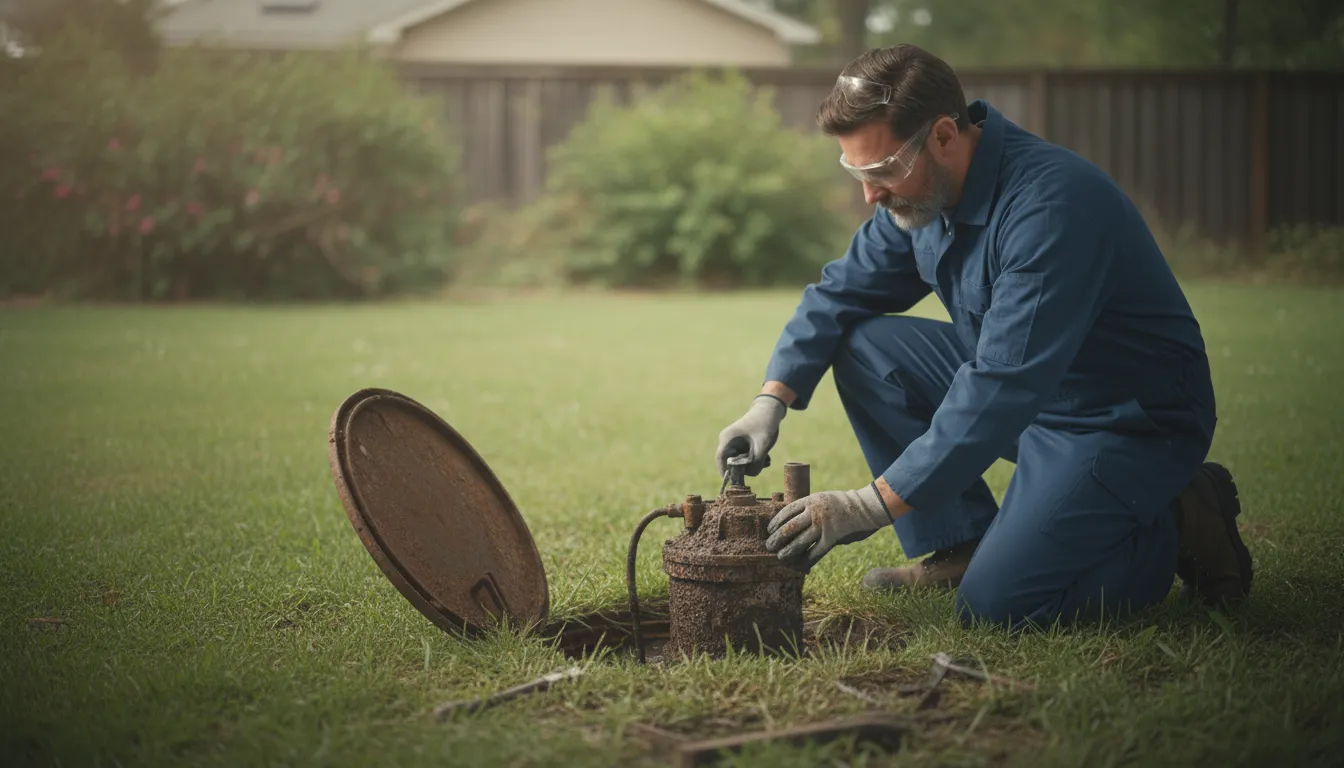
Find the Best Septic Pump Repair Companies for Your Business
No obligation • Fast responses • Nationwide coverage

Why you can trust Septic Spot
Septic Spot is a leading United States resource for understanding and comparing septic services. Our editors review providers using consistent criteria and verify key business details. Listings and scores are independent, and companies cannot pay to influence our content.
Search providers near you
Top Septic Pump Repair Companies in Indianapolis, Indiana Ranked
Maintaining a functional septic system is crucial for the health, safety, and property value of any Indianapolis home not connected to the municipal sewer. When your septic pump fails or your system shows signs of distress, timely and professional intervention is key. This guide explains what septic pump repair and full system replacement entail in the Indianapolis area, why local conditions like soil type matter, and how you can connect with qualified professionals to assess and resolve your system's issues.
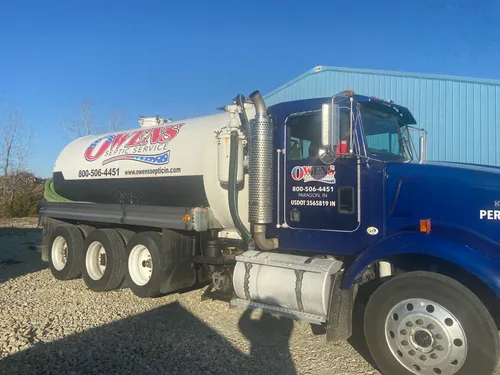
Owens Septic Service
8541 N 850 W, Fairland, IN 46126
Owens Septic Service offers septic tank pumping, inspection, and pump repair or replacement in Indianapolis, IN. With over 30 years of experience, they provide comprehensive septic system maintenance, including lift station upkeep, septic riser installation, and grease trap pumping for commercial kitchens. Their services focus on maintaining efficient wastewater flow and preventing system failures through regular inspections and pump-outs.

Zoom Drain
8355 Rockville Rd Suite 40, Indianapolis, IN 46234
Zoom Drain provides septic pump repair and replacement services along with drain and sewer cleaning in Indianapolis, IN. They serve residential and commercial clients, offering advanced tools such as drain snakes, root cutters, and truck-mounted jetting equipment to address plumbing emergencies efficiently. The company also uses video inspection technology to accurately diagnose issues and offers maintenance plans tailored to various needs. Zoom Drain is part of a nationwide franchise and emphasizes transparency with flat-rate pricing and warranties for their work.

AA Septic Service
Indianapolis, IN
AA Septic Service is a full-service septic company based in Indianapolis, IN, specializing in septic tank pumping, inspections, repairs, and grease trap pumping. They serve residential and commercial clients, offering services such as lift station pumping, video inspections, and septic system diagnostics. Their equipment includes large capacity pump trucks and video inspection tools, enabling thorough maintenance and repair work. AA Septic Service operates primarily in Morgan County, Indiana, focusing on maintaining and repairing septic systems to ensure proper wastewater treatment and disposal.
Understanding Your Indianapolis Septic System
Most residential septic systems in Central Indiana are comprised of two main components: a watertight tank and a soil-based drain field (or leach field). Wastewater from your home flows into the tank, where solids settle and begin to decompose. The clarified liquid, or effluent, then exits the tank into the drain field for final treatment by the soil. In many homes, especially those with basements or where the drain field is uphill from the tank, a septic pump (or effluent pump) is a critical third component. This pump moves effluent from the tank to the distribution box and drain field.
System failure often starts with warning signs like slow drains, gurgling pipes, sewage odors indoors or outdoors, or unusually lush, soggy patches in your yard above the drain field. Ignoring these signs can lead to sewage backups into the home or environmental contamination, resulting in much more extensive and expensive repairs.
Why Local Soil and Regulations Matter
The success of a septic system, particularly its drain field, is heavily dependent on local soil conditions. Indianapolis and much of Marion County feature soil with significant clay content. Clay soils have very small pores, which slow the percolation (drainage) of water. This can lead to premature saturation and failure of conventional gravity-fed leach fields. When these systems fail, homeowners often face the choice between complex drain field repairs or installing a more advanced-and costly-system type designed for poor drainage.
Common system types in the area include:
- Conventional Gravity Systems: The most common and least expensive, but they require suitable soil depth and drainage.
- Mound Systems: An elevated drain field built above natural soil, often required when the water table is high or soil percolation is too slow.
- Pressure-Dosed Systems: These use a pump to distribute effluent evenly across the drain field, improving efficiency and lifespan, especially in challenging soils 1.
All septic system repairs and installations in Indianapolis must adhere to regulations set by the Marion County Public Health Department's Onsite Sewage Program and Indiana state codes (410 IAC) 2. This means that virtually any significant repair beyond a simple component swap will require a permit and inspection from the local health department. Working with a licensed professional ensures your repair is compliant and designed to last.
The Repair and Replacement Process
When you contact a professional for septic service, they will typically follow a structured process to diagnose and resolve the issue.
- Inspection and Diagnostics: A technician will first locate and inspect your tank, often by pumping it out to assess the sludge and scum levels and check the tank's structural integrity. They will also inspect the drain field for signs of failure and test any electrical pumps or alarms 3.
- Permitting: For most repairs and all replacements, your contractor will secure the necessary permits from the Marion County Health Department before any major excavation or system alteration begins 4.
- The Repair Work: The nature of the work depends entirely on the diagnosis.
- Pump Repair/Replacement: If the effluent pump has failed, a technician will replace the pump, float switches, or electrical components. Residential septic pump repair in Indianapolis typically costs between $250 and $400, while a full pump replacement ranges from $500 to over $1,300.
- Tank or Component Repair: Issues like a damaged inlet/outlet baffle or a cracked pipe can often be repaired for $300 to $1,200.
- Drain Field Rehabilitation: For a failing leach field, options include cleaning clogged pipes with a high-pressure jetter or installing a completely new field line. Drain field repairs are more invasive, often costing between $2,000 and $10,000.
- Excavation and Restoration: Any repair involving the tank or drain field requires careful excavation. A reputable contractor will ensure the site is properly backfilled and graded to direct surface water away from the system, helping to prevent future problems.
Find the perfect septic pump repair companies for your needs
Get personalized recommendations and expert advice
When Repair Shifts to Replacement
Sometimes, a repair is merely a temporary fix, and a full system replacement is the most prudent long-term solution. A complete septic system replacement involves installing a new tank and a new drain field, often in a new location on your property. This is a major construction project.
Key reasons for replacement include:
- A Failed or Collapsed Tank: Old concrete tanks can deteriorate, and even modern plastic tanks can be damaged. Tank replacement alone can cost between $3,000 and $7,000.
- A Completely Failed Drain Field: If the soil is completely clogged (a condition called "biomat" saturation) or the field is improperly sized for the home's current use, repair may not be feasible.
- System Age and Major Home Expansion: Most septic systems have a lifespan of 20-40 years. If your system is near the end of its life and requires a major repair, investing in a new system may offer better value and reliability.
In Central Indiana, complete system replacements for failed drain fields or tanks often range from $5,000 to over $15,000, with final costs depending heavily on soil conditions, the type of system required (e.g., mound vs. conventional), and site access constraints 5.
Cost Overview for Indianapolis Homeowners
Understanding potential costs can help you budget and evaluate quotes. Here's a general breakdown of service costs in the Indianapolis area:
- Routine Pumping/Maintenance: $250 - $450
- Septic Pump Repair: $250 - $400
- Septic Pump Replacement: $500 - $1,300+ 6
- Minor Tank/Pipe Repair: $300 - $1,200 7
- Drain Field Repair: $2,000 - $10,000 8 9
- Complete System Replacement: $5,000 - $25,000+ 10 11
The wide ranges reflect variables like system size, soil type, and the extent of the problem. The most significant cost driver is often the need for an advanced system type due to Marion County's clay-heavy soils.
The Value of Regular Maintenance
The best way to avoid a costly emergency repair or replacement is through consistent, preventative care. Industry experts and local health officials recommend having your septic tank pumped every 3 to 5 years, depending on household size and usage 12. Regular pumping prevents solids from overflowing into the drain field, which is the leading cause of field failure. Simple habits like conserving water, avoiding pouring grease down drains, and not using the toilet as a trash can can extend your system's lifespan by years.
Many local Indianapolis service providers, such as Justin Dorsey Plumbing and Purge Environmental, offer 24/7 emergency service for when problems arise unexpectedly 13 14. Establishing a relationship with a trusted professional for routine maintenance means you'll already know who to call during a stressful system failure.
Frequently asked questions
Sources
Footnotes
-
E/One Grinder Pump Case Study: Indianapolis, Marion County, IN - Part 1 - https://www.youtube.com/watch?v=ME4OpVZkX2E ↩
-
Onsite Sewage (Septic) Systems Program - https://marionhealth.org/onsite-sewage-septic-systems-program/ ↩
-
Septic Tank Pumping, Cleaning & Repair Indianapolis - https://www.acmeplumbingservice.com/septic ↩
-
Septic Systems | Indiana State Department of Health - IN.gov - https://www.in.gov/localhealth/miamicounty/files/In-Your-Own-Backyard-Septic-Systems-ADunn.pdf ↩
-
How to deal with septic system replacement costs and design ... - https://www.facebook.com/groups/323886047822533/posts/2710964542447993/ ↩
-
Understanding Your Septic System: What Homeowners Should Know - https://www.justindorseyplumbing.com/understanding-your-septic-system/ ↩
-
Septic Tank Cleaning Indianapolis: 5 Powerful Benefits in 2025 - https://blairnorris.com/septic-tank-cleaning-indianapolis/ ↩
-
Septic Repair vs. Replacement: A Guide to Costs & Red Flags - https://prosepticri.com/septic-repair-vs-replacement-guide/ ↩
-
How Much Does Septic Tank Repair Cost? [2026 Data] | Angi - https://www.angi.com/articles/how-much-does-repairing-septic-tank-cost.htm ↩
-
How Much Does Septic Tank System Repair Cost? (2026) - HomeGuide - https://homeguide.com/costs/septic-tank-repair-cost ↩
-
Septic Tank Replacement Explained: Costs, Lifespan, And ... - https://www.theseptictankman.com/blog/septic-tank-replacement-explained-costs-lifespan-and-what-to-expect ↩
-
Septic Repair vs. Replacement: What's Best for Your System - https://www.townesseptic.com/blog/septic-repair-vs-replacement ↩
-
Septic Tank Repair in Indianapolis - Justin Dorsey Plumbing - https://www.justindorseyplumbing.com/septic-system/ ↩
-
Septic System Repairs in Indianapolis, IN - Purge Environmental - https://purgeenvironmental.com/residential/septic-repair/ ↩