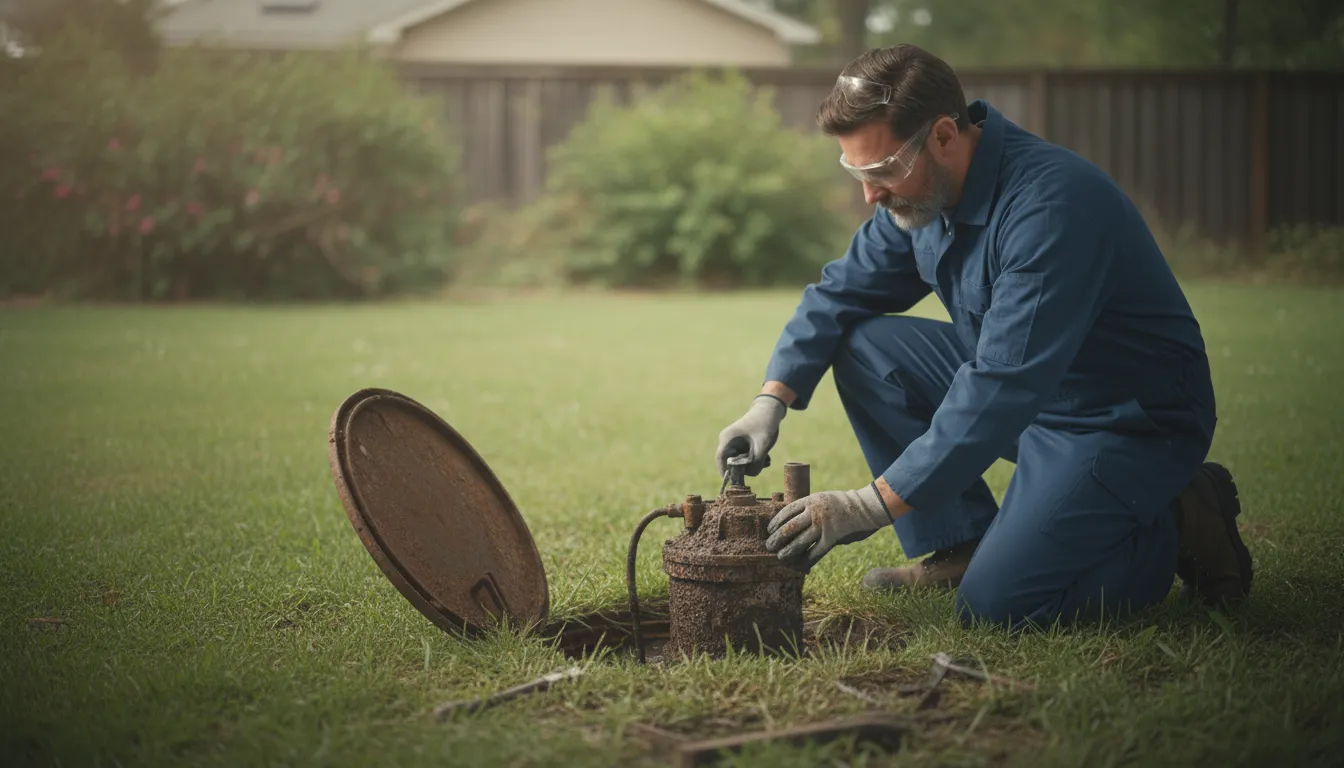
Find the Best Septic Pump Repair Companies for Your Business
No obligation • Fast responses • Nationwide coverage

Why you can trust Septic Spot
Septic Spot is a leading United States resource for understanding and comparing septic services. Our editors review providers using consistent criteria and verify key business details. Listings and scores are independent, and companies cannot pay to influence our content.
Search providers near you
Top Septic Pump Repair Companies in Jeffersonville, Indiana Ranked
Maintaining a functional septic pump is critical for any home with a pumped septic system, especially in the Jeffersonville area. When a pump fails, it can lead to sewage backups, property damage, and potential health code violations. This guide explains the local factors affecting pump service, outlines the repair and replacement process, and provides a resource to help you connect with qualified septic system professionals in Clark County who can diagnose and resolve your issue efficiently.

Shelby Septic Service
24 Main St, Shelbyville, KY 40065
Shelby Septic Service is a family-owned company based near Louisville, KY, providing comprehensive septic system services including pumping, inspections, filter cleaning, riser and lid access, and filter installation. They serve residential and commercial customers across Anderson, Franklin, Henry, Jefferson, Oldham, Shelby, and Spencer Counties. The company is experienced in septic tank cleaning, maintenance, and problem-solving, with capabilities such as backflushing to remove solids buildup. Shelby Septic Service is recognized for their knowledgeable technicians and thorough inspections, offering detailed reports to assist with property purchases and maintenance decisions.

Hartman Septic
24 Old 7 Mile Pike, Shelbyville, KY 40065
Hartman Septic provides full-service septic solutions in Louisville, KY, and surrounding areas including Shelby County and Pewee Valley. The company offers residential and commercial septic tank pumping, inspection, repair, installation, and drain field repair or replacement. Hartman Septic is led by Kentucky's first Master Septic Installer, bringing expert knowledge to each project. They are experienced in managing complex septic system issues and work closely with local health authorities to ensure compliance and approved repairs. The company is known for handling excavation and septic challenges efficiently and professionally.
Understanding Your Septic Pump System
A septic pump, often called an effluent or sump pump, is the mechanical heart of many modern septic systems. Its job is to move wastewater from the septic tank to the drain field. In a conventional gravity system, this flow happens naturally, but many properties in Southern Indiana require a pump due to soil conditions or elevation changes. When this component malfunctions, the entire wastewater treatment process halts. Recognizing the signs of pump trouble-like alarms sounding, slow drains, gurgling pipes, or soggy areas in the yard near the pump tank-is the first step toward a solution.
Why Jeffersonville's Soil Makes Pump Service Crucial
The local geology plays a significant role in septic system performance and pump longevity. Jeffersonville and much of Clark County sit on clay-heavy soils common to Southern Indiana 1. These dense soils have poor drainage, meaning they absorb water very slowly.
- Impact on Pumps: In a pumped system, the effluent is sent to the drain field under pressure. If the underlying clay soil is saturated, the pump must work harder to push water into already-full ground. This constant strain can lead to premature motor burnout and pump failure 2.
- Prevalence of Mound Systems: Due to these poor percolation rates, local health departments often require mound systems for new installations or major repairs 3 4. A mound system is entirely dependent on a functioning pump to distribute effluent to the specially constructed sand mound. Consequently, pump repairs and replacements for mound systems are not only more urgent but can also be more complex and costly than for conventional systems 5.
Common Septic Pump Problems and Solutions
Not every pump issue requires a full replacement. A professional diagnosis is essential to determine the correct and most cost-effective fix.
- Float Switch or Control Failure: This is one of the most common issues. The float switch acts like a thermostat, turning the pump on and off at the correct water levels. If it gets stuck or fails, the pump may not activate or may run continuously. Repairing or replacing float switches and control panels is typically on the lower end of repair costs 6.
- Pump Motor Burnout: When the pump motor itself fails, a full pump replacement is necessary. This can be caused by normal wear, electrical issues, or the excessive strain from pushing against saturated clay soils. Replacing a submersible pump is a more involved project.
- Clogged Impeller or Intake: Debris from the tank can clog the pump's impeller, preventing it from moving water. A professional can often clean this, but severe damage may require part replacement.
- Electrical Issues: Faulty wiring, a tripped circuit breaker, or a failed control box can stop the pump from receiving power. These are separate from the pump mechanism but require a technician's expertise to resolve safely.
The Septic Pump Service Process: What to Expect
When you contact a local Jeffersonville septic professional for pump service, a standard process ensures a safe and code-compliant repair.
- Inspection and Diagnosis: A technician will first inspect the system. This involves checking the control panel, float switches, and electrical connections. They will often need to pump out the tank to safely access and remove the pump for a thorough evaluation. This diagnostic service has an associated cost 7.
- Permitting: In Indiana, replacing a major septic system component like a pump often requires a permit from the Clark County Health Department. A reputable provider will handle this permitting process.
- Pump Removal and Repair/Replacement: If the pump is repairable, the technician will fix it on-site. If replacement is needed, they will install a new, correctly sized submersible pump. For mound systems or complex setups, this step is more intricate.
- System Testing and Verification: After installation, the technician will test the new pump, calibrate the float switches, and ensure the alarm system is functional. They will verify that the pump cycles on and off correctly, indicating the system is operational 8.
Find the perfect septic pump repair companies for your needs
Get personalized recommendations and expert advice
Cost Factors for Pump Repair and Replacement in Jeffersonville
Costs can vary based on the problem's complexity, your system type, and the required parts. Here's a general breakdown based on local service data:
- Pump Repair: Repairs for issues like float switch replacement typically range from $300 to $800 9.
- Pump Replacement: The cost to fully replace a septic pump in Jeffersonville generally falls between $800 and $2,000+10 11. The wide range accounts for:
- System Type: Replacing a pump for a standard system is often less expensive than for a specialized mound system, which may require more powerful equipment.
- Pump Specifications: The horsepower, head pressure (lift height), and construction materials of the pump affect the price.
- Accessibility: Easy access to the pump tank keeps costs down. Difficult access may require additional excavation labor.
- Emergency Fees: Services required after hours or on weekends often incur an additional emergency service fee.
Maintaining Your Septic Pump to Avoid Failures
Proactive maintenance is the best way to avoid unexpected and costly pump emergencies.
- Regular Inspections: Have your entire septic system, including the pump and its electrical components, inspected every 1-3 years by a professional.
- Pump the Tank Regularly: Removing solids from the tank every 3-5 years (or as recommended) prevents them from washing into the pump chamber and causing clogs or damage.
- Conserve Water: Reduce strain on your system by fixing leaks and spreading out high-water-use activities (like laundry).
- Mind What You Flush: Never flush anything other than human waste and toilet paper. Chemicals, grease, and non-biodegradables can damage pumps and clog systems.
- Protect the Drain Field: Keep vehicles and heavy equipment off the area above your drain field and mound to prevent soil compaction and pipe damage.
When Repair Isn't Enough: Recognizing System-Wide Failure
Sometimes, a failing pump is a symptom of a larger problem. If the underlying issue is a drain field failure-often caused by long-term soil saturation-simply replacing the pump may only provide a temporary fix. The new pump will quickly fail under the same conditions. Signs of drain field failure include persistent soggy ground, sewage odors, and plumbing backups even after a pump repair. In such cases, the local health department may require a more comprehensive solution, which could involve repairing or replacing the drain field.
Frequently asked questions
Sources
Footnotes
-
A Guide to Expansive Soil Issues for Indiana Homeowners - https://www.indianafoundation.com/resources/foundation-repair/expansive-soil/ ↩
-
Septic tanks for homes: Top 5 Essential Tips for Success 2025 - https://patriotdirt.com/septic-tanks-for-homes/ ↩
-
Septic Repair vs. Replacement: A Guide to Costs & Red Flags - https://prosepticri.com/septic-repair-vs-replacement-guide/ ↩
-
How Often Should You Schedule Septic Pumping in Central Indiana? - https://www.justindorseyplumbing.com/how-often-should-you-schedule-septic-pumping/ ↩
-
Indiana Septic Tank Requirements | On-Site Sewage Systems - https://www.ntotank.com/blog/indiana-septic-tank-requirements ↩
-
Harrison County Health Department - IN.gov - https://www.in.gov/localhealth/harrisoncounty/environmental-health/files/Septic_New_home_on_existing_system_or-repair.pdf ↩
-
How Much Does Failed Septic System Cost? - https://www.septicconnection.com/how-much-does-failed-septic-system-cost ↩
-
Septic Pump Replacement: When Its Time For An Upgrade - https://allalohaplumbing.com/septic-pump-replacement-when-its-time-for-an-upgrade/ ↩
-
How Much Does Septic Tank System Repair Cost? (2026) - HomeGuide - https://homeguide.com/costs/septic-tank-repair-cost ↩
-
Septic Repair vs. Replacement: How to Decide What's Best for Your System - https://www.townesseptic.com/blog/septic-repair-vs-replacement ↩
-
How Much Does It Cost to Replace a Septic System? - https://alphaenvironmental.net/blog/how-much-cost-replace-septic-system/ ↩