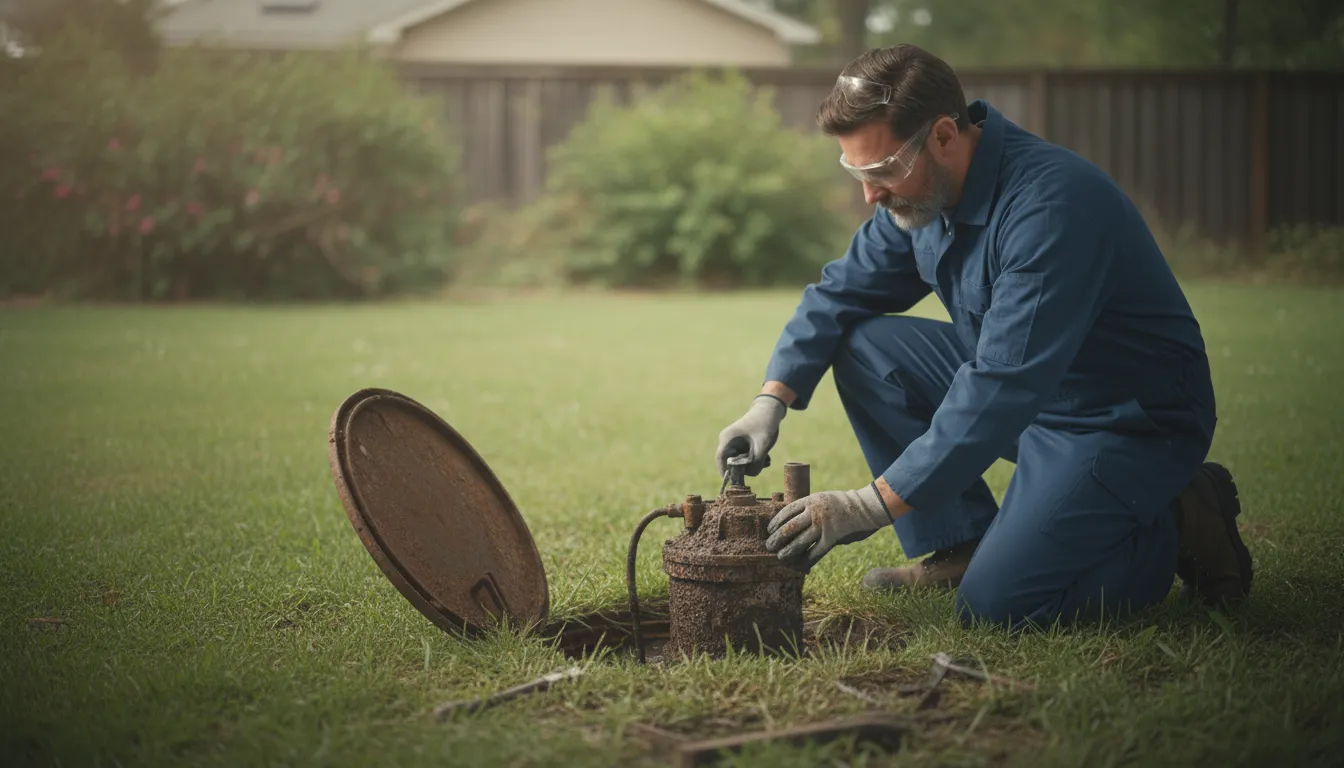
Find the Best Septic Pump Repair Companies for Your Business
No obligation • Fast responses • Nationwide coverage

Why you can trust Septic Spot
Septic Spot is a leading United States resource for understanding and comparing septic services. Our editors review providers using consistent criteria and verify key business details. Listings and scores are independent, and companies cannot pay to influence our content.
Search providers near you
Top Septic Pump Repair Companies in Westfield, Indiana Ranked
Maintaining a functional septic system is crucial for the health, safety, and property value of your Westfield home. When a pump fails or the entire system shows signs of distress, timely and professional repair or replacement is essential. This guide explains what you need to know about septic pump servicing and system replacements specific to Westfield and Hamilton County, including local costs, soil considerations, and the permitting process, so you can make informed decisions for your property.
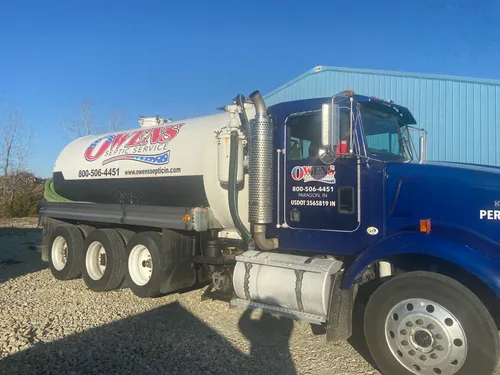
Owens Septic Service
8541 N 850 W, Fairland, IN 46126
Owens Septic Service offers septic tank pumping, inspection, and pump repair or replacement in Indianapolis, IN. With over 30 years of experience, they provide comprehensive septic system maintenance, including lift station upkeep, septic riser installation, and grease trap pumping for commercial kitchens. Their services focus on maintaining efficient wastewater flow and preventing system failures through regular inspections and pump-outs.
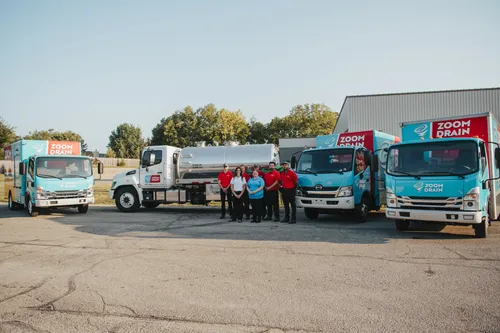
Zoom Drain
8355 Rockville Rd Suite 40, Indianapolis, IN 46234
Zoom Drain provides septic pump repair and replacement services along with drain and sewer cleaning in Indianapolis, IN. They serve residential and commercial clients, offering advanced tools such as drain snakes, root cutters, and truck-mounted jetting equipment to address plumbing emergencies efficiently. The company also uses video inspection technology to accurately diagnose issues and offers maintenance plans tailored to various needs. Zoom Drain is part of a nationwide franchise and emphasizes transparency with flat-rate pricing and warranties for their work.
Understanding Your Westfield Septic System
Most homes in Westfield and the surrounding Hamilton County area rely on either conventional gravity-fed systems or more complex pump/pressure distribution systems. The type you have significantly impacts the nature and cost of any repairs.
A conventional gravity system uses natural slope to move effluent from the tank to the drain field. These are generally simpler and less expensive to repair. In contrast, a pump system (often called a pressure distribution system) uses an electrical pump to push effluent to the drain field, which is necessary when the drain field is located uphill from the tank or in areas with challenging soil 1. These pumps are mechanical components that typically require service or replacement every 10 to 15 years.
The design and health of any system are deeply influenced by local soil conditions. Much of Central Indiana, including parts of Westfield, features loamy soils that can be suitable for conventional systems 2. However, many areas also have pockets of heavy clay soil, which impedes drainage. When soil percolation (or "perc") tests show poor drainage, the Indiana Department of Health often requires more complex-and costly-alternative systems like mound or pressure distribution systems to ensure proper wastewater treatment 3.
Common Septic Issues in Westfield Homes
Knowing the signs of trouble can help you address problems before they become catastrophic failures. Common issues include:
- Pump Failure: In pump-assisted systems, a failed pump will cause alarms to sound, toilets to back up, or wastewater to surface near the tank. Repairs can range from fixing a float switch to replacing the entire pump.
- Drainfield Malfunction: This is often signaled by soggy ground or foul odors in the yard, slow drains in the house, or sewage backing up. In clay-heavy soils, drainfields can fail prematurely due to clogging.
- Tank Structural Damage: Cracks, leaks, or baffle failures in the concrete or plastic tank can allow untreated waste to escape or solids to clog the drainfield.
- Pipe Blockages or Breaks: Roots, grease, or collapsed pipes between the house and tank or the tank and drainfield can cause immediate backups.
For homes in areas with poor drainage, specialized mound systems are a common alternative. These systems use a constructed sand mound to treat effluent before it reaches the native soil, but they rely heavily on functioning pumps and require specific expertise to repair.
The Repair and Replacement Process: What to Expect
Whether you need a simple pump fix or a full system overhaul, the process involves several key steps handled by licensed local contractors.
- Inspection & Diagnosis: A professional will inspect the tank, pump (if present), and drainfield to pinpoint the problem. This often involves locating the tank and system components, which may require a site survey.
- Permitting: Almost all septic repairs beyond minor fixes, and certainly all replacements, require a permit from the Hamilton County Health Department or the Indiana Department of Health. Your contractor will typically handle this, but it's a crucial step that ensures the work meets state and local codes 4.
- Soil Testing (For Replacements): If a full system replacement is needed, a new soil perc test is usually required. This test, costing between $260 and $500, determines the absorption rate of your soil and dictates the type of system that can be installed 5.
- Excavation & Work: The contractor will excavate the area to access the tank, pump, or drainfield lines. Excavation costs can range from $1 to $5 per square foot depending on soil conditions and accessibility 6. Damaged components are then repaired or replaced.
- Backfilling & Grading: After repairs, the area is carefully backfilled and graded to ensure proper surface drainage and prevent future erosion or system stress.
Find the perfect septic pump repair companies for your needs
Get personalized recommendations and expert advice
Cost Breakdown for Septic Services in Westfield
Costs can vary widely based on system complexity, soil type, and the extent of the problem. Here's a general overview of what homeowners in the Westfield area might expect to pay:
- Septic Pump Replacement: $500 - $1,300. This covers the cost of a new pump and its installation in an existing system.
- Minor Repairs: $250 - $1,200. This includes fixing baffles, inlet/outlet pipes, or tank lids.
- Pump or Control System Repairs: $800 - $5,000. Complex electrical issues, control panel replacements, or significant pump work fall into this range 7.
- Full Septic System Replacement: $10,000 - $40,000+. This is a major project involving a new tank and drainfield. The high end of the range applies to large homes or properties requiring alternative systems like mounds due to clay soil 8.
- Permit Fees: $460 - $2,770. These are separate fees paid to the local health department for system installation or major alteration permits 9.
Why is replacement so expensive in Indiana? The primary drivers are soil conditions and regulations. Clay soil often mandates engineered solutions, and all work must follow strict state codes, requiring specialized materials, engineering, and labor.
The Critical Role of Regular Maintenance
The most effective way to avoid a sudden, expensive repair or replacement bill is through proactive maintenance. Regular septic tank pumping-generally recommended every 3-5 years-removes solids that can clog pumps and destroy drainfields. In the Westfield area, a routine pumping service typically costs between $200 and $60010 11.
Skipping this maintenance is a false economy. As noted by industry professionals, the cost of regular pumping is minor compared to the price of a premature system failure 12. A well-maintained conventional system can last 25-30 years, while a neglected one might fail in half that time.
Choosing a Contractor in Hamilton County
Selecting the right professional is critical. Look for a contractor who:
- Is licensed and insured to work in Indiana.
- Has specific experience with the soil types and regulations in Hamilton County.
- Can clearly explain the permitting process and handle it on your behalf.
- Provides detailed, written estimates that break down labor, materials, and permit fees.
- Offers references from local projects.
A knowledgeable local provider will understand whether your Westfield property is more likely to need a conventional repair or a solution for challenging clay soils.
Frequently asked questions
Sources
Footnotes
-
The Differences Between Aerobic vs. Anaerobic Septic Systems - https://www.turnerandsonhomes.com/blog/2016/01/aerobic-vs-anaerobic-septic-systems ↩
-
Best Soil Type for Septic Systems - What to Know First - https://superiorsewersolutions.com/septic/best-soil-type-for-septic-systems/ ↩
-
What Is an Alternative Septic System? 7 Alternatives to Conventional Septic Tanks - https://www.envirodesignproducts.com/blogs/news/what-is-an-alternative-septic-system-7-alternatives-to-conventional-septic-tanks ↩
-
Cost to Install a Septic System in Indianapolis [2026 Data] - https://www.angi.com/articles/what-does-it-cost-install-septic-system/in/indianapolis ↩
-
Cost to Replace Septic Tank and Drain Field [2026 Data] | Angi - https://www.angi.com/articles/how-much-new-drain-fields-foot.htm ↩
-
What to Expect During a Septic System Replacement - https://www.townesseptic.com/blog/what-to-expect-during-a-septic-system-replacement ↩
-
How Much Does Septic Tank System Repair Cost? (2026) - HomeGuide - https://homeguide.com/costs/septic-tank-repair-cost ↩
-
How Much Does a Septic System Cost: Replacement and New - https://www.jkawelldrilling.com/how-much-does-a-septic-system-cost-replacement-and-new/ ↩
-
How Much Does Septic Tank Repair Cost? [2026 Data] | Angi - https://www.angi.com/articles/how-much-does-repairing-septic-tank-cost.htm ↩
-
Septic Repair vs. Replacement: A Guide to Costs & Red Flags - https://prosepticri.com/septic-repair-vs-replacement-guide/ ↩
-
Septic Pumping near Marion County, Indiana | Reliable Service for Rural Homes - https://maxhaassepticservices.com/septic-pumping-near-marion-county-indiana ↩
-
Regular Pumping vs. Costly Repairs: Maintenance Matters - https://www.pumper.com/bytes/2024/10/regular-pumping-vs-costly-repairs-maintenance-matters ↩