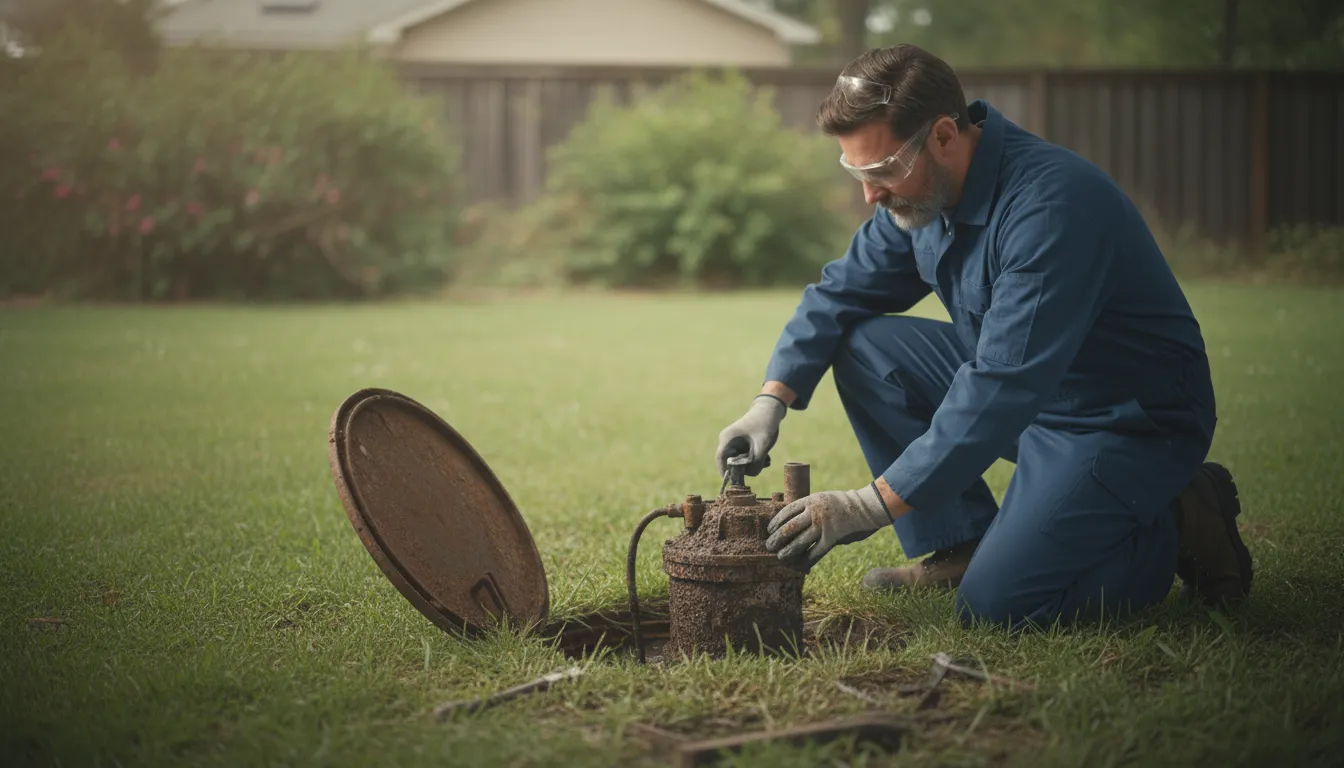
Find the Best Septic Pump Repair Companies for Your Business
No obligation • Fast responses • Nationwide coverage

Why you can trust Septic Spot
Septic Spot is a leading United States resource for understanding and comparing septic services. Our editors review providers using consistent criteria and verify key business details. Listings and scores are independent, and companies cannot pay to influence our content.
Search providers near you
Top Septic Pump Repair Companies in New Orleans, Louisiana Ranked
Maintaining a functional septic system is critical for any home not connected to a municipal sewer line. In New Orleans, where high water tables and heavy clay soil create unique challenges, the pump is often the heart of the system, moving effluent to where it can be safely treated. When a septic pump fails, it can lead to backups, odors, and serious property damage. This guide explains the local factors affecting your system, outlines the repair and replacement process, and provides the information you need to connect with qualified professionals who understand the specific demands of the Louisiana environment.
Why New Orleans Presents Unique Challenges for Septic Systems
The Greater New Orleans area sits on a complex delta with a very high water table and soil composition that is often heavy with clay. These two factors significantly impact the performance, design, and longevity of septic systems, making pump reliability more crucial than in many other regions.
- High Water Table: Shallow groundwater is a constant reality here. A conventional gravity-fed septic system relies on a drain field (or leach field) that is buried in dry enough soil to absorb and filter liquid effluent. When the groundwater level is high, this absorption cannot happen, leading to a saturated, failing drain field. To combat this, many homes require alternative systems like aerobic treatment units (ATUs) or raised mound systems. Both of these designs depend entirely on a functional pump to move wastewater. In an aerobic system, the pump aerates the tank; in a mound system, it pushes effluent upward into the raised sand mound. A pump failure in these systems causes an immediate and complete system shutdown 1 2.
- Clay and Heavy Soil: The dense, compact nature of clay soil has a very slow percolation rate, meaning it absorbs liquid poorly. This can cause effluent to pool and the drain field to fail prematurely. When repairs are needed on a system in clay soil, they often require more specialized and expensive techniques, and a failing drain field is a common reason for needing a full system replacement, which is a major investment 3.
Recognizing the Signs of a Failing Septic Pump or System
Catching problems early can mean the difference between a relatively simple repair and a catastrophic, costly replacement. Be alert to these common warning signs:
- Slow Drains and Gurgling Pipes: Throughout your home, sinks, showers, and toilets may drain very slowly or make gurgling sounds. This often indicates a blockage or that the tank is full and not draining properly into the field.
- Sewage Backups: The most alarming sign is wastewater or sewage backing up into household drains, toilets, or showers. This is a clear signal of a serious blockage or system failure.
- Foul Odors: Unpleasant sewage smells inside your home or, more commonly, in your yard near the tank or drain field area should never be ignored.
- Standing Water or Soggy Lawn: Lush, green grass over the drain field can be a sign, but more obvious is standing water or persistently soft, wet spots in your yard, especially after the tank has been recently pumped. This indicates that effluent is surfacing because the drain field is saturated 4.
- Alarm Sounds: If you have an aerobic or other alternative system with a control panel, an audible alarm will sound when the pump fails or the water level gets too high.
The Step-by-Step Process for Repair or Replacement
When you suspect a problem, a professional will typically follow a structured process to diagnose and resolve the issue.
- Inspection and Diagnosis: A technician will first perform a thorough inspection, which may include checking the tank levels, inspecting the drain field, and testing electrical components like the pump, float switches, and control panel. This diagnostic visit typically costs between $100 and $600, depending on its complexity 5.
- Tank Pumping: To safely access and work on components inside the septic tank, it must first be pumped out. This service usually costs between $200 and $600 and is a necessary step for most pump-related repairs 6.
- Pump or Component Replacement: If the pump itself has failed, the old unit is removed and a new one is installed. Other common repairs include replacing stuck float switches, repairing damaged baffles, or fixing broken pipes leading to or from the tank.
- System Testing: After repairs, the technician will restore power and test the system to ensure the pump activates at the correct levels and that effluent is moving through the system as designed.
- Site Restoration: Finally, any disturbed areas of your yard will be leveled and restored as much as possible.
For a full system replacement, the process is far more extensive, involving excavation, removal of the old tank and field, permitting, and installation of a new system designed for your property's specific conditions.
Find the perfect septic pump repair companies for your needs
Get personalized recommendations and expert advice
Understanding Costs for Septic Pump Service in New Orleans
Given the local environmental challenges, septic system work in New Orleans often falls on the higher end of national cost ranges. The final price depends on the system type, the extent of the problem, and the accessibility of the components.
- Septic Pump Replacement: $800 - $5,000. This is the most common major repair for systems with pumps. The wide range accounts for the type of pump (submersible vs. effluent), its horsepower, and the labor involved in accessing it 7 8.
- Pump or Float Switch Repair: $200 - $1,000. Fixing a stuck float or replacing a switch is a more minor electrical repair but is essential for proper pump operation.
- Minor System Repairs: $300 - $1,200. This includes fixing or replacing inlet/outlet baffles, repairing cracked pipes, or resealing tank lids.
- Drain Field Repair: $3,000 - $15,000. Repairing a failing leach field is a major undertaking. Techniques can include installing new lines, adding a curtain drain, or even constructing a new raised mound. In many cases, especially with conventional systems in clay soil, a full replacement may be recommended instead 9.
- Complete System Replacement: $10,000 - $40,000+. For a conventional system replacement, costs often start around $10,000. However, for the alternative systems (aerobic or mound) commonly required in New Orleans due to soil and water table conditions, homeowners should be prepared for costs that frequently exceed $20,000 and can reach $40,000 or more 10 11 12.
Maintaining Your System to Avoid Costly Repairs
Proactive maintenance is the most effective way to extend the life of your septic pump and system.
- Pump Regularly: Have the solid waste in your tank pumped out every 3-5 years, or more often if you have a garbage disposal or a large household. This prevents solids from clogging the pump or flowing into the drain field.
- Conserve Water: Spread out laundry loads and fix leaky faucets to avoid overwhelming the system with a large volume of water at once.
- Mind What You Flush: Only human waste and toilet paper should go down the drain. Never flush wipes (even "flushable" ones), feminine hygiene products, grease, or chemicals.
- Protect the Drain Field: Never park vehicles or place heavy structures over the drain field. Keep roof drains and sump pump discharges directed away from it.
Frequently asked questions
Sources
Footnotes
-
Selecting the Best Septic System for Rural Properties in Northeastern Oklahoma - https://jtserviceco.com/best-septic-system-for-rural-properties-in-northeastern-oklahoma/ ↩
-
Mound Septic Systems - https://smartsepticpros.com/blog/mound-septic-system-vs-conventional/ ↩
-
Septic tanks for homes: Top 5 Essential Tips for Success 2025 - https://patriotdirt.com/septic-tanks-for-homes/ ↩
-
Septic System Repair: Essential Guidelines for Homeowners - https://smartsepticpros.com/blog/septic-system-repair-guidelines/ ↩
-
Septic Repair vs. Replacement: What's Best for Your System - https://www.townesseptic.com/blog/septic-repair-vs-replacement ↩
-
What to Expect During a Septic System Replacement - https://www.townesseptic.com/blog/what-to-expect-during-a-septic-system-replacement ↩
-
Septic System Cost: Everything You Need to Know - Pro Tool Reviews - https://www.protoolreviews.com/septic-tank-cost/ ↩
-
Septic Repair vs. Replacement: A Guide to Costs & Red Flags - https://prosepticri.com/septic-repair-vs-replacement-guide/ ↩
-
Understanding the Costs of Septic Tank Installation and Repair: A Guide for Homeowners - https://mathisandsonsseptic.com/mathis-sons-septic-blog-orlando-fl/understanding-the-costs-of-septic-tank-installation-and-repair/ ↩
-
How Much Does Septic Tank Repair Cost? [2026 Data] | Angi - https://www.angi.com/articles/how-much-does-repairing-septic-tank-cost.htm ↩
-
How Much Does a Septic System Cost: Replacement and New - https://www.jkawelldrilling.com/how-much-does-a-septic-system-cost-replacement-and-new/ ↩
-
What Is an Alternative Septic System? 7 Alternatives to Conventional Septic Tanks - https://www.envirodesignproducts.com/blogs/news/what-is-an-alternative-septic-system-7-alternatives-to-conventional-septic-tanks ↩