Find the Best Septic Pump Repair Companies for Your Business
No obligation • Fast responses • Nationwide coverage

Why you can trust Septic Spot
Septic Spot is a leading United States resource for understanding and comparing septic services. Our editors review providers using consistent criteria and verify key business details. Listings and scores are independent, and companies cannot pay to influence our content.
Search providers near you
Top Septic Pump Repair Companies in Attleboro, Massachusetts Ranked
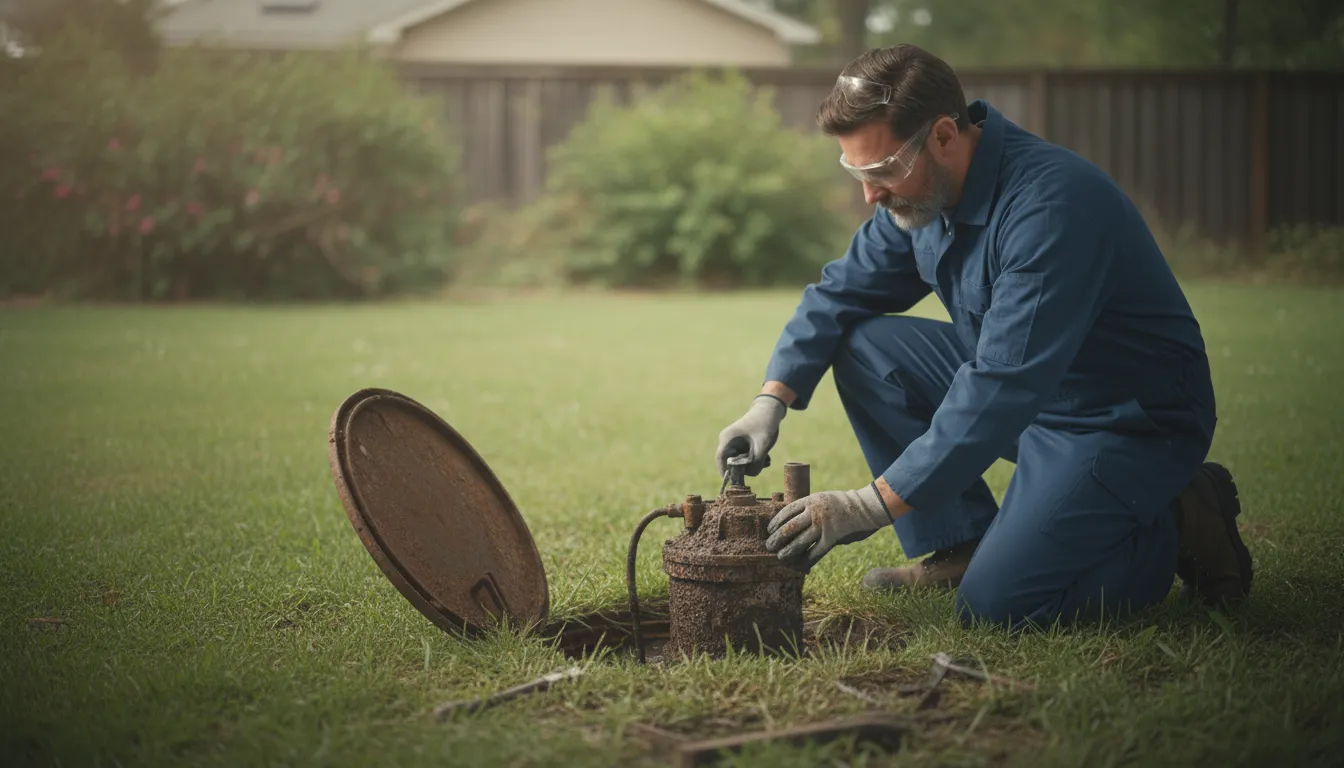
A failing septic pump can bring your household to a standstill, leading to backups, alarms, and potential environmental hazards. In Attleboro, where local soil conditions and strict state regulations govern all septic work, addressing pump issues promptly and correctly is critical. This guide explains the local process, costs, and key considerations for septic pump repair and replacement, helping you understand what to expect and how to connect with qualified professionals in the area.
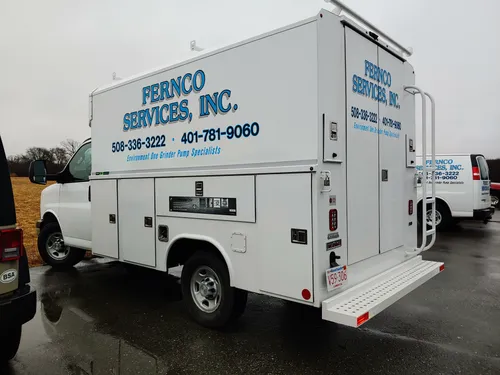
Fernco Services Inc
19 Almeida Rd, Rehoboth, MA 02769
Fernco Services Inc is a locally owned company providing septic pump repair and replacement services in Providence, RI. With over 40 years of experience, they serve both residential and commercial clients across Southern Massachusetts and Rhode Island. Their expertise includes sewage pump and grinder pump repairs, with a specialization in Environment 1 and Liberty sewage grinder pumps. Fernco Services offers routine maintenance, emergency repairs, and system upgrades to ensure wastewater systems operate efficiently and reliably.

Croome Sanitation Inc
26 Hillside Ave, Rehoboth, MA 02769
Croome Sanitation Inc is a family-owned septic service company serving Providence, RI, and the surrounding areas of Southeast Massachusetts and Rhode Island. Established in 1962, the company offers a wide range of septic system services including pumping, Title 5 inspections, sewer camera diagnostics, pump station maintenance, and excavation work. Their expertise extends to wastewater treatment systems, providing comprehensive care to maintain system health and compliance with local regulations. Croome Sanitation also offers same-day and emergency services to address urgent septic needs.
Understanding Your Septic System in Attleboro
Before diving into repairs, it's important to know what type of system you have. Most homes in the Attleboro area use either a gravity-fed system or a pressure-dosed (pump) system. Gravity systems rely on natural slope to move effluent to the drain field, while pump systems use an electric pump to push wastewater uphill or to a specialized distribution box. Repairing a septic pump or its components is specific to pressure systems and involves electrical and mechanical expertise.
The health of your entire on-site wastewater system is also deeply influenced by local soil. The North Attleborough area, which shares similar geology with Attleboro, requires detailed soil evaluations, including deep observation holes and percolation (perc) tests. These tests determine soil texture and seasonal water table depth. High clay content, common in the region, can slow drainage significantly, causing effluent to pool. This soil reality can stress system components and influence the repair or replacement options available to you 1.
Common Reasons for Pump Repair or Replacement
Septic pumps and their related components can fail for several reasons. Understanding the cause helps in diagnosing the issue and preventing a quick recurrence.
- Pump Burnout: This is often due to age, excessive solids entering the tank (from lack of pumping or garbage disposals), or a faulty float switch that causes the pump to run continuously.
- Float Switch Failure: The float switch acts as the pump's "brain," turning it on and off at the correct wastewater levels. A stuck or broken switch is a common and often simpler repair.
- Clogged Impeller or Inlet: Debris, grease, or non-biodegradable materials can clog the pump's impeller or the inlet pipe, causing it to overwork or stop moving water.
- Electrical Issues: Problems with the control panel, alarm system, wiring, or circuit breaker can prevent the pump from receiving power.
- Component Wear: Over time, seals, gaskets, and bearings within the pump assembly can wear out, leading to leaks or reduced efficiency.
The Step-by-Step Process for Attleboro Homeowners
Repairing or replacing a septic pump in Attleboro is a regulated process. Skipping steps or hiring an unlicensed contractor can lead to failed inspections, fines, and an unresolved system failure.
1. Diagnosis by a Licensed Professional
The first step is always to contact a licensed septic system professional serving Bristol County. They will inspect the tank, check the pump chamber, test electrical components, and diagnose the exact problem. For example, a local contractor like Chadsey Plumbing and Heating can determine if you need a simple switch replacement or a major pump overhaul 2.
2. Permitting with the Board of Health
In Massachusetts, nearly all septic system repairs and replacements require a permit from the local Board of Health, which enforces the state's Title 5 regulations. In North Attleborough, and similarly in Attleboro, a formal "Permit to Repair/Replace" must be obtained 3. Your contractor will typically handle this, submitting plans that comply with local codes. For instance, regulations may specify that pump rails for motors over 1 horsepower must be 2-inch stainless steel 3.
3. Soil Testing (If Required)
For repairs beyond a simple component swap-especially if the drain field is involved or the system is being altered-the Board of Health may require updated soil testing. A certified soil evaluator will perform percolation tests to confirm the soil's absorption rate, which is crucial for designing any replacement components, as noted by local installers like JPC Septic 4.
4. System Design & Engineering Approval
If the repair is complex or part of a larger system upgrade, a civil engineer or certified system designer must often create a plan. This design ensures the new pump or related components are correctly sized and integrated into the existing system. This plan must be approved by the Board of Health before work begins, a standard procedure in towns like Southborough 5.
5. Excavation & Installation
Once permitted, the contractor will excavate to access the pump chamber or related components. They will replace the faulty pump, pipes, control panel, or other parts. For a full septic pump replacement, this involves removing the old unit, installing the new pump on its guide rails, and connecting all electrical and plumbing lines 6.
6. Final Inspection & Activation
After installation, the Board of Health agent must perform a final inspection to ensure the work matches the approved plan and meets all Title 5 standards. Only after passing this inspection can the system be activated for regular use.
Find the perfect septic pump repair companies for your needs
Get personalized recommendations and expert advice
Cost Factors for Pump and System Repairs in Attleboro
Costs can vary widely based on the extent of the problem, local soil conditions, and system type. The figures below are estimates based on regional data and should be used as a guideline; always get detailed quotes from local contractors.
- Septic Pump Replacement: Replacing the pump unit itself typically ranges from $800 to $5,000+, depending on the pump's horsepower, brand, and required specifications for your system.
- Component Repairs: Fixing or replacing a baffle, riser, or the float/control panel can cost between $300 and $1,200.
- Lateral or Drain Field Repair: If the issue extends to a clogged or failed section of the leach field (a "spot repair"), costs can range from $1,500 to $8,000.
- Permits, Engineering, and Excavation: These "soft costs" are significant in Massachusetts and can add $1,500 to $7,000 or more to your project, depending on its complexity 7.
- Full System Replacement: In a worst-case scenario where the tank and entire drain field have failed, a complete septic system installation can cost between $10,000 and $40,000+ in the Attleboro area 8 9.
Important Note on Alternatives: For failing leach fields, some companies offer alternative treatment technologies that can rejuvenate the soil or provide advanced treatment, potentially avoiding the high cost of a full field replacement. For example, Septic Preservation Services offers solutions like the White Knight™ system, which may be a viable option in some cases 10.
Why Local Soil and Regulations Matter
Attleboro's regulatory and environmental landscape directly shapes your repair options. The strict Title 5 regulations are designed to protect public health and local waterways, including the Ten Mile River and other watersheds 11. Furthermore, site constraints like shallow soil depth or a high water table-common near wetlands-can limit standard repair solutions. In these cases, the Board of Health may require an elevated mound system or other specialized (and often more expensive) engineering solutions to ensure proper wastewater treatment 11.
Choosing a contractor intimately familiar with Attleboro and Bristol County's specific Board of Health requirements and common soil challenges is not just a recommendation-it's essential for a successful, legally compliant repair that will last.
Maintaining Your System Post-Repair
After investing in a repair or replacement, proper maintenance is key to protecting that investment.
- Regular Pumping: Have your septic tank pumped every 2-4 years by a licensed pumper, depending on household size and usage.
- Conserve Water: Spread out laundry loads and fix leaky fixtures to avoid hydraulically overloading the system.
- Mind What You Flush: Only human waste and toilet paper should go down the drain. Avoid grease, chemicals, wipes, and feminine hygiene products.
- Protect the Drain Field: Never park vehicles or place heavy structures on the leach field, and divert rainwater runoff away from it.
- Monitor the Alarm: If your system has a pump alarm, understand what it sounds like and who to call if it activates.
Frequently asked questions
Sources
Footnotes
-
How Soil Type Affects Septic System Performance - Septic Blue of Raleigh ↩
-
Septic Repair Attleboro, MA - Chadsey Plumbing And Heating ↩
-
BOARD of HEALTH SEPTIC MANAGEMENT REGULATION - North Attleboro, MA ↩ ↩2
-
Septic Repair vs. Replacement: A Guide to Costs & Red Flags ↩
-
Cost Of Septic System Restoration Vs Septic System Replacement ↩