Find the Best Septic Pump Repair Companies for Your Business
No obligation • Fast responses • Nationwide coverage

Why you can trust Septic Spot
Septic Spot is a leading United States resource for understanding and comparing septic services. Our editors review providers using consistent criteria and verify key business details. Listings and scores are independent, and companies cannot pay to influence our content.
Search providers near you
Top Septic Pump Repair Companies in Boston, Massachusetts Ranked
Maintaining a functional septic system is a critical responsibility for homeowners in Boston and its surrounding suburbs. When a pump fails or the entire system shows signs of distress, timely and professional intervention is essential to protect your property value, comply with strict state regulations, and ensure environmental safety. This guide provides a detailed look at septic pump repair and full system replacement in the Boston area, helping you understand the process, costs, and local considerations to make an informed decision when seeking service.
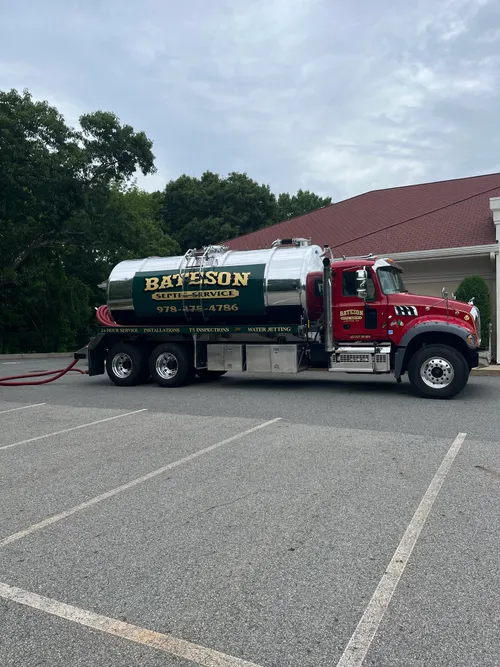
Bateson Enterprises Inc
111 Argilla Rd, Andover, MA 01810
Bateson Enterprises Inc is a septic system company serving Lowell, MA, and the surrounding areas. They provide a range of septic services including tank installation, system repair, pumping, and inspections. The company also offers specialized services such as water jetting, mainline snaking, video inspection, and Title V inspections. With over 30 years of experience, Bateson Enterprises Inc handles all types of septic systems and related repairs. They are equipped to manage both maintenance and emergency needs for residential and commercial septic systems.

Wayne's Drains
36 Grant Ave, Burlington, MA 01803
Wayne's Drains is a family-owned business serving Boston, MA, and the Greater Boston area since 2000. They provide commercial, industrial, and residential sewer and drain cleaning services, including septic tank pumping, maintenance, and repair. Their capabilities include high-pressure water jetting, video camera inspections, and electronic pipe locating. The company offers emergency sewer and drain cleaning services 24/7 throughout metropolitan Boston and eastern Massachusetts.
Understanding Your Boston-Area Septic System
A septic system is an on-site wastewater treatment structure, typically consisting of a tank and a drainfield (or leach field). In a standard gravity system, solids settle in the tank while liquids flow out to the drainfield. However, many properties in Eastern Massachusetts require more complex setups. Due to challenging soil conditions or elevation issues, a septic pump (or effluent pump) is often installed to move wastewater from the tank to the drainfield 1. When this pump or its components fail, wastewater can back up into the home or surface on the lawn, creating a health hazard. Understanding whether you have a gravity system or a pump-assisted system is the first step in diagnosing problems.
Common Reasons for Septic Pump and System Failure
Several factors can lead to the need for septic pump servicing or major septic system repairs in the Boston region.
- Mechanical Pump Failure: The pump itself can burn out due to age, electrical issues, or running dry. Float switches, which control the pump's operation, are also common points of failure.
- Clogs and Blockages: Solids escaping the tank, root intrusion, or non-flushable items can clog the pump, discharge lines, or distribution box.
- Drainfield Failure: This is often the most serious and expensive issue. It occurs when the soil in the leach field becomes clogged (a condition called "biomat" buildup) and can no longer absorb effluent. Symptoms include soggy ground, sewage odors, and slow drains in the house.
- Structural Tank Damage: Older concrete tanks can crack or collapse, while even modern plastic or fiberglass tanks can be damaged by vehicle traffic or ground shifting.
The Impact of Massachusetts Title V Regulations
A unique and powerful driver for septic work in Massachusetts is the Title V law 2. This state regulation requires a thorough inspection of any septic system during a property transfer (sale). If the system fails this inspection, the seller is legally obligated to repair or replace it to compliance standards before the sale can be finalized 3 4. This means many homeowners face unexpected, mandatory septic projects not because of an immediate failure, but due to the stringent requirements of a real estate transaction. The inspection itself typically costs between $300 and $500.
Local Soil and Site Conditions in Boston
The cost and complexity of your septic repair are heavily influenced by your specific property conditions, which vary widely across the Greater Boston area.
- Sandy, Well-Draining Soils: Found in some areas, these soils are ideal for standard gravity drainfields and generally lead to simpler, less expensive repairs.
- High Water Tables and Heavy Clay: Common in coastal and marshy regions around Boston, these conditions prevent proper drainage. They often necessitate engineered systems like pressurized dose systems or raised mound systems, which use sand filters and pumps to treat and disperse wastewater. Repairing or replacing these complex systems is significantly more costly.
- Lot Constraints: In historic, densely built suburbs, limited space for excavation or for installing a new drainfield can increase labor complexity and cost.
Breakdown of Septic Repair and Replacement Costs
Costs for septic work in Boston have a very wide range, determined by the scope of the problem and your site's conditions. Always consult with licensed local professionals for precise quotes.
Common Repair Costs
Many issues can be resolved without a full system overhaul:
- Pump or Float Replacement: $300 - $5,000. The wide range depends on the pump type (effluent vs. grinder) and accessibility.
- Baffle or Riser Repair: $300 - $1,200. These tank components help control flow and allow for service access.
- Distribution Box Replacement: $600 - $1,300. The "D-box" evenly distributes effluent to the drainfield lines 5.
- Filter Cleaning or Hydro-Jetting: $500 - $1,500. This cleans the system's internal filters or scours the pipes 6.
Major Replacement and Repair Costs
When the drainfield fails or the tank is compromised, major work is needed:
- Full Septic System Replacement: $10,000 - $40,000+. This is the cost for a completely new tank and drainfield, with the high end reflecting complex mound systems for difficult soils 7.
- Drainfield Repair or Replacement: $3,000 - $15,000. Sometimes only the leach field needs to be addressed 8.
- Permitting and Engineering Fees: $460 - $2,770+. Massachusetts requires engineered plans and soil testing (often called a "perc test"), approved by the local Board of Health 9 10.
Find the perfect septic pump repair companies for your needs
Get personalized recommendations and expert advice
The Step-by-Step Process for Major Septic Work
Whether facing a repair or a full replacement, homeowners can expect a multi-stage process.
- Inspection and Diagnosis: A professional will locate and assess the system, often using cameras, to determine the exact problem. This crucial step costs $300-$500 and informs the repair plan 11 12.
- Permitting and Design: For any major work, an engineer will design a solution that complies with Title V. This involves soil evaluation and submitting plans to the local health board for a permit.
- Excavation and Installation: The old tank and/or drainfield are safely removed, and new components are installed. This is the most labor-intensive phase.
- Final Inspection and Backfilling: The local health agent must inspect the new installation before the site can be backfilled and restored.
Financial Assistance: The Massachusetts Tax Credit
A significant benefit for Massachusetts homeowners is the Septic System Tax Credit. You may be eligible for an income tax credit of up to 60% of the repair or replacement cost, with a maximum credit of $18,000 13. This can substantially offset the financial burden of a major septic project. Consult with your tax advisor and septic contractor to ensure you properly document the project for this credit.
Repair vs. Replacement: Making the Decision
Choosing between fixing a component and investing in a new system is a major decision. Consider replacement if:
- The drainfield has completely failed (soggy yard, sewage backup).
- The tank is structurally compromised (cracks, collapse).
- Your system is very old and repeatedly needs repairs.
- You are failing a Title V inspection and repairs cannot bring it to compliance.
Opt for repair if:
- The issue is isolated (a single failed pump, clogged line, or damaged baffle).
- The drainfield is still functioning adequately.
- A professional assessment confirms repair is a viable, long-term solution.
Maintaining Your System to Avoid Costly Repairs
Preventative maintenance is the most cost-effective strategy. Have your tank pumped every 2-3 years, conserve water to avoid overloading the system, and never flush chemicals, wipes, or grease. Regularly inspecting the pump and its components can also catch small issues before they lead to a full system failure.
Frequently asked questions
Sources
Footnotes
-
How Does a Septic System Work? - https://curtisseptic.com/how-does-a-septic-system-work/ ↩
-
Septic Systems & Title 5 New Construction - Mass.gov - https://www.mass.gov/info-details/septic-systems-title-5-new-construction ↩
-
Massachusetts Title 5 Septic Rules - Martha's Vineyard Buyer Agents - https://www.mvbuyeragents.com/title-5-septic-systems-faq ↩
-
About Septic Systems & Buying a Home - Christine McLellan - William Raveis Real Estate - https://www.christinemclellan.com/blog/about-septic-systems-for-home-buyers ↩
-
Septic Repair vs. Replacement: How to Decide What's Best for Your System - https://www.townesseptic.com/blog/septic-repair-vs-replacement ↩
-
How Much Does a Septic System Cost: Replacement and New - https://www.jkawelldrilling.com/how-much-does-a-septic-system-cost-replacement-and-new/ ↩
-
How Much Does It Cost to Replace a Septic System? - https://alphaenvironmental.net/blog/how-much-cost-replace-septic-system/ ↩
-
Septic Repair vs. Replacement: A Guide to Costs & Red Flags - https://prosepticri.com/septic-repair-vs-replacement-guide/ ↩
-
How Much Does Septic Tank Repair Cost? [2026 Data] | Angi - https://www.angi.com/articles/how-much-does-repairing-septic-tank-cost.htm ↩
-
Septic Tank Replacement Explained: Costs, Lifespan, And ... - https://www.theseptictankman.com/blog/septic-tank-replacement-explained-costs-lifespan-and-what-to-expect ↩
-
How Much Does Failed Septic System Cost? - https://www.septicconnection.com/how-much-does-failed-septic-system-cost ↩
-
Cost Of Septic System Restoration Vs Septic System Replacement - https://www.aero-stream.com/cost-of-septic-system-restoration-vs-septic-system-replacement/ ↩
-
Start to Finish Septic Installation - https://jpcseptic.com/septic/ ↩