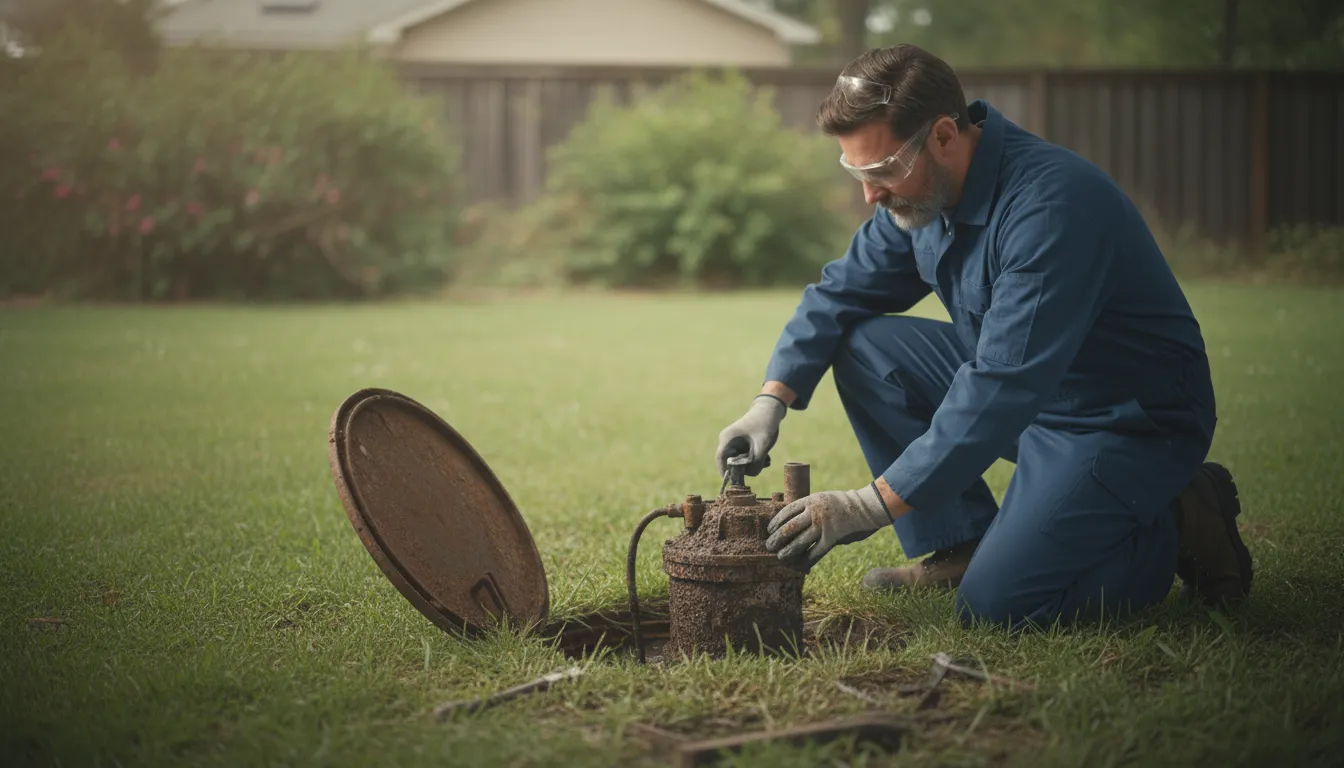
Find the Best Septic Pump Repair Companies for Your Business
No obligation • Fast responses • Nationwide coverage

Why you can trust Septic Spot
Septic Spot is a leading United States resource for understanding and comparing septic services. Our editors review providers using consistent criteria and verify key business details. Listings and scores are independent, and companies cannot pay to influence our content.
Search providers near you
Top Septic Pump Repair Companies in Haverhill, Massachusetts Ranked
A failing septic pump or a malfunctioning septic system can bring your household to a standstill, posing health risks and potential property damage. Septic pump repair and system replacement are critical services for maintaining a safe and functional wastewater system for homes not connected to municipal sewer lines. This guide provides essential information for Haverhill homeowners to understand the process, costs, and local regulations involved in fixing or replacing a septic system, helping you make informed decisions when seeking local service providers.
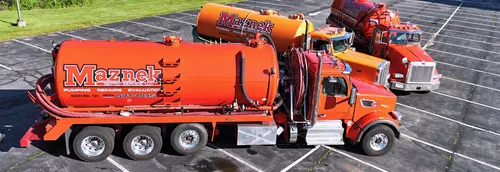
Maznek Septic Services LLC
41 Wendover Way, Bedford, NH 03110
Maznek Septic Services LLC provides comprehensive septic system services in Manchester, NH, and surrounding areas of central and southern New Hampshire. Their offerings include septic tank pumping, inspections by certified evaluators, septic system repairs, and drain field maintenance. The company is skilled in septic pump replacement and grease trap pumping for commercial clients such as restaurants and hospitals. Maznek Septic Services also performs system locating and camera scans to support real estate transactions and pre-construction planning. Their approach includes thorough septic tank cleaning and component checks to help prevent costly repairs and system failures.
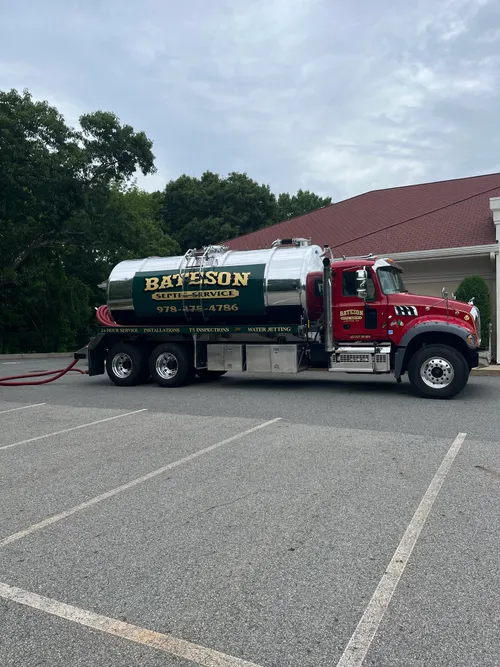
Bateson Enterprises Inc
111 Argilla Rd, Andover, MA 01810
Bateson Enterprises Inc is a septic system company serving Lowell, MA, and the surrounding areas. They provide a range of septic services including tank installation, system repair, pumping, and inspections. The company also offers specialized services such as water jetting, mainline snaking, video inspection, and Title V inspections. With over 30 years of experience, Bateson Enterprises Inc handles all types of septic systems and related repairs. They are equipped to manage both maintenance and emergency needs for residential and commercial septic systems.
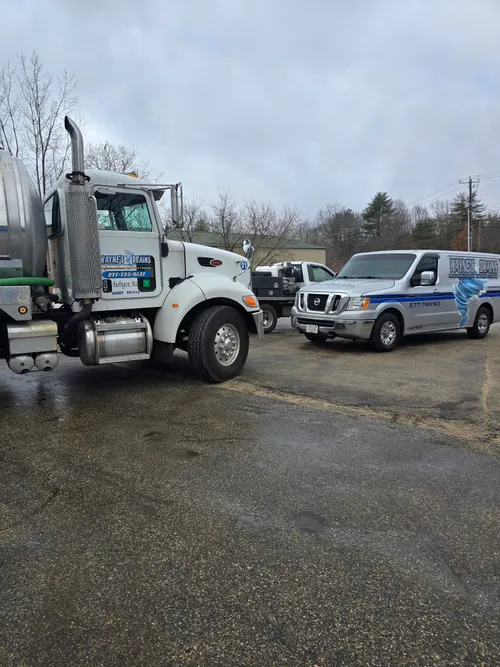
Wayne's Drains
36 Grant Ave, Burlington, MA 01803
Wayne's Drains is a family-owned business serving Boston, MA, and the Greater Boston area since 2000. They provide commercial, industrial, and residential sewer and drain cleaning services, including septic tank pumping, maintenance, and repair. Their capabilities include high-pressure water jetting, video camera inspections, and electronic pipe locating. The company offers emergency sewer and drain cleaning services 24/7 throughout metropolitan Boston and eastern Massachusetts.
Understanding Your Septic System in Haverhill
A septic system is an on-site wastewater treatment structure, typically consisting of a tank and a soil absorption field (leach field). Solid waste settles in the tank, where bacteria begin to break it down, while liquid effluent flows out to the leach field for further filtration into the soil 1. The pump is a crucial component in many systems, especially in areas where gravity flow isn't possible; it moves effluent from the tank to the distribution box and leach field. When this pump or its associated components fail, immediate septic system repair is necessary to prevent backups and environmental contamination.
In Haverhill, all septic system work is governed by the Massachusetts State Environmental Code, Title 5. The Haverhill Health Department strictly enforces these regulations, which mandate that all repairs and installations be performed by state-certified system installers and inspected by certified inspectors. This ensures that work protects public health and the local environment, particularly important given the region's varied soil conditions.
Common Reasons for Septic Pump and System Repairs
System failures requiring professional septic service can arise from several issues. Recognizing the signs early can prevent more extensive and costly damage.
- Pump Failure: The submersible pump that moves effluent can burn out due to age, electrical issues, or running dry. Symptoms include alarms sounding, soggy ground around the tank, and drains not flowing.
- Control Panel or Float Switch Malfunction: The electrical controls that tell the pump when to turn on and off can fail, leaving the pump inoperative or causing it to run continuously.
- Clogged or Broken Piping: Pipes leading from the tank to the distribution box or within the leach field can become blocked by roots or sludge, or can crack and leak.
- Tank Structural Issues: Cracks in the tank, failed baffles (which keep scum and sludge in the tank), or a deteriorating lid can compromise the entire system.
- Leach Field Failure: This is often the most serious issue, indicated by surfacing sewage, soggy yards, and persistent odors. Failure can be caused by soil compaction, hydraulic overloading, or biomat buildup.
For older properties, the system in place might be a cesspool-an underground container that simply collects sewage without proper treatment. Under Title V, cesspools are considered substandard and often must be completely replaced with a modern septic system upon sale of the property or upon failure 2.
The Septic Repair and Replacement Process in Haverhill
Navigating a major septic fix involves a multi-step process designed to comply with local health codes.
- Professional Inspection: The first step is always a thorough assessment by a certified professional to diagnose the problem. This may involve locating the tank, checking the pump and electrical components, and assessing the leach field.
- Title V Inspection & Soil Evaluation: For significant repairs or any replacement, a formal Title V inspection is often required. If replacement is needed, a soil evaluator (often called a "perk test") must be conducted to determine the soil's absorption rate and water table level. This dictates the engineering design of the new system 3.
- Engineering Design & Permitting: Based on the soil evaluation, a system designer or engineer creates a plan for the repair or new installation. This plan, along with the necessary permit applications, must be submitted to the Haverhill Board of Health for approval before any work begins. Permit fees for repairs typically range from $225 to $350 4 5.
- Excavation and Installation/Repair: Once permitted, the certified installer will excavate the necessary areas. For a repair, this may mean accessing and replacing the pump, control panel, or piping. For a full system replacement, this involves removing the old components and installing the new tank and engineered leach field.
- Final Inspection and Approval: After installation, a final inspection by the local health department or a certified inspector is required to ensure the work meets all code requirements. Only after this approval is the system considered legal and operational 6.
Cost Factors for Septic Services in Haverhill
The cost of septic system work in Haverhill varies widely based on the scope of the problem, the type of system required, and local site conditions. Here is a general breakdown of potential costs 7:
- Pump or Alarm Replacement: Repairing or replacing a failed submersible pump, control panel, or float switch typically ranges from $800 to $5,000.
- Tank Baffle or Component Repair: Fixing internal tank components like baffles or repairing inlet/outlet pipes can cost between $300 and $1,200.
- Full System Replacement: This is the most significant expense. Replacing an entire failed septic system, including tank and leach field, generally ranges from $10,000 to over $40,000.
The high end of replacement costs is frequently driven by Haverhill's soil and terrain. Properties with high groundwater tables, rocky ledges, or very shallow soil often cannot support a standard gravity-fed system. In these cases, an engineered system is required. Examples include:
- Mound Systems: Effluent is pumped to an elevated sand mound constructed above the natural soil.
- Pressure-Dosed Systems: Effluent is evenly distributed across the leach field using a pump and a network of small-diameter pipes.
These advanced systems involve more complex design, additional materials (like sand), and significant extra excavation, which substantially increases the total cost 8 9.
Find the perfect septic pump repair companies for your needs
Get personalized recommendations and expert advice
Local Regulations and Financial Assistance
Haverhill homeowners must be aware of specific local mandates. The Haverhill Health Department requires permits for all system repairs and replacements, and all work must be done by licensed professionals. It's crucial to verify that any contractor you hire is certified by the state for the specific work required.
There is also important financial relief available. The state of Massachusetts offers a Septic System Tax Credit for the repair or replacement of a failed system. This credit can cover up to 60% of the eligible costs, with a maximum credit of $18,000 10. Homeowners should consult with their tax professional and retain all receipts and documentation from the installation to claim this valuable credit.
Maintaining Your System to Avoid Costly Repairs
Proactive maintenance is the most effective way to avoid emergency septic pump service or a catastrophic system failure. Key maintenance steps include:
- Regular Pumping: Have your septic tank pumped by a professional every 2-5 years, depending on household size and usage.
- Water Conservation: Spread out laundry loads, fix leaky faucets, and use water-efficient fixtures to avoid overloading the system.
- Mind What You Flush: Never flush anything besides human waste and toilet paper. Avoid grease, chemicals, pharmaceuticals, and "flushable" wipes.
- Protect the Drain Field: Never park vehicles or place heavy structures on the leach field. Keep roof drains and sump pumps directed away from it.
By understanding the process, costs, and regulations outlined here, Haverhill residents can approach necessary septic system work with confidence, ensuring their home's wastewater system is safe, compliant, and functional for years to come.
Frequently asked questions
Sources
Footnotes
-
How Your Septic System Works - Lakes Region Septic Services - https://lakesregionseptic.services/2021/07/09/how-your-septic-system-works-2/ ↩
-
Cesspools and Seepage Pits - https://allclearseptic.com/cesspools-and/ ↩
-
Septic Installation & Repairs - Lagasse Companies - https://www.lagassecompanies.com/septic-installation-repairs/ ↩
-
Septic Systems and Wells | City of Haverhill - https://www.haverhillma.gov/living-here/waterwastewater-services/wastewater/septic-systems-and-wells/ ↩
-
Septic System: Repairing / Replacing - Southborough, MA - https://www.southboroughma.gov/348/Septic-System-Repairing-Replacing ↩
-
How Much Does Failed Septic System Cost? - https://www.septicconnection.com/how-much-does-failed-septic-system-cost ↩
-
Septic Repair vs. Replacement: A Guide to Costs & Red Flags - https://prosepticri.com/septic-repair-vs-replacement-guide/ ↩
-
Understanding the Costs of Septic Tank Installation and Repair - https://mathisandsonsseptic.com/mathis-sons-septic-blog-orlando-fl/understanding-the-costs-of-septic-tank-installation-and-repair/ ↩
-
Septic System Installation & Replacement in MA - CSI - https://csi-gc.com/septic-system-install/ ↩
-
Start to Finish Septic Installation - https://jpcseptic.com/septic/ ↩