Find the Best Septic Pump Repair Companies for Your Business
No obligation • Fast responses • Nationwide coverage

Why you can trust Septic Spot
Septic Spot is a leading United States resource for understanding and comparing septic services. Our editors review providers using consistent criteria and verify key business details. Listings and scores are independent, and companies cannot pay to influence our content.
Search providers near you
Top Septic Pump Repair Companies in Peabody, Massachusetts Ranked
Maintaining a healthy septic system is a critical responsibility for homeowners not connected to municipal sewer lines. When a septic pump fails or the entire system reaches the end of its lifespan, timely repair or replacement is essential to prevent backups, environmental contamination, and costly property damage. This guide provides a detailed overview of septic pump repair and full system replacement in Peabody, Massachusetts, covering local costs, regulations, and the step-by-step process to help you understand your options and connect with qualified local professionals.
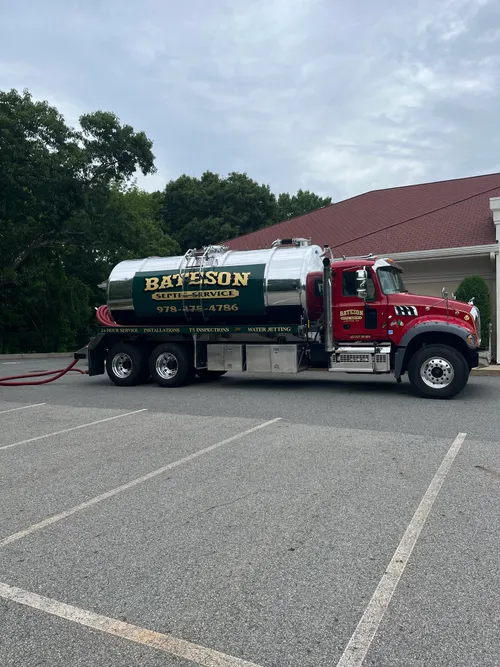
Bateson Enterprises Inc
111 Argilla Rd, Andover, MA 01810
Bateson Enterprises Inc is a septic system company serving Lowell, MA, and the surrounding areas. They provide a range of septic services including tank installation, system repair, pumping, and inspections. The company also offers specialized services such as water jetting, mainline snaking, video inspection, and Title V inspections. With over 30 years of experience, Bateson Enterprises Inc handles all types of septic systems and related repairs. They are equipped to manage both maintenance and emergency needs for residential and commercial septic systems.

Wayne's Drains
36 Grant Ave, Burlington, MA 01803
Wayne's Drains is a family-owned business serving Boston, MA, and the Greater Boston area since 2000. They provide commercial, industrial, and residential sewer and drain cleaning services, including septic tank pumping, maintenance, and repair. Their capabilities include high-pressure water jetting, video camera inspections, and electronic pipe locating. The company offers emergency sewer and drain cleaning services 24/7 throughout metropolitan Boston and eastern Massachusetts.
Understanding Your Septic System and Common Failures
A septic system is a private wastewater treatment plant for your home. In a typical system, waste flows from your house into a septic tank, where solids settle and begin to decompose. The liquid effluent then exits the tank into a drainfield (or leach field), where it percolates through the soil for final treatment. A septic pump, or effluent pump, is used in systems where gravity cannot move the wastewater from the tank to the drainfield, which is common in homes with the drainfield situated uphill from the tank or in certain engineered system designs.
Failures can occur in different components:
- Pump or Control Malfunctions: The pump itself can burn out, or float switches and control panels can fail, halting the movement of wastewater.
- Tank Issues: Cracks, leaks, or structural failure of the concrete, fiberglass, or plastic tank.
- Drainfield Failure: This is often the most serious and expensive problem, occurring when the soil becomes clogged and can no longer absorb effluent, leading to surfacing wastewater or backups into the home.
Key Factors Influencing Repair and Replacement in Peabody
Several local factors significantly impact the scope and cost of septic work in the Peabody area.
Massachusetts Title 5 Regulations
All septic system work in Massachusetts is governed by the state's Title 5 code 1. This isn't just a guideline-it's a strict set of rules enforced by your local Board of Health. Any significant repair or full replacement requires a permit and inspection from the Peabody Board of Health. The regulations mandate system inspections, dictate design standards, and often require that a licensed civil engineer design the system, especially for repairs or replacements in challenging conditions 2. This engineering step adds to the overall cost but is non-negotiable for compliance.
Challenging Soil Conditions
The soil in and around Peabody often contains heavy clay or has shallow bedrock 3. Clay soil has very slow permeability, meaning it does not drain water well. If a standard soil evaluation (a "perc test") fails, you cannot install a conventional gravity-fed drainfield. In these cases, the system must be engineered to overcome the poor soil. This frequently means installing a raised bed system, commonly called a "mound system," or another alternative technology like a pressurized drip dispersal system. These engineered systems are substantially more complex and expensive to install than conventional systems.
System Type and Age
The type of system you have dictates repair complexity. Fixing a pump or a clogged filter in a standard system is relatively straightforward. However, repairing or replacing components in an alternative system (like a mound, aerobic treatment unit, or sand filter) requires specialized knowledge and parts, increasing costs 4. The age of your system is also a major factor. Older systems, especially those nearing or exceeding a 25-40 year lifespan, are more likely to need a complete replacement rather than a simple repair.
The Step-by-Step Process for Repair or Replacement
Whether you're facing a minor pump issue or a complete system failure, the process typically follows these stages.
1. Inspection and Problem Assessment
The first step is always a professional inspection. A certified inspector or septic contractor will likely pump out your tank to get a clear view. They will then inspect the tank's baffles, check the pump and electrical components, and assess the drainfield's condition. This diagnosis determines whether the problem is an isolated component failure (like a broken pump) or a sign of total system failure 5.
2. Soil Testing and System Design (If Replacing)
If the inspection concludes that a new drainfield or full system is needed, the next phase is planning the replacement. A licensed soil evaluator must perform a percolation test and deep hole observation to determine the soil's suitability. Based on these results and your property's layout, a civil engineer will design a system that complies with Title 5. For poor soils, this design will be for an engineered alternative system 6.
3. Permitting
The engineered design plans are submitted to the Peabody Board of Health for a construction permit. You cannot begin any excavation or installation work without this permit. The review process ensures the proposed system protects public health and the environment.
4. Repair or Installation Work
Once permitted, the contractor can begin work. For a pump repair, this involves excavating to access the pump chamber, replacing the faulty pump or controls, and testing the new installation. For a full septic system replacement, the process is extensive: the old tank and drainfield are excavated and properly disposed of, the new tank is set, and the new drainfield (which may involve bringing in tons of specific sand and gravel for a mound) is constructed.
5. Final Inspection
After installation, the Board of Health agent must inspect the work before the excavation is backfilled. Once approved, the contractor can finish the job, and your new system is ready for use.
Find the perfect septic pump repair companies for your needs
Get personalized recommendations and expert advice
Cost Breakdown for Septic Services in Peabody
Costs in Peabody can vary widely based on the factors discussed above, but here are general price ranges based on regional data 7.
- Pump or Control Component Repair: Repairing or replacing a septic effluent pump, including parts and labor, typically ranges from $800 to $5,000. The wide range accounts for pump horsepower, depth of installation, and whether the control panel also needs replacement.
- Tank Filter or Minor Baffle Repair: Fixing a clogged outlet filter or a damaged tank baffle is usually less invasive, costing between $200 and $1,000.
- Drainfield Repair: Partial drainfield repair, such as replacing a few clogged lines, can cost between $3,000 and $15,000. A complete new drainfield is part of a full system replacement.
- Full Septic System Replacement: This is the most significant expense. For a conventional system replacement in favorable soil, homeowners might pay $10,000 to $25,000. However, in Peabody's often difficult soil conditions, requiring an engineered mound or alternative system, costs frequently range from $20,000 to $40,000 or more 8 9.
Important Financial Note: Massachusetts offers a valuable incentive for homeowners facing these large bills. The state provides a Septic System Repair or Replacement Tax Credit that can cover 60% of the eligible costs, up to a maximum credit of $18,000 10. This can dramatically reduce the out-of-pocket expense for a necessary replacement.
Signs You Need Service: Repair vs. Replacement
How do you know if you need a simple fix or a major overhaul?
Signs pointing to a needed repair:
- The pump alarm is sounding.
- Slow drains or gurgling pipes, but no sewage backups.
- A foul odor near the tank or pump chamber, but not near the drainfield.
- Lush, green grass over the drainfield (a minor early sign of excess nutrients).
Red flags indicating likely replacement is needed:
- Sewage backing up into household drains or toilets.
- Soggy ground, standing water, or foul odors in the yard near the drainfield.
- Multiple repairs needed in a short period for an older system.
- A failed Title 5 inspection, which is required during property transfer in Massachusetts.
Choosing a Contractor in Peabody
Selecting the right professional is crucial. Look for a contractor licensed by the Massachusetts Department of Environmental Protection. They should be intimately familiar with Title 5, the Peabody Board of Health's specific requirements, and have extensive experience installing the types of engineered systems common in the area's clay soils. Always get multiple detailed written estimates, check references, and verify insurance.
Frequently asked questions
Sources
Footnotes
-
Septic System: Repairing / Replacing - Southborough, MA - https://www.southboroughma.gov/348/Septic-System-Repairing-Replacing ↩
-
Sharon's guide to septic systems - https://www.townofsharon.net/septic-system-information/files/sharon%E2%80%99s-guide-to-septic-systems ↩
-
How Soil Type Affects Septic System Performance - https://www.septicblueraleigh.com/how-your-soil-determines-your-septic-systems-success.html ↩
-
Septic Tank Replacement Explained: Costs, Lifespan, And What To ... - https://www.theseptictankman.com/blog/septic-tank-replacement-explained-costs-lifespan-and-what-to-expect ↩
-
When You Need Septic Drain Field Repair | Western MA - https://excavationplus.net/septic/septic-drain-field-health-and-when-repair-or-replacement-is-necessary/ ↩
-
Septic System Installation & Replacement in MA - CSI - https://csi-gc.com/septic-system-install/ ↩
-
Understanding the Costs of Septic Tank Installation and Repair: A Guide for Homeowners - https://mathisandsonsseptic.com/mathis-sons-septic-blog-orlando-fl/understanding-the-costs-of-septic-tank-installation-and-repair/ ↩
-
How Much Does Septic Tank Repair Cost? [2026 Data] | Angi - https://www.angi.com/articles/how-much-does-repairing-septic-tank-cost.htm ↩
-
Start to Finish Septic Installation - https://jpcseptic.com/septic/ ↩
-
Septic Repair vs. Replacement: A Guide to Costs & Red Flags - https://prosepticri.com/septic-repair-vs-replacement-guide/ ↩