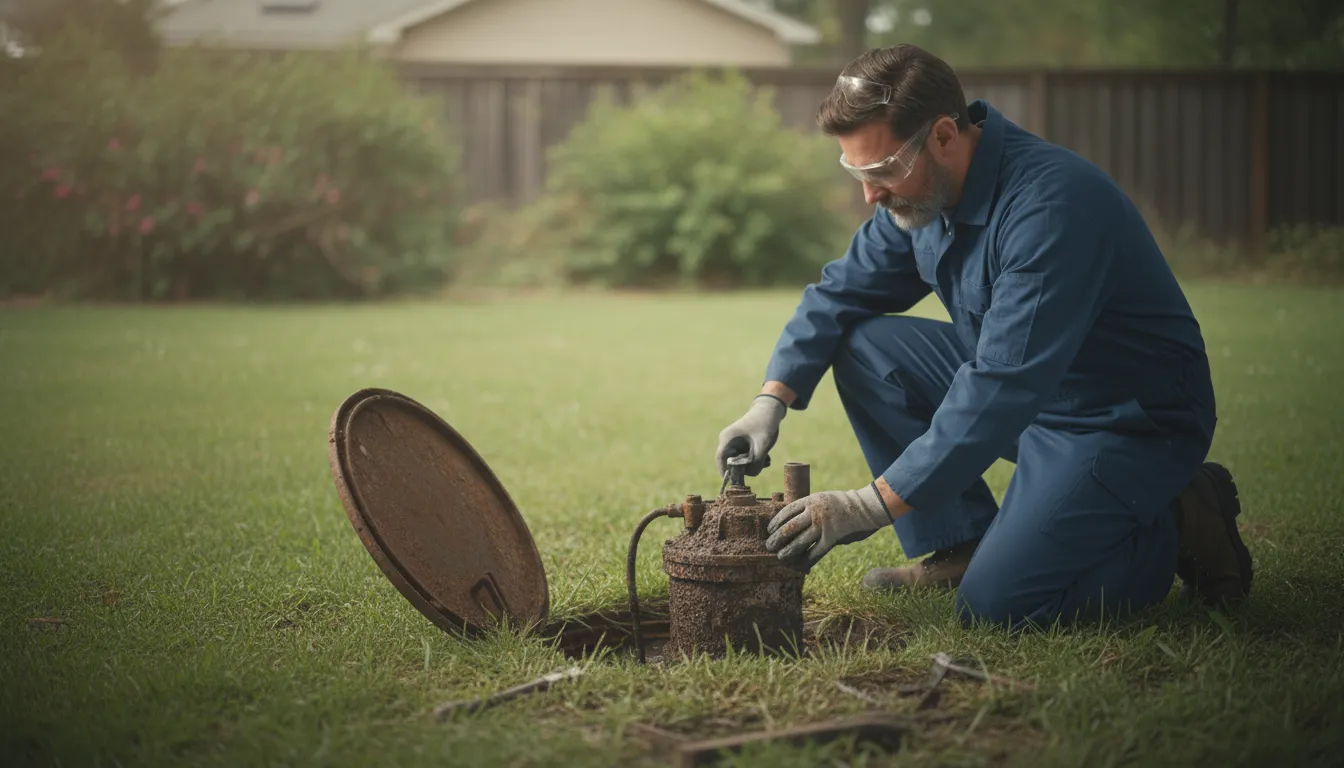
Find the Best Septic Pump Repair Companies for Your Business
No obligation • Fast responses • Nationwide coverage

Why you can trust Septic Spot
Septic Spot is a leading United States resource for understanding and comparing septic services. Our editors review providers using consistent criteria and verify key business details. Listings and scores are independent, and companies cannot pay to influence our content.
Search providers near you
Top Septic Pump Repair Companies in Grand Rapids, Michigan Ranked
Maintaining a functional septic system is a critical responsibility for homeowners not connected to municipal sewer lines. When a septic pump fails or the entire system shows signs of distress, timely and professional repair or replacement is essential to protect your property value, your family's health, and the local environment. This guide provides a detailed overview of septic pump and system services in Grand Rapids, helping you understand the process, costs, and local considerations to make an informed decision when seeking a qualified professional.

Understanding Your Grand Rapids Septic System
A residential septic system is a private wastewater treatment plant, typically consisting of a tank and a soil-absorption field (drainfield). Wastewater from your home flows into the septic tank, where solids settle and begin to decompose. The clarified liquid (effluent) then exits the tank and is dispersed into the drainfield for final treatment by the soil. In many West Michigan homes, especially where the drainfield is at a higher elevation than the tank or soil conditions are poor, a septic pump (or lift station) is a crucial component. This pump moves effluent from the tank to the drainfield. When this pump or other system components fail, you're faced with the decision between targeted septic system repair or a complete septic system replacement.
How Local Soil Conditions Dictate System Design and Cost
The success and type of your septic system are fundamentally tied to the soil on your property. This is a primary factor that local health departments evaluate during the permitting process.
- Sandy Soil: Ideal for conventional systems. Sandy soils in parts of Kent County allow for efficient percolation, meaning the effluent can filter through the ground naturally via gravity. This supports the most common and often least expensive system type 1.
- Heavy Clay Soil: Common in West Michigan and a significant challenge. Clay soils drain very poorly, which can lead to ponding, system backup, and failure 2. Properties with heavy clay or a high water table typically require an engineered system.
- Engineered Systems (Mound/Bed): When soil or site conditions won't support a conventional system, an engineered solution is mandated. This often involves constructing a sand mound or elevated sand bed above the natural soil grade. These systems are more complex, require more space, and are significantly more expensive to install but are necessary for proper function in challenging conditions 3.
The Step-by-Step Process for Repair or Replacement
Whether you need a simple pump fix or a full system overhaul, the process generally follows these key steps:
- Inspection and Diagnosis: The first step is always a professional assessment. A local septic expert will determine the root cause of the problem-whether it's a failed pump, a clogged inlet/outlet baffle, a damaged tank, or a saturated drainfield. Accurate diagnosis prevents unnecessary work.
- Permitting and Site Evaluation: Before any excavation begins, you must contact the Kent County Health Department. They will review your property, often requiring a soil evaluation (like a percolation test) to determine the appropriate system type and size for your household and land. No legitimate work proceeds without the proper permits.
- Excavation and Installation: This is the physical work. For a pump replacement, the excavation is targeted. For a new drainfield or tank, it's extensive. The old components are removed, and new ones are installed according to the approved plan 4.
- Final Inspection and Backfill: Once installation is complete, the health department must inspect the work to ensure it meets all codes and regulations. Only after they approve can the system be covered (backfilled) and put into service 5.
Cost Breakdown for Septic Services in Grand Rapids
Understanding potential costs helps in planning and budgeting. Prices can vary widely based on system type, soil conditions, and property accessibility.
- Septic Pump Repair or Replacement: Replacing a standard effluent pump typically costs between $800 and $3,000. Grinder pumps, which macerate solids, are more expensive. Minor repairs to components like baffles or risers may range from $300 to $1,200.
- Septic Tank Replacement: If the tank itself is cracked or failing, replacement costs $3,000 to $6,0006.
- Drainfield Repair: Repairing a portion of a failing drainfield can cost between $3,000 and $15,000, depending on the extent of the problem and soil conditions.
- Full Septic System Replacement: This is the most significant investment. For a conventional system, homeowners can expect to pay $10,000 to $20,000. For the engineered mound systems often required in Grand Rapids's clay-heavy areas, costs frequently range from $20,000 to $40,000 or more7 8.
Find the perfect septic pump repair companies for your needs
Get personalized recommendations and expert advice
Financial Assistance for Michigan Homeowners
The high cost of a system replacement can be daunting. Michigan offers a valuable resource through Michigan Saves, a nonprofit that provides affordable, accessible financing for home energy and water improvements. Homeowners can access low-interest loans of up to $50,000 specifically for replacing failing septic systems 9 10. These loans, with interest rates as low as 1-3%, can make a necessary replacement project financially feasible, protecting both your home and the surrounding watershed.
Signs You Need Professional Attention
Don't ignore warning signs from your septic system. Early intervention can mean the difference between a repair and a catastrophic replacement.
- Slow Drains or Sewage Backups: The most urgent red flag.
- Soggy Ground or Foul Odors in the yard near the drainfield or tank.
- Unusually Green Grass over the drainfield, indicating nutrient-rich effluent is surfacing.
- Gurgling Sounds in your plumbing.
- Alarms from your septic pump control panel.
If you notice any of these signs, contact a licensed septic professional in Grand Rapids immediately for a diagnosis.
Choosing a Service Provider in Grand Rapids
Selecting the right contractor is crucial. Look for a company with:
- Proper Licensing: Ensure they are licensed to work in Kent County.
- Local Experience: Familiarity with local soil types (especially clay) and health department protocols is invaluable.
- Comprehensive Services: Ability to handle everything from diagnosis and permitting to excavation, installation, and coordinating health department inspections.
- Transparent Estimates: Detailed written quotes that break down costs for equipment, labor, and permitting.
- Positive References: Check reviews and ask for references from past clients with similar projects.
Frequently asked questions
Sources
Footnotes
-
How Soil Type Affects Septic System Performance - https://www.septicblueraleigh.com/how-your-soil-determines-your-septic-systems-success.html ↩
-
Why Are Grand Rapids Basements So Prone to Water Problems? - https://www.drymich.com/resources/basement-waterproofing/why-are-grand-rapids-basements-prone-to-water-problems/ ↩
-
Installing a New Septic System on Your Property - https://westcoastsanitationinc.com/installing-a-new-septic-system-on-your-property/ ↩
-
New Septic System Installation - https://pumpthatseptic.com/septic-system-installation ↩
-
Grand Rapids, MI Septic Tank & Drain Field Installation - https://walnutgroveexcavating.com/grand-rapids-mi-septic-tank-drain-field-installation/ ↩
-
What Homeowners Need to Know About Septic Systems - Articles - https://www.consumerscu.org/blog/what-homeowners-need-to-know-about-septic-systems ↩
-
Costs of Replacing a Septic Tank - https://www.scorpionsepticservices.com/blog/understanding-the-costs-of-replacing-a-septic-tank ↩
-
Septic Repair vs. Replacement: A Guide to Costs & Red Flags - https://prosepticri.com/septic-repair-vs-replacement-guide/ ↩
-
Throwing a lifeline to fix failing septic systems - https://www.michigan.gov/egle/newsroom/mi-environment/2025/07/29/septic ↩
-
Navigating your home septic system replacement - https://michigansaves.org/news/navigating-your-home-septic-system-replacement/ ↩