Find the Best Septic Pump Repair Companies for Your Business
No obligation • Fast responses • Nationwide coverage

Why you can trust Septic Spot
Septic Spot is a leading United States resource for understanding and comparing septic services. Our editors review providers using consistent criteria and verify key business details. Listings and scores are independent, and companies cannot pay to influence our content.
Search providers near you
Top Septic Pump Repair Companies in Meridian, Michigan Ranked
A failing septic pump can quickly lead to sewage backups, foul odors, and environmental contamination. Professional septic pump repair and replacement services are essential for maintaining a safe, functional wastewater system on your Michigan property. This guide explains the signs of pump failure, the repair process, system types, and key regulations to help you make informed decisions and connect with qualified local specialists.
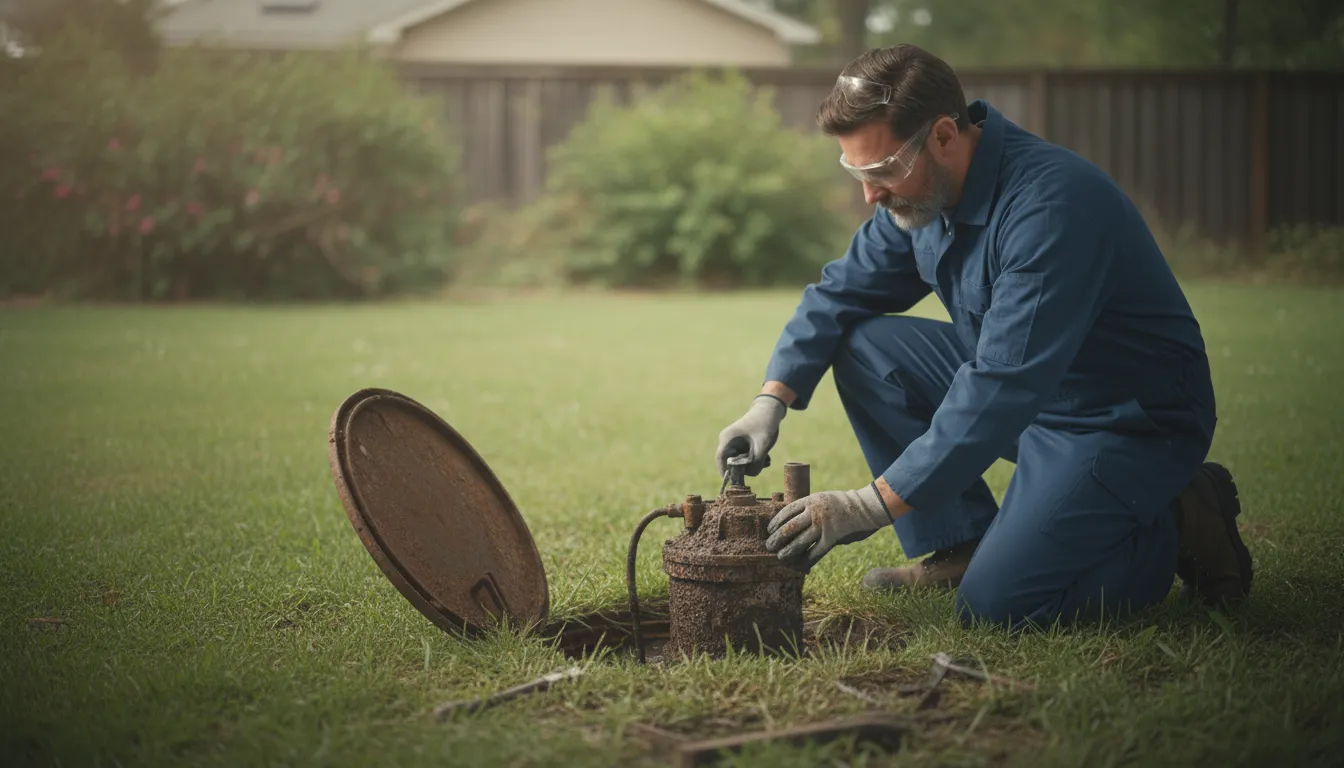
Understanding Your Septic System's Pump
Not all septic systems have a pump. Conventional gravity systems rely on natural slope to move effluent from the tank to the drain field. However, many Michigan properties require a pump, or "dosed," system. This is necessary when the drain field is located at a higher elevation than the septic tank or when using certain engineered system designs. The pump's job is to lift treated wastewater from a pump chamber (often following the main septic tank) and distribute it evenly into the drain field. Keeping this component in working order is critical for system performance.
Signs You Need Pump Repair or Replacement
Ignoring early warning signs can lead to complete system failure and costly property damage. Be alert for these common indicators:
- Sewage Backups: The most urgent sign. Wastewater backing up into household drains, toilets, or showers often points to a pump not moving effluent out of the chamber.
- Alarm Sounds: Most pump systems have an audible and/or visual alarm that activates when the water level in the pump chamber gets too high, signaling a pump failure or switch problem.
- Soggy Yard or Unpleasant Odors: Puddles of effluent or persistent bad smells near the tank or drain field area can indicate that a failed pump is causing an overflow.
- Unusually Loud Pump Operation: Grinding, humming, or cycling on and off erratically suggests mechanical or electrical issues within the pump itself.
- High Water Level in Inspection Ports: If you check the inspection port over the pump chamber and the water level is at or near the top, the pump is likely not working.
The Professional Repair and Replacement Process
When you contact a licensed professional for suspected pump issues, they will typically follow a structured diagnostic and repair process 1.
- Diagnosis & Inspection: The technician will first check for simple problems like a tripped circuit breaker, a blown fuse, or a stuck float switch. They will then inspect the pump chamber, often requiring a pump-out of the tank to safely access the equipment.
- Problem Identification: The pump will be examined to determine if the issue is repairable (e.g., a clogged impeller, faulty float, or wiring problem) or if a full pump replacement is necessary due to motor burnout or severe wear 2.
- Pumpout & Access: To remove the old pump, the chamber must be emptied. This is a good opportunity for a routine tank pumping if it's due.
- Pump Replacement: The old unit is disconnected from the discharge pipe and electrical wiring, pulled from the chamber, and replaced with a new, correctly sized pump.
- Wiring & Safety Check: The new pump is wired according to code, with proper grounding and connections. Float switches are adjusted and tested to ensure they activate the pump at the correct levels 3.
- System Testing: The technician will run the pump through several cycles to verify proper operation, check for leaks at connections, and confirm the alarm system is functional.
Types of Septic Systems in Michigan
Understanding your overall system type helps contextualize pump repairs. The three primary categories in Michigan are:
- Conventional Gravity Systems: The most common and economical type, using natural slope for drainage. These do not have a pump for effluent distribution but may have a pump for sending waste to the tank if a basement bathroom is below sewer line level.
- Pump-Up (Pressure Dosed) Systems: Used when the drain field is higher than the septic tank outlet. An effluent pump is a standard component here. Regular pump maintenance is crucial for these systems 4 5.
- Engineered Systems: Required for properties with high water tables, poor soil, limited space, or environmental sensitivities. These often include advanced components like pumps, alarms, and sand filters or mound systems. Engineered systems are complex and typically more expensive to install, repair, and replace 6 7.
Find the perfect septic pump repair companies for your needs
Get personalized recommendations and expert advice
Costs for Pump Service and Major Repairs in Michigan
Costs can vary widely based on system type, property access, and the extent of the problem. The figures below are estimates to help you budget; always get detailed quotes from local providers.
- Septic Tank Pumping: A routine, essential maintenance task typically costing $250 or more and recommended every 3-5 years 8. This is often required to access the pump for service.
- Pump Repair or Replacement: Replacing a septic effluent pump itself often ranges from $500 to $1,500+ for parts and labor, depending on pump horsepower and brand. Simple float switch or wiring repairs will cost less.
- Septic Tank Replacement: If the tank itself is damaged, replacement costs $3,000 to $6,000.
- Drain Field Replacement: A failing drain field is a major repair, ranging from $3,000 to $10,000 or more.
- Full System Replacement: For a complete conventional system failure, homeowners can expect to pay $5,000 to over $20,000. Replacing a complex engineered septic system, such as a mound system, can cost $15,000 to $35,000+ for the total project 9 10 11.
Michigan Regulations and Financial Assistance
Septic system work in Michigan is regulated to protect public health and water quality.
- Permits Are Required: Virtually all septic system repairs, replacements, and new installations require a permit from your local health department. Never hire a contractor who suggests bypassing this step.
- Setback Distances: State rules require a minimum isolation distance of 50 feet between a private water well and a septic system, though greater distances are strongly recommended for safety 12.
- Financing Help: The Michigan Department of Environment, Great Lakes, and Energy (EGLE) partners with Michigan Saves to offer low-interest loans for homeowners needing to replace failing septic systems 13. This program can make necessary major repairs more affordable.
- Professional Licensing: Always verify that a contractor is licensed by the state of Michigan to perform septic system work. Your local health department can often provide lists of approved installers.
Maintaining Your System to Avoid Emergencies
Proactive care is the best way to avoid sudden pump failures and expensive repairs.
- Schedule Regular Inspections: Have a professional inspect your entire system, including the pump and electrical components, every 1-3 years 14 15.
- Pump the Tank Regularly: Don't wait for problems. Pump the tank based on professional recommendation (typically every 3-5 years for an average household) to prevent solids from clogging the pump or drain field.
- Conserve Water & Mind What You Flush: Reduce strain on your system by fixing leaks, using water-efficient fixtures, and never flushing anything besides human waste and toilet paper. Avoid pouring grease, chemicals, or food waste down drains.
- Protect the Drain Field: Never drive or park vehicles over the drain field, and keep roof drains, sump pumps, and other runoff water directed away from the area.
Frequently asked questions
Sources
Footnotes
-
3 Key Aspects of Septic Pump Maintenance - https://www.gottagorentals.com/3-key-aspects-of-septic-pump-maintenance ↩
-
Septic Pump Replacement: When Its Time For An Upgrade - https://allalohaplumbing.com/septic-pump-replacement-when-its-time-for-an-upgrade/ ↩
-
Septic Electrical Repairs: A Homeowner's Essential Guide - https://legacyelectrical.co.nz/blog/septic-electrical-repairs-homeowner-guide/ ↩
-
Fix Septic Tank | Kalamazoo, MI | Modern Septic & Sewer - https://www.modernsepticandsewer.com/repair-septic-systems ↩
-
Septic, Sewer Systems | Installations, Repair | All Sizes - https://cannonsburggravel.com/septic-sewer-work/ ↩
-
How Septic Systems Work: Components & Maintenance Guide - https://www.onpointnyct.com/2025/02/14/septic-systems-guide/ ↩
-
Expert Guide to Engineered Septic Systems for Homeowners - https://www.andersoneng.com/understanding-an-engineered-septic-system-for-your-home/ ↩
-
Pump Your Septic - Lake LeAnn Property Owners Association - https://lakeleann.org/pdfs/pdfs-membersonly/SepticPumpingBMPsBooklet.pdf ↩
-
Engineered Septic Systems in Michigan: Costs, Maintenance, a ... - https://www.michiganseptic.com/post/engineered-septic-systems-in-michigan-costs-maintenance-a-2026-guide ↩
-
Septic Systems - MI Water Stewardship - https://miwaterstewardship.org/septic-systems/ ↩
-
What Homeowners Need to Know About Septic Systems - Articles - https://www.consumerscu.org/blog/what-homeowners-need-to-know-about-septic-systems ↩
-
FAQ: Septic systems - https://www.michigan.gov/egle/faqs/drinking-water/septic-systems ↩
-
Navigating your home septic system replacement - Michigan Saves - https://michigansaves.org/news/navigating-your-home-septic-system-replacement/ ↩
-
Frequent Questions on Septic Systems | US EPA - https://www.epa.gov/septic/frequent-questions-septic-systems ↩
-
Simple, Cost-Effective Tips to Master Septic System Care - https://www.securityseptic.com/master-your-septic-system-care-simple-cost-effective-tips-for-long-lasting-performance/ ↩