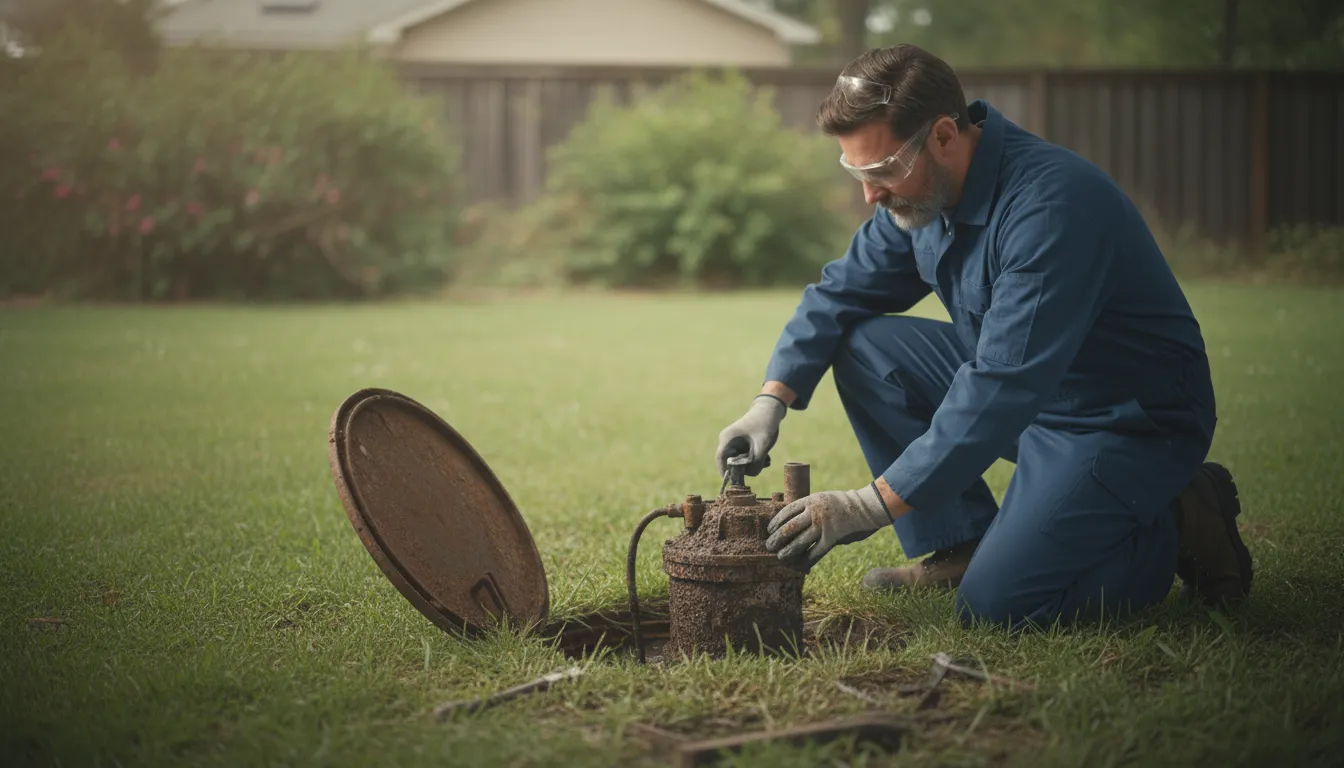
Find the Best Septic Pump Repair Companies for Your Business
No obligation • Fast responses • Nationwide coverage

Why you can trust Septic Spot
Septic Spot is a leading United States resource for understanding and comparing septic services. Our editors review providers using consistent criteria and verify key business details. Listings and scores are independent, and companies cannot pay to influence our content.
Search providers near you
Best Septic Pump Repair Companies in North Carolina Ranked
A failing septic pump can quickly lead to sewage backups, foul odors, and environmental contamination. In North Carolina, where many homes rely on pumped or pressure systems due to challenging terrain or small lot sizes, maintaining this critical component is essential for a healthy household and property. This guide provides clear, practical information on septic pump repair and replacement, helping you understand the process, costs, and state regulations so you can make informed decisions when seeking professional service.
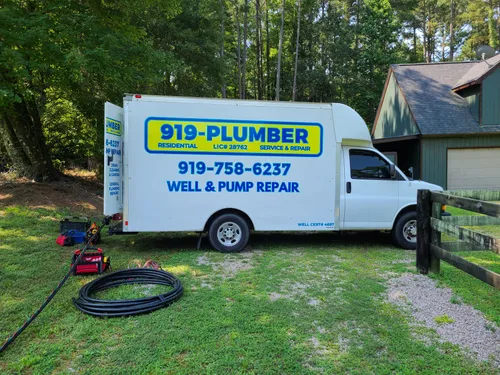
919-Plumber
2228 Davistown Rd, Wendell, NC 27591
919-Plumber is a plumbing company serving Raleigh, NC, and surrounding areas. They provide a range of plumbing services including septic tank pumping, septic pump repair, well pump repair, and full-service plumbing installations and repairs. The company has been in business since 2007 and offers specialized capabilities such as sewer camera inspections and septic alarms. Their service area includes several nearby communities such as Wendell, Garner, and Knightdale.

Lentz Wastewater Management - Mooresville
Charlotte, NC
Lentz Wastewater Management - Mooresville offers septic system repair, installation, and maintenance services in Charlotte, NC. They handle septic tank replacements, drain field repairs, and septic pump services, including installation of risers and sanitary tees to extend system life. The company also provides Terralift technology to address saturated drain fields without excavation. With over twenty years of experience, Lentz Wastewater Management installs various septic systems, including conventional and alternative types, and offers warranties on parts and workmanship.
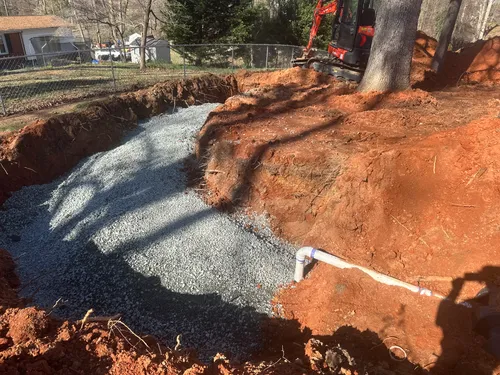
Chris Mendenhall Excavation & Septic LLC
5703 Midway School Rd, Thomasville, NC 27360
Chris Mendenhall Excavation & Septic LLC provides septic system inspection, repair, installation, and drain field services in Winston Salem, NC. The company handles septic pump repair and replacement along with excavation work related to septic systems. Known for installing pump tanks and leach fields, they have experience resolving long-standing septic issues. Customers appreciate their ability to diagnose repairs accurately, often saving the need for full replacements. Chris Mendenhall Excavation & Septic LLC is recognized for completing projects efficiently and maintaining site conditions.
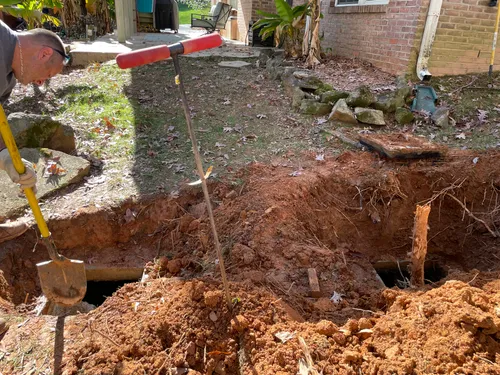
Morehead Septic Services LLC
1011 State Rd S-46-564, Clover, SC 29710
Morehead Septic Services LLC is a locally owned and operated septic company serving Charlotte, NC, and surrounding areas. The business offers septic tank pumping, inspection, repair, and replacement services, including baffle replacements, pump repairs, and installation of cleanouts and risers to improve system access and maintenance. They use advanced diagnostic tools to identify issues and provide solutions that comply with DHEC standards. Owner Keith Morehead personally handles jobs to ensure attention to detail and customer care. Morehead Septic Services also provides 24/7 emergency septic services for urgent needs.
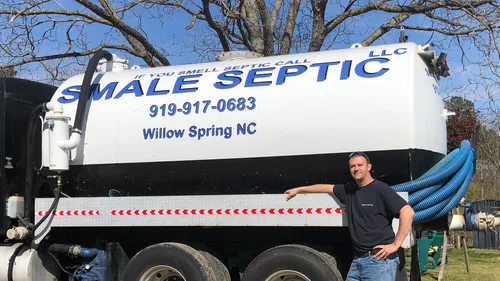
Smale Septic, LLC
Raleigh, NC
Smale Septic, LLC is a locally owned septic service company based near Raleigh, NC, serving Johnston and Wake counties. The business offers septic tank pumping, system repairs, drain field maintenance, and pump replacements. Their capabilities include locating and excavating septic tanks, water jetting drain field lines, and installing septic tank filter tees. The owner operates the business personally and provides direct customer service.
Understanding Your Septic System Type
Not all septic systems in North Carolina are the same, and the type you have dictates the maintenance and repair requirements. Knowing your system is the first step in addressing pump issues.
- Conventional Gravity System: This is the standard, traditional system using a septic tank and a drainfield located downhill. It relies solely on gravity to move effluent and does not contain a pump. Many older homes in the state have this type. If you have a gravity system, you likely do not have a septic pump to repair 1.
- Pumped or Pressure Systems (Type IIIB/IV): These are common in North Carolina where the drainfield is at a higher elevation than the septic tank or for low-pressure pipe (LPP) distribution. An effluent pump is installed in a separate pump tank or in the last chamber of the septic tank to push wastewater uphill to the drainfield. These systems are a primary focus for pump repair and replacement 2.
- Advanced/Alternative Systems (Type V/VI): These systems include mechanical pretreatment units, such as aerobic treatment units (ATUs), or advanced nitrogen-reducing technology. They almost always include pumps-for aeration, effluent movement, or both-and require more frequent, certified inspections and maintenance.
Signs You Need Pump Repair or Replacement
Recognizing early warning signs can prevent a complete system failure. If you notice any of the following, your septic pump may be malfunctioning:
- Audible Alarm: Most pumped systems have a high-water alarm (often a buzzer or flashing light) that activates when the pump tank level gets too high. This is the most direct signal of pump failure.
- Slow Drains or Backups: Toilets, showers, and sinks draining slowly or backing up, especially in lower-level bathrooms, can indicate the pump isn't moving effluent out of the tank.
- Soggy Ground or Sewage Odors: Puddles, overly lush grass, or foul smells near the drainfield or pump tank area can mean effluent is surfacing because it's not being properly distributed.
- Electrical Issues: Check your home's circuit breaker panel. A tripped breaker dedicated to the septic pump could be the simple cause. If it trips repeatedly after being reset, the pump motor may be failing.
The Repair and Replacement Process in North Carolina
Addressing a septic pump issue in North Carolina involves specific steps to ensure the repair is safe, effective, and compliant with state law.
1. Initial Troubleshooting and Diagnosis
Before calling a professional, you can perform basic checks. Ensure the pump's circuit breaker is on and hasn't tripped. Listen for the pump to cycle on. If the alarm is sounding, this indicates an immediate problem requiring professional attention. A licensed septic service provider will then diagnose the issue, which could be a stuck float switch, a clogged impeller, a faulty check valve, or a burned-out pump motor 3 4.
2. Obtaining a Permit
In North Carolina, any repair that alters the septic tank, drainfield, or associated components typically requires a permit from your local county health department. Replacing a septic pump is considered an alteration. Your septic contractor will usually handle pulling the permit, which ensures the work is inspected and meets state code (15A NCAC 18E). Routine maintenance like cleaning a filter may not require a permit, but clarification from your local health department is always advised.
3. The Repair or Replacement Work
- Pump Repair: For minor issues, a technician may repair the pump by replacing the float switch, clearing a blockage, or fixing wiring. This is less invasive and less costly.
- Pump Replacement: If the pump motor has failed, a full replacement is necessary. This involves safely de-energizing the system, pumping out the tank, removing the old pump, installing a new one of correct horsepower and type, checking the check valve, and reconnecting electrical components. The old pump is properly disposed of.
4. Post-Repair Inspection and Compliance
Once the permitted work is complete, the local health department inspector will visit to verify the repair was done correctly. For systems with pumps, North Carolina mandates regular inspections: Type IIIB (pumped) systems must be inspected every five years, and advanced Type V systems require annual inspections by a certified operator 5. A repair event is a good time to ensure your inspection schedule is up to date.
Find the perfect septic pump repair companies for your needs
Get personalized recommendations and expert advice
Cost of Septic Pump Service in North Carolina
Costs can vary based on your system's complexity, pump type, and your location in the state. Here's a general breakdown based on available data:
- Septic Pump Repair: Typical repairs, such as fixing a float or switch, generally range from $250 to $400.
- Septic Pump Replacement: The complete replacement of a failed effluent pump, including labor and the new pump unit, typically costs between $500 and $1,300 or more 6.
- Related Service - Septic Pumping: If pumping is required to access the pump for repair, this adds to the cost. A standard septic tank pumping in North Carolina ranges from $400 to $900, with prices in high-demand areas like Charlotte often at the higher end 7.
North Carolina Regulations and Homeowner Responsibilities
The North Carolina Department of Health and Human Services (NCDHHS) regulates onsite wastewater systems through rules known as 15A NCAC 18E. As a homeowner, you are legally responsible for your system's operation and maintenance 8 9.
- Permitting is Key: Never allow work on your tank or drainfield without confirming a permit has been pulled. This protects you, your property, and groundwater.
- Protect Your System: It is prohibited to build structures, drive, or park vehicles over any part of your septic system, including the drainfield and pump tank. This compacts the soil and can crush pipes 10.
- Inspection Schedules: Adhere to the mandated inspection schedule for your system type. Keeping inspection records is part of responsible homeownership.
- Use Water Wisely: Excessive water use can overload any system, but it is particularly hard on systems with pumps, leading to more frequent cycling and wear.
Choosing a Qualified Service Provider
When you need pump repair or replacement, selecting the right professional is critical. Look for a contractor who is:
- Licensed by the state of North Carolina to perform onsite wastewater system work.
- Familiar with local county health department permitting and inspection processes.
- Experienced with your specific system type (e.g., low-pressure pipe, aerobic system).
- Willing to provide a detailed written estimate that includes permit fees, pump specifications, and labor.
- Insured and bonded for your protection.
Proper maintenance, including having your tank pumped regularly (every 3-5 years) to prevent solids from entering and damaging the pump, is the best way to avoid unexpected repair costs and system failures.
Frequently asked questions
Sources
Footnotes
-
Septic Systems and Their Maintenance - https://content.ces.ncsu.edu/septic-systems-and-their-maintenance ↩
-
Septic System Owner's Guide - Transylvania Public Health - https://transylvaniahealth.org/wp-content/uploads/2015/10/septic-system-owners-guide.pdf ↩
-
On-site Wastewater Disposal (Septic) Systems | Union County, NC - https://www.unioncountync.gov/government/departments-a-e/environmental-health/septic-systems ↩
-
Septic System Owner's Guide - Forsyth County, North Carolina - https://forsyth.cc/publichealth/assets/documents/septic_guide.pdf ↩
-
Septic System Inspections - Wake County Government - https://www.wake.gov/departments-government/onsite-water-protection/septic-systems/septic-system-inspections ↩
-
How Much Does Septic Tank System Repair Cost? (2026) - HomeGuide - https://homeguide.com/costs/septic-tank-repair-cost ↩
-
2025 Septic Pumping & Septic System Facts for North Carolina - https://www.clearwatersepticandpumping.com/septic-tips/2025-septic-pumping-facts-charlotte-nc ↩
-
On-Site Wastewater (Septic Systems) - Johnston County - https://www.johnstonnc.gov/envhealth/content.cfm?pd=septic ↩
-
Septic Maintenance and Repairs - https://www.wake.gov/departments-government/onsite-water-protection/septic-systems/septic-maintenance-and-repairs ↩
-
Understanding and Protecting Your Septic System - https://ehs.dph.ncdhhs.gov/oswp/docs/Understanding-protecting-septic-systems-FACTSHEET.pdf ↩