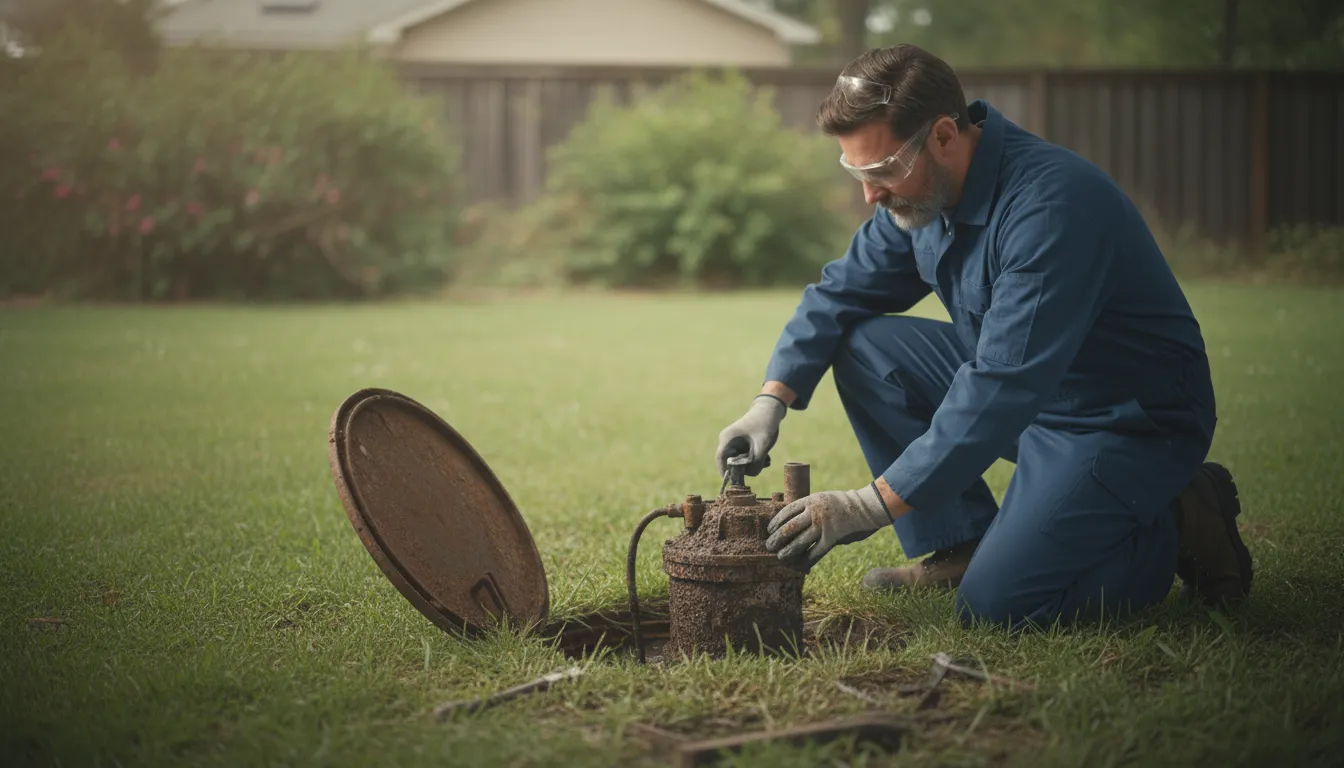
Find the Best Septic Pump Repair Companies for Your Business
No obligation • Fast responses • Nationwide coverage

Why you can trust Septic Spot
Septic Spot is a leading United States resource for understanding and comparing septic services. Our editors review providers using consistent criteria and verify key business details. Listings and scores are independent, and companies cannot pay to influence our content.
Search providers near you
Top Septic Pump Repair Companies in Charlotte, North Carolina Ranked
A failing septic pump can bring your household to a standstill, signaling the need for urgent repair or even a full system replacement. In Charlotte, this isn't just a plumbing issue-it's a critical home maintenance task that protects your property value and the local environment. This guide helps you understand the local factors, costs, and processes involved in septic pump and system work, so you can make informed decisions when selecting a qualified service provider.

Lentz Wastewater Management - Mooresville
Charlotte, NC
Lentz Wastewater Management - Mooresville offers septic system repair, installation, and maintenance services in Charlotte, NC. They handle septic tank replacements, drain field repairs, and septic pump services, including installation of risers and sanitary tees to extend system life. The company also provides Terralift technology to address saturated drain fields without excavation. With over twenty years of experience, Lentz Wastewater Management installs various septic systems, including conventional and alternative types, and offers warranties on parts and workmanship.
Morehead Septic Services LLC
1011 State Rd S-46-564, Clover, SC 29710
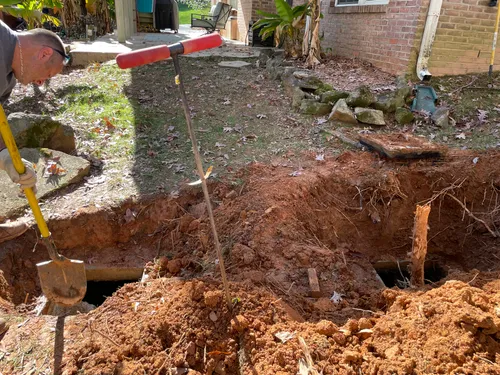
Morehead Septic Services LLC is a locally owned and operated septic company serving Charlotte, NC, and surrounding areas. The business offers septic tank pumping, inspection, repair, and replacement services, including baffle replacements, pump repairs, and installation of cleanouts and risers to improve system access and maintenance. They use advanced diagnostic tools to identify issues and provide solutions that comply with DHEC standards. Owner Keith Morehead personally handles jobs to ensure attention to detail and customer care. Morehead Septic Services also provides 24/7 emergency septic services for urgent needs.

Perry Laney Septic Tank
4709 Traywick Farm Rd, Marshville, NC 28103
Perry Laney Septic Tank is a septic service provider based near Charlotte, NC, serving the Marshville area. They offer a range of services including septic tank installation, pumping, alarm repair, pump repair, and land grading. The company focuses on both residential and commercial septic system needs, providing tailored solutions to ensure proper system operation. With decades of experience, Perry Laney Septic Tank emphasizes professional installations and routine maintenance to keep septic systems functioning smoothly. They operate Monday through Saturday to accommodate customer needs.
Full Service Septic
430 Cooper Rd, Salisbury, NC 28147
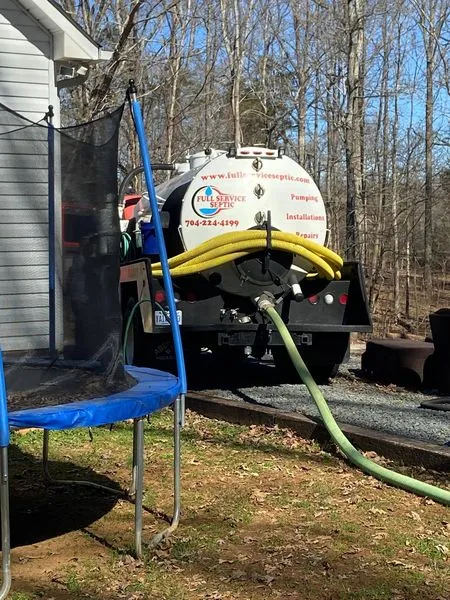
Full Service Septic is a septic tank pumping, inspection, repair, and installation company serving Charlotte, NC. They provide services for both residential and commercial septic systems, including drain field repair and septic pump replacement. The company offers expertise in maintaining and installing septic systems that meet current codes, helping customers manage their septic needs effectively. Their team includes specialized technicians for drain field issues and focuses on preventative maintenance to address problems early and avoid costly repairs.
NC Septic & Pump Specialist, LLC
Charlotte, NC
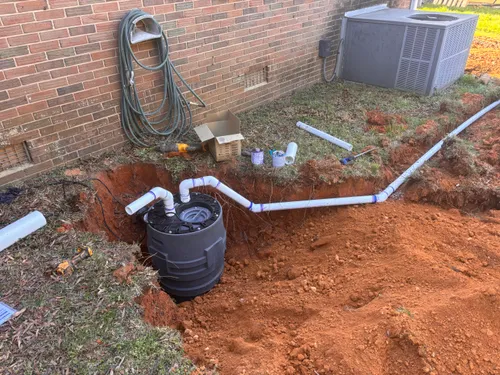
NC Septic & Pump Specialist, LLC is a licensed septic service provider based in Charlotte, NC, offering a full range of septic system solutions. Their services include septic tank pumping, inspections, repairs, installations, and drain field repairs. The company employs Level 4 licensed installers and experienced technicians who handle everything from routine maintenance to complex system installations and repairs. With over eight years of industry experience, they serve Charlotte and surrounding areas, including Kannapolis and Concord. Their expertise includes thorough septic inspections and advanced septic system installations, ensuring compliance with local standards.
Understanding Your Septic System's Heart: The Pump
At the core of many modern septic systems, especially in our region, is the septic pump. This component, often part of a pump chamber or lift station, is responsible for moving effluent from the septic tank to the drain field. When this pump fails, wastewater can back up into your home or fail to reach the drain field, causing system-wide problems. Recognizing early signs of pump trouble-like alarms sounding, slow drains, or soggy ground near the drain field-is key to preventing more extensive and expensive damage.
Why Charlotte's Soil Makes Septic Work Unique
One of the most significant factors influencing septic system repair and replacement costs and complexity in Charlotte is the local soil. Much of the Charlotte region is characterized by thick, red clay soil, which has very slow permeability. This means water and effluent do not drain through it easily.
This soil condition often necessitates the use of pump-dosed systems from the start, where a pump lifts waste to a drain field situated at a higher elevation or in a more suitable soil area 1. If you're dealing with a repair, it's crucial to understand that a simple mechanical fix for the pump may not be sufficient if the underlying issue is that the clay soil can no longer handle the liquid load. In such cases, the solution might require expensive drain field rejuvenation or a complete redesign of the system 2.
Common Septic Pump and System Issues
Problems can range from simple mechanical failures to complex soil and structural issues. Common scenarios include:
- Pump Motor Failure: The most common issue, where the pump motor burns out due to age, overload, or electrical problems.
- Control Panel Malfunctions: The float switches or electronic controls that tell the pump when to turn on and off can fail, causing the pump to run continuously or not at all.
- Clogged Impellers: Debris that makes it past the tank can jam the pump's impeller, stopping it from moving effluent.
- Pipe or Lateral Blockages: The pipes leading from the pump to the drain field can become clogged with solids or tree roots.
- Drain Field Failure: Often the most serious issue, this occurs when the soil in the drain field becomes clogged (a condition called biomat) or saturated, preventing effluent from percolating. This is a common challenge in clay soils.
The Step-by-Step Process for Repair or Replacement
A professional service will typically follow a structured process to diagnose and resolve your septic issue.
- Inspection & Diagnostics: A technician will first inspect the tank, pump chamber, control panel, and drain field area. They may perform a flow test or use a camera to determine if the problem is a simple mechanical failure (like a bad pump) or a more complex structural or soil failure 3 4.
- Permitting: For major repairs, component replacements, or any new installation, Mecklenburg County Environmental Health requires permits. A reputable provider will handle this permitting process, which ensures the work meets local health and environmental codes.
- Repair or Replacement Execution:
- For Pump Repairs: Replacing the pump, float switches, or control panel is often a 1-2 day job once the part is sourced.
- For System Replacement: This is a major excavation project. It involves removing the old tank and drain field (if necessary) and installing a new system designed for your property's specific conditions-which, in Charlotte, often means an engineered system due to the soil.
- Final Inspection: After the work is complete, the county health department will typically perform a final inspection to approve the repair or new installation.
Find the perfect septic pump repair companies for your needs
Get personalized recommendations and expert advice
Cost Breakdown for Septic Services in Charlotte
Costs in Charlotte are heavily influenced by the need for pumps and specialized systems. Here's a general overview of what you might expect:
- Septic Tank Pumping: $400-$900 5 6. Regular pumping (every 3-5 years) is not a repair but is essential maintenance that can prevent costly failures.
- Pump or Control Component Repair/Replacement: $800-$5,000. This wide range covers replacing a control float ($200-$500) up to replacing a heavy-duty pump and its associated wiring.
- Baffle Repair or Tank Riser Installation: $300-$1,200. Adding risers to bring tank or pump access lids to ground level is a worthwhile upgrade that saves money on future service calls.
- Spot Drain Field (Lateral) Repair: $1,500-$8,000. This involves repairing a section of the drain field, which may be possible if the failure is localized.
- Full Septic System Replacement: $10,000-$40,000+ 7 8. This is the most significant cost. A conventional system with a pump for a standard home may start around $10,2007, but for properties with poor soil, an alternative engineered system can cost $15,000 to $20,000 or much higher if the site is particularly challenging7.
Factors That Influence Your Final Cost
Several variables can affect the price quote you receive:
- System Type and Size: The capacity needed for your home (based on bedroom count) is a primary cost driver. Larger homes require larger tanks and drain fields.
- Soil Conditions and Site Topography: As discussed, Charlotte's clay soil is a major factor 9. A steeply sloped lot or a high water table will also increase complexity and cost.
- Extent of Damage: Is it just a pump, or is the entire drain field failing? A full diagnostic inspection is needed to know for sure.
- Accessibility: Tight access for excavation equipment or buried tank/pump lids that need to be located and dug up can add $50-$150 or more in labor 10.
- Emergency Service: Requiring service on a weekend, holiday, or for an immediate backup can add a 50-100% premium to the standard rate11.
- Permitting and Engineering Fees: For new systems or major alterations, county permit fees and possible soil scientist or engineering report costs are additional12.
Repair vs. Replacement: Making the Decision
This is a critical crossroads. A professional inspection is essential to guide this choice. Generally, repair is the path if the tank is structurally sound and the drain field is still functioning. Isolated issues like a broken pump, clogged pipe, or damaged baffle are repairable.
Replacement becomes necessary when the tank is cracked or collapsed, the drain field has completely failed (often indicated by persistent soggy soil and sewage odors), or the existing system is undersized for your home 13. In Charlotte, if a conventional system fails due to soil limitations, replacing it with another conventional system may not be allowed; an alternative engineered system designed for poor soils may be the only option.
Maintaining Your System Post-Repair
After investing in a repair or replacement, protecting that investment is crucial. Adopt these best practices:
- Pump Regularly: Schedule pumping every 3-5 years based on usage.
- Conserve Water: Spread out laundry loads and fix leaky fixtures to avoid overwhelming the system.
- Mind What You Flush: Only human waste and toilet paper. Never flush wipes (even "flushable" ones), feminine hygiene products, grease, or chemicals.
- Protect the Drain Field: Never park vehicles or build structures over it. Direct roof and surface water runoff away from the area.
- Keep Records: Maintain a log of all inspections, pumpings, repairs, and the system's "as-built" design diagram.
Frequently asked questions
Sources
Footnotes
-
Viking AVL | Septic Inspections Hendersonville NC: Your Complete Home Buyer's Guide - https://vikingavl.com/septic-inspections-hendersonville-nc-your-complete-home-buyer-s-guide ↩
-
Lift Station Repair - Septic Pumping & Maintenance - Central Texas - https://septicpumpingburnetcounty.com/services/septic-repair/lift-station-septic-repair/ ↩
-
Septic System Maintenance - https://www.jcsiteworks.com/septic-system-maintenance ↩
-
Septic Cleaning Services | Hendersonville, NC - https://www.carolinasepticsolutions.com/ ↩
-
2025 Septic Pumping & Septic System Facts for North Carolina - https://www.clearwatersepticandpumping.com/septic-tips/2025-septic-pumping-facts-charlotte-nc ↩
-
Septic Pumping Cost by State: 2024 Complete Price Guide - https://wastedoor.com/article/septic-pumping-cost-by-state ↩
-
Septic System Costs in North Carolina - https://www.reddit.com/r/Homebuilding/comments/1igrzc2/septic_system_costs_in_north_carolina/ ↩ ↩2 ↩3
-
Cost Of Septic System Restoration Vs Septic System Replacement - https://www.aero-stream.com/cost-of-septic-system-restoration-vs-septic-system-replacement/ ↩
-
Investigate Before You Invest - NC State Extension Publications - https://content.ces.ncsu.edu/investigate-before-you-invest ↩
-
How Much Does Septic Tank Installation Cost? (2026) - https://todayshomeowner.com/plumbing/cost/septic-tank-installation-cost/ ↩
-
Septic Repair vs. Replacement: A Guide to Costs & Red Flags - https://prosepticri.com/septic-repair-vs-replacement-guide/ ↩
-
Septic System Design & Permitting in North Carolina - https://www.fullcircleenv.com/services/septic-system-design-permitting/ ↩
-
Cost to Replace Septic Tank and Drain Field [2026 Data] | Angi - https://www.angi.com/articles/how-much-new-drain-fields-foot.htm ↩