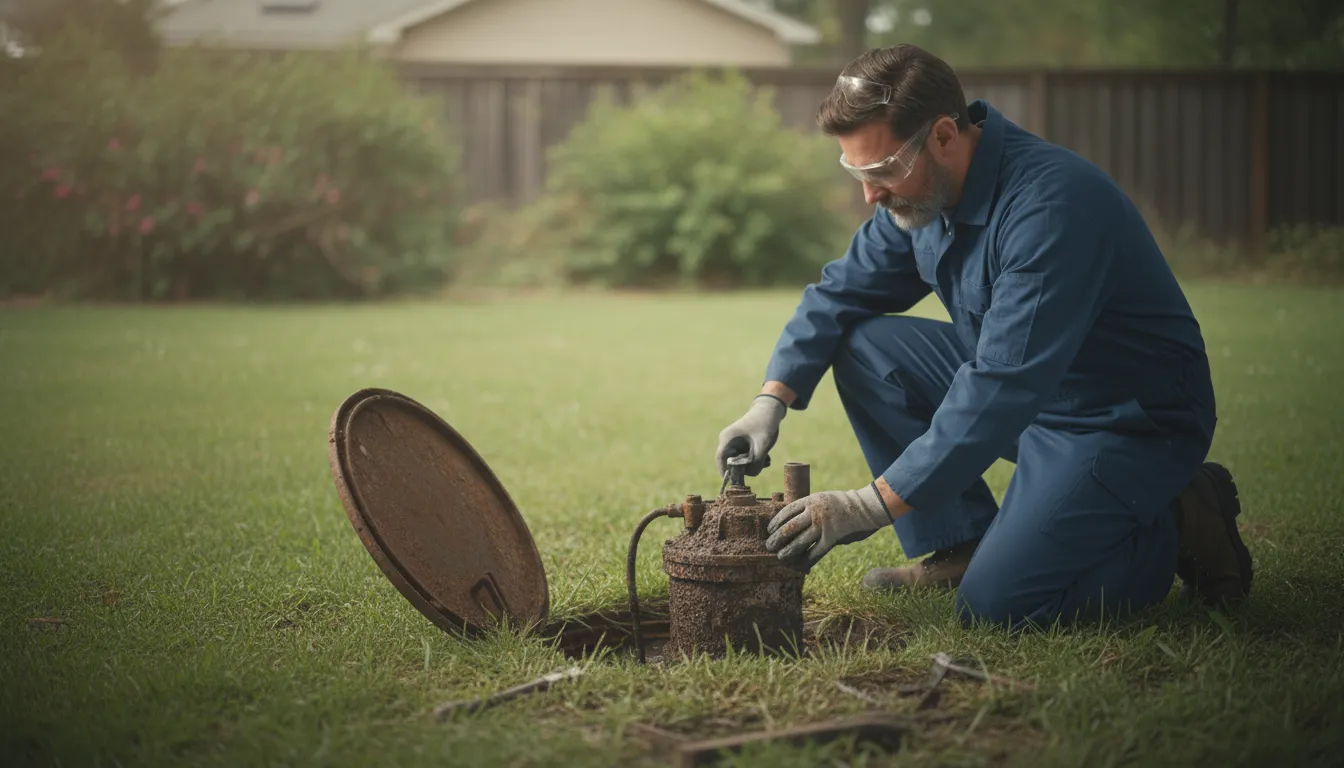
Find the Best Septic Pump Repair Companies for Your Business
No obligation • Fast responses • Nationwide coverage

Why you can trust Septic Spot
Septic Spot is a leading United States resource for understanding and comparing septic services. Our editors review providers using consistent criteria and verify key business details. Listings and scores are independent, and companies cannot pay to influence our content.
Search providers near you
Best Septic Pump Repair Companies in Nebraska Ranked
When your septic system's pump fails, it's more than an inconvenience-it's a potential health hazard and a threat to your property. In Nebraska, addressing these issues requires working with certified professionals who understand the state's specific regulations and diverse soil conditions. This guide explains the critical aspects of septic pump repair and replacement, from identifying common problems and system types to navigating permitting and understanding costs. Use this information to make informed decisions and connect with qualified local experts who can restore your wastewater system to proper function.

Understanding Your Septic System's Pump
The pump is the heart of many modern septic systems, especially those not relying on gravity. Its job is to move treated effluent from the pump tank to the drainfield in controlled, even doses. This is crucial for systems in Nebraska with challenging soil, high water tables, or elevation changes. A malfunctioning pump can lead to sewage backups in the home, soggy drainfields, and environmental contamination.
Common systems in Nebraska that utilize a pump include:
- Pressure Distribution Systems: These use a pump to push effluent through a network of small pipes in the drainfield, ensuring even distribution. They are often required in areas with less permeable soil 1.
- Mound Systems: An elevated drainfield built above the natural grade, which always requires a pump to lift effluent to the mound 2.
- Aerobic Treatment Units (ATUs): These advanced systems use oxygen to break down waste and typically include pumps for aeration and effluent dispersal 3.
Signs You Need Pump Repair or Replacement
Recognizing early warning signs can prevent a complete system failure and more expensive damage. Be alert for these symptoms:
- Alarms Sounding: Most pump tanks have a high-water alarm. If it activates, it means the pump is not turning on or cannot keep up with the inflow.
- Damp Spots or Sewage Odors in the Yard: Puddles or lush green grass over the drainfield, especially after the pump should have run, indicate effluent is not being distributed properly and may be surfacing.
- Slow Drains or Backups in the House: While this can signal a full tank, it can also mean the pump chamber is overflowing back towards the house.
- Constantly Running Pump or Pump Noise: A pump that runs non-stop or makes grinding, humming, or clicking noises is likely struggling or failing.
- Electrical Issues: A tripped circuit breaker on the pump's dedicated circuit is a common first sign of a pump motor problem.
The Professional Repair and Replacement Process
Repairing or replacing a septic pump is not a DIY project. It requires technical knowledge and must comply with state law. Here's what a certified professional will typically do:
- Diagnosis: The technician will first check the electrical panel, float switches, and control box to isolate the issue. The problem could be a simple stuck float, a faulty switch, or a burned-out pump motor 4.
- Permitting: In Nebraska, most pump replacements are considered a repair to the overall system and require notification or a permit from the local health department or the Nebraska Department of Environment and Energy (NDEE). Your professional will handle this.
- Pumpout & Safe Access: Before any work, the pump tank must be pumped out by a licensed pumper to provide safe access to the components.
- Repair or Replacement: For a replacement, the old pump is removed. A new, appropriately sized pump is installed along with new floats, wiring, and often a new check valve. All components are sealed and secured according to code 5.
- Testing and Verification: Once installed, the system is tested to ensure the pump activates at the correct levels, delivers the proper dose to the drainfield, and shuts off as designed. The technician will verify there are no leaks and that the alarm system is functional 6.
Find the perfect septic pump repair companies for your needs
Get personalized recommendations and expert advice
Nebraska Regulations and Certification Requirements
Nebraska has strict rules governing all septic system work to protect public health and groundwater. Understanding these is key to a legal and effective repair.
- Certified Professionals are Mandatory: Only individuals licensed by the NDEE are legally allowed to install, repair, alter, or pump septic systems in Nebraska. Always verify a contractor's NDEE certification 7 8.
- NDEE Title 124 Regulations: This is the primary rulebook for onsite wastewater systems in the state. It sets standards for design, construction, and repair. Your contractor must ensure the work complies with these regulations 9.
- Local Health Department Oversight: Many counties in Nebraska have local health departments that enforce the state code and may have additional, stricter requirements. They issue the necessary permits for repairs 10 11.
- System Registration: Your existing septic system should be registered with the state. Major repairs or replacements will update this registration, which is important for property records and future sales 12.
Cost Factors for Pump Repair and Replacement in Nebraska
Costs can vary widely based on the complexity of the job, the system type, and your location in the state. Here's a breakdown of what influences the price:
- Service Call and Diagnosis: Most companies charge a trip fee for inspection and diagnosis.
- Pump-Out Requirement: Before repair, the tank must be pumped. The average cost for septic pumping in Nebraska is about $370, typically ranging from $290 to $480 13.
- Type of Repair: A simple fix like replacing a float switch or clearing a blocked line is relatively inexpensive. Replacing a pump motor or control panel is more costly.
- Full Pump Replacement: The cost for a new pump, including parts and labor, can range significantly. For a standard residential pump replacement, homeowners might expect costs from several hundred to over a thousand dollars, depending on pump specifications.
- System Complexity: Replacing a pump in a standard pressure system is generally less expensive than in a mound system or an advanced ATU, which may require specialized pumps and controls.
- Site Conditions: Difficult access, deep tanks, or extensive wiring runs can increase labor time and cost.
It's critical to view pump repair costs in context. Neglecting a failing pump can lead to drainfield failure, where the cost for a complete system replacement can range from $3,596 to over $12,465 depending on the system type and site conditions 14 15. Regular maintenance, including periodic inspections of the pump and alarm, is the most cost-effective strategy 16.
Choosing the Right Service Provider in Nebraska
Selecting a qualified professional is your most important decision. Follow these steps:
- Verify NDEE Certification: Ask for their NDEE license number and confirm it is current. This is non-negotiable.
- Check for Local Experience: Choose a provider familiar with your county's specific regulations and common soil types.
- Ask for Detailed Estimates: A reputable contractor will provide a written estimate that breaks down parts, labor, permit fees, and pump-out costs. Beware of vague verbal quotes.
- Inquire About Warranties: Ask about warranties on both the new pump equipment and the labor.
- Get References: Request and contact references for similar repair jobs.
Maintaining Your System After a Repair
Once your pump is repaired or replaced, proper maintenance will extend its life and protect your investment.
- Conserve Water: Reduce sudden surges of water that can overwhelm the pump tank.
- Avoid Chemicals and Solids: Do not flush chemicals, grease, or non-biodegradable items that can clog the pump or floats.
- Regular Inspections: Have a certified professional inspect your entire system, including the pump, every 1-3 years.
- Protect the Components: Keep the tank lids and electrical control box accessible but protected from weather, vehicles, and lawn equipment.
- Know Your System: Understand how your specific system works, where key components are located, and what the alarm sounds like.
Frequently asked questions
Sources
Footnotes
-
Understanding and Maintaining Your Pressure Distribution System - https://www.youtube.com/watch?v=lxtCNzV6wDM ↩
-
Conventional Septic Systems: Benefits, Maintenance & Expert Tips (2026) - https://www.vdwws.com/blog/conventional-septic-system ↩
-
Understanding Septic Systems - Onsite Wastewater Resource Center - https://web.uri.edu/owt/homeowners/understanding-septic-systems/ ↩
-
Residential Onsite Wastewater Treatment: Septic Tank and Drainfield Maintenance - https://extensionpublications.unl.edu/assets/html/g1424/build/g1424.htm ↩
-
Our Services at Nebraska Septic - NebraskaSeptic.com - https://nebraskaseptic.com/our-services-at-nebraska-septic/ ↩
-
Septic systems operation and maintenance overview - https://water.unl.edu/article/wastewater/septic-systems-operation-and-maintenance-overview/ ↩
-
Septic Systems - UNL Water - https://water.unl.edu/sewage/septic-systems/ ↩
-
Just for Homeowners | DWEE NE - https://dee.nebraska.gov/water/surface-water/wastewater/just-homeowners ↩
-
Residential Onsite Wastewater Treatment: Septic Tank Design and ... - https://extensionpubs.unl.edu/publication/219/html/view ↩
-
Septic Tank Installation in Lexington, NE | Sandford and Sons Services - https://www.sandfordandsons.com/services/septic-tank-installations/ ↩
-
Repair Fact Sheet - https://dee.nebraska.gov/sites/default/files/publications/12-035_Repair_Fact_Sheet.pdf ↩
-
Onsite Wastewater Systems: Frequently Asked Questions - https://dee.nebraska.gov/sites/default/files/publications/WAT056-Frequently%20Asked%20Questions.pdf ↩
-
Septic Pumping Cost by State: 2024 Complete Price Guide - https://wastedoor.com/article/septic-pumping-cost-by-state ↩
-
How Much Does a Septic System Cost? [2026 Data] | Angi - https://www.angi.com/articles/what-does-it-cost-install-septic-system.htm ↩
-
A Homeowner's Ultimate Guide to Septic Replacement or Repair - https://excavationplus.net/septic/a-homeowners-ultimate-guide-to-septic-replacement-or-repair-everything-you-need-to-know/ ↩
-
The Importance of Regular Septic Tank Pumping to Avoid Costly Repairs - https://jtserviceco.com/regular-septic-tank-pumping-to-avoid-costly-repairs/ ↩