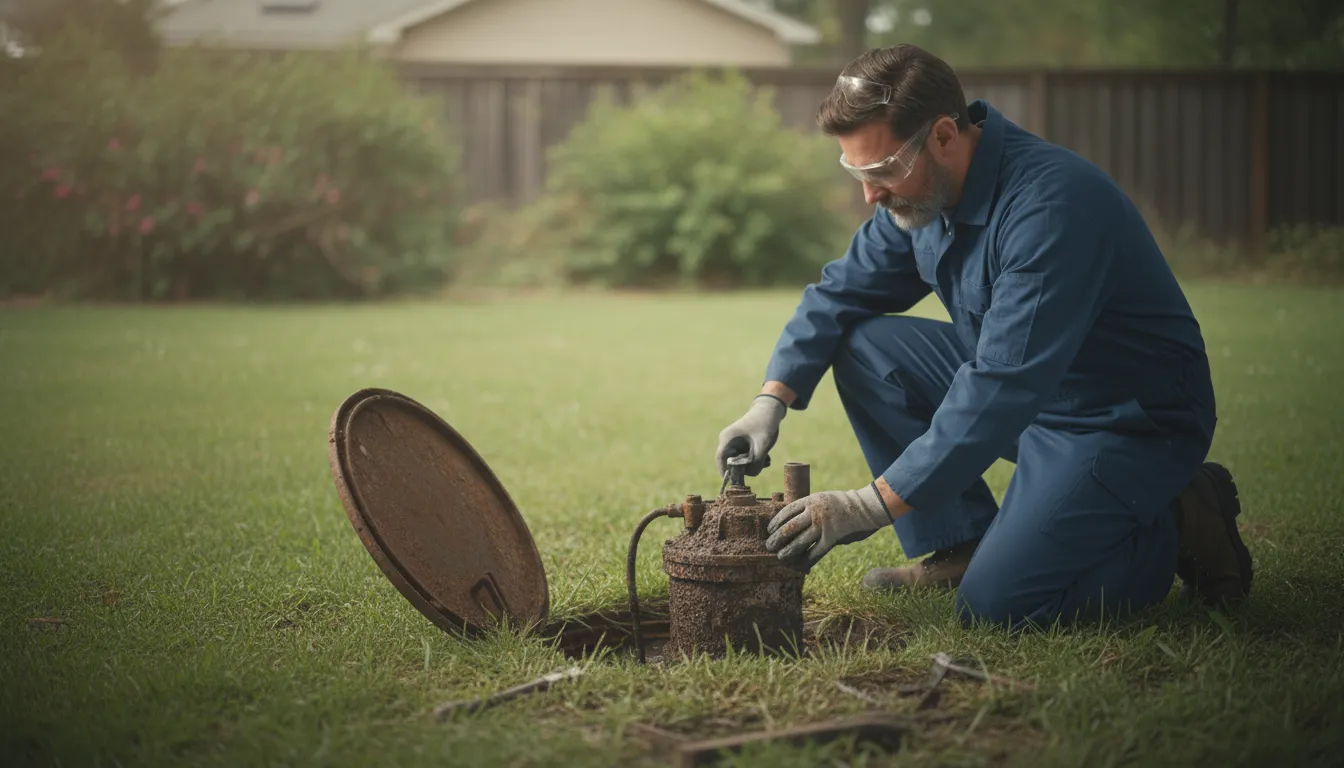
Find the Best Septic Pump Repair Companies for Your Business
No obligation • Fast responses • Nationwide coverage

Why you can trust Septic Spot
Septic Spot is a leading United States resource for understanding and comparing septic services. Our editors review providers using consistent criteria and verify key business details. Listings and scores are independent, and companies cannot pay to influence our content.
Search providers near you
Top Septic Pump Repair Companies in Omaha, Nebraska Ranked
Maintaining a functional septic system is crucial for the health, safety, and property value of your Omaha home. When a pump fails or components wear out, it can lead to backups, odors, and serious environmental issues. Septic pump repair and system replacement are specialized services that address these critical failures, ensuring your wastewater is managed safely and efficiently. This guide helps you understand the local process, costs, and factors-like our area's unique clay soils-so you can make informed decisions when seeking qualified professionals for your septic system needs.

Understanding Your Omaha Septic System
A septic system is a private wastewater treatment plant for your home. In Omaha and surrounding communities like Bellevue and Papillion, most systems consist of a large underground tank and a drain field (or leach field). Solids settle in the tank, where bacteria break them down, while liquid effluent flows out to the drain field for further filtration into the soil. A key component in many systems is the septic pump, or effluent pump, which moves wastewater from the tank to the drain field, especially when gravity flow isn't possible due to the home's elevation or landscape.
System failure often starts with warning signs: slow drains, gurgling pipes, sewage odors in the yard, or unusually lush grass over the drain field. These symptoms indicate it's time for a professional inspection to diagnose whether you need a simple pump repair, a drain field fix, or a full system replacement.
The Impact of Omaha's Clay Soils on Septic Systems
One of the most significant factors affecting septic system performance and repair in our area is the soil. Much of the Omaha region has soil with a high clay content. Clay is dense and drains very slowly, which presents unique challenges:
- Limited Drainage: Slow-draining soil can cause effluent to pool or "perch" in the drain field, leading to system failure and backups.
- Specialized System Requirements: To work around dense clay, many homes require engineered systems. A common solution is a mound system, which is a raised drain field built with specially selected sand to provide adequate drainage before effluent reaches the native clay 1.
- Increased Repair Complexity & Cost: Excavation in clay soil is more difficult and time-consuming. Furthermore, the limited drainage capacity of clay often means drain fields need to be larger or require more sophisticated pressure-distribution designs, impacting both repair and replacement costs 2 3.
A qualified local professional will perform a soil analysis and site evaluation to determine the best course of action for your property's specific conditions.
The Step-by-Step Process for Repair or Replacement
Whether addressing a faulty pump or a failing drain field, professional septic work follows a structured process to ensure safety and compliance.
- Inspection and Diagnosis: A certified technician will inspect all system components-the tank, pump, electrical controls, and drain field-to pinpoint the exact problem. This often involves checking for sludge levels, pump operation, and signs of drain field saturation.
- Permitting: In Omaha, most substantial repairs and all installations require permits from the local health department or building office. Your contractor typically handles this, but it adds time and fees to the project. Permits ensure the work meets current health and environmental codes 4.
- Tank Pumping: Before any repair work inside the tank can begin safely, the septic tank must be pumped out by a licensed pumper. This is a non-negotiable step for safety and provides a clear view of the tank's interior components 5.
- Repair or Replacement Work: This is the core of the project. It could involve replacing a burnt-out effluent pump, repairing damaged tank baffles or risers, or addressing broken pipes in the drain field. For a full replacement, the old system is properly decommissioned and a new tank and drain field are installed 6.
- Backfilling, Inspection, and Cleanup: Once new components are installed and tested, the excavation is backfilled. Many contractors will attempt to restore your landscaping. A final inspection by the local permitting authority is usually required to close the permit 7.
Find the perfect septic pump repair companies for your needs
Get personalized recommendations and expert advice
Cost Breakdown for Septic Services in Omaha
Costs for septic work vary widely based on the problem's scope, soil conditions, and system type. Here's a general overview of what homeowners in the Omaha area might expect:
- Septic Pump Replacement: Replacing a failed effluent pump typically ranges from $800 to over $3,000, including parts and labor. Grinder pumps, which handle solid waste, can be more expensive 8.
- Control Panel or Float Switch Repair: Fixing the electrical components that control the pump can cost between $800 and $5,000, depending on complexity.
- Tank Component Repair: Repairing or replacing inlet/outlet baffles or adding access risers generally falls in the range of $200 to $1,200.
- Drain Field Repair: Addressing issues in the leach field is a major project. Spot repairs or replacing a section of lateral lines can cost $3,000 to $15,000. Full drain field replacement is often part of a system overhaul 9.
- Full Septic System Replacement: This is the most significant investment. In Omaha, replacing both the tank and drain field typically costs between $10,000 and $40,000+. The high end of this range often involves complex systems like mounds or pressure distribution required for challenging clay soils 10 11.
- Permits and Inspections: Always budget for permits and required inspections, which can add $1,500 to $7,000 to the total project cost, depending on the county and project scope 12.
Repair vs. Replacement: Making the Right Choice
A key decision homeowners face is whether to repair a failing system or invest in a full replacement. Consider these factors:
- Age of the System: A septic system has a typical lifespan of 20-40 years. If your system is nearing the end of its life and experiencing major issues, replacement is often more cost-effective than repeated repairs.
- Extent of Damage: A single failed pump or a clogged line is usually repairable. However, if the drain field is saturated and failing-often indicated by persistent wet spots or sewage odors-repair may not be possible, and replacement is necessary 13.
- Soil and Site Conditions: Changes in regulations or soil compaction over time may mean an old system can't be legally or functionally repaired to current standards, necessitating a new, compliant design.
- Cost Comparison: While a repair is cheaper upfront, pouring money into an aging, failing system can be a temporary fix. A professional can help you weigh the cost of a major repair against the long-term value and reliability of a new system.
Maintaining Your System After Service
Protecting your investment after a repair or replacement is crucial. Proper maintenance includes having the tank pumped every 3-5 years, conserving water to avoid overloading the system, avoiding flushing harmful chemicals or non-biodegradables, and keeping heavy vehicles off the drain field area. Regular maintenance is the most effective way to avoid premature system failure and costly emergency repairs 14.
Frequently asked questions
Sources
Footnotes
-
Residential Onsite Wastewater Treatment: Mound Systems - https://extensionpubs.unl.edu/publication/g1475/na/html/view ↩
-
How Soil Type Affects Septic System Performance - https://www.septicblueraleigh.com/how-your-soil-determines-your-septic-systems-success.html ↩
-
The Right Soil for Your Septic System & Why it Matters - https://qualitysepticincorporated.com/the-right-soil-for-your-septic-system-why-it-matters/ ↩
-
Septic Tank Repair and Installation in Omaha and Lincoln, NE - https://www.grunwaldmech.com/septic-tank-repair-and-installation ↩
-
Septic Tank Pumping Cost: Guide & Pricing in 2025 - Splash Plumbing - https://www.splashplumbing.com/how-much-does-it-cost-to-pump-septic-tank-understanding-pricing-and-factors-involved/ ↩
-
Omaha Septic Pros | Septic Tank Services and Pumping - https://omahasepticpros.com/ ↩
-
Cost Breakdown: How Much to Repair a Septic Tank? - https://www.wepumpitsepticservice.com/how-much-does-it-cost-to-repair-septic-tank ↩
-
What is the average cost to replace a septic pump for a 3br house? - https://www.facebook.com/groups/596273800538809/posts/2688152381350930/ ↩
-
Cost to Replace Septic Tank and Drain Field [2026 Data] | Angi - https://www.angi.com/articles/how-much-new-drain-fields-foot.htm ↩
-
Septic Repair vs. Replacement: A Guide to Costs & Red Flags - https://prosepticri.com/septic-repair-vs-replacement-guide/ ↩
-
How Much Does It Cost to Replace a Septic System? - https://alphaenvironmental.net/blog/how-much-cost-replace-septic-system/ ↩
-
Costs of Replacing a Septic Tank - https://www.scorpionsepticservices.com/blog/understanding-the-costs-of-replacing-a-septic-tank ↩
-
Septic Repair vs. Replacement: What's Best for Your System - https://www.townesseptic.com/blog/septic-repair-vs-replacement ↩
-
Septic Systems and Their Maintenance | NC State Extension Publications - https://content.ces.ncsu.edu/septic-systems-and-their-maintenance ↩