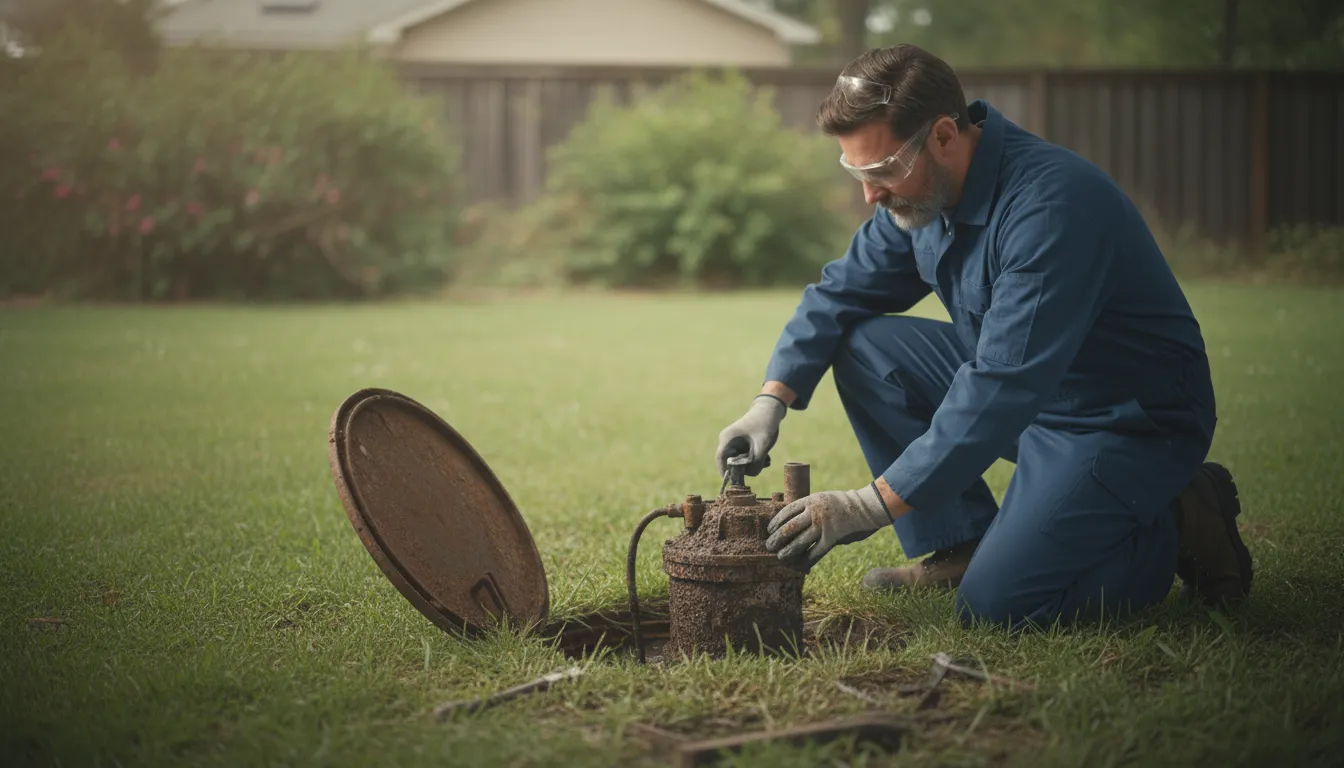
Find the Best Septic Pump Repair Companies for Your Business
No obligation • Fast responses • Nationwide coverage

Why you can trust Septic Spot
Septic Spot is a leading United States resource for understanding and comparing septic services. Our editors review providers using consistent criteria and verify key business details. Listings and scores are independent, and companies cannot pay to influence our content.
Search providers near you
Top Septic Pump Repair Companies in Bloomfield, New Jersey Ranked
Maintaining a functional septic system is crucial for any home not connected to municipal sewer lines. When your septic pump fails or your system shows signs of trouble, it's more than an inconvenience-it's a potential health hazard and a significant property issue. This guide focuses on septic pump repair and replacement, as well as broader septic system fixes, providing Bloomfield homeowners with the knowledge to identify problems, understand local considerations, and connect with qualified professionals for service. Use this information to make informed decisions about maintaining or upgrading your onsite wastewater system.
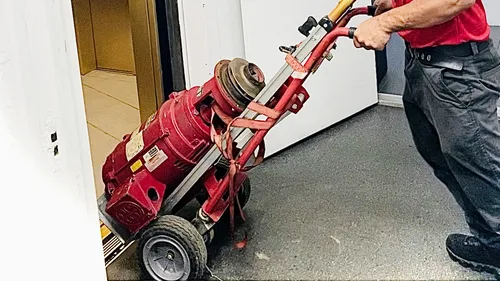
The Pump Guys Pump & Motor Specialist
1177 6th Ave 5th floor, New York, NY 10036
The Pump Guys Pump & Motor Specialist provides pump repair, rebuild, and maintenance services in New York, NY. They handle a wide range of pumps including industrial, commercial, residential, and marine types, along with alarm signals and controls. Their expertise covers troubleshooting, diagnosing, and servicing major pump brands to ensure proper operation.
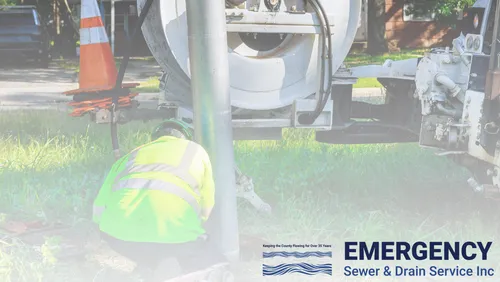
Emergency Sewer & Drain Service, Inc.
75 Virginia Rd, White Plains, NY 10603
Emergency Sewer & Drain Service, Inc. provides septic pump repair and replacement services in New York, NY. Based in White Plains, they serve clients across Westchester County, NY, and Fairfield County, CT. The company offers a wide range of plumbing and drainage services, including pump repairs, main sewer line repair, and flooded basement pumping. Established in 1984, they bring over four decades of experience to both residential and commercial systems. They are available 24 hours a day, seven days a week to address urgent plumbing needs.
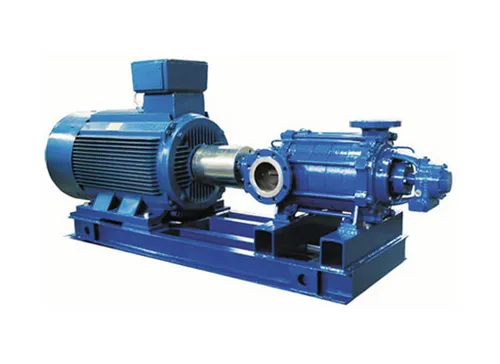
Pro Pump Corp.
707 Woodfield Rd, West Hempstead, NY 11552
Pro Pump Corp. provides comprehensive pump and motor repair, service, replacement, installation, and sales for commercial, industrial, and multi-family residential buildings in New York, NY. They service a wide range of pumps including booster, sewage, fire, sump, and cooling tower pumps. The company offers 24/7 emergency services to the NYC Metro area, ensuring quick response and expert technician dispatch. With over 30 years of experience, Pro Pump Corp. supports various facilities such as hospitals, airports, hotels, and schools.
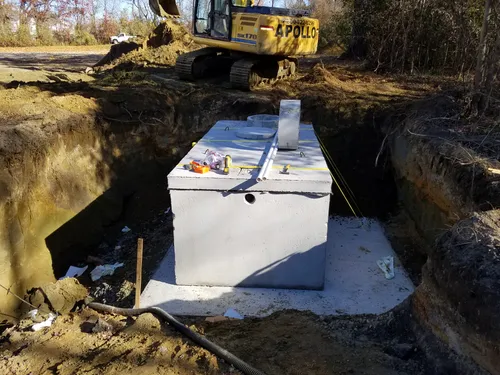
Apollo Sewer & Plumbing
110 W Front St, Keyport, NJ 07735
Apollo Sewer & Plumbing provides comprehensive plumbing and septic services in New York, NY. They handle everything from septic tank installation, pumping, and repair to sewer line cleaning and excavation. Their capabilities include high-pressure jetting and the use of heavy equipment like backhoes and dozers for trenching and new line installation. Apollo Sewer & Plumbing serves both residential and commercial clients and offers 24/7 emergency plumbing services to address urgent issues at any time.
Understanding Your Septic System's Pump
The pump, often called an effluent or septic pump, is the heart of many modern systems, especially in areas with challenging terrain or soil. Its job is to move treated wastewater (effluent) from the septic tank to the drain field. In Bloomfield and across Northern New Jersey, where lot sizes can be smaller and soil conditions variable, pumps are common. A failing pump can lead to sewage backups in the home, soggy areas in the yard, or a complete system halt.
Key Components Involved in Pump Service:
- The Pump Itself: Located in a separate chamber or the tank's outlet, it activates when effluent reaches a certain level.
- Float Switches: These trigger the pump to turn on and off. Float switch failure is a common, often simpler, repair.
- Control Panel & Alarm: The electrical brain of the operation. An alarm sounds to alert you of high water levels, signaling a pump failure or other blockage.
- Check Valve: Prevents pumped effluent from flowing back into the tank.
Common Signs You Need Pump or System Repair
Recognizing early warning signs can mean the difference between a manageable repair and a catastrophic, expensive replacement.
- Alarms Sounding: The most direct sign. Your system's control panel alarm is designed to warn you of high water levels in the pump tank.
- Slow Drains & Backups: Gurgling toilets, slow-draining sinks, or sewage backups in the lowest drains in your home often point to a system failure, potentially starting with the pump.
- Soggy Lawn or Odors: Unusually lush, soggy grass or foul odors near the drain field or tank area indicate that effluent is not being properly distributed and is surfacing.
- Unusually High Water in Inspection Pipes: If you check the inspection ports and find the water level is at or near the top of the tank when the pump should have activated, it's a clear sign of pump failure.
The Unique Challenges of Septic Systems in Bloomfield, NJ
Bloomfield's location in Essex County presents specific geological and regulatory factors that directly impact septic pump repair and system replacement.
Soil Conditions: Northern New Jersey, including Bloomfield, often has dense, clay-heavy soils left by glacial till 1. These soils have low permeability, meaning they absorb water very slowly. This can lead to premature drain field saturation and failure, often requiring more advanced and costly engineered systems instead of simple gravity-fed ones 2 3.
System Types: Older homes may have traditional gravity systems, but due to space constraints and soil challenges, newer installations and replacements frequently require pumps, aerobic treatment units (ATUs), or pressure-dosed mound systems to function properly. Repairing or replacing a pump in these advanced systems is a specialized task.
Regulations & Permitting: Any significant septic system repair, especially one involving new piping, a pump, or alterations to the drain field, requires permits from the local health department. In many cases, an engineered design by a licensed professional is mandatory 4 5. This ensures the repair meets current environmental and public health standards but adds to the project's timeline and cost.
The Diagnostic & Repair Process
When you suspect a problem, a professional will follow a systematic approach.
- Inspection & Diagnosis: A specialist will first check the electrical components (breaker, control panel, floats) 6. They may use specialized cameras or probes to inspect the pump, pipes, and drain field to determine if the issue is a simple pump failure, an electrical fault, or a more serious drain field blockage.
- Identifying the Scope: The diagnosis will reveal whether a component needs repair, a pump requires replacement, or if the problem is symptomatic of a larger system-wide failure.
- The Repair or Replacement Work:
- Pump/Alarm Replacement: This involves accessing the wet well (pump chamber), removing the old unit, and installing a new one, along with any faulty floats or alarms.
- Lateral or Distribution Box (D-Box) Repair: Failed pipes or a cracked D-Box require excavation to expose and replace the damaged components.
- Tank Repair/Replacement: If the septic tank itself is structurally damaged (cracked, collapsed), it must be replaced, which is a major excavation project often involving an upgrade to a modern concrete or plastic tank.
- Final Testing & Inspection: After repairs, the system is tested. For major work, a final inspection by the local governing authority is typically required to ensure compliance and proper operation.
Find the perfect septic pump repair companies for your needs
Get personalized recommendations and expert advice
Repair vs. Complete System Replacement: A Critical Decision
One of the most significant decisions homeowners face is whether to repair a failing component or invest in a full system replacement. The choice depends on the system's age, the condition of the drain field, and soil health.
When Repair is Viable: If the septic tank and drain field are in good condition, and the issue is isolated-like a failed pump, broken pipe, or faulty electrical component-repair is the logical and cost-effective choice 7.
When Replacement Becomes Necessary: Repair may not be a long-term solution if:
- The drain field has failed due to age, compaction, or biomat buildup.
- The septic tank is structurally unsound.
- The system is an outdated design that cannot be permitted for repair under current codes.
- The native soil is so compromised that it cannot percolate effluent effectively, a common issue in clay soils 8.
For a failing drain field, sometimes technologies like Terra-Lift can be considered. This process uses compressed air to fracture compacted soil around the leach field, potentially restoring percolation and avoiding a full replacement, though it's not suitable for all situations.
Cost Guide for Septic Pump and System Services in Bloomfield
Costs can vary widely based on system complexity, accessibility, and soil conditions. The following are estimates based on regional data:
- Septic Pump Repair or Replacement: $800 - $5,000 9. This wide range covers simple float/switch fixes up to replacing a high-capacity pump in a deep chamber.
- Distribution Box (D-Box) Replacement: $1,500 - $8,000. Cost depends on depth and accessibility.
- Partial Drain Field Repair: $3,000 - $15,000 10. This involves replacing a section of failed leach lines.
- Complete Septic System Replacement: For a standard 3-bedroom home in Northern NJ, expect a range of $20,000 - $45,000 or more 11. High-end costs apply to advanced systems (like mound or aerobic systems) required by poor soil or space limitations.
- Septic Tank Replacement Alone: $10,000 - $15,000 12.
Disclaimer: All costs are estimates. The final price for your project in Bloomfield will depend on a site-specific evaluation, soil testing results, permit fees, and the chosen system technology.
Maintaining Your System After a Repair
Protecting your investment after a repair is key. Regular maintenance includes:
- Annual Inspections: Have a professional inspect the pump, electrical components, and overall system function.
- Pumping the Tank: Even with a new pump, the septic tank itself must be pumped every 3-5 years to remove solids and prevent clogs.
- Water Conservation: Reducing household water use lessens the load on the pump and drain field.
- Mindful Flushing: Only human waste and toilet paper should go down the drains. Avoid chemicals, grease, and non-biodegradable items.
Frequently asked questions
Sources
Footnotes
-
Septic System Repair & Troubleshooting in NJ - https://excavatingnj.com/services/septic/repairs/ ↩
-
Septic System Repair in New Jersey - ATS Environmental - https://www.atsenvironmental.com/residential/septic-system-repair/ ↩
-
Onsite Sewage Disposal Systems: A Guide to Maintenance - https://www.baltimorecountymd.gov/files/departments/environmental-protection-and-sustainability/documents/osdsmaintenanceguide20240621.pdf ↩
-
Septic System Repairs | Septic Parts Replacement | NJ - https://septicandoiltanks.com/septic-system-repairs-component-replacement/ ↩
-
Septic Tank Repair & Evaluation Services in New Jersey - https://alseptic.com/septic-tank-repair-nj/ ↩
-
Troubleshooting & Repairs - New Jersey Septic Management Group - https://nj-septic.com/repairs/ ↩
-
Septic Repair vs Replacement in NJ: Costs & Signs - https://www.atsenvironmental.com/blog/septic-repair-vs-replacement/ ↩
-
Septic Drain Field Replacement Costs Vs. Long-Term Savings - https://www.theseptictankman.com/blog/septic-drain-field-replacement-costs-vs-long-term-savings ↩
-
Septic Repair vs. Replacement: A Guide to Costs & Red Flags - https://prosepticri.com/septic-repair-vs-replacement-guide/ ↩
-
Septic Repair vs. Replacement: A Guide to Costs & Red Flags - https://prosepticri.com/septic-repair-vs-replacement-guide/ ↩
-
The Real Cost of Septic Installation in New Jersey (2025) - https://www.atsenvironmental.com/blog/the-real-cost-of-septic-installation-in-new-jersey-2025/ ↩
-
How Much Does It Cost To Replace A Septic System In Northern NJ? - https://dsepticservice.com/b/septic-system-replacement-cost-new-jersey/ ↩