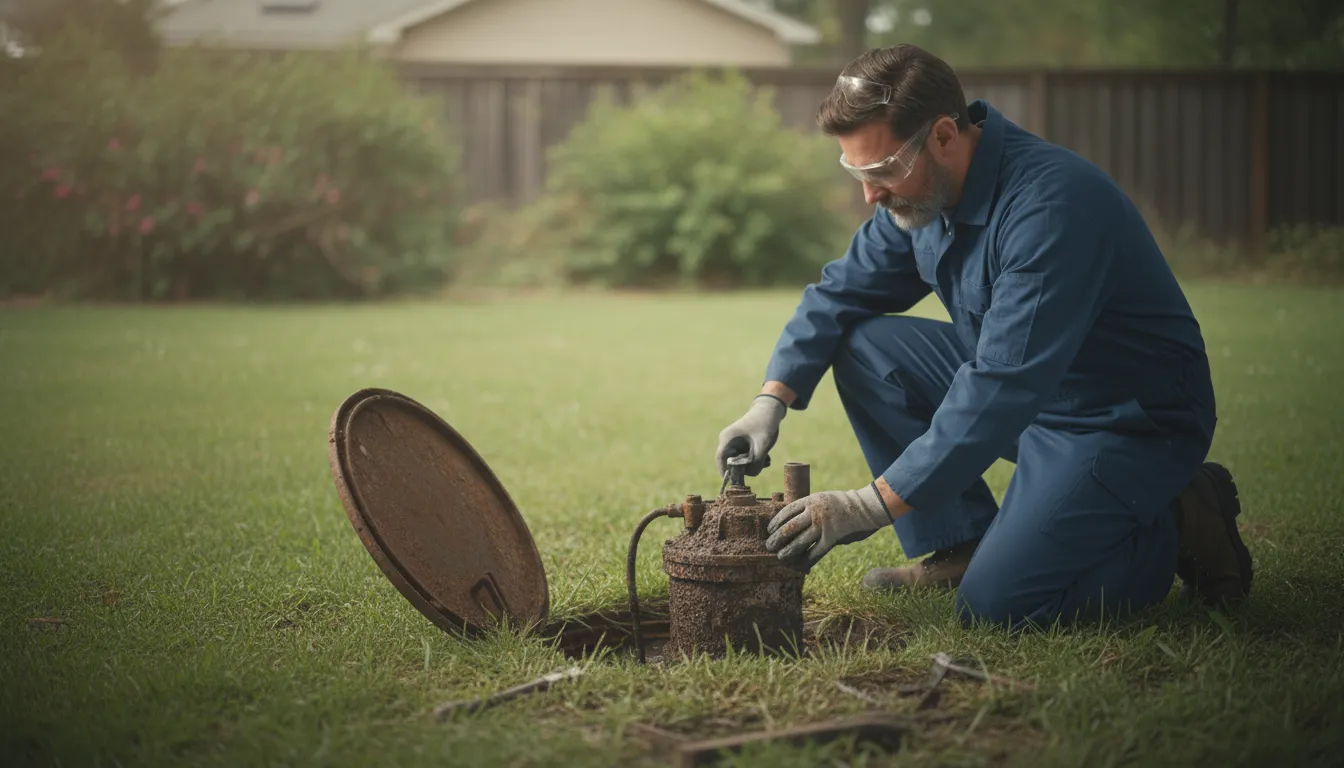
Find the Best Septic Pump Repair Companies for Your Business
No obligation • Fast responses • Nationwide coverage

Why you can trust Septic Spot
Septic Spot is a leading United States resource for understanding and comparing septic services. Our editors review providers using consistent criteria and verify key business details. Listings and scores are independent, and companies cannot pay to influence our content.
Search providers near you
Top Septic Pump Repair Companies in Lakewood, New Jersey Ranked
Maintaining a functional septic system is essential for protecting your property, health, and New Jersey's environment. When a pump fails or components wear out, timely and professional repair or replacement is critical to prevent sewage backups and costly environmental damage. This guide provides clear, practical information on septic pump and system services in New Jersey, helping you understand common issues, regulatory requirements, and how to connect with qualified local specialists for your specific needs.
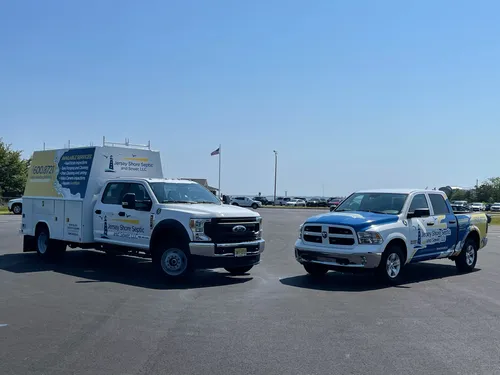
Jersey Shore Septic And Sewer LLC
Lakewood, NJ
Jersey Shore Septic And Sewer LLC is a family-owned and operated business serving Lakewood, NJ, and surrounding counties including Atlantic, Middlesex, Monmouth, and Ocean. With over a decade of experience, they provide residential and commercial septic services such as septic tank pumping, inspections, repairs, replacements, and new installations. Their team holds CDL-A licenses and is trained to perform specialized services like video camera inspections and high-pressure water jetting. The company also offers excavation and commercial snow removal services.
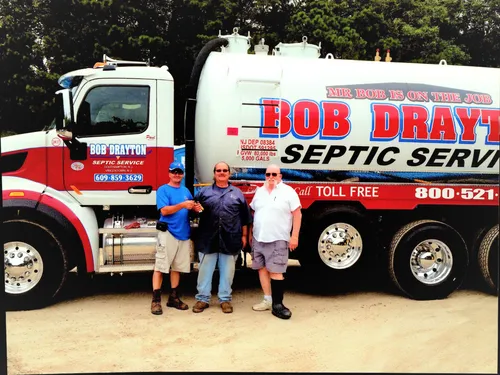
Bob Drayton Inc
151 Big Hill Rd, Southampton Township, NJ 08088
Bob Drayton Inc is a septic system repair and portable toilet rental company serving Philadelphia, PA, and nearby areas. Established in 1955, the company offers septic pump repair, power snaking, and jetting services along with roll-off container rentals for various projects and events. With over six decades of experience, Bob Drayton Inc provides 24-hour emergency septic services to meet urgent needs.
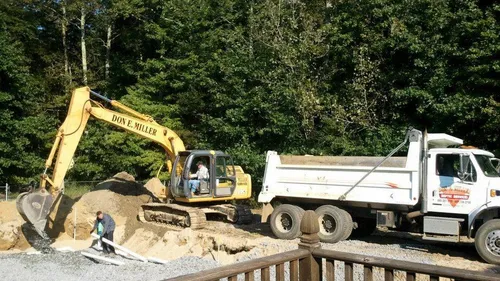
Don E Miller Septic Service Inc & Donny's Potty's
362 Meany Rd, North Hanover, NJ 08562
Don E Miller Septic Service Inc & Donny's Potty's is a family-owned septic service provider based near Philadelphia, PA. They offer a wide range of septic system services including pumping, inspections, repairs, and installations, as well as portable toilet rentals for residential, commercial, and municipal customers. The company has been serving the North Hanover Township area and surroundings since 1963, providing expertise in maintaining and installing various septic system components such as dosing pumps, grease traps, and effluent filters.
A-1 Septic Service,LLC
New York, NY
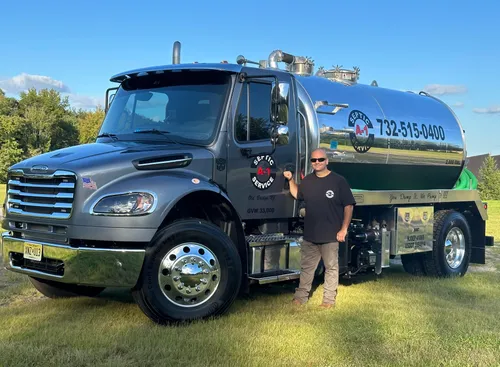
A-1 Septic Service, LLC is a family-owned septic service provider based in New York, NY, with a history dating back to 1956. They offer a range of services including septic pumping, inspection, cleaning, repair, and installation for residential and commercial systems. The company uses advanced tools and technology to maintain and service all types of septic tank systems. A-1 Septic Service is licensed, insured, and provides emergency services with 24/7 availability.
Apollo Sewer & Plumbing
110 W Front St, Keyport, NJ 07735
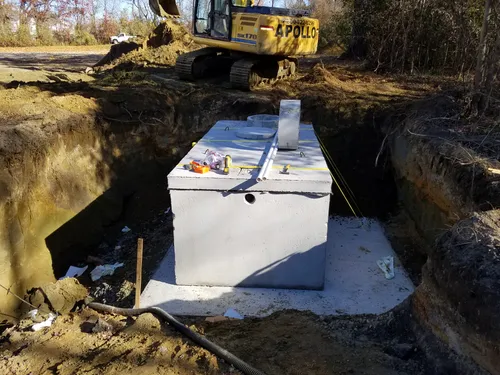
Apollo Sewer & Plumbing provides comprehensive plumbing and septic services in New York, NY. They handle everything from septic tank installation, pumping, and repair to sewer line cleaning and excavation. Their capabilities include high-pressure jetting and the use of heavy equipment like backhoes and dozers for trenching and new line installation. Apollo Sewer & Plumbing serves both residential and commercial clients and offers 24/7 emergency plumbing services to address urgent issues at any time.
Understanding Your New Jersey Septic System
Most homes in New Jersey not connected to a municipal sewer line rely on an on-site wastewater treatment system, commonly known as a septic system. Understanding the type of system you have is the first step in diagnosing problems and planning repairs.
- Gravity Systems: These are the most traditional design, relying on gravity to move effluent (liquid waste) from the tank out to the drain field. They have fewer mechanical parts but require specific soil and slope conditions.
- Pump/Pressure Distribution Systems: Common in areas with high water tables, shallow bedrock, or where the drain field is uphill from the tank, these systems use an electrically powered submersible pump to move effluent from a separate pump chamber to the drain field. The pump and its related controls (float switches, alarms) are frequent repair points.
- Alternative/Aerobic Treatment Systems (ATS): Used in difficult soil conditions or on properties with limited space, these systems use an aerator to introduce oxygen, enhancing the treatment process before effluent is dispersed 1 2. They involve more mechanical and electrical components that require specialized maintenance.
Common Septic Repairs in New Jersey
Professional septic contractors diagnose issues through a thorough inspection of the tank, pump chamber (if present), and drain field. Here are the most common repairs homeowners face:
- Pump Repair or Replacement: In pump systems, the submersible pump or its float switches can fail due to wear, electrical issues, or debris. Repairing or replacing the pump, motor, or control panel is a standard service 3.
- Baffle and Outlet Repairs: The inlet and outlet baffles inside the tank are crucial for preventing scum and solids from escaping into the drain field. These can deteriorate or break and need replacement 4.
- Distribution Box (D-Box) Issues: The D-box evenly distributes effluent to the drain field lines. It can settle, tilt, or crack over time, leading to uneven distribution and system failure. Re-leveling or replacing the D-box is a common repair.
- Drain Field (Leach Field) Repairs: Broken or clogged pipes in the drain field can cause surfacing effluent and soggy yards. Solutions range from cleaning and jetting lines to partial replacement or installing specialized risers for access 5.
- Tank Structural Repairs: Cracks, leaks, or collapse of the septic tank itself are serious issues. Depending on severity, repairs may involve patching or, more often, complete tank replacement 6.
Find the perfect septic pump repair companies for your needs
Get personalized recommendations and expert advice
When Replacement Becomes Necessary
Repair is not always feasible. A licensed professional can help determine if a full system replacement is required. Key signs and reasons for replacement include:
- Persistent Drain Field Failure: If the soil in the drain field is permanently clogged (a condition called biomatting) and cannot be restored, a new drain field or entirely new system location is needed.
- Major Tank Failure: A severely cracked or collapsed tank cannot be safely repaired.
- System is Out of Compliance: Older systems may not meet current New Jersey Department of Environmental Protection (NJDEP) standards, especially if you're renovating or expanding your home.
- Cost-Benefit Analysis: When the cost of repeated repairs approaches the cost of a new, reliable system, replacement is often the more prudent long-term investment 7.
A full replacement is a significant project that typically requires soil testing (perc test), engineering design, and new permits.
New Jersey Regulations and Permitting
All septic system work in New Jersey is governed by strict regulations to protect groundwater. The NJDEP rules under N.J.A.C. 7:9A are the statewide standard, administered locally 8.
- Permitting Authority: For most residential systems, your local health department issues permits for repairs, alterations, and new installations 9. They will inspect the work at various stages.
- Required Inspections: New Jersey recommends (and many towns mandate) septic system inspections every 3 to 5 years to catch problems early. An inspection is almost always required during a real estate transaction.
- Critical Setbacks: Systems must maintain minimum distances from wells (100 feet), property lines (10 feet), buildings, and water bodies (50-100 feet) 10. These setbacks can limit repair options.
- Special Area Permits: If your property is in or near a wetland, buffer, or other protected area, you may need additional permits from the NJDEP's Land Use Regulation program before any work can begin 11.
Always verify that any contractor you hire is familiar with local health department requirements and handles the permitting process.
Understanding Costs for Repair and Replacement
Costs in New Jersey vary widely based on system type, repair complexity, soil conditions, and local permit fees. The following ranges are estimates based on common industry data 12 13 14:
- Minor Pump/Electrical Repair: Replacing a pump, float switch, or control panel typically ranges from $500 to $2,500.
- Mid-Level System Repair: Repairing or replacing baffles, a distribution box, or a section of drain field pipe generally costs between $1,500 and $5,000.
- Septic Tank Replacement: Removing an old tank and installing a new one can cost $10,000 to $15,000, not including any drain field work.
- Complete System Replacement: Installing a new conventional system, including tank and drain field, often ranges from $20,000 to $45,000 or more. Alternative systems (aerobic) can be at the higher end of this range.
- Pre-Purchase Inspection: A thorough inspection and report for a real estate transaction typically costs $400 to $800.
Choosing a Service Provider in New Jersey
Selecting the right professional is crucial. Look for a licensed, insured contractor with a strong local reputation. They should:
- Offer a clear, detailed inspection and diagnosis.
- Explain repair options versus replacement honestly.
- Be fully transparent about costs, including permits.
- Provide a written contract outlining the scope of work, timeline, and warranty.
- Handle all necessary communications and inspections with the local health department.
Taking the time to understand your system and the regulatory landscape empowers you to make informed decisions, protect your investment, and ensure your home's wastewater is managed safely and effectively.
Frequently asked questions
Sources
Footnotes
-
How Much Does a Septic System Cost? - https://www.fastexpert.com/blog/septic-system-cost/ ↩
-
A Complete Guide to Pumps for Septic Systems: How They Work, Types, and Benefits - https://www.streampumps.com/pump-knowledge/submersible-pump-septic-system-en20250422.html ↩
-
Troubleshooting & Repairs - New Jersey Septic Management Group - https://nj-septic.com/repairs/ ↩
-
SEPTIC - NJ.gov - https://dep.nj.gov/wp-content/uploads/dwq/pdf/septicmn.pdf ↩
-
New Jersey Septic System Rules - 2026 Guide - https://thesewerkings.com/blog/new-jersey-septic-system-rules/ ↩
-
Septic System Repair in New Jersey - ATS Environmental - https://www.atsenvironmental.com/residential/septic-system-repair/ ↩
-
Septic Repair vs Replacement in NJ: Costs & Signs - https://www.atsenvironmental.com/blog/septic-repair-vs-replacement/ ↩
-
NJDEP| Division of Water Quality | Septic Systems - https://dep.nj.gov/dwq/wastewater/septic-systems/ ↩
-
NJDEP| Division of Water Quality | Permitting Information - https://dep.nj.gov/dwq/wastewater/septic-systems/permitting-information/ ↩
-
The Complete Guide to Septic System Installation and ... - https://excavatingnj.com/blog/the-complete-guide-to-septic-system-installation-and-permitting-in-new-jersey/ ↩
-
Watershed & Land Management | Septic System - NJDEP - https://dep.nj.gov/wlm/lrp/common-projects/septic-system/ ↩
-
NJ Septic Regulations for 2026: Inspections, Permits & Rules - https://www.atsenvironmental.com/blog/nj-septic-regulations-for-2026/ ↩
-
The Real Cost of Septic Installation in New Jersey (2025) - https://www.atsenvironmental.com/blog/the-real-cost-of-septic-installation-in-new-jersey-2025/ ↩
-
How Much Does It Cost To Replace A Septic System In Northern NJ? - https://dsepticservice.com/b/septic-system-replacement-cost-new-jersey/ ↩