Find the Best Septic Pump Repair Companies for Your Business
No obligation • Fast responses • Nationwide coverage

Why you can trust Septic Spot
Septic Spot is a leading United States resource for understanding and comparing septic services. Our editors review providers using consistent criteria and verify key business details. Listings and scores are independent, and companies cannot pay to influence our content.
Search providers near you
Top Septic Pump Repair Companies in Gloucester, New Jersey Ranked
When your septic system's pump fails, it's more than an inconvenience-it's a potential health hazard and a threat to your property. Septic pump repair and replacement services address the critical mechanical and electrical components that move wastewater from your home to the drain field, especially in systems that can't rely on gravity alone. For homeowners in Gloucester County, understanding the local soil conditions, common system types, and repair processes is key to maintaining a functional and compliant wastewater system. This guide helps you navigate the specifics of septic pump services in the area, from identifying warning signs to understanding cost factors, so you can effectively connect with qualified local professionals.
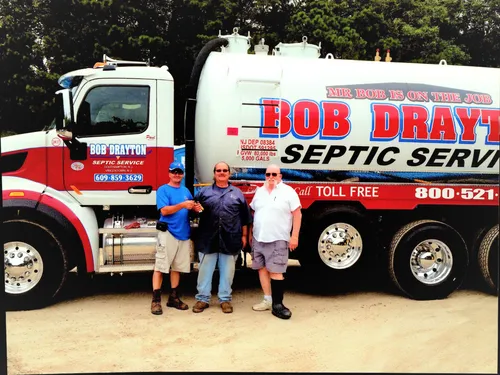
Bob Drayton Inc
151 Big Hill Rd, Southampton Township, NJ 08088
Bob Drayton Inc is a septic system repair and portable toilet rental company serving Philadelphia, PA, and nearby areas. Established in 1955, the company offers septic pump repair, power snaking, and jetting services along with roll-off container rentals for various projects and events. With over six decades of experience, Bob Drayton Inc provides 24-hour emergency septic services to meet urgent needs.

Decker Septic
29 Constitution Dr, Vincentown, NJ 08088
Decker Septic is a septic system service provider based near Philadelphia, PA. They offer a range of services including septic tank pumping, inspections, repairs, installations, and drain field replacement. The company is experienced in handling septic pump repairs and replacements, as well as managing system components like collars and manhole covers to prevent flooding issues. Customers have noted their thorough approach to septic system replacement and maintenance, including assistance with engineering and county approvals. Decker Septic is known for working within tight timelines and maintaining property condition during their work.
Understanding Your Septic System's Pump
Not all septic systems have a pump. Conventional gravity-fed systems, which rely on the natural slope of the land, typically do not. However, many homes in Gloucester County and across South Jersey require a pump due to challenging site conditions. These pump-dependent systems, such as pressure-dosed systems or mound systems, use an effluent pump (or in some cases, a grinder pump) to push wastewater from the septic tank up to a higher-elevation drain field.
The pump is the heart of these engineered systems. It's controlled by a float switch that activates the pump when the effluent in the tank reaches a certain level. This entire assembly-pump, floats, control panel, and alarm-is what specialists refer to when discussing septic pump service or effluent pump repair.
Common Signs of Septic Pump Failure
Recognizing early warning signs can prevent a minor repair from becoming a major replacement or system-wide failure. Here are the most frequent indicators of a problem with your septic pump or related components:
- Audible or Visual Alarm: Most engineered systems have an alarm panel, often located in your garage or basement. A sounding alarm or flashing light is the most direct signal of a high water level in the pump tank, indicating the pump isn't activating or can't keep up 1.
- Slow Drains and Backups: If drains throughout your home are gurgling or draining very slowly, or if toilets are backing up, it could point to a pump failure preventing effluent from leaving the tank.
- Wet Spots or Sewage Odors in the Yard: Puddles, soggy ground, or unpleasant smells near the septic tank or drain field area can signal that wastewater isn't being pumped to the drain field and is instead surfacing.
- Unusually Loud Pump Operation or Constant Running: A pump that runs continuously or makes grinding, humming, or screeching noises is likely failing and needs immediate attention.
Why Gloucester County's Soil Makes Pumps Crucial
The type of septic system your home has-and consequently, your reliance on a pump-is largely determined by a site evaluation that assesses soil composition and the depth to the seasonal high water table. Gloucester County's soil varies significantly, impacting repair strategies and costs.
- High Water Table & Wet Soils: Areas with a high water table or poorly draining soils cannot support a traditional gravity drain field below ground. Here, mound systems are common. These systems require a pump to lift effluent into a raised, sandy drain field constructed above the natural grade. Repairs in these systems are often more complex and costly due to the electrical components and the need to protect the system from groundwater infiltration.
- Clay & Compacted Soils: Dense clay soils have very slow percolation rates, meaning they don't absorb liquid well. A conventional drain field in clay will quickly fail. Solutions often involve advanced engineered systems that use pumps to precisely dose and distribute effluent, sometimes requiring specialized repair techniques or additives to improve soil absorption without a full excavation 2.
Find the perfect septic pump repair companies for your needs
Get personalized recommendations and expert advice
The Septic Pump Repair & Replacement Process
When you contact a professional for a suspected pump issue, they will typically follow a structured process to diagnose and resolve the problem.
- Inspection and Diagnosis: The first step is a thorough inspection, which often includes checking the electrical control panel, testing the float switches, and assessing the pump itself. A technician may also check the tank levels and inspect the drain field to rule out a broader system failure, like a collapsed field, which would present similar symptoms 3.
- Identifying the Faulty Component: Common points of failure include the float switch (which gets stuck or fails), the pump motor (which burns out), the control panel (with electrical issues), or clogged grinder pump blades. The repair scope depends on which component has failed 4.
- Permitting and Compliance: In New Jersey, most septic repairs and all replacements require a permit from the local health department. A reputable service provider will handle this permitting process, ensuring the work meets all state and county regulations 5.
- The Repair or Replacement Work: For a repair, this may involve replacing the pump, floats, or wiring. For easier future access, a technician might recommend installing a riser to bring tank access to ground level. If the pump tank or the entire system is failing, a full septic system replacement may be necessary 6.
Cost Factors for Pump Services in Gloucester County
Costs for septic pump work can vary widely based on the complexity of the system and the nature of the repair. The figures below are estimates based on regional data 7 8.
- Septic Tank Pumping & Inspection: $200-$600. This is often the first step to diagnose a problem and is essential routine maintenance.
- Pump or Alarm System Repair: $800-$5,000. Replacing a standard effluent pump and float assembly is on the lower end, while repairing or replacing a complex grinder pump system or advanced control panel can reach the higher end of this range.
- Baffle or Riser Repair/Installation: $300-$1,200. Adding or repairing tank access points (risers) or internal baffles.
- Full Engineered System Replacement: $15,000-$35,000+. This is the cost range for replacing a failing mound or other pump-dependent system. The final price depends heavily on soil conditions, system design, and local permitting requirements 9. Replacing a conventional gravity system is generally less expensive, typically ranging from $10,000-$20,000 10 11.
The single largest cost driver is the soil condition and system type. A repair on a simple pressure-dosed system in moderately draining soil will cost less than an identical repair on a mound system in a high-water-table area, which may require additional work to ensure stability and compliance 12 13.
Repair vs. Full System Replacement
A critical decision homeowners face is whether to repair a component or invest in a full system replacement. Repair is usually the first option, but replacement becomes necessary under certain conditions:
- Opt for Repair when the issue is isolated to the pump, floats, or wiring, and the tank and drain field are in sound condition. Regular pumping and maintenance can prevent many pump failures.
- Consider Replacement if the septic tank is cracked or deteriorating, the drain field has completely failed (saturated and non-absorbent), or the system is an old, undersized design that no longer meets your household's needs or current health codes. Repeated pump failures can sometimes indicate an overloaded system that needs a larger-capacity redesign.
Frequently asked questions
Sources
Footnotes
-
SEPTIC SPOTLIGHT - https://www.capecodsepticservices.com/septic-spotlight-blog/4558/ ↩
-
What are the alternatives to a traditional septic system for properties with clay soil that fail perk tests? - https://www.facebook.com/groups/offgridlivingsurvival/posts/1602990500105605/ ↩
-
Septic Tank Repair & Evaluation Services in New Jersey - https://alseptic.com/septic-tank-repair-nj/ ↩
-
Top Septic Systems for Rural Homes Explained - https://warriordrainandplumbing.com/top-septic-systems-for-rural-homes-explained/ ↩
-
New Jersey Septic System Rules - 2026 Guide - The Sewer Kings - https://thesewerkings.com/blog/new-jersey-septic-system-rules/ ↩
-
Drain Field Rejuvenation: 3 Easy Fixes (2025) - https://www.vdwws.com/blog/drain-field-rejuvenation ↩
-
Septic Tank Installation South Jersey | Trusted Local Experts - https://thesewerkings.com/septic-tank-installation/ ↩
-
Septic Repair vs Replacement in NJ: Costs & Signs - https://www.atsenvironmental.com/blog/septic-repair-vs-replacement/ ↩
-
The Real Cost of Septic Installation in New Jersey (2025) - https://www.atsenvironmental.com/blog/the-real-cost-of-septic-installation-in-new-jersey-2025/ ↩
-
Septic Repair vs. Replacement: A Guide to Costs & Red Flags - https://prosepticri.com/septic-repair-vs-replacement-guide/ ↩
-
Septic Tank Replacement Cost | Sussex County Septic Installation - https://wilsonservices.com/resources/septic-tank-replacement-cost/ ↩
-
Septic System Repair & Troubleshooting in NJ - https://excavatingnj.com/services/septic/repairs/ ↩
-
How Soil Type Affects Septic Installation - Earthmovers NJ - https://earthmoversnj.com/how-soil-type-affects-septic-installation/ ↩