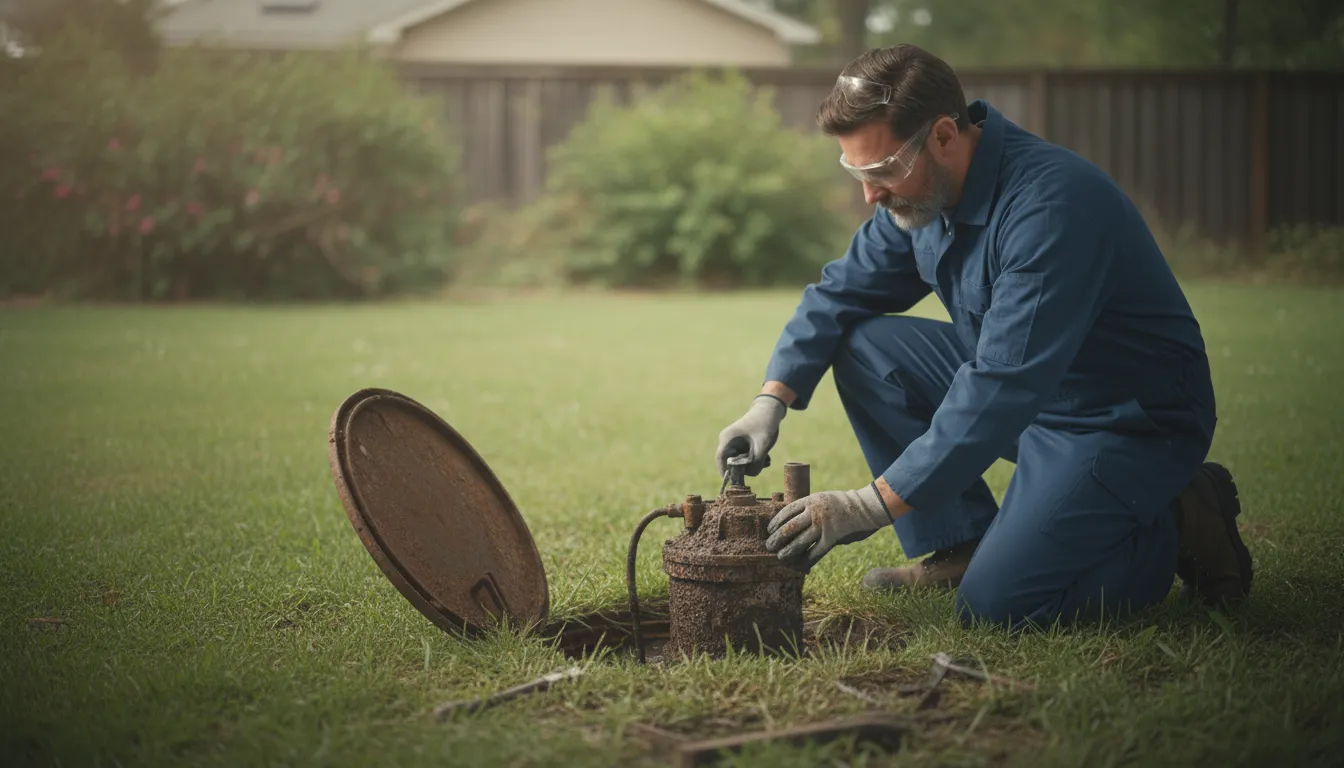
Find the Best Septic Pump Repair Companies for Your Business
No obligation • Fast responses • Nationwide coverage

Why you can trust Septic Spot
Septic Spot is a leading United States resource for understanding and comparing septic services. Our editors review providers using consistent criteria and verify key business details. Listings and scores are independent, and companies cannot pay to influence our content.
Search providers near you
Top Septic Pump Repair Companies in Hamilton, New Jersey Ranked
When your septic system's pump fails or your entire system is nearing the end of its lifespan, it's more than an inconvenience-it's a critical home maintenance issue that requires immediate, expert attention. Septic pump repair and system replacement are specialized services that ensure your wastewater is managed safely and effectively, protecting your property, health, and the local environment. For Hamilton homeowners, navigating the unique soil conditions and regulations is key. This guide will help you understand the process, costs, and local considerations for septic system servicing, empowering you to find the right local professional for your needs.
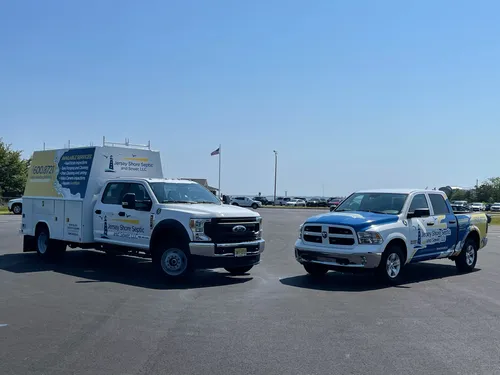
Jersey Shore Septic And Sewer LLC
Lakewood, NJ
Jersey Shore Septic And Sewer LLC is a family-owned and operated business serving Lakewood, NJ, and surrounding counties including Atlantic, Middlesex, Monmouth, and Ocean. With over a decade of experience, they provide residential and commercial septic services such as septic tank pumping, inspections, repairs, replacements, and new installations. Their team holds CDL-A licenses and is trained to perform specialized services like video camera inspections and high-pressure water jetting. The company also offers excavation and commercial snow removal services.
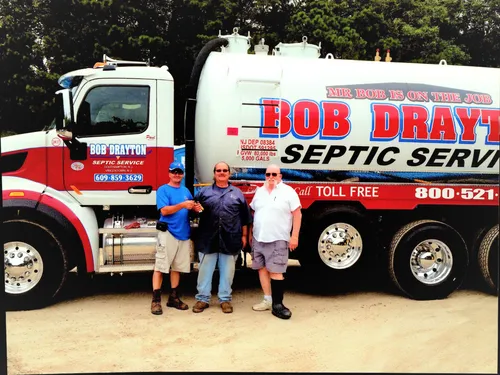
Bob Drayton Inc
151 Big Hill Rd, Southampton Township, NJ 08088
Bob Drayton Inc is a septic system repair and portable toilet rental company serving Philadelphia, PA, and nearby areas. Established in 1955, the company offers septic pump repair, power snaking, and jetting services along with roll-off container rentals for various projects and events. With over six decades of experience, Bob Drayton Inc provides 24-hour emergency septic services to meet urgent needs.
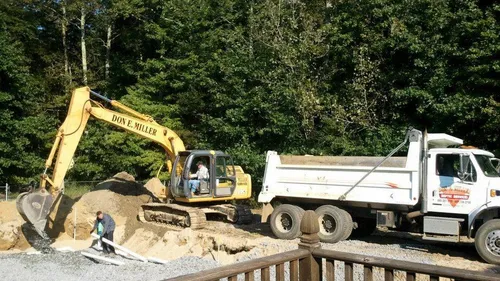
Don E Miller Septic Service Inc & Donny's Potty's
362 Meany Rd, North Hanover, NJ 08562
Don E Miller Septic Service Inc & Donny's Potty's is a family-owned septic service provider based near Philadelphia, PA. They offer a wide range of septic system services including pumping, inspections, repairs, and installations, as well as portable toilet rentals for residential, commercial, and municipal customers. The company has been serving the North Hanover Township area and surroundings since 1963, providing expertise in maintaining and installing various septic system components such as dosing pumps, grease traps, and effluent filters.

Decker Septic
29 Constitution Dr, Vincentown, NJ 08088
Decker Septic is a septic system service provider based near Philadelphia, PA. They offer a range of services including septic tank pumping, inspections, repairs, installations, and drain field replacement. The company is experienced in handling septic pump repairs and replacements, as well as managing system components like collars and manhole covers to prevent flooding issues. Customers have noted their thorough approach to septic system replacement and maintenance, including assistance with engineering and county approvals. Decker Septic is known for working within tight timelines and maintaining property condition during their work.
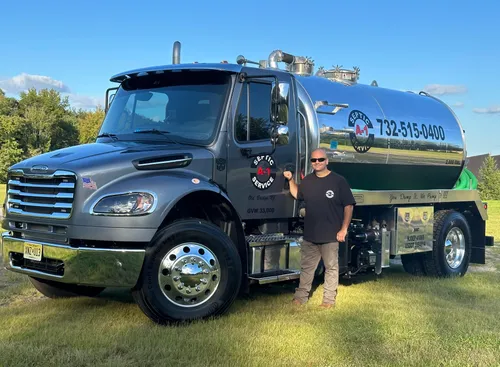
A-1 Septic Service,LLC
New York, NY
A-1 Septic Service, LLC is a family-owned septic service provider based in New York, NY, with a history dating back to 1956. They offer a range of services including septic pumping, inspection, cleaning, repair, and installation for residential and commercial systems. The company uses advanced tools and technology to maintain and service all types of septic tank systems. A-1 Septic Service is licensed, insured, and provides emergency services with 24/7 availability.
Understanding Your Septic System's Vital Components
A residential septic system is a complex, on-site wastewater treatment plant. The septic tank separates solids from liquids, while the effluent pump (in many modern systems) moves treated liquid wastewater to the drain field for final filtration into the soil. The distribution box ensures this effluent is spread evenly across the drain field pipes. A failure in any of these components-especially the pump, which is a mechanical part with a finite lifespan-can lead to backups, odors, and environmental contamination. Understanding this helps you communicate effectively with a repair technician about the symptoms you're experiencing.
Why Hamilton's Environment Demands Specialized Attention
The specific geology of Mercer County plays a huge role in septic system performance and repair strategies. Two primary factors influence system design and failure rates here:
- Clay-Rich Soils: Large parts of New Jersey, including areas around Hamilton, have dense, heavy clay soils 1. Clay has very poor permeability, meaning it drains water extremely slowly. A standard gravity-fed drain field installed in clay can become saturated and fail prematurely, leading to soggy yards and sewage backups into the home.
- High Water Tables: The region is also prone to high groundwater levels, particularly after sustained rain or spring thaws. When the water table rises above the level of your septic components, it can flood the tank, float the distribution box out of alignment, and render the drain field completely non-functional.
Because of these conditions, many homes in Hamilton may have-or may require-engineered septic systems. These are not simple gravity systems but are designed to overcome site limitations. Common types include:
- Pressure-Dosing Systems: These use a pump to send controlled, timed bursts of effluent to the drain field, allowing the soil to rest between doses and improving absorption in marginal soils.
- Mound Systems: These are above-ground, sand-filled filters used when soil depth or permeability is insufficient. They are complex to install and repair but are often the only viable solution for properties with high water tables or shallow bedrock.
Recognizing that your home might have one of these specialized systems is the first step in understanding why repairs or replacements can be more involved and costly than in other regions 2.
The Diagnostic Process: From Symptom to Solution
Before any repair or replacement quote can be given, a licensed septic professional must perform a thorough inspection. This diagnostic phase is crucial for an accurate and cost-effective solution. A proper evaluation typically includes:
- Site History & Symptom Review: The technician will ask about the age of the system, recent maintenance, and the specific problems you're noticing (e.g., slow drains, gurgling sounds, wet spots in the yard).
- Tank Inspection: The tank is pumped and inspected for structural integrity, sludge/scum levels, and the condition of inlet/outlet baffles (which prevent solids from exiting the tank).
- Pump & Alarm Test: For systems with pumps, the effluent pump, float switches, and alarm panel are tested for proper operation. A failed pump is a common culprit for system malfunctions.
- Drain Field Assessment: This may involve a percolation test to measure soil absorption rates or using a camera to inspect the lateral lines for blockages, root intrusion, or collapse.
- Distribution Box Check: The technician will locate and uncover the distribution box (D-box) to check if it is level. A shifted D-box, common in areas with high water tables or frost heave, can cause uneven drainage and field failure 3.
Only after this comprehensive diagnosis can a professional determine if the issue is a simple mechanical fix, a component failure, or a complete system breakdown requiring replacement.
Common Septic Repairs for Hamilton Homes
Many system issues can be resolved without a full replacement. Here are the most frequent repairs undertaken by local specialists:
- Effluent Pump or Alarm Replacement: The pump is the workhorse of a pressure-dosing system. When it fails, effluent cannot reach the drain field. Replacing the pump, its float switches, or the control panel is a standard repair. Costs typically range from $800 to $2,500 depending on the pump's horsepower and complexity.
- Baffle Repair or Replacement: The concrete or plastic baffles inside the tank can corrode or break off. This allows solids to flow into the drain field, causing clogs and failure. Repairing or replacing baffles is essential for protecting your investment in the drain field. This repair often falls between $800 and $1,500.
- Distribution Box (D-Box) Re-leveling or Replacement: As mentioned, a shifted D-box is a common problem. A technician can re-level it, or if it's damaged, replace it entirely to restore even effluent distribution. This service generally costs $1,500 to $3,000 4.
- Lateral Line or Pipe Repair: Individual pipes in the drain field can crack or become blocked. Sometimes, a specific section can be repaired or replaced without redoing the entire field. Costs are highly variable, from $1,500 for a minor fix to $8,000 or more for extensive pipe replacement 5.
Find the perfect septic pump repair companies for your needs
Get personalized recommendations and expert advice
When Replacement is the Only Option: Understanding the Costs
If the drain field has failed, the tank is structurally compromised, or the system is chronically failing due to poor original design, a full septic system replacement becomes necessary. In Hamilton, this is a significant project that involves engineering, permitting, excavation, and restoration.
The cost for a full conventional system replacement in our area typically starts around $15,000 and can exceed $35,000. The final price depends heavily on the required system type 6:
- Conventional Gravity System: If soil conditions allow, this is the most affordable option, usually at the lower end of the cost range.
- Engineered/Pressurized System: Required for poor-draining soils, these systems add the cost of pumps, controls, and more complex design.
- Mound System: Often the most expensive solution, frequently reaching $30,000 or more, due to the need to import special sand, construct the mound, and install a pressurized dosing system 7 8.
The replacement process is multi-step:
- Design & Permitting: A licensed engineer or designer creates a system plan based on soil tests. This plan must be approved by the NJ Department of Environmental Protection (NJDEP) and the local Hamilton Township health department before any work begins 9.
- Excavation & Installation: The old system is properly abandoned, and the new tank, pumps, and drain field are installed according to the approved plan.
- Inspection & Final Approval: The installing contractor and local officials inspect the work before the excavation is backfilled.
- Site Restoration: The yard is graded, seeded, and restored as closely as possible to its original condition.
Choosing a Qualified Septic Professional in Hamilton
Given the technical and regulatory complexity, selecting the right contractor is paramount. Look for a provider who:
- Holds a valid NJ Licensed Subsurface Sewage Disposal System Installer or Inspector license.
- Has extensive local experience with Hamilton's soil types and the NJDEP permit process.
- Provides detailed, written estimates that break down diagnosis, parts, labor, permitting fees, and restoration.
- Offers clear explanations and does not pressure you into unnecessary work. A reputable professional will explain whether repair or replacement is truly needed and why.
Frequently asked questions
Sources
Footnotes
-
Septic Tank Buyer's Guide by GoToTanks - Go To Tanks - https://gototanks.com/septic-tanks/septic-tank-buyers-guide.html ↩
-
How Long Does a Septic System Last in New Jersey? - https://www.atsenvironmental.com/blog/how-long-does-a-septic-system-last-in-new-jersey/ ↩
-
Troubleshooting & Repairs - New Jersey Septic Management Group - https://nj-septic.com/repairs/ ↩
-
Understanding the Costs of Septic Tank Installation and Repair - https://mathisandsonsseptic.com/mathis-sons-septic-blog-orlando-fl/understanding-the-costs-of-septic-tank-installation-and-repair/ ↩
-
Septic Repair vs. Replacement: A Guide to Costs & Red Flags - https://prosepticri.com/septic-repair-vs-replacement-guide/ ↩
-
New Jersey Septic System Replacement & Installation | ATS - https://www.atsenvironmental.com/residential/septic-system-installation-replacement/ ↩
-
Septic Repair vs Replacement in NJ: Costs & Signs - https://www.atsenvironmental.com/blog/septic-repair-vs-replacement/ ↩
-
Septic Drain Field Replacement Costs Vs. Long-Term Savings - https://www.theseptictankman.com/blog/septic-drain-field-replacement-costs-vs-long-term-savings ↩
-
Septic Tank Repair & Evaluation Services in New Jersey - https://alseptic.com/septic-tank-repair-nj/ ↩