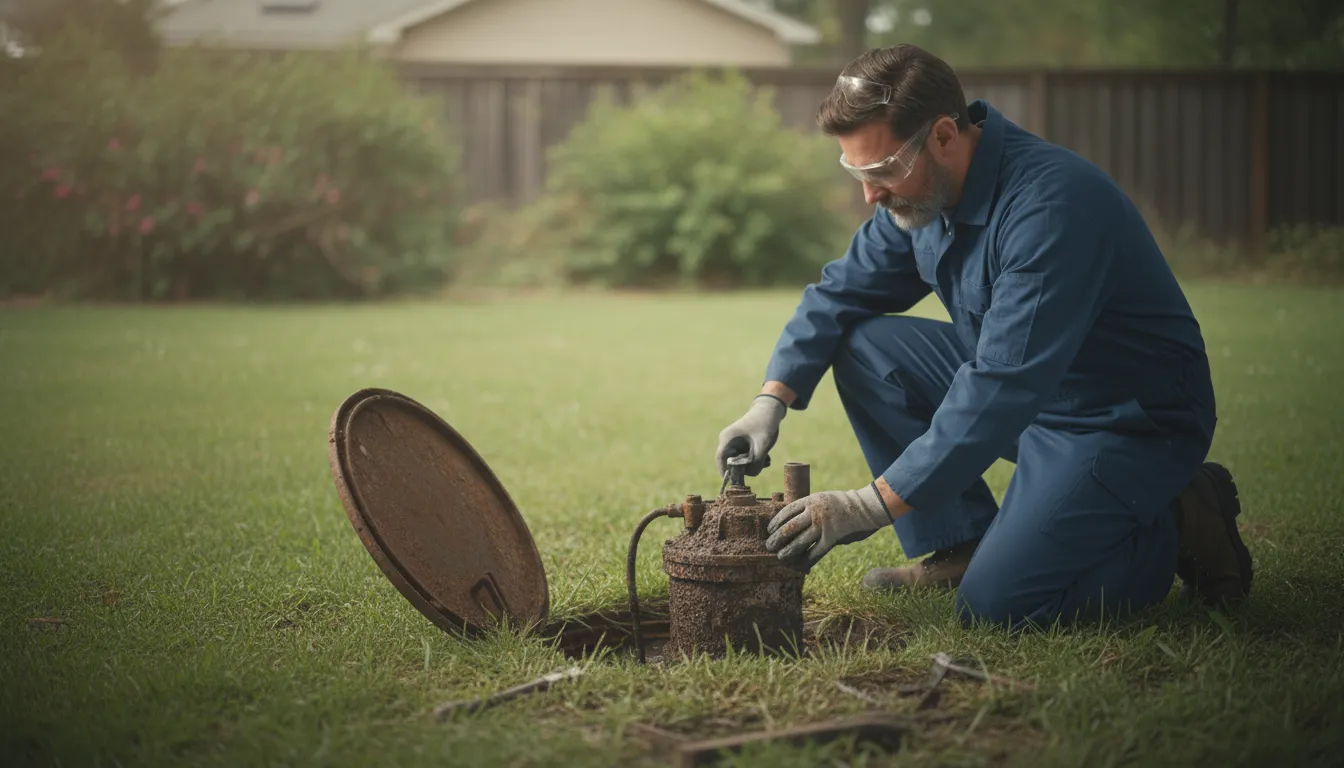
Find the Best Septic Pump Repair Companies for Your Business
No obligation • Fast responses • Nationwide coverage

Why you can trust Septic Spot
Septic Spot is a leading United States resource for understanding and comparing septic services. Our editors review providers using consistent criteria and verify key business details. Listings and scores are independent, and companies cannot pay to influence our content.
Search providers near you
Top Septic Pump Repair Companies in Hoboken, New Jersey Ranked
A failing septic pump or a compromised septic system can quickly escalate from a minor inconvenience to a major environmental and financial headache. For homeowners in and around Hoboken relying on these private wastewater treatment systems, understanding your repair and replacement options is crucial for protecting your property and complying with New Jersey's strict environmental codes. This guide provides a detailed look at the process, costs, and local considerations for septic system servicing, helping you make informed decisions when you need to find qualified local professionals.
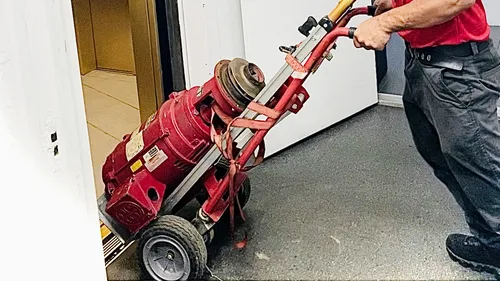
The Pump Guys Pump & Motor Specialist
1177 6th Ave 5th floor, New York, NY 10036
The Pump Guys Pump & Motor Specialist provides pump repair, rebuild, and maintenance services in New York, NY. They handle a wide range of pumps including industrial, commercial, residential, and marine types, along with alarm signals and controls. Their expertise covers troubleshooting, diagnosing, and servicing major pump brands to ensure proper operation.
Emergency Sewer & Drain Service, Inc.
75 Virginia Rd, White Plains, NY 10603
Emergency Sewer & Drain Service, Inc. provides septic pump repair and replacement services in New York, NY. Based in White Plains, they serve clients across Westchester County, NY, and Fairfield County, CT. The company offers a wide range of plumbing and drainage services, including pump repairs, main sewer line repair, and flooded basement pumping. Established in 1984, they bring over four decades of experience to both residential and commercial systems. They are available 24 hours a day, seven days a week to address urgent plumbing needs.
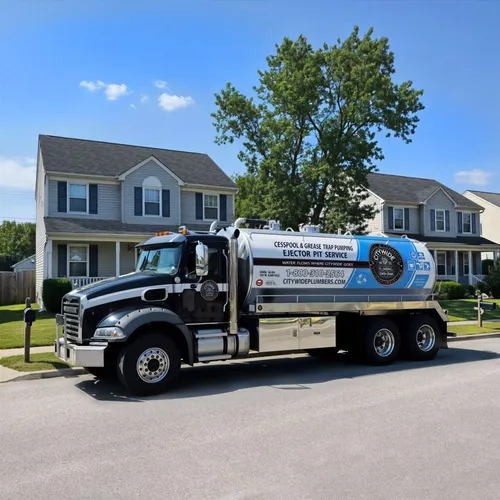
Citywide Grease Trap Maintenance | Cesspool Pumping Service Long Island
110 Voice Rd, Carle Place, NY 11514
Citywide Grease Trap Maintenance | Cesspool Pumping Service Long Island provides septic and cesspool pumping, inspection, repair, and installation services in New York, NY. Serving both residential and commercial clients, they offer comprehensive maintenance and cleaning to prevent system failures. Their skilled technicians use advanced equipment for installations and repairs, including grease trap pumping and sewage ejector pit services. With over 65 years of experience, Citywide operates 24/7 to address emergency needs promptly.
Pro Pump Corp.
707 Woodfield Rd, West Hempstead, NY 11552
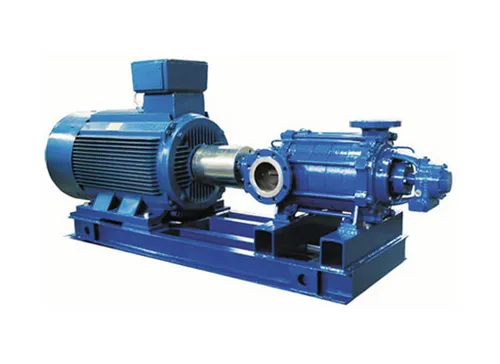
Pro Pump Corp. provides comprehensive pump and motor repair, service, replacement, installation, and sales for commercial, industrial, and multi-family residential buildings in New York, NY. They service a wide range of pumps including booster, sewage, fire, sump, and cooling tower pumps. The company offers 24/7 emergency services to the NYC Metro area, ensuring quick response and expert technician dispatch. With over 30 years of experience, Pro Pump Corp. supports various facilities such as hospitals, airports, hotels, and schools.
Apollo Sewer & Plumbing
110 W Front St, Keyport, NJ 07735
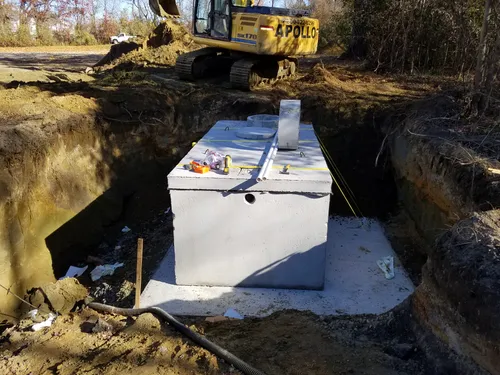
Apollo Sewer & Plumbing provides comprehensive plumbing and septic services in New York, NY. They handle everything from septic tank installation, pumping, and repair to sewer line cleaning and excavation. Their capabilities include high-pressure jetting and the use of heavy equipment like backhoes and dozers for trenching and new line installation. Apollo Sewer & Plumbing serves both residential and commercial clients and offers 24/7 emergency plumbing services to address urgent issues at any time.
Understanding Your Septic System's Components
Before diving into repairs, it's helpful to know the key parts of a typical system. The septic tank itself is a watertight container that holds wastewater, allowing solids to settle and begin decomposing. The effluent pump (or septic pump) is a critical mechanical component, especially in systems where gravity alone cannot move liquid waste to the drain field. This pump moves treated effluent from the tank to the distribution box and out into the perforated pipes in the drain field. Other vital parts include baffles and filters that prevent solids from escaping the tank, and the drain field (or leach field) where final soil-based treatment occurs.
When a pump fails or a component is damaged, the entire system's function is at risk, leading to backups, odors, or surfacing wastewater.
Common Septic System Repairs in Northern New Jersey
Local service technicians frequently address a specific set of issues influenced by New Jersey's climate and geology. Here are the most common repairs:
- Septic Pump Replacement: This is often the core of a "repair" call. Submersible pumps that move effluent can fail due to electrical issues, clogging, or normal wear. Replacing a malfunctioning pump is a standard procedure.
- Effluent Filter Cleaning/Replacement: Filters on the tank's outlet baffle catch solids; when clogged, they can cause backups. Cleaning is routine maintenance, but damaged filters need replacement.
- Baffle Repair: The inlet and outlet baffles inside the tank are crucial for controlling flow. If cracked or deteriorated, they must be repaired or replaced to prevent system failure.
- Lateral Line and Pipe Repair: Breaks or blockages in the pipes leading from the tank to the drain field require excavation and repair. This is often more extensive than a simple pump fix.
- Distribution Box Leveling: In areas with significant freeze-thaw cycles, like New Jersey, the distribution box that sends effluent to various drain field lines can settle or tilt. Resetting or replacing this "speed-leveler" ensures even wastewater distribution.
The Impact of New Jersey Soil on System Performance and Repair
One of the most significant local factors affecting your system is soil type. Much of Northern New Jersey, including areas surrounding Hoboken, has clay-heavy soil. Clay drains very slowly (has low permeability), which dramatically influences system design and repair needs.
- Drainage Challenges: In slow-draining soils, effluent cannot percolate quickly enough, leading to pooling, saturation, and eventual system failure. This often means conventional gravity-fed systems may struggle, and repairs might be more complex.
- Advanced System Requirements: To compensate for poor drainage, properties often require more sophisticated-and costly-systems like pressure-dosed systems (which use pumps to send controlled batches of effluent to the drain field) or raised mound systems (where a sand mound is constructed above ground to treat wastewater) 1 2. Repairing these systems requires technicians skilled with their mechanical and electrical components.
- Repair vs. Replacement Decisions: Chronic drain field failure in clay soils often cannot be solved with a simple repair. If the soil is permanently saturated, a full system replacement with an advanced design may be the only viable, long-term solution.
The Step-by-Step Process for Major Repairs or Replacement
When a serious issue is suspected, the process typically follows these stages:
- Professional Diagnosis: A licensed inspector or septic technician will perform a thorough evaluation. This includes inspecting the tank, checking pump function, and most critically, assessing the drain field for signs of failure. An accurate diagnosis is essential to determine if repair is sufficient or replacement is necessary 3.
- Permitting and Design: New Jersey has strict regulations administered by local health departments. Any major repair, especially involving the drain field or tank replacement, requires a permit. For a new system, a site evaluation and formal design plan by a licensed engineer are typically needed 4.
- Excavation and Implementation: This is the physical work: excavating to access the tank or field, removing the old components (pump, pipes, or entire tank), and installing the new ones. For pump replacements, this may be relatively quick; for drain field work, it is a major landscaping project 5.
- Final Inspection and Approval: Once work is complete, a final inspection by the local health authority is usually required to ensure the repair or installation meets all environmental and building codes before the site is backfilled 6.
Find the perfect septic pump repair companies for your needs
Get personalized recommendations and expert advice
Cost Breakdown for Septic Repairs and Replacement
Costs can vary widely based on the extent of the problem, soil conditions, and system type. The following ranges are typical for Northern New Jersey 7 8 9:
- Septic Pump Replacement: $800 - $2,500. The most common mechanical repair, cost depends on pump horsepower and accessibility.
- Baffle or Effluent Filter Repair: $200 - $1,200. Generally less invasive unless tank access is difficult.
- Lateral Line or Pipe Repair: $1,500 - $8,000. A major repair requiring excavation; cost scales with the length and depth of pipe needing replacement.
- Septic Tank Replacement (Only): $10,000 - $15,000. Involves excavating and removing the old tank and installing a new one, but reusing the existing drain field if it's sound.
- Complete Septic System Replacement: $15,000 - $35,000+. This is the cost for a full new system, including tank and drain field. The high end reflects complex systems like mounds or advanced treatment units (ATUs) required for difficult sites with poor soil 10 11 12.
Important Local Note: It is worth mentioning that the city of Hoboken itself is predominantly serviced by municipal sewer lines. Homes with private septic systems are more commonly found in the surrounding Northern New Jersey suburbs and less densely populated areas. If you are in Hoboken proper, you likely are connected to city sewer, but if you are in a nearby community, this information is highly relevant.
Repair vs. Replacement: Knowing the Red Flags
How do you know if a simple fix will suffice or if a full system overhaul is inevitable? Consider these signs that often point toward replacement:
- Chronic Drain Field Failure: If the soil in your leach field is permanently saturated (a condition called "biomat" overgrowth) or your system has a history of backing up even after pumping, repair may be temporary.
- Major Structural Damage: A collapsed tank, severely crushed distribution box, or root-infested and crushed drain lines are often beyond repair.
- Changes in Property Use: Adding bedrooms or significantly increasing water usage can overload an older, properly sized system, necessitating an upgrade.
- System Age and Type: Very old systems (30+ years) made of outdated materials like steel tanks or cesspools are candidates for replacement with modern, code-compliant systems.
Regular pumping every 3-5 years and avoiding flushing harmful chemicals or non-biodegradables are the best ways to extend your system's life and avoid premature, costly replacements.
Frequently asked questions
Sources
Footnotes
-
How Soil Type Affects Septic System Performance - https://www.septicblueraleigh.com/how-your-soil-determines-your-septic-systems-success.html ↩
-
Mound Septic Systems - https://smartsepticpros.com/blog/mound-septic-system-vs-conventional/ ↩
-
Troubleshooting & Repairs - New Jersey Septic Management Group - https://nj-septic.com/repairs/ ↩
-
How Soil Type Affects Septic Installation - Earthmovers NJ - https://earthmoversnj.com/how-soil-type-affects-septic-installation/ ↩
-
Septic System Repairs | Septic Parts Replacement | NJ - https://septicandoiltanks.com/septic-system-repairs-component-replacement/ ↩
-
FAQs - SOUTH JERSEY ENGINEERS LLC - https://www.septics.com/septic-faqs.html ↩
-
Septic Repair vs. Replacement: A Guide to Costs & Red Flags - https://prosepticri.com/septic-repair-vs-replacement-guide/ ↩
-
Septic Repair vs Replacement in NJ: Costs & Signs - https://www.atsenvironmental.com/blog/septic-repair-vs-replacement/ ↩
-
How Much Does Septic Tank Repair Cost? [2026 Data] | Angi - https://www.angi.com/articles/how-much-does-repairing-septic-tank-cost.htm ↩
-
The Real Cost of Septic Installation in New Jersey (2025) - https://www.atsenvironmental.com/blog/the-real-cost-of-septic-installation-in-new-jersey-2025/ ↩
-
New Jersey Septic System Replacement & Installation | ATS - https://www.atsenvironmental.com/residential/septic-system-installation-replacement/ ↩
-
How Much Does It Cost To Replace A Septic System In Northern NJ? - https://dsepticservice.com/b/septic-system-replacement-cost-new-jersey/ ↩