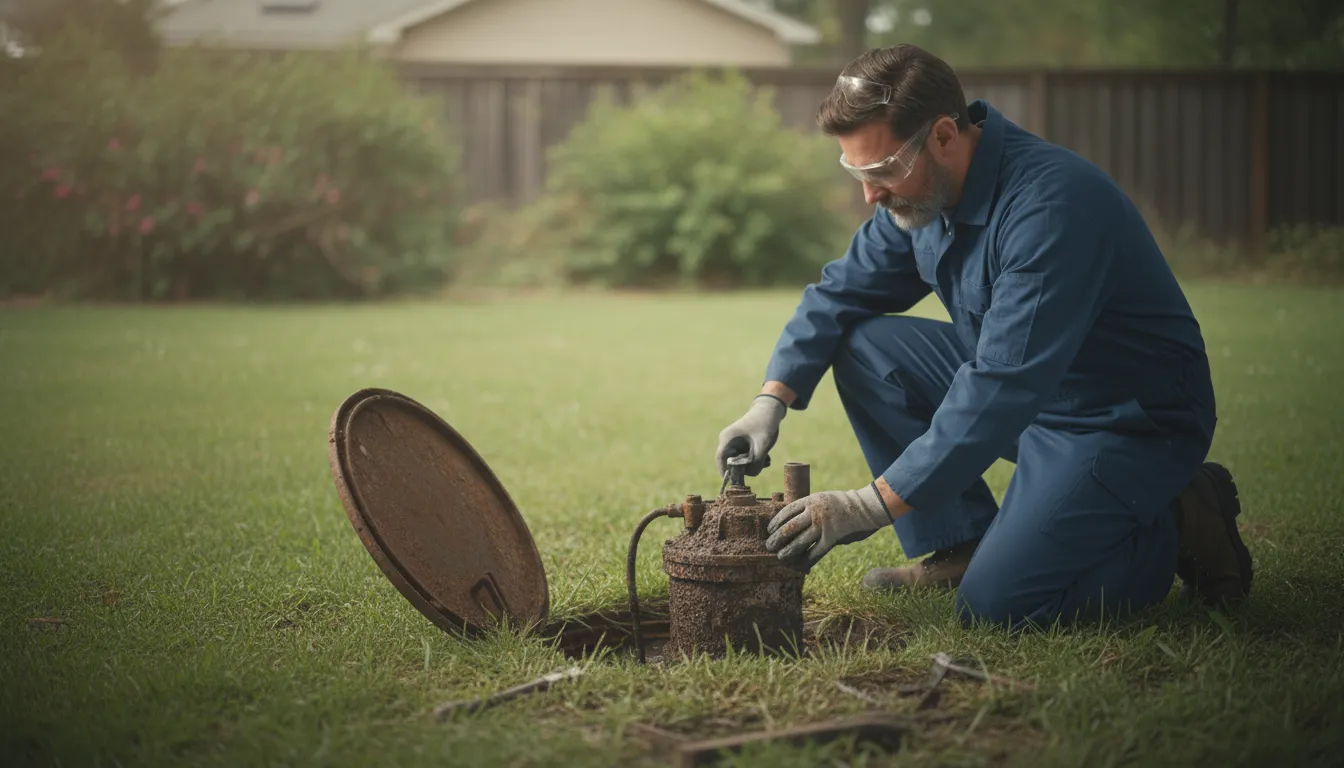
Find the Best Septic Pump Repair Companies for Your Business
No obligation • Fast responses • Nationwide coverage

Why you can trust Septic Spot
Septic Spot is a leading United States resource for understanding and comparing septic services. Our editors review providers using consistent criteria and verify key business details. Listings and scores are independent, and companies cannot pay to influence our content.
Search providers near you
Top Septic Pump Repair Companies in Jersey City, New Jersey Ranked
A failing septic pump or a malfunctioning septic system can quickly become a homeowner's worst nightmare, leading to unpleasant odors, soggy yards, and potential health hazards. Septic pump repair and replacement is a critical service for maintaining a functional, safe, and environmentally sound wastewater treatment system on your property. This guide is designed to help you understand the common issues, processes, and costs associated with septic system repairs in the Jersey City area, empowering you to make informed decisions when you need to find a qualified local professional.
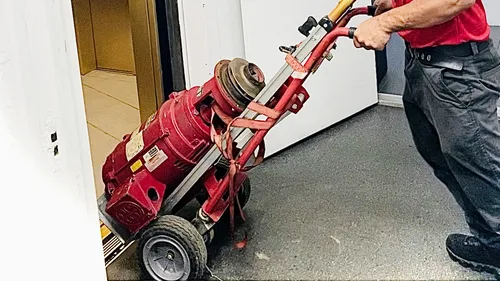
The Pump Guys Pump & Motor Specialist
1177 6th Ave 5th floor, New York, NY 10036
The Pump Guys Pump & Motor Specialist provides pump repair, rebuild, and maintenance services in New York, NY. They handle a wide range of pumps including industrial, commercial, residential, and marine types, along with alarm signals and controls. Their expertise covers troubleshooting, diagnosing, and servicing major pump brands to ensure proper operation.
Emergency Sewer & Drain Service, Inc.
75 Virginia Rd, White Plains, NY 10603
Emergency Sewer & Drain Service, Inc. provides septic pump repair and replacement services in New York, NY. Based in White Plains, they serve clients across Westchester County, NY, and Fairfield County, CT. The company offers a wide range of plumbing and drainage services, including pump repairs, main sewer line repair, and flooded basement pumping. Established in 1984, they bring over four decades of experience to both residential and commercial systems. They are available 24 hours a day, seven days a week to address urgent plumbing needs.
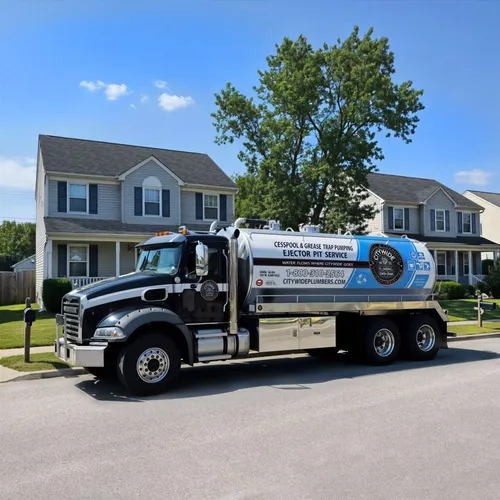
Citywide Grease Trap Maintenance | Cesspool Pumping Service Long Island
110 Voice Rd, Carle Place, NY 11514
Citywide Grease Trap Maintenance | Cesspool Pumping Service Long Island provides septic and cesspool pumping, inspection, repair, and installation services in New York, NY. Serving both residential and commercial clients, they offer comprehensive maintenance and cleaning to prevent system failures. Their skilled technicians use advanced equipment for installations and repairs, including grease trap pumping and sewage ejector pit services. With over 65 years of experience, Citywide operates 24/7 to address emergency needs promptly.
Pro Pump Corp.
707 Woodfield Rd, West Hempstead, NY 11552
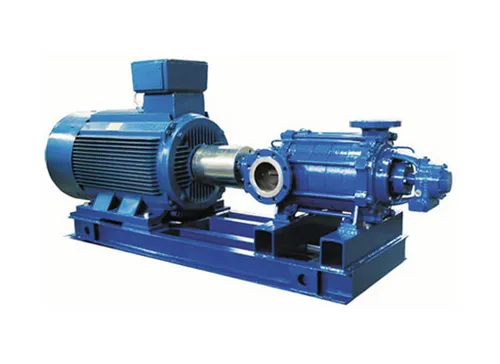
Pro Pump Corp. provides comprehensive pump and motor repair, service, replacement, installation, and sales for commercial, industrial, and multi-family residential buildings in New York, NY. They service a wide range of pumps including booster, sewage, fire, sump, and cooling tower pumps. The company offers 24/7 emergency services to the NYC Metro area, ensuring quick response and expert technician dispatch. With over 30 years of experience, Pro Pump Corp. supports various facilities such as hospitals, airports, hotels, and schools.
Apollo Sewer & Plumbing
110 W Front St, Keyport, NJ 07735
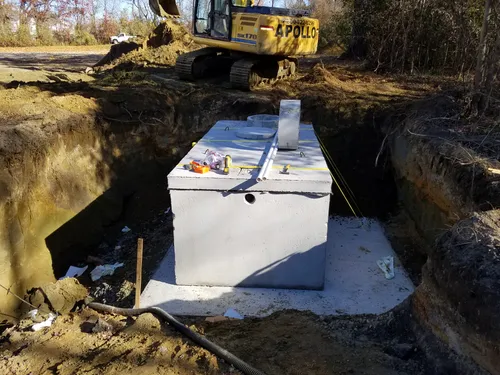
Apollo Sewer & Plumbing provides comprehensive plumbing and septic services in New York, NY. They handle everything from septic tank installation, pumping, and repair to sewer line cleaning and excavation. Their capabilities include high-pressure jetting and the use of heavy equipment like backhoes and dozers for trenching and new line installation. Apollo Sewer & Plumbing serves both residential and commercial clients and offers 24/7 emergency plumbing services to address urgent issues at any time.
Understanding Your Septic System's Components
Before diving into repairs, it's helpful to know the key parts of a typical system. The septic tank is a buried, watertight container that holds wastewater from your home, allowing solids to settle and begin decomposing. The liquid effluent then flows out to a drain field (or leach field), where it is filtered through soil for final treatment. In many Northern New Jersey homes, especially those with challenging soil or elevation changes, a septic pump (or effluent pump) is a crucial component. This pump moves effluent from the tank to the drain field. When this pump or its associated controls fail, the entire system can back up.
Common Reasons for Septic System Failure in Jersey City
The local environment in Hudson County and surrounding Northern New Jersey presents specific challenges that can accelerate system wear or lead to premature failure.
- Clay-Rich Soils: Northern NJ, including areas near Jersey City, is known for dense clay soils. Clay has very slow permeability, meaning it doesn't absorb water well. This leads to poor drainage in the drain field, causing effluent to pool on the surface or back up into the home. These conditions can rapidly cause an absorption field to fail, often necessitating specialized system designs like mounds or aerobic treatment units (ATUs).
- High Water Table: New Jersey often has a high groundwater table, particularly in low-lying areas. If the water table rises into the drain field, it prevents proper wastewater treatment and can cause system failure. Systems in these areas require careful engineering and may need pumps or other technologies to function correctly.
- Age and Lack of Maintenance: All septic systems have a finite lifespan. Without regular pumping (typically recommended every 3 years in NJ ), solids can overflow from the tank into the drain field, clogging it irreparably.
- Component Wear and Tear: Mechanical parts like pumps, float switches, and alarm systems will eventually fail due to normal use. Electrical controls can also malfunction, leaving a pump inoperable.
Signs You Need Septic Pump Repair or System Service
Don't ignore these warning signs. Early intervention can prevent a minor repair from becoming a full system replacement.
- Sewage backups in household drains or toilets.
- Slow draining sinks, tubs, and showers.
- Gurgling sounds coming from your plumbing.
- Unpleasant odors around the septic tank or drain field area.
- Unusually lush, green grass or soggy, spongy ground over the drain field.
- Standing water or surfacing sewage in your yard.
- A continuously sounding or flashing septic alarm, which indicates a pump failure or high water level in the tank.
The Repair vs. Replacement Decision
A professional inspection is essential to diagnose the problem accurately. The choice between repairing a component and replacing the entire system depends on the failure's scope, the system's age, and local regulations (N.J.A.C. 7:9A).
Common Repairs ($500 - $5,000)
Many issues can be resolved without a full system overhaul. Common fixes include:
- Replacing a failed effluent or sump pump.
- Repairing or replacing faulty control panels, float switches, or alarm systems.
- Fixing broken inlet/outlet baffles in the septic tank.
- Re-leveling a tilted distribution box that causes uneven flow to the drain field.
Drain Field Rehabilitation ($3,000 - $15,000+)
If the drain field is failing but the tank is sound, a partial solution may be possible. This can involve replacing a section of the field or using technologies like terralift systems to break up compacted soil. However, if the entire field is clogged with solids (due to lack of pumping), a full replacement is often the only permanent solution 1.
Full System Replacement ($18,000 - $40,000+)
Complete septic system installation becomes necessary in cases of catastrophic failure, such as a collapsed tank, or when an old system cannot be upgraded to meet current health and environmental codes. This is also required for properties where the existing system is in a failing state due to high groundwater or poor soil conditions that an older design couldn't handle.
Find the perfect septic pump repair companies for your needs
Get personalized recommendations and expert advice
The Septic Repair and Replacement Process in New Jersey
Undertaking major septic work is a regulated process. Here's what you can generally expect when working with a licensed contractor:
- Inspection and Diagnosis: A certified technician will perform a thorough evaluation, often using camera scans and soil tests, to pinpoint the exact cause of failure 2.
- Engineering and Permitting: For any new installation or major repair, New Jersey law requires a permit from the local health department. An engineer or licensed site evaluator may need to design a system suitable for your property's soil and water table conditions, especially given the prevalent clay soils in the region 3. This step is crucial for compliance.
- Excavation and Installation: The old, failed components are safely removed. For a new system, this involves excavating for the new tank and drain field according to the approved design.
- System Integration and Testing: New pumps, pipes, and controls are installed and tested to ensure everything operates correctly.
- Backfilling and Restoration: The site is carefully backfilled, and the contractor should restore your landscaping as much as possible to its original condition 4.
Cost Factors for Septic Work in Northern NJ
The price for septic pump repair or system replacement in Jersey City can vary widely based on several key factors 5 6 7:
- Type of Repair: Simple pump or alarm replacement is on the lower end ($800-$5,000), while drain field work or full system replacement constitutes a major investment.
- System Type and Size: The cost increases with the home's size (required tank and field size). Replacing a traditional gravity system is different from installing an engineered system like a mound or aerobic treatment unit (ATU), which are often needed for difficult soils 8 9.
- Soil and Site Conditions: Challenging clay soils or a high water table can significantly increase costs due to the need for more complex engineering, additional materials, and specialized equipment 10 11.
- Permitting and Design: Engineering fees and permit costs are a necessary part of the budget for replacement projects.
- Access and Landscaping: Difficult site access or extensive landscaping (decks, patios, pools) over the system can add to excavation and restoration costs.
Maintaining Your System to Avoid Costly Repairs
The best defense against a sudden, expensive failure is consistent, proactive maintenance.
- Pump Regularly: Have your septic tank pumped by a professional every 3-5 years, or as often as recommended based on your household size and usage.
- Conserve Water: Spread out laundry loads and fix leaky faucets to avoid overwhelming the system.
- Mind What You Flush: Only human waste and toilet paper should go down the drain. Avoid chemicals, grease, wipes (even "flushable" ones), and feminine hygiene products.
- Protect the Drain Field: Never park vehicles or build structures over it. Direct rainwater runoff away from the area.
Frequently asked questions
Sources
Footnotes
-
Septic Repair vs Replacement in NJ: Costs & Signs - https://www.atsenvironmental.com/blog/septic-repair-vs-replacement/ ↩
-
Septic Tank Repair & Evaluation Services in New Jersey - https://alseptic.com/septic-tank-repair-nj/ ↩
-
Watershed & Land Management | Septic System - NJDEP - https://dep.nj.gov/wlm/lrp/common-projects/septic-system/ ↩
-
Failed Septic Systems | Sprinkler School - https://school.sprinklerwarehouse.com/sw_troubleshooting/broken-septic-system/ ↩
-
The Real Cost of Septic Installation in New Jersey (2025) - https://www.atsenvironmental.com/blog/the-real-cost-of-septic-installation-in-new-jersey-2025/ ↩
-
Septic Repair vs. Replacement: A Guide to Costs & Red Flags - https://prosepticri.com/septic-repair-vs-replacement-guide/ ↩
-
How Much Does It Cost To Replace A Septic System In Northern NJ? - https://dsepticservice.com/b/septic-system-replacement-cost-new-jersey/ ↩
-
Septic System Repair in New Jersey - ATS Environmental - https://www.atsenvironmental.com/residential/septic-system-repair/ ↩
-
How Soil Type Affects Septic System Performance - https://www.septicblueraleigh.com/how-your-soil-determines-your-septic-systems-success.html ↩
-
The Complete Guide to Septic System Installation and ... - https://excavatingnj.com/blog/the-complete-guide-to-septic-system-installation-and-permitting-in-new-jersey/ ↩
-
How Soil Type Affects Septic Installation - Earthmovers NJ - https://earthmoversnj.com/how-soil-type-affects-septic-installation/ ↩