Find the Best Septic Pump Repair Companies for Your Business
No obligation • Fast responses • Nationwide coverage

Why you can trust Septic Spot
Septic Spot is a leading United States resource for understanding and comparing septic services. Our editors review providers using consistent criteria and verify key business details. Listings and scores are independent, and companies cannot pay to influence our content.
Search providers near you
Top Septic Pump Repair Companies in Piscataway, New Jersey Ranked
Maintaining a functional septic system is critical for any Piscataway home not connected to municipal sewer lines. Septic pump repair and replacement services address the mechanical heart of many modern systems, ensuring wastewater is properly moved from the tank to the drain field. When these components fail, it can lead to backups, odors, and environmental hazards. This guide provides essential information on local repair processes, costs, and the unique soil challenges in our area, helping you identify qualified professionals for your project.
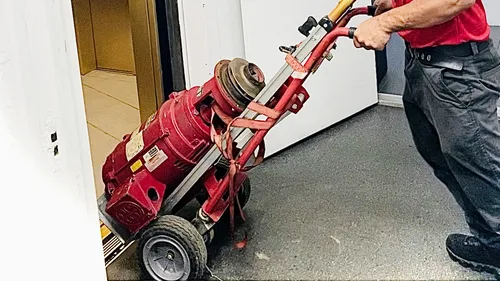
The Pump Guys Pump & Motor Specialist
1177 6th Ave 5th floor, New York, NY 10036
The Pump Guys Pump & Motor Specialist provides pump repair, rebuild, and maintenance services in New York, NY. They handle a wide range of pumps including industrial, commercial, residential, and marine types, along with alarm signals and controls. Their expertise covers troubleshooting, diagnosing, and servicing major pump brands to ensure proper operation.
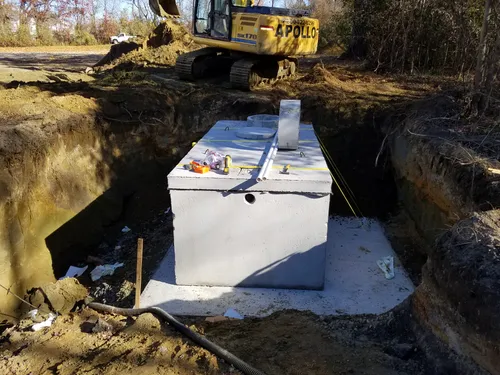
Apollo Sewer & Plumbing
110 W Front St, Keyport, NJ 07735
Apollo Sewer & Plumbing provides comprehensive plumbing and septic services in New York, NY. They handle everything from septic tank installation, pumping, and repair to sewer line cleaning and excavation. Their capabilities include high-pressure jetting and the use of heavy equipment like backhoes and dozers for trenching and new line installation. Apollo Sewer & Plumbing serves both residential and commercial clients and offers 24/7 emergency plumbing services to address urgent issues at any time.
Understanding Your Septic System's Pump
Not all septic systems have pumps. A conventional gravity-fed system relies on slope to move effluent. However, many homes in Piscataway require a pump system or effluent pump due to site conditions. This component, often housed in a separate pump chamber or directly in the tank, lifts treated wastewater up to a drain field located at a higher elevation. When this pump or its associated float switches and alarm system fails, the entire wastewater disposal process halts. Recognizing the signs of pump trouble early can prevent a full system failure.
Common Signs You Need Pump Repair or Replacement
How do you know if your septic pump is the problem? Look for these key indicators:
- Alarm Sounds: Most pumped systems have a high-water alarm (a buzzer and/or light). If this activates, it signals that the pump is not turning on or cannot keep up with the inflow.
- Drains Back Up: Slow-draining sinks, toilets, or showers, especially in lower levels of the home, can point to a pump not evacuating the tank.
- Soggy Yard: Unusually wet, soggy, or foul-smelling areas near the pump chamber or drain field, even during dry weather, suggest effluent is not being pumped out and is surfacing.
- Pump Runs Constantly or Not at All: If you hear the pump running non-stop or you never hear it cycle on, it likely needs service.
If you notice any of these issues, it's time to call a licensed specialist for an inspection.
The Piscataway Challenge: Soil and Water Conditions
Septic system performance is deeply tied to local geology. In Piscataway and much of Northern and Central New Jersey, the soil presents significant challenges 1.
- Clay-Heavy Soil: The prevalent clay soils have very slow percolation rates, meaning they do not absorb liquid efficiently. This can cause drain fields to fail prematurely, as effluent simply sits and saturates the ground.
- High Water Tables: Areas with a high water table further complicate drainage. If the groundwater level is too close to the surface, there's no room for a traditional subsurface drain field to function.
- Engineered Solutions: Due to these conditions, conventional gravity systems often aren't viable. Many properties require engineered alternative systems, such as mound systems (which use a pump to lift effluent into a raised sand bed) or aerobic treatment units (ATUs) that treat effluent more thoroughly before dispersal 2. Repairing or replacing a pump in these sophisticated systems requires specific expertise.
The Repair and Replacement Process: A Step-by-Step Guide
Whether fixing a faulty pump or installing a completely new septic system, the process in Piscataway is regulated and multi-step.
- Inspection & Diagnosis: A licensed professional will inspect the tank, pump chamber, electrical components (pump, floats, alarm), and drain field to diagnose the issue 3.
- Soil Testing & Evaluation: For any major repair affecting the drain field or a full replacement, soil testing is mandatory. A "perc test" (percolation test) and deep hole tests determine the soil's absorption rate and the depth to seasonal water tables 4. This data is crucial for design.
- Engineering Design: In New Jersey, most system installations and significant alterations require a design prepared by a licensed professional engineer. This is especially true for the alternative systems needed in poor soil 5. The design will specify the exact type of system, pump specifications, and layout.
- Permitting: The engineered design must be submitted to the Piscataway Township Health Department or the relevant local authority for review and approval before any work begins 6. This ensures the plan meets all state and local health codes.
- Installation/Repair: Once permitted, a licensed contractor will perform the excavation, component installation, electrical connections, and final grading. For a pump repair, this may involve pulling the existing pump, replacing it or its parts, and testing the system 7.
Find the perfect septic pump repair companies for your needs
Get personalized recommendations and expert advice
Cost Breakdown for Septic Pump and System Work
Costs in Piscataway vary widely based on the scope of work and system complexity. The figures below are estimates based on regional data 8.
- Septic Pump or Alarm Replacement: Repairing or replacing a failed effluent pump, along with associated float switches and alarm components, typically ranges from $800 to $2,500.
- Minor Tank Repairs: Fixing issues like damaged baffles, cracked risers, or inlet/outlet pipes can cost between $300 and $1,200.
- Drain Field Repair/Replacement: Addressing a failed leaching field is a major project. Partial repairs can start around $3,000, while a completely new drain field can cost $5,000 to $15,000 or more, depending on size and design.
- Full Septic System Replacement: When the tank and drain field must be entirely replaced-often with an engineered alternative system-homeowners should budget between $15,000 and $35,000+ 9 10 11. The high end reflects complex systems like sand mounds or ATUs required for difficult sites.
Why Professional Licensing and Permits Are Non-Negotiable
New Jersey has strict regulations governing septic system work to protect public health and groundwater 12 13 14. Attempting a DIY repair on a septic pump, especially one that involves electrical components and wastewater, is dangerous and illegal if it bypasses permit requirements. More importantly, an improperly repaired or installed system can contaminate local waterways, create a health hazard on your property, and significantly reduce your home's value. Always verify that any contractor you hire is licensed by the state of New Jersey for septic system installation and repair.
Maintaining Your System After a Repair
After investing in a repair or new pump, proper maintenance is key to longevity. Have the entire system inspected every 1-3 years and the tank pumped every 2-5 years, depending on usage. Conserve water to avoid hydraulically overloading the system, and never flush chemicals, grease, or non-biodegradable items. For systems with pumps, listen for the alarm and address it immediately. A well-maintained system can last for decades, even in challenging New Jersey soils.
Frequently asked questions
Sources
Footnotes
-
Septic System Repair in New Jersey - ATS Environmental - https://www.atsenvironmental.com/residential/septic-system-repair/ ↩
-
Choosing Your Septic System - New Jersey Septic Management Group - https://nj-septic.com/2020/07/01/choosing-your-septic-system/ ↩
-
Repairing Septic Systems: A Detailed Manual - https://ky-pd.com/blog/fixing-septic-system/ ↩
-
Why test soil before installing a septic system? 🟢 Perc & Deep Hole Test - https://www.expresswastewater.com.au/septic-systems/information/why-test-soil-before-installing-a-septic-system ↩
-
Septic System Engineer Northern and Central NJ - https://careagaengineering.com/septic-system-design.php ↩
-
The Complete Guide to Septic System Installation and ... - https://excavatingnj.com/blog/the-complete-guide-to-septic-system-installation-and-permitting-in-new-jersey/ ↩
-
Septic System Repairs | Septic Parts Replacement | NJ - https://septicandoiltanks.com/septic-system-repairs-component-replacement/ ↩
-
Septic Repair vs. Replacement: A Guide to Costs & Red Flags - https://prosepticri.com/septic-repair-vs-replacement-guide/ ↩
-
Septic Repair vs Replacement in NJ: Costs & Signs - https://www.atsenvironmental.com/blog/septic-repair-vs-replacement/ ↩
-
The Real Cost of Septic Installation in New Jersey (2025) - https://www.atsenvironmental.com/blog/the-real-cost-of-septic-installation-in-new-jersey-2025/ ↩
-
How Much Does It Cost To Replace A Septic System In ... - https://dsepticservice.com/b/septic-system-replacement-cost-new-jersey/ ↩
-
Septic System Repair in New Jersey Provided by Septic ... - https://thesepticdesignnetwork.com/septic-system-repair/ ↩
-
NJ Septic Regulations for 2026: Inspections, Permits & Rules - https://www.atsenvironmental.com/blog/nj-septic-regulations-for-2026/ ↩
-
New Jersey Septic System Rules - 2026 Guide - https://thesewerkings.com/blog/new-jersey-septic-system-rules/ ↩