Find the Best Septic Pump Repair Companies for Your Business
No obligation • Fast responses • Nationwide coverage

Why you can trust Septic Spot
Septic Spot is a leading United States resource for understanding and comparing septic services. Our editors review providers using consistent criteria and verify key business details. Listings and scores are independent, and companies cannot pay to influence our content.
Search providers near you
Top Septic Pump Repair Companies in South Brunswick, New Jersey Ranked
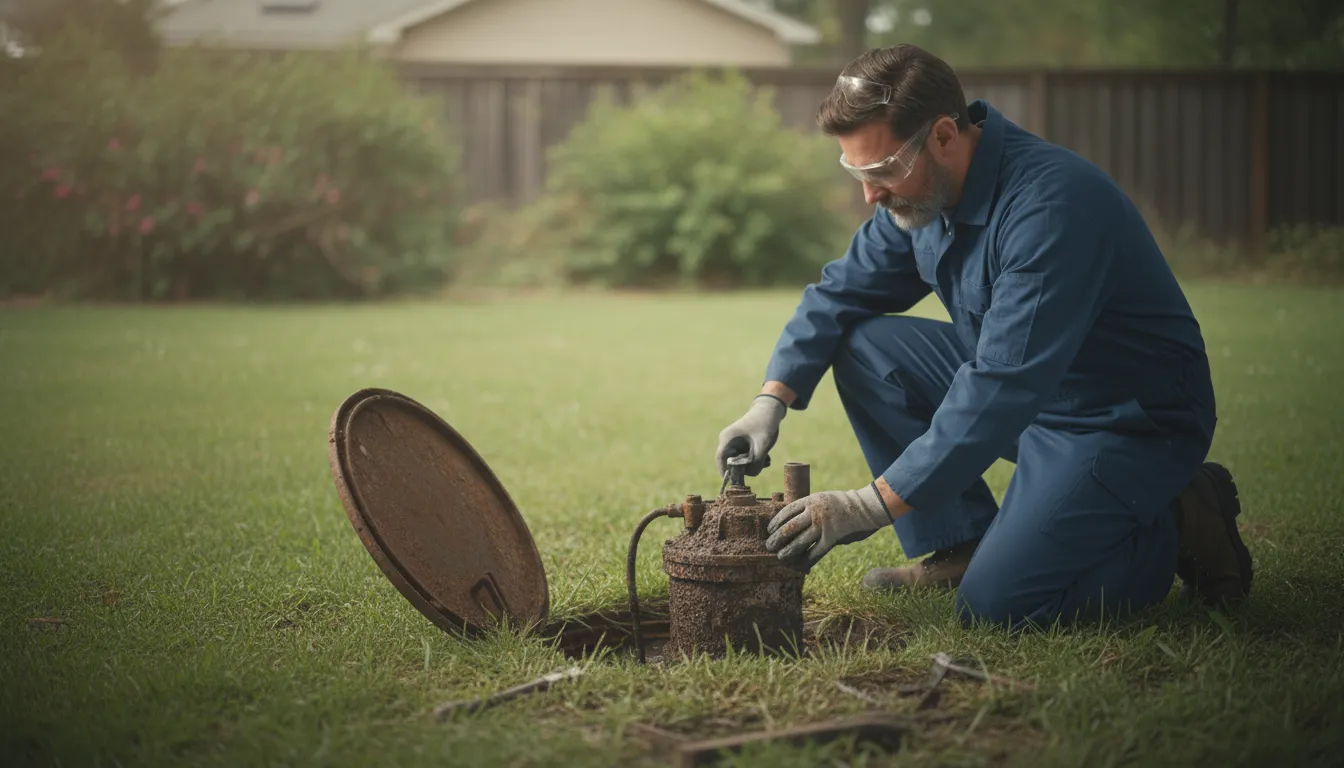
Maintaining a functional septic pump is critical for any home with a pressure-dosed or engineered septic system. In South Brunswick, where high water tables and heavy clay soils are common, a failing pump can lead to immediate sewage backups and environmental issues. This guide explains the local specifics of septic pump repair and replacement, helping you understand the process, costs, and how to find qualified local professionals for your system's needs.
Jersey Shore Septic And Sewer LLC
Lakewood, NJ
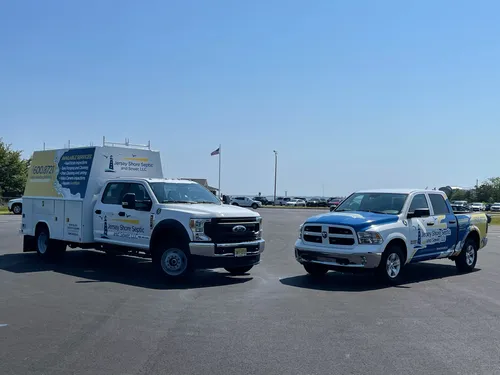
Jersey Shore Septic And Sewer LLC is a family-owned and operated business serving Lakewood, NJ, and surrounding counties including Atlantic, Middlesex, Monmouth, and Ocean. With over a decade of experience, they provide residential and commercial septic services such as septic tank pumping, inspections, repairs, replacements, and new installations. Their team holds CDL-A licenses and is trained to perform specialized services like video camera inspections and high-pressure water jetting. The company also offers excavation and commercial snow removal services.
Don E Miller Septic Service Inc & Donny's Potty's
362 Meany Rd, North Hanover, NJ 08562
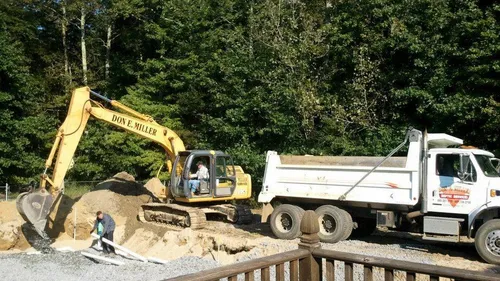
Don E Miller Septic Service Inc & Donny's Potty's is a family-owned septic service provider based near Philadelphia, PA. They offer a wide range of septic system services including pumping, inspections, repairs, and installations, as well as portable toilet rentals for residential, commercial, and municipal customers. The company has been serving the North Hanover Township area and surroundings since 1963, providing expertise in maintaining and installing various septic system components such as dosing pumps, grease traps, and effluent filters.
A-1 Septic Service,LLC
New York, NY
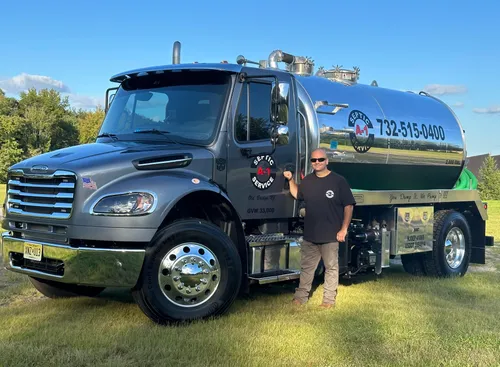
A-1 Septic Service, LLC is a family-owned septic service provider based in New York, NY, with a history dating back to 1956. They offer a range of services including septic pumping, inspection, cleaning, repair, and installation for residential and commercial systems. The company uses advanced tools and technology to maintain and service all types of septic tank systems. A-1 Septic Service is licensed, insured, and provides emergency services with 24/7 availability.
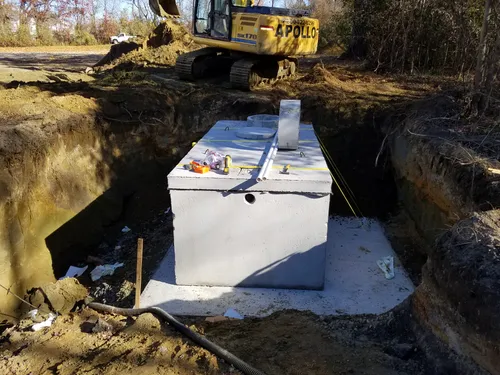
Apollo Sewer & Plumbing
110 W Front St, Keyport, NJ 07735
Apollo Sewer & Plumbing provides comprehensive plumbing and septic services in New York, NY. They handle everything from septic tank installation, pumping, and repair to sewer line cleaning and excavation. Their capabilities include high-pressure jetting and the use of heavy equipment like backhoes and dozers for trenching and new line installation. Apollo Sewer & Plumbing serves both residential and commercial clients and offers 24/7 emergency plumbing services to address urgent issues at any time.
Understanding Your Septic Pump System
Not all septic systems use a pump. Traditional gravity-fed systems rely on slope to move effluent to the drain field. However, in areas like South Brunswick with challenging soil conditions, pressure-dosed systems are frequently required. These systems use an electric pump, often housed in a separate tank or chamber, to actively lift and distribute wastewater to the drain field. This is essential when the drain field is higher than the septic tank or when soil percolation is slow. Recognizing that you have a pump system-often indicated by a control panel and alarm in your basement or garage-is the first step in addressing pump-related issues.
Common Signs of Pump Failure
Ignoring early warning signs can lead to a complete system failure. Be alert for these indicators:
- Audible Alarm: The most direct sign. Most systems have a high-water alarm that sounds when the pump isn't evacuating the pump tank.
- Slow Drains or Backups: Toilets, showers, and sinks draining slowly or backing up, especially in lower-level bathrooms, can signal a pump isn't moving effluent.
- Soggy Yard or Odors: Puddles, overly lush grass, or sewage smells near the pump tank or drain field area may mean effluent is surfacing because it's not being pumped.
- Constant Pump Running (or Not Running at All): Hearing the pump run continuously or not hearing it cycle on at all are both clear signs of a malfunction.
The Repair vs. Replacement Decision in South Brunswick
When trouble arises, a licensed technician must diagnose whether a repair or a full pump replacement is necessary. The unique local factors in Middlesex County heavily influence this decision.
- Common Repairs: Many issues are electrical or mechanical and can be fixed. These include replacing a blown circuit breaker, fixing faulty wiring to the pump, repairing a stuck float switch that controls the pump's cycle, or clearing a blockage in the pump's impeller. Repair costs in South Brunswick typically range from $250 to $400 1.
- When Replacement is Needed: If the pump motor has burned out, the seals have failed, or the unit is simply old and inefficient, replacement is the reliable option. The demanding conditions here, like high groundwater, can shorten a pump's lifespan, making replacement more common. A standard effluent pump replacement generally costs between $800 and $3,000 2. For systems with a grinder pump (which macerates solids), replacement starts over $1,000.
Find the perfect septic pump repair companies for your needs
Get personalized recommendations and expert advice
The Local Process: From Diagnosis to Completion
Repairing or replacing a septic pump in New Jersey involves regulated steps, especially for replacements.
- Inspection and Diagnosis: A technician will inspect the tank levels, listen for the pump, and test the electrical components. They may use a camera to check the pump's condition in its wet well 3.
- Permitting: For a pump replacement, New Jersey regulations often require a permit. In South Brunswick, this typically involves submitting the pump specifications and possibly a site plan to the local health department. Permit fees can add $500 to $1,500+ to the project cost 4 5.
- Excavation: The pump tank access lid or the entire tank must be excavated. This can be more labor-intensive in compacted clay soils.
- Pump Swap: The old pump is disconnected and removed. The new pump, along with any new floats, piping, or seals, is installed and wired to the control panel.
- Testing and Backfill: The system is powered and tested through several cycles to ensure proper operation. After a final inspection (sometimes required by the permitting authority), the site is backfilled 6.
Why South Brunswick Presents Unique Challenges
Two key local factors make septic pump service here distinct:
- Soil and High Water Tables: The prevalent heavy, wet clay soils have poor drainage (slow percolation). This often mandates the use of engineered, pressure-dosed systems in the first place 7. High groundwater can also flood pump basins, causing float switches to fail and putting extra strain on pumps, necessitating more robust, often submersible, pump models.
- System Design Prevalence: Because of the soil, many homes operate with mound systems or other advanced designs that absolutely depend on a functioning pump. A pump failure in these systems is an urgent emergency, as there is no gravity backup.
Understanding Associated Repair Costs
While the pump itself is a focal point, related components can also fail. Be aware of these potential costs for a complete system fix:
- Distribution Box Repair: If the D-box, which splits flow to the drain field, is damaged, repairs can range from $1,200 to $3,000.
- Partial Drain Field Repair: Replacing a section of a failed leach field can cost between $3,000 and $15,0008 9.
- Full System Replacement: In a worst-case scenario where the tank and entire drain field fail, homeowners in Northern New Jersey can face costs from $18,000 to over $40,00010 11.
All costs can vary significantly based on site accessibility, the exact equipment needed, and contractor rates 12.
Maintaining Your Septic Pump
Preventive maintenance is the best way to avoid costly emergencies. Have your entire septic system, including the pump and alarm, inspected annually by a professional. Avoid flushing non-biodegradables (wipes, feminine products) and pouring grease down drains, as these can clog the pump. Know where your system's components and alarm are located, and respond immediately if the alarm sounds.
Frequently asked questions
Sources
Footnotes
-
How Much Does Septic Tank Repair Cost? [2026 Data] | Angi - https://www.angi.com/articles/how-much-does-repairing-septic-tank-cost.htm ↩
-
Septic Repair vs Replacement in NJ: Costs & Signs - https://www.atsenvironmental.com/blog/septic-repair-vs-replacement/ ↩
-
Septic Tank Replacement Explained: Costs, Lifespan, And What To ... - https://www.theseptictankman.com/blog/septic-tank-replacement-explained-costs-lifespan-and-what-to-expect ↩
-
How Much Does a Septic Tank Cost? - https://www.blackdiamondsepticpumping.com/blog/how-much-does-a-septic-tank-cost ↩
-
New Jersey Septic System Rules - 2026 Guide - The Sewer Kings - https://thesewerkings.com/blog/new-jersey-septic-system-rules/ ↩
-
Troubleshooting & Repairs - NJ Septic Management Group - https://nj-septic.com/repairs/ ↩
-
How Much Does Septic Tank System Repair Cost? (2026) - https://homeguide.com/costs/septic-tank-repair-cost ↩
-
Costs of Replacing a Septic Tank - https://www.scorpionsepticservices.com/blog/understanding-the-costs-of-replacing-a-septic-tank ↩
-
How Much Do Septic Tank Repairs Cost? [2025 Data] - HomeAdvisor - https://www.homeadvisor.com/cost/plumbing/repair-a-septic-tank/ ↩
-
The Real Cost of Septic Installation in New Jersey (2025) - https://www.atsenvironmental.com/blog/the-real-cost-of-septic-installation-in-new-jersey-2025/ ↩
-
How Much Does It Cost To Replace A Septic System In Northern NJ? - https://dsepticservice.com/b/septic-system-replacement-cost-new-jersey/ ↩
-
Septic Repair vs. Replacement: A Guide to Costs & Red Flags - https://prosepticri.com/septic-repair-vs-replacement-guide/ ↩