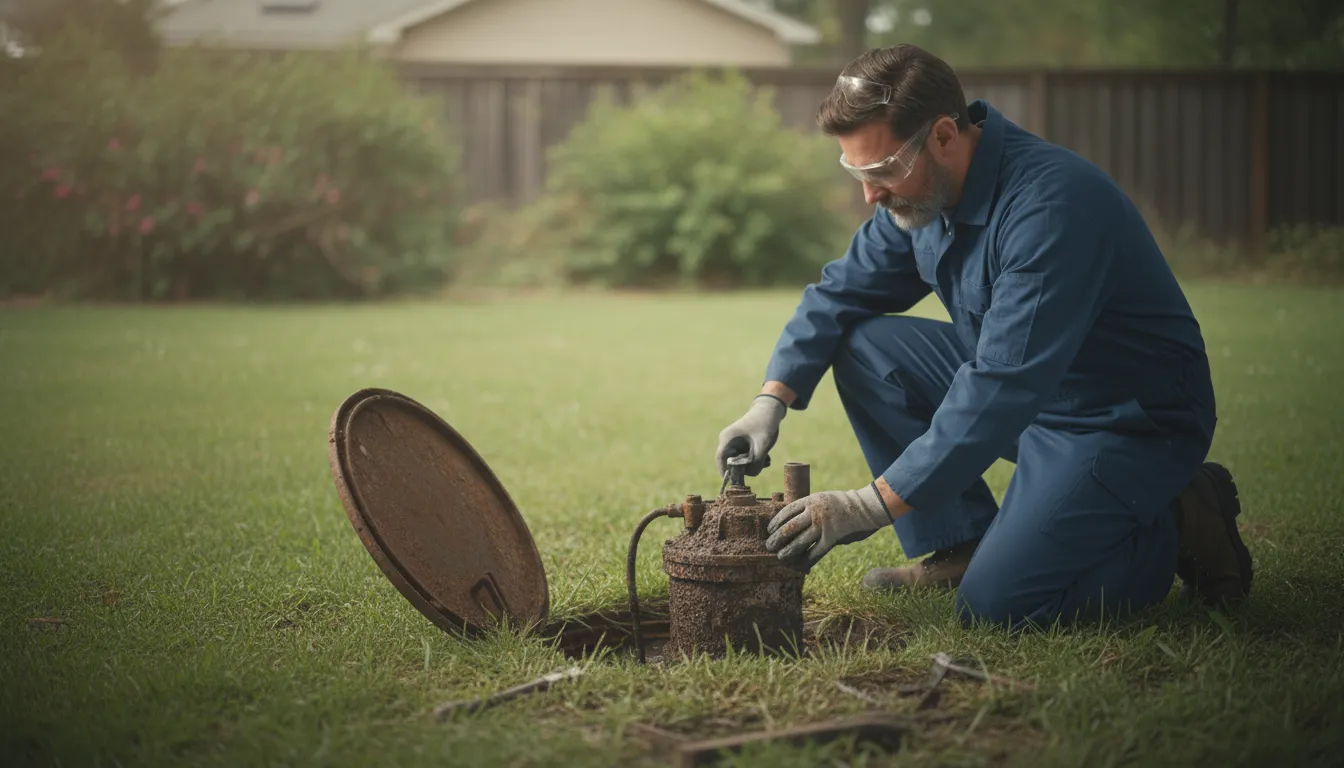
Find the Best Septic Pump Repair Companies for Your Business
No obligation • Fast responses • Nationwide coverage

Why you can trust Septic Spot
Septic Spot is a leading United States resource for understanding and comparing septic services. Our editors review providers using consistent criteria and verify key business details. Listings and scores are independent, and companies cannot pay to influence our content.
Search providers near you
Top Septic Pump Repair Companies in Toms River, New Jersey Ranked
Maintaining a functional septic system is crucial for any Toms River homeowner. When a pump fails or a system shows signs of distress, timely repair or replacement protects your property, health, and investment. This guide explains what septic pump and system services involve, why they are essential in our local environment, and how you can find qualified professionals to address your specific needs.
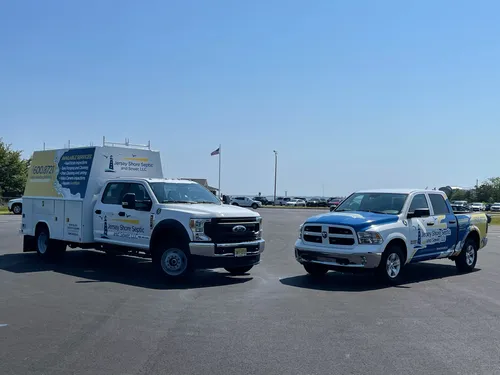
Jersey Shore Septic And Sewer LLC
Lakewood, NJ
Jersey Shore Septic And Sewer LLC is a family-owned and operated business serving Lakewood, NJ, and surrounding counties including Atlantic, Middlesex, Monmouth, and Ocean. With over a decade of experience, they provide residential and commercial septic services such as septic tank pumping, inspections, repairs, replacements, and new installations. Their team holds CDL-A licenses and is trained to perform specialized services like video camera inspections and high-pressure water jetting. The company also offers excavation and commercial snow removal services.
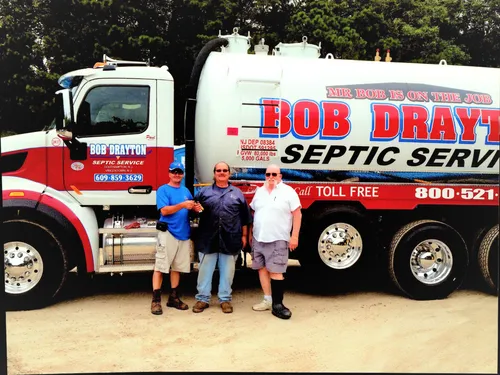
Bob Drayton Inc
151 Big Hill Rd, Southampton Township, NJ 08088
Bob Drayton Inc is a septic system repair and portable toilet rental company serving Philadelphia, PA, and nearby areas. Established in 1955, the company offers septic pump repair, power snaking, and jetting services along with roll-off container rentals for various projects and events. With over six decades of experience, Bob Drayton Inc provides 24-hour emergency septic services to meet urgent needs.
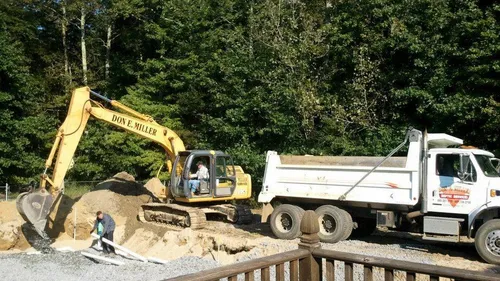
Don E Miller Septic Service Inc & Donny's Potty's
362 Meany Rd, North Hanover, NJ 08562
Don E Miller Septic Service Inc & Donny's Potty's is a family-owned septic service provider based near Philadelphia, PA. They offer a wide range of septic system services including pumping, inspections, repairs, and installations, as well as portable toilet rentals for residential, commercial, and municipal customers. The company has been serving the North Hanover Township area and surroundings since 1963, providing expertise in maintaining and installing various septic system components such as dosing pumps, grease traps, and effluent filters.
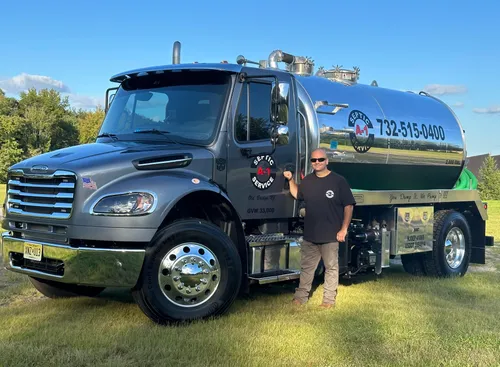
A-1 Septic Service,LLC
New York, NY
A-1 Septic Service, LLC is a family-owned septic service provider based in New York, NY, with a history dating back to 1956. They offer a range of services including septic pumping, inspection, cleaning, repair, and installation for residential and commercial systems. The company uses advanced tools and technology to maintain and service all types of septic tank systems. A-1 Septic Service is licensed, insured, and provides emergency services with 24/7 availability.
Understanding Your Septic System in Toms River
A septic system is an on-site wastewater treatment plant for your home. In Toms River, most residential systems consist of a septic tank and a drain field (or leach field). Wastewater flows from your house into the tank, where solids settle and begin to decompose. The clarified liquid then exits into the drain field, where it percolates through the soil for final treatment. A crucial component in many systems, especially in our area, is the effluent pump. This pump is necessary when gravity alone cannot move the wastewater from the tank to the drain field, which is common in homes with basements, on flat terrain, or in areas with specific soil conditions.
The Role of Soil and Water Tables
Local geology plays a significant role in your system's health and the type of repairs it may need. Much of Ocean County, including parts of Toms River, has sandy soil, which is generally ideal for absorption and drainage 1. However, our coastal location presents a common challenge: a high water table. In low-lying areas, the groundwater level can rise close to the surface, especially after heavy rains or during certain seasons. When the water table is too high, it can saturate a conventional drain field, causing it to fail. In these cases, a specialized system like a raised bed (mound) system or a more complex pump-driven system is often required 1. Understanding your property's soil type and water table is the first step in diagnosing system issues.
Common Signs You Need Septic Pump or System Service
Ignoring early warning signs can lead to complete system failure, which is far more disruptive and expensive to fix. Be alert for these red flags:
- Slow Drains and Backups: If sinks, showers, or toilets are draining slowly or backing up, especially after heavy use, it could indicate a full tank, a clog, or a failing pump.
- Unpleasant Odors: Sewage smells in your yard, particularly near the tank or drain field, are a strong indicator of a problem.
- Soggy Lawn or Lush Patches: An overly wet, soggy yard or an unusually lush, green patch of grass directly over the drain field can signal that effluent is surfacing because the field is saturated or failing.
- Gurgling Sounds: Strange gurgling noises from your plumbing can point to a blockage or a malfunctioning pump.
- Alarm Activation: If your system has a high-water alarm and it sounds, it means the liquid level in the pump tank is too high, signaling an immediate pump failure or electrical issue that needs professional attention.
The Septic Service Process: From Diagnosis to Completion
When you suspect a problem, a licensed professional will follow a structured process to resolve it.
- Inspection and Diagnostics: The first step is almost always to pump the tank. This allows the technician to inspect the tank's interior for structural issues, broken baffles, or cracks. For pump systems, they will check the electrical components, float switches, and the pump itself. Camera inspections of the drain field lines may also be used to locate clogs or breaks.
- Permitting: In New Jersey, any significant repair or full system replacement requires permits from the local health department. Your licensed contractor will handle this process, ensuring the work meets all state and local codes.
- Excavation and Repair: For repairs, the contractor will excavate to access the tank, pump chamber, or specific sections of the drain field. Common repairs include replacing a burnt-out effluent pump, fixing a broken alarm float, repairing a damaged tank baffle, or replacing a corroded riser lid 2.
- Replacement (If Necessary): If the drain field has failed and cannot be repaired, a full replacement is needed. This involves designing a new field based on current soil testing and site evaluation, excavating the old field, and installing new distribution lines and gravel. In cases of high water tables, a raised mound system may be constructed.
- Final Inspection: Once work is complete, the local governing authority will perform a final inspection to ensure the repair or installation complies with all regulations before the site is backfilled and restored 3.
Find the perfect septic pump repair companies for your needs
Get personalized recommendations and expert advice
Cost Considerations for Septic Services in Toms River
The cost of septic work varies widely based on the problem's complexity, the system type, and local soil conditions. Here is a general breakdown of what Toms River homeowners might expect:
- Routine Pumping and Inspection: $200-$600. This is not a repair but essential preventative maintenance that can identify small issues before they become big, expensive problems.
- Pump or Alarm Repair/Replacement: $250-$1,000+ for the pump unit itself, plus labor for installation. Repairing electrical components like alarm floats is typically on the lower end of this range 4 5.
- Tank Component Repair: Fixing a damaged baffle or riser can cost $300-$1,2006.
- Residential System Repairs: More involved repairs, such as fixing a section of the drain field, typically range from $3,000 to $15,000 in the Toms River area.
- Full System Replacement: This is the most significant investment. For a complete septic system replacement in Ocean County, homeowners should budget between $15,000 and $35,000 or more. The final price depends heavily on the system type required (e.g., gravity vs. pump, conventional vs. mound) and the extent of excavation needed 7 8 9.
Choosing the Right Service Provider
Given the technical and regulatory complexity of septic work in New Jersey, choosing the right contractor is critical.
- Verify Licensing and Insurance: Always ensure the company is licensed by the state of New Jersey to perform septic system repairs and installations. They should also carry full liability and workers' compensation insurance.
- Check Local Experience: A provider familiar with Toms River and Ocean County will understand common local issues like sandy soils, high water tables, and specific municipal permit requirements.
- Get Detailed Estimates: A reputable contractor will provide a written, detailed estimate that breaks down costs for parts, labor, permits, and site restoration. Be wary of vague verbal quotes.
- Ask About Warranties: Inquire about warranties on both parts (like the pump) and labor for the repair work performed.
- Review the Process: A good professional will walk you through their diagnostic process, explain the necessary repairs in understandable terms, and outline the timeline and what to expect during the work 10.
Proactive Maintenance is Key
The best way to avoid costly emergency septic pump repairs or a full system replacement is through consistent, proactive care. The New Jersey Department of Environmental Protection recommends having your septic tank pumped and inspected every 3 to 5 years, depending on household size and usage 11. This routine service removes sludge and scum that can clog the system and allows a professional to spot minor issues early. Additionally, be mindful of what goes down your drains. Avoid flushing anything other than human waste and toilet paper, and use water efficiently to prevent overloading the system.
Frequently asked questions
Sources
Footnotes
-
How Soil Type Affects Septic Installation - Earthmovers NJ - https://earthmoversnj.com/how-soil-type-affects-septic-installation/ ↩ ↩2
-
Septic System Repairs | Septic Parts Replacement | NJ - https://septicandoiltanks.com/septic-system-repairs-component-replacement/ ↩
-
Septic System Design and Installation in Toms River, NJ - https://sewerman.com/toms-river-nj/services/septic-system-services/ ↩
-
Septic System Repair & Troubleshooting in NJ - https://excavatingnj.com/services/septic/repairs/ ↩
-
Pump Replacement Services in Toms River, NJ - Zoom Drain - https://www.zoomdrain.com/ocean-county/drain-and-sewer-services/pump-repair-and-replacement/ ↩
-
How Much Does Septic Tank Repair Cost? [2026 Data] | Angi - https://www.angi.com/articles/how-much-does-repairing-septic-tank-cost.htm ↩
-
Septic Repair vs. Replacement: A Guide to Costs & Red Flags - https://prosepticri.com/septic-repair-vs-replacement-guide/ ↩
-
Septic Repair vs Replacement in NJ: Costs & Signs - https://www.atsenvironmental.com/blog/septic-repair-vs-replacement/ ↩
-
The Real Cost of Septic Installation in New Jersey (2025) - https://www.atsenvironmental.com/blog/the-real-cost-of-septic-installation-in-new-jersey-2025/ ↩
-
Questions to Ask When Replacing Your Septic System | Tidy Tim's - https://www.tidytimsinc.com/questions-to-ask-when-replacing-your-septic-system ↩
-
SEPTIC - NJ.gov - https://dep.nj.gov/wp-content/uploads/dwq/pdf/septicmn.pdf ↩