Find the Best Septic Pump Repair Companies for Your Business
No obligation • Fast responses • Nationwide coverage

Why you can trust Septic Spot
Septic Spot is a leading United States resource for understanding and comparing septic services. Our editors review providers using consistent criteria and verify key business details. Listings and scores are independent, and companies cannot pay to influence our content.
Search providers near you
Top Septic Pump Repair Companies in Trenton, New Jersey Ranked
Maintaining a functional septic system is a critical responsibility for homeowners in Trenton. When a pump fails or the entire system shows signs of distress, timely and expert intervention is essential to prevent backups, environmental contamination, and costly property damage. This guide explains the unique challenges of septic service in the region, outlines common repair and replacement scenarios, and provides a clear path for finding qualified local professionals to assess and address your system's needs.
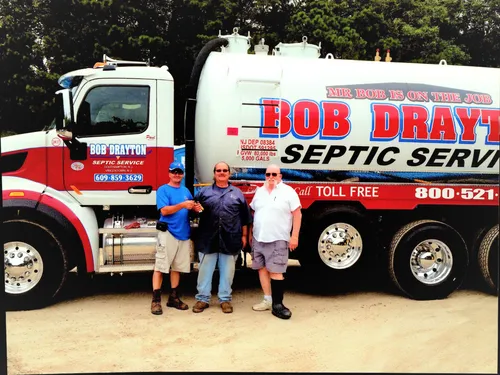
Bob Drayton Inc
151 Big Hill Rd, Southampton Township, NJ 08088
Bob Drayton Inc is a septic system repair and portable toilet rental company serving Philadelphia, PA, and nearby areas. Established in 1955, the company offers septic pump repair, power snaking, and jetting services along with roll-off container rentals for various projects and events. With over six decades of experience, Bob Drayton Inc provides 24-hour emergency septic services to meet urgent needs.
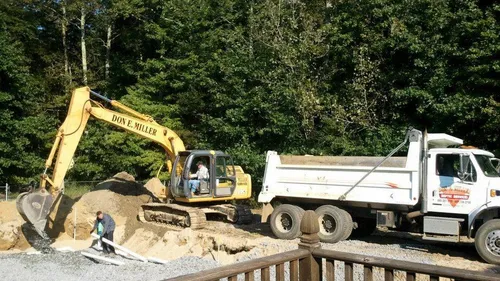
Don E Miller Septic Service Inc & Donny's Potty's
362 Meany Rd, North Hanover, NJ 08562
Don E Miller Septic Service Inc & Donny's Potty's is a family-owned septic service provider based near Philadelphia, PA. They offer a wide range of septic system services including pumping, inspections, repairs, and installations, as well as portable toilet rentals for residential, commercial, and municipal customers. The company has been serving the North Hanover Township area and surroundings since 1963, providing expertise in maintaining and installing various septic system components such as dosing pumps, grease traps, and effluent filters.

Decker Septic
29 Constitution Dr, Vincentown, NJ 08088
Decker Septic is a septic system service provider based near Philadelphia, PA. They offer a range of services including septic tank pumping, inspections, repairs, installations, and drain field replacement. The company is experienced in handling septic pump repairs and replacements, as well as managing system components like collars and manhole covers to prevent flooding issues. Customers have noted their thorough approach to septic system replacement and maintenance, including assistance with engineering and county approvals. Decker Septic is known for working within tight timelines and maintaining property condition during their work.
Understanding Trenton's Unique Septic Challenges
The soil and climate in New Jersey present specific hurdles for septic system performance, directly influencing the types of failures you might encounter and the solutions required. Much of the Trenton area features dense clay soils and high water tables. Clay does not drain well, which can lead to a saturated drain field-the area where treated wastewater is meant to percolate into the ground. When this happens, water has nowhere to go, causing backups into your home or surfacing in your yard. Furthermore, New Jersey's distinct freeze-thaw cycles can cause the ground to shift seasonally, potentially damaging pipes or tilting critical components like the distribution box.
These environmental factors mean that a one-size-fits-all approach doesn't work. The right repair strategy or system design for your property depends heavily on a proper evaluation of your soil conditions and system history.
Common System Types and Their Failure Points
Most residential systems in the area fall into a few categories, each with its own maintenance profile:
- Conventional Gravity Systems: These are common but can be prone to failure in Trenton's poorly draining, wet, or clay-heavy soils. They rely entirely on gravity to move effluent from the tank to the drain field.
- Pump/Pressure Systems: Often necessary in flat areas or situations where the drain field is situated at a higher elevation than the septic tank. These systems use an effluent pump to push wastewater to the dispersal area. The pump, its associated floats, and alarm system are common points of failure requiring repair.
- Mound Systems: Frequently installed in areas with a very high water table or shallow bedrock. They use an engineered sand mound built above the natural grade to provide adequate treatment and drainage. While effective, they are complex and repairs can be more involved 1.
- Advanced Treatment Systems: For properties with severe soil limitations or space constraints, systems like peat filters or aerobic treatment units (ATUs) may be used. These systems provide a higher level of treatment, allowing for a smaller drain field footprint.
The Diagnostic Process: From Symptom to Solution
When you notice signs of trouble-such as slow drains, soggy ground over the drain field, or unpleasant odors-the first step is a professional inspection. A technician will typically begin by pumping the tank (costing roughly $200-$600) to get a clear view of the system's components and check for issues like baffle failure or tank structural damage 2. This inspection is crucial for determining whether a repair will suffice or if a full system replacement is inevitable.
Local health department regulations play a significant role in this process. In New Jersey, permits are required for most repairs, especially if the system design is being altered. A reputable professional will handle this permitting process, ensuring the work is up to code.
Repair vs. Replacement: Costs and Considerations
The decision to repair or replace hinges on the system's age, the extent of the damage, and soil conditions. Here's a breakdown of common services and their associated costs in the Trenton area:
- Effluent Pump or Alarm Replacement: Repairing or replacing a failed pump, float switch, or alarm system typically ranges from $800 to $5,000. This is often the most common repair for pressure distribution systems.
- Distribution Box Repair/Replacement: The D-box evenly distributes effluent to the drain field lines. If it's cracked, clogged, or tilted from ground shift, repairs can cost between $1,000 and $4,000 3.
- Soil Remediation (TerraLift): For a drain field that has failed due to compacted or biomat-clogged soil, excavation and replacement is not the only option. The TerraLift process involves injecting air under high pressure to fracture the soil and restore permeability. This can be a less invasive alternative, with costs ranging from $3,500 to $6,000 4.
- Septic Tank Replacement: If the tank itself is cracked or collapsed, replacement costs between $10,000 and $15,000.
- Full System Replacement: When the drain field has completely failed and cannot be remediated, a full system replacement is necessary. In New Jersey's challenging soils, this often requires an advanced system design. Costs are significant, ranging from $20,000 to over $45,000, depending heavily on system complexity and site conditions 5 6 7.
Find the perfect septic pump repair companies for your needs
Get personalized recommendations and expert advice
The Importance of Proper System Design and Permitting
Given the regulatory environment and soil challenges, working with knowledgeable professionals is non-negotiable. For major repairs or replacements, especially those involving a change in system type, the involvement of a licensed septic design engineer is often required 8. They will perform soil tests (percolation tests) and design a system that meets New Jersey Department of Environmental Protection (NJDEP) and local health code standards for your specific property.
The permitting process, while sometimes seen as a hurdle, exists to protect public health and the environment. It ensures that new installations and major repairs are built to last and function correctly, preventing groundwater contamination. Always verify that any provider you contact is fully licensed and insured to perform septic work in Mercer County.
Maintaining Your System After Repair or Replacement
Once your system is repaired or a new one is installed, proper maintenance is key to longevity. This includes:
- Regular pumping every 3-5 years, depending on household size.
- Conserving water to avoid hydraulically overloading the system.
- Avoiding flushing anything besides human waste and toilet paper.
- Keeping vehicles and heavy structures off the drain field area.
- Having the system inspected periodically, as new NJ regulations may mandate more frequent checks 9.
A well-maintained system in the Trenton area, even with its soil challenges, can last for decades. Proactive care is always more cost-effective than emergency repairs.
Frequently asked questions
Sources
Footnotes
-
How Long Does a Septic System Last in New Jersey? - https://www.atsenvironmental.com/blog/how-long-does-a-septic-system-last-in-new-jersey/ ↩
-
NJ Septic Regulations for 2026: Inspections, Permits & Rules - https://www.atsenvironmental.com/blog/nj-septic-regulations-for-2026/ ↩
-
Troubleshooting & Repairs - New Jersey Septic Management Group - https://nj-septic.com/repairs/ ↩
-
How Much Does It Cost To Replace A Septic System In Northern NJ? - https://dsepticservice.com/b/septic-system-replacement-cost-new-jersey/ ↩
-
Septic System Repair & Troubleshooting in NJ - https://excavatingnj.com/services/septic/repairs/ ↩
-
Septic Repair vs. Replacement: A Guide to Costs & Red Flags - https://prosepticri.com/septic-repair-vs-replacement-guide/ ↩
-
The Real Cost of Septic Installation in New Jersey (2025) - https://www.atsenvironmental.com/blog/the-real-cost-of-septic-installation-in-new-jersey-2025/ ↩
-
Septic System Engineer Northern and Central NJ - https://careagaengineering.com/septic-system-design.php ↩
-
New Jersey Septic System Rules - 2026 Guide - https://thesewerkings.com/blog/new-jersey-septic-system-rules/ ↩