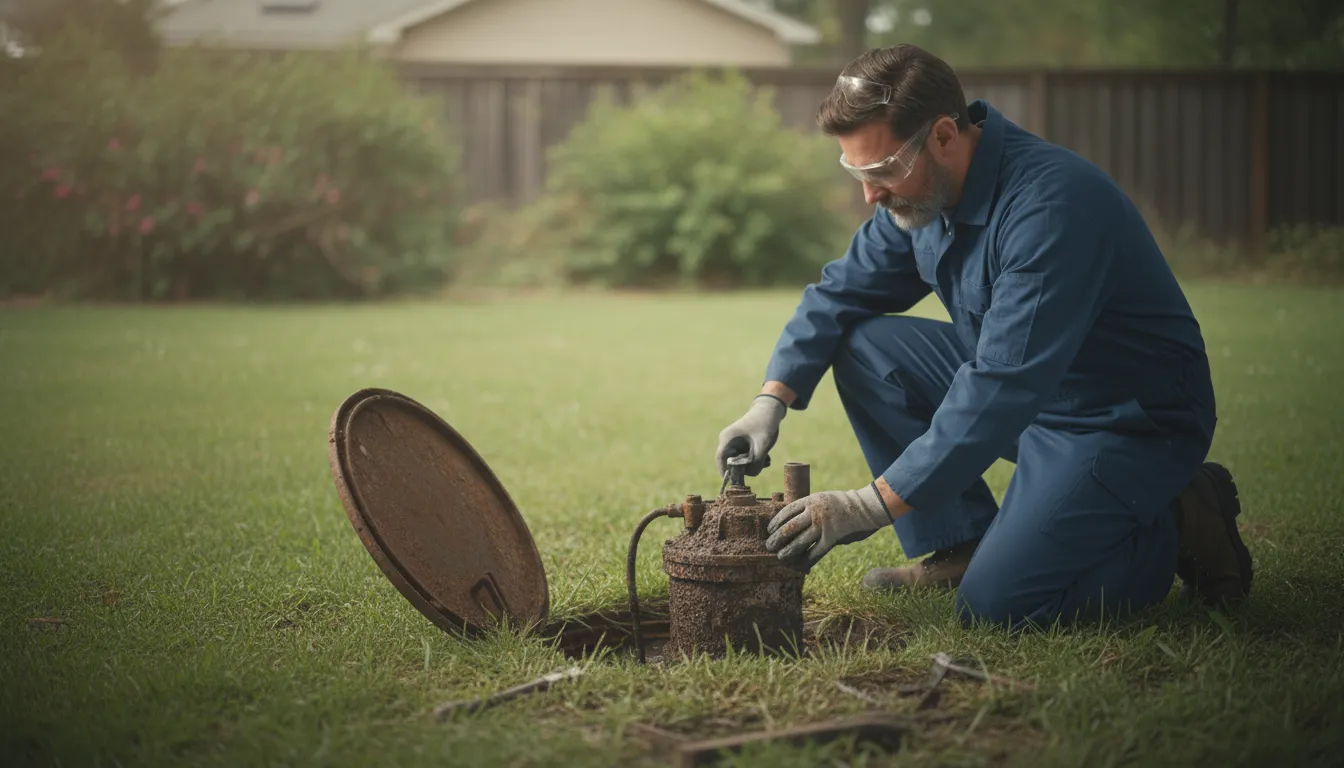
Find the Best Septic Pump Repair Companies for Your Business
No obligation • Fast responses • Nationwide coverage

Why you can trust Septic Spot
Septic Spot is a leading United States resource for understanding and comparing septic services. Our editors review providers using consistent criteria and verify key business details. Listings and scores are independent, and companies cannot pay to influence our content.
Search providers near you
Best Septic Pump Repair Companies in New York Ranked
When your home's wastewater system falters, it's more than an inconvenience-it's a potential health and environmental hazard. Septic pump repair and replacement are critical services for maintaining a functional onsite wastewater treatment system, especially in New York's diverse landscapes, from the rocky soils of the Adirondacks to the sandy shores of Long Island. This guide explains the essentials of septic pump and system servicing, why timely professional intervention is crucial, and how you can find qualified local specialists to assess and resolve your system's issues.
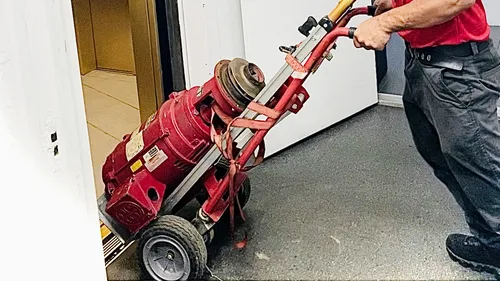
The Pump Guys Pump & Motor Specialist
1177 6th Ave 5th floor, New York, NY 10036
The Pump Guys Pump & Motor Specialist provides pump repair, rebuild, and maintenance services in New York, NY. They handle a wide range of pumps including industrial, commercial, residential, and marine types, along with alarm signals and controls. Their expertise covers troubleshooting, diagnosing, and servicing major pump brands to ensure proper operation.
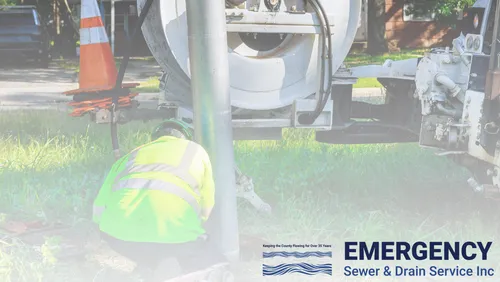
Emergency Sewer & Drain Service, Inc.
75 Virginia Rd, White Plains, NY 10603
Emergency Sewer & Drain Service, Inc. provides septic pump repair and replacement services in New York, NY. Based in White Plains, they serve clients across Westchester County, NY, and Fairfield County, CT. The company offers a wide range of plumbing and drainage services, including pump repairs, main sewer line repair, and flooded basement pumping. Established in 1984, they bring over four decades of experience to both residential and commercial systems. They are available 24 hours a day, seven days a week to address urgent plumbing needs.
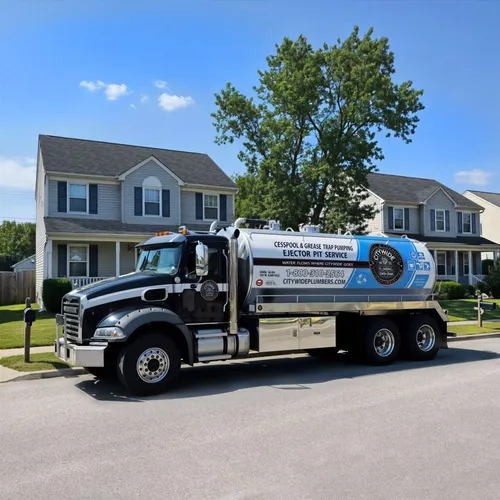
Citywide Grease Trap Maintenance | Cesspool Pumping Service Long Island
110 Voice Rd, Carle Place, NY 11514
Citywide Grease Trap Maintenance | Cesspool Pumping Service Long Island provides septic and cesspool pumping, inspection, repair, and installation services in New York, NY. Serving both residential and commercial clients, they offer comprehensive maintenance and cleaning to prevent system failures. Their skilled technicians use advanced equipment for installations and repairs, including grease trap pumping and sewage ejector pit services. With over 65 years of experience, Citywide operates 24/7 to address emergency needs promptly.
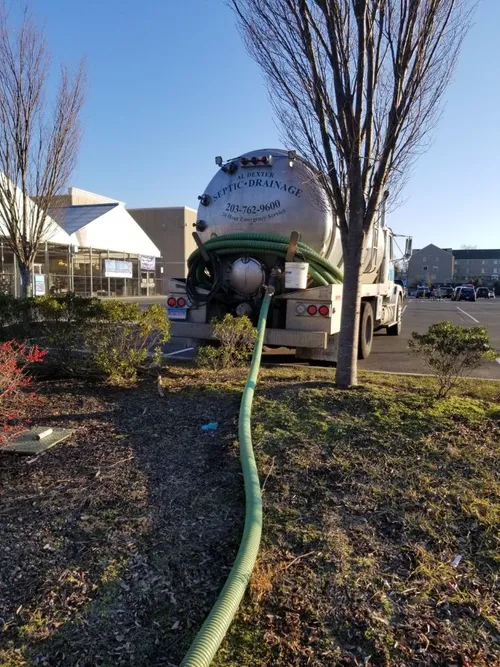
Al Dexter Septic & Drainage
New York, NY
Al Dexter Septic & Drainage is a septic service provider located in New York, NY. They offer a range of services including septic tank cleaning, installation, inspection, and repair. Their capabilities include jetting and snaking lines, camera inspections, odor testing, and pump repair or replacement. The company also handles grease trap cleaning and dry well pumping, providing comprehensive septic system maintenance and repair solutions.
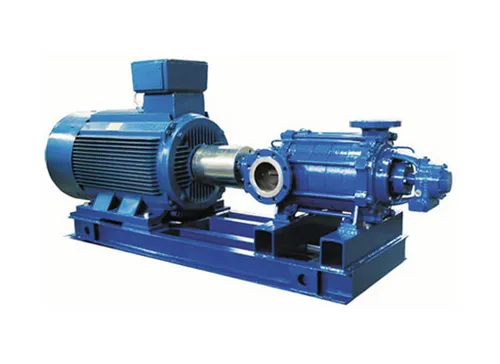
Pro Pump Corp.
707 Woodfield Rd, West Hempstead, NY 11552
Pro Pump Corp. provides comprehensive pump and motor repair, service, replacement, installation, and sales for commercial, industrial, and multi-family residential buildings in New York, NY. They service a wide range of pumps including booster, sewage, fire, sump, and cooling tower pumps. The company offers 24/7 emergency services to the NYC Metro area, ensuring quick response and expert technician dispatch. With over 30 years of experience, Pro Pump Corp. supports various facilities such as hospitals, airports, hotels, and schools.
Understanding Your Septic System Type
The first step in addressing a pump problem is understanding what kind of system you have. The repair approach and components involved vary significantly by design.
- Conventional Gravity Systems: These are the most common traditional systems. They rely solely on gravity to move liquid effluent from the septic tank out to a subsurface absorption field (leach field). While they don't have a pump for effluent, they may include a pump in the tank if the home's plumbing is below the sewer line. Repairs often focus on the tank itself, inlet/outlet baffles, and the distribution box.
- Pressure Distribution (Pumped) Systems: Common in areas with high water tables, poor soil percolation, or where the leaching area is uphill from the tank, these systems use an effluent pump housed in a separate chamber. This pump pushes treated wastewater through a network of small-diameter pipes in the leaching field. Failure here typically involves the pump, float switches, alarm system, or the distribution laterals.
- Innovative/Alternative (I/A) Systems: Increasingly installed, particularly in environmentally sensitive areas like the New York City watershed or near coastal waters, these advanced systems provide extra treatment of wastewater. They often include mechanical components like pumps, aerators, filters, and controls that require specialized knowledge to service and repair.
Signs You Need Pump Repair or System Attention
Ignoring early warning signs can lead to complete system failure, property damage, and costly environmental remediation. Contact a licensed professional if you notice:
- Slow Drains and Gurgling: Sinks, showers, and toilets that drain slowly or make gurgling sounds can indicate a blockage, a failing pump, or a saturated drain field.
- Sewage Odors: Unpleasant smells inside your home or around the yard are a clear sign of a problem, such as a broken pipe, full tank, or malfunctioning vent.
- Soggy Ground or Surfacing Effluent: Wet, spongy, or unusually green grass over the tank or drain field, or worse, visible sewage pooling on the ground, indicates a serious failure.
- Alarm Activation: Modern systems with pumps have an alarm that sounds when the water level in the pump tank is too high, signaling a pump failure or switch problem.
- Backups: Sewage backing up into household drains is an urgent sign of a severe blockage or system failure.
The Professional Diagnosis and Repair Process
A qualified technician follows a systematic approach to diagnose and fix your system.
- Inspection and Diagnosis: The process begins with locating and uncovering the tank and inspection ports. A professional may perform a visual inspection, use dye tests, or employ a camera scope to inspect the interior of tanks and lines to identify clogs, structural damage, or pump failure 1.
- Pump Servicing: For pressure systems, the technician will check the effluent pump, float controls, and alarm. The pump may be pulled, cleaned, and tested. Often, mineral buildup or debris causes failure, but the pump motor or seals may need replacement.
- Component Repair or Replacement: Depending on the issue, repairs may involve replacing damaged inlet or outlet baffles, fixing broken pipes, clearing blocked effluent filters, or repairing electrical controls. The goal is to restore original function with modern, durable components 2.
- System Replacement Evaluation: If the tank is structurally compromised (rusted, collapsed), the drain field has completely failed, or the system is undersized for the home, repair may not be feasible. The professional will evaluate if a full system replacement is necessary 3.
Find the perfect septic pump repair companies for your needs
Get personalized recommendations and expert advice
Navigating New York Regulations and Permits
Septic work in New York is highly regulated to protect public health and water quality. Homeowners and contractors must navigate state and local rules.
- State Standards (Appendix 75-A): The New York State Department of Health's regulations set minimum standards for the design and construction of individual sewage treatment systems. Any major repair or replacement must comply with these standards, which are often updated 4.
- Local Health Department Authority: This is critical. Local county health departments (e.g., Suffolk, Erie, Nassau) enforce the state code and often have stricter, additional requirements based on local geology and environmental concerns. They issue all permits for installation, repair, and replacement. Always check with your local department first 5 6.
- Permit Requirements: Most repairs beyond simple pumping require a permit, especially if they involve altering the system's size, location, or components. A licensed installer or engineer must typically submit plans for approval 7.
- Financial Assistance Programs: New York offers several programs to help offset costs, particularly for replacements that improve water quality.
- Septic System Replacement Fund: This state program provides funding to replace cesspools and failing systems, with priority given to projects impacting waterbodies 8 9.
- Local Reimbursement Programs: Organizations like the Catskill Watershed Corporation offer 50% reimbursement for routine pumping and inspections, and grants or low-interest loans for repairs and replacements in designated areas 10.
Understanding the Costs of Service
The cost for septic pump and system work in New York varies widely based on system type, problem severity, and site accessibility.
- Inspection and Pumping: A routine septic tank pumping and inspection typically costs a few hundred dollars. This is essential maintenance and can prevent costly repairs.
- Component Repairs: Repairing or replacing a septic pump, baffle, or distribution box can range from $1,000 to over $3,000, depending on parts and labor 11.
- Full System Replacement: When a system is beyond repair, replacement is a major investment. In New York, installing a new conventional system typically ranges from $10,000 to $25,000. The cost can be higher for advanced alternative systems or properties with difficult access or soil conditions 12 13.
- Getting Estimates: Always obtain detailed written estimates from multiple licensed professionals. The estimate should break down parts, labor, permit fees, and site restoration costs.
Choosing a Qualified Service Provider
Selecting the right professional is the most important decision you'll make. Look for:
- New York State Licensure: Ensure the company or individual holds the appropriate state license for septic system installation, repair, or pumping.
- Local Experience and Knowledge: Choose a provider familiar with your county's specific health department regulations and soil conditions.
- Insurance and References: Verify they carry liability and workers' compensation insurance and ask for references from recent jobs.
- Detailed Proposals: A reputable contractor will provide a clear, written scope of work, cost estimate, and timeline.
Regular maintenance is the best way to avoid emergency repairs. Schedule inspections every 1-3 years and pump your tank as recommended based on usage, typically every 3-5 years. By understanding your system, recognizing warning signs, and working with qualified professionals, you can ensure your New York home's wastewater system operates safely and effectively for years to come.
Frequently asked questions
Sources
Footnotes
-
Septic System Operation and Maintenance - https://www.health.ny.gov/publications/3208/ ↩
-
A Homeowner's Ultimate Guide to Septic Replacement or Repair - https://excavationplus.net/septic/a-homeowners-ultimate-guide-to-septic-replacement-or-repair-everything-you-need-to-know/ ↩
-
Repair or Replace? How Professionals Evaluate Septic Systems in ... - https://mackenservices.com/2025/12/repair-or-replace-how-professionals-evaluate-septic-systems-in-lancaster-ny/ ↩
-
Septic System - New York State Department of Health - https://www.health.ny.gov/publications/3208.pdf ↩
-
Residential Standards 2022.04.19.pdf - https://www.suffolkcountyny.gov/Portals/0/FormsDocs/health/WWM/Residential%20Standards%202022.04.19.pdf ↩
-
New York Septic License & Certification | 2024 Contractor Guide - https://www.servicetitan.com/licensing/septic/new-york ↩
-
Expert Guide to Septic System Installation in Lancaster, NY - https://mackenservices.com/2025/04/expert-guide-to-septic-system-installation-in-lancaster-ny-what-homeowners-need-to-know/ ↩
-
SEPTIC Replacement Program - https://www.nassauswcd.org/SEPTIC ↩
-
NY State Septic Repair and Replacement Program Outline | - https://truesdalelake.com/2021/04/ny-state-septic-repair-and-replacement-program-outline/ ↩
-
Septic Repair and Replacement Catskill Watershed Corporation - https://cwconline.org/programs/septic-repair-and-replacement/ ↩
-
Safe Septic Guide - https://safesepticsystems.org/guide ↩
-
New Directions for Local Septic System Management in New York ... - https://efc.syr.edu/wp-content/uploads/2025/02/Public-Problem_Private-Property_PDF_2024_FINAL.pdf ↩
-
Septic Systems | Lewisboro, NY - https://www.lewisborony.gov/community/page/septic-systems ↩