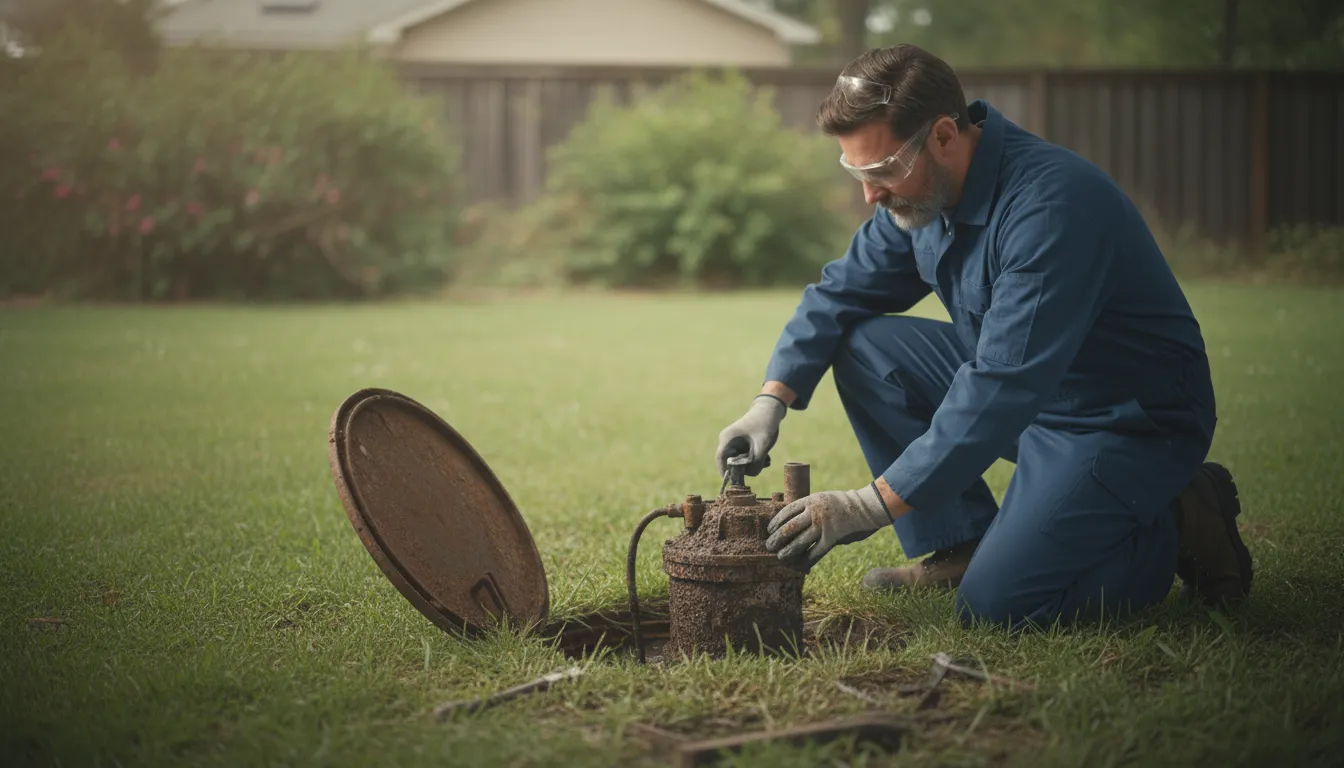
Find the Best Septic Pump Repair Companies for Your Business
No obligation • Fast responses • Nationwide coverage

Why you can trust Septic Spot
Septic Spot is a leading United States resource for understanding and comparing septic services. Our editors review providers using consistent criteria and verify key business details. Listings and scores are independent, and companies cannot pay to influence our content.
Search providers near you
Top Septic Pump Repair Companies in New York, New York Ranked
When your septic system's pump fails or your entire system is beyond repair, it's more than an inconvenience-it's a critical issue that can halt daily life and pose significant health and environmental risks. Septic pump repair and replacement involves diagnosing and fixing the mechanical and hydraulic components that move wastewater from your home to the drain field. This guide is designed to help New York homeowners understand the process, costs, and local considerations for addressing septic system failures, empowering you to find qualified local specialists for your specific needs.
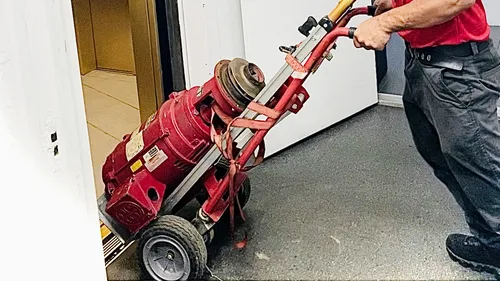
The Pump Guys Pump & Motor Specialist
1177 6th Ave 5th floor, New York, NY 10036
The Pump Guys Pump & Motor Specialist provides pump repair, rebuild, and maintenance services in New York, NY. They handle a wide range of pumps including industrial, commercial, residential, and marine types, along with alarm signals and controls. Their expertise covers troubleshooting, diagnosing, and servicing major pump brands to ensure proper operation.
Emergency Sewer & Drain Service, Inc.
75 Virginia Rd, White Plains, NY 10603
Emergency Sewer & Drain Service, Inc. provides septic pump repair and replacement services in New York, NY. Based in White Plains, they serve clients across Westchester County, NY, and Fairfield County, CT. The company offers a wide range of plumbing and drainage services, including pump repairs, main sewer line repair, and flooded basement pumping. Established in 1984, they bring over four decades of experience to both residential and commercial systems. They are available 24 hours a day, seven days a week to address urgent plumbing needs.
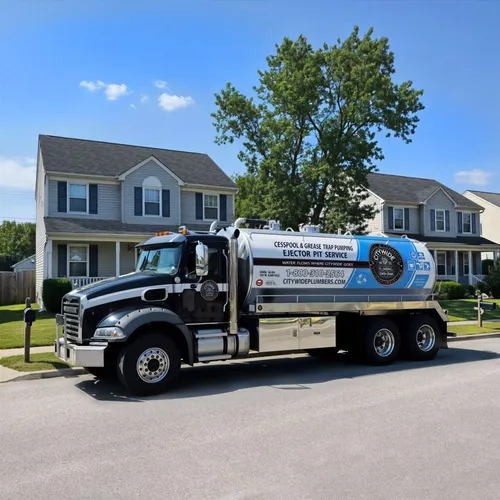
Citywide Grease Trap Maintenance | Cesspool Pumping Service Long Island
110 Voice Rd, Carle Place, NY 11514
Citywide Grease Trap Maintenance | Cesspool Pumping Service Long Island provides septic and cesspool pumping, inspection, repair, and installation services in New York, NY. Serving both residential and commercial clients, they offer comprehensive maintenance and cleaning to prevent system failures. Their skilled technicians use advanced equipment for installations and repairs, including grease trap pumping and sewage ejector pit services. With over 65 years of experience, Citywide operates 24/7 to address emergency needs promptly.
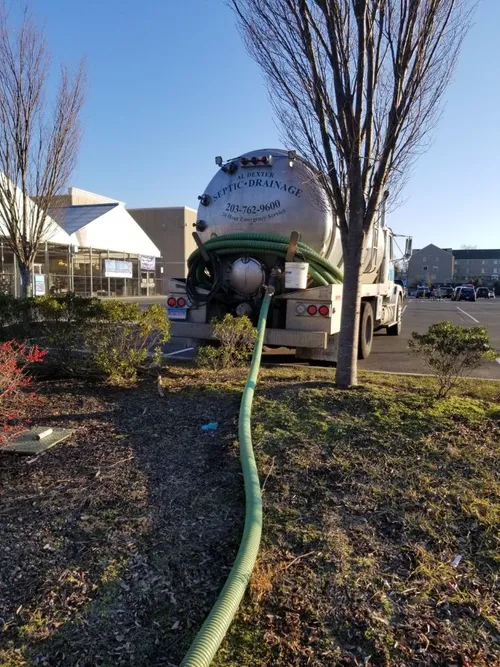
Al Dexter Septic & Drainage
New York, NY
Al Dexter Septic & Drainage is a septic service provider located in New York, NY. They offer a range of services including septic tank cleaning, installation, inspection, and repair. Their capabilities include jetting and snaking lines, camera inspections, odor testing, and pump repair or replacement. The company also handles grease trap cleaning and dry well pumping, providing comprehensive septic system maintenance and repair solutions.
Pro Pump Corp.
707 Woodfield Rd, West Hempstead, NY 11552
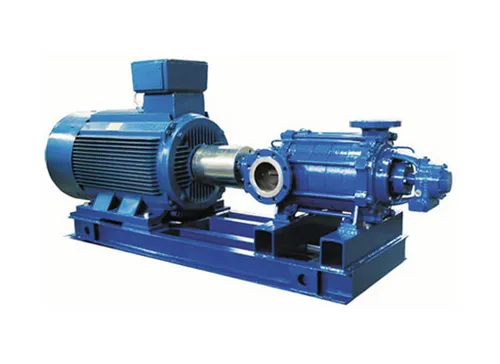
Pro Pump Corp. provides comprehensive pump and motor repair, service, replacement, installation, and sales for commercial, industrial, and multi-family residential buildings in New York, NY. They service a wide range of pumps including booster, sewage, fire, sump, and cooling tower pumps. The company offers 24/7 emergency services to the NYC Metro area, ensuring quick response and expert technician dispatch. With over 30 years of experience, Pro Pump Corp. supports various facilities such as hospitals, airports, hotels, and schools.
Understanding Septic System Failures in New York
A functioning septic system is out of sight and out of mind until it isn't. Failure typically manifests as slow drains, sewage backups in the home, or soggy, foul-smelling patches in your yard. In New York, these problems are often accelerated by local conditions. The state's diverse geology, from the rocky terrain of the Hudson Valley to the dense clay soils found in parts of Long Island, directly impacts how a system performs and fails. A simple pump motor burnout is one thing, but when combined with a clogged drain field due to impermeable soil, the repair scope and cost increase significantly.
Recognizing the signs early can mean the difference between a relatively straightforward pump repair and a catastrophic, full-system replacement. Common indicators include:
- Unusual Noises: Grinding or humming from the pump tank.
- Alarm Activation: Many systems have a high-water alarm that sounds when the pump fails.
- Drainage Issues: Toilets flushing slowly or gurgling drains throughout the house.
- Surface Effluent: Standing water or overly lush grass over the drain field area.
How New York's Soil and Terrain Impact Your System
The success or failure of a septic system is fundamentally tied to the ground it's buried in. New York's varied landscape means a one-size-fits-all approach doesn't work for septic repair or installation.
- Clay Soils: Prevalent in many parts of the state, dense clay soils have very low permeability. While they can effectively filter effluent, they drain very slowly. This can cause wastewater to pool, leading to system saturation, backup, and ultimately, drain field failure. Repairs in clay-heavy areas often involve more complex solutions or complete drain field replacements.
- Sandy or Gravelly Soils: These soils offer excellent drainage but minimal filtration. The primary risk here is groundwater contamination, as inadequately treated effluent can travel quickly through the soil 1. Systems in these areas may require advanced treatment components, which are more expensive to repair.
- Rocky and Hilly Terrain: Excavation in rocky ground is difficult and costly. Hilly properties require careful engineering to ensure proper wastewater flow and distribution, often necessitating more powerful pumps or specialized pressurized distribution systems.
Understanding your property's soil composition is a crucial first step a qualified contractor will take when diagnosing a problem, as it dictates the viable repair or replacement options.
The Septic Repair and Replacement Process: Step-by-Step
Addressing a septic system issue is a regulated process, especially in environmentally sensitive areas like Long Island and the Hudson Valley. Here's what you can generally expect when you hire a professional for septic pump repair or system replacement.
- Inspection and Diagnosis: A licensed professional will first perform a thorough inspection. This may involve checking the electrical components of the pump, using cameras to inspect pipes, and conducting a percolation ("perc") test to assess the drain field's health. Accurate diagnosis is key to determining if the issue is an isolated pump failure, a tank problem, or a complete drain field collapse.
- Permitting: Before any major repair or replacement begins, your contractor must obtain the necessary permits from your local county health department. Permit costs can vary widely, from a small fee for a repair to over $2,770 for a full system replacement 2 3. This step ensures the work complies with all state and local environmental codes.
- Excavation and Implementation: For a pump replacement, the access lid to the pump chamber is opened. For tank or field work, excavation equipment is used to expose the components. The failed pump, damaged pipes, or compromised tank are then removed.
- Drain Field Solutions: If the drain field has failed but the soil is otherwise suitable, a contractor might recommend restoration techniques like Terralift (soil fracturing) to reopen clogged pores 4. If the field is irrecoverable, a completely new drain field must be installed in a suitable location on your property.
- Final Inspection and Backfill: Once the new components are installed, a final inspection by the health department is often required. After passing inspection, the site is backfilled, graded, and restored as much as possible.
Find the perfect septic pump repair companies for your needs
Get personalized recommendations and expert advice
Cost Breakdown for Septic Repairs and Replacements in New York
Costs for septic work in New York are highly variable, influenced by system type, property conditions, and local regulations. The figures below are estimates to help you budget; always get multiple detailed quotes from licensed local contractors 5 6 7.
- Septic Pump Replacement: Replacing a failed effluent pump typically costs between $1,000 and $2,500+. The final price depends on the pump's horsepower, brand, and the depth of the installation.
- Septic Tank Repair: Minor repairs to a tank, such as fixing a cracked inlet/outlet baffle or a small leak, can range from $500 to $1,500.
- Septic Tank Replacement: If the tank itself is structurally compromised, replacing it costs between $1,500 and $4,000+, not including any drain field work.
- Complete System Replacement: When both the tank and drain field fail, a full replacement is necessary. In New York, this is a major project with costs typically ranging from $10,000 to over $30,000, with averages often falling between $16,000 and $22,000 8 9 10. Engineered systems (like mound systems) for difficult sites are at the highest end of this spectrum.
Choosing the Right System Type for Repair or Replacement
The type of system you have will heavily influence the repair strategy and cost.
- Gravity-Fed Systems: The most common and least expensive type to repair. They rely on gravity to move wastewater from the tank to the drain field. Problems are often related to blockages or field failure.
- Pump-Pressure Systems: These use an effluent pump to push wastewater to the drain field, often necessary on properties with uphill drain fields or restrictive soil. Repairs frequently involve the pump itself or the associated electrical components.
- Engineered Systems (Mound, Sand Filter): Used in areas with high water tables, poor soil, or limited space. These are complex, multi-component systems and are significantly more expensive to maintain, repair, or replace than conventional systems 11.
Why Local Expertise is Non-Negotiable
Septic regulations are enforced at the county and town level in New York. A contractor familiar with the specific codes in Nassau County, Suffolk County, or the Hudson Valley is indispensable. They understand the local permit process, soil expectations, and approved technologies for your area. For instance, projects in watershed protection zones or near coastal areas may have additional stringent requirements 12. Hiring a local, licensed expert ensures the job is done correctly, passes inspection, and provides a long-term solution tailored to your property's unique challenges.
Frequently asked questions
Sources
Footnotes
-
How Soil Type Affects Septic System Performance - https://www.septicblueraleigh.com/how-your-soil-determines-your-septic-systems-success.html ↩
-
A Look Into the Expectations and Cost of a Septic Field Replacement ... - https://www.santucciconstruction.com/blog/a-look-into-the-expectations-and-cost-of-a-septic-field-replacement-in-chappaqua-ny ↩
-
Repairing Septic Systems: A Detailed Manual - https://ky-pd.com/blog/fixing-septic-system/ ↩
-
Cost Of Septic System Restoration Vs Septic System Replacement - https://www.aero-stream.com/cost-of-septic-system-restoration-vs-septic-system-replacement/ ↩
-
Septic System's Success Long Island, NY - Quality Cesspool - https://www.qualitycesspool.com/how-soil-type-and-property-layout-determine-your-septic-systems-success-in-long-island-ny/ ↩
-
How Much Does Septic Tank Repair Cost? [2026 Data] | Angi - https://www.angi.com/articles/how-much-does-repairing-septic-tank-cost.htm ↩
-
How to maintain and improve a 27-year-old septic system in ... - https://www.facebook.com/groups/562934644102912/posts/2042404626155899/ ↩
-
Expert Hudson Valley Septic Tank Installation - HV Ground Solutions - https://hvgroundsolutions.com/services/expert-hudson-valley-septic-tank-installation/ ↩
-
Septic Tank Replacement Explained: Costs, Lifespan, And What To ... - https://www.theseptictankman.com/blog/septic-tank-replacement-explained-costs-lifespan-and-what-to-expect ↩
-
How Much Does It Cost to Replace a Septic System? - https://alphaenvironmental.net/blog/how-much-cost-replace-septic-system/ ↩
-
Septic Repair vs Replacement in NJ: Costs & Signs - https://www.atsenvironmental.com/blog/septic-repair-vs-replacement/ ↩
-
How To Sell A House with a Failed Septic System - https://leavethekey.com/blog/sell-house-with-failed-septic-system/ ↩