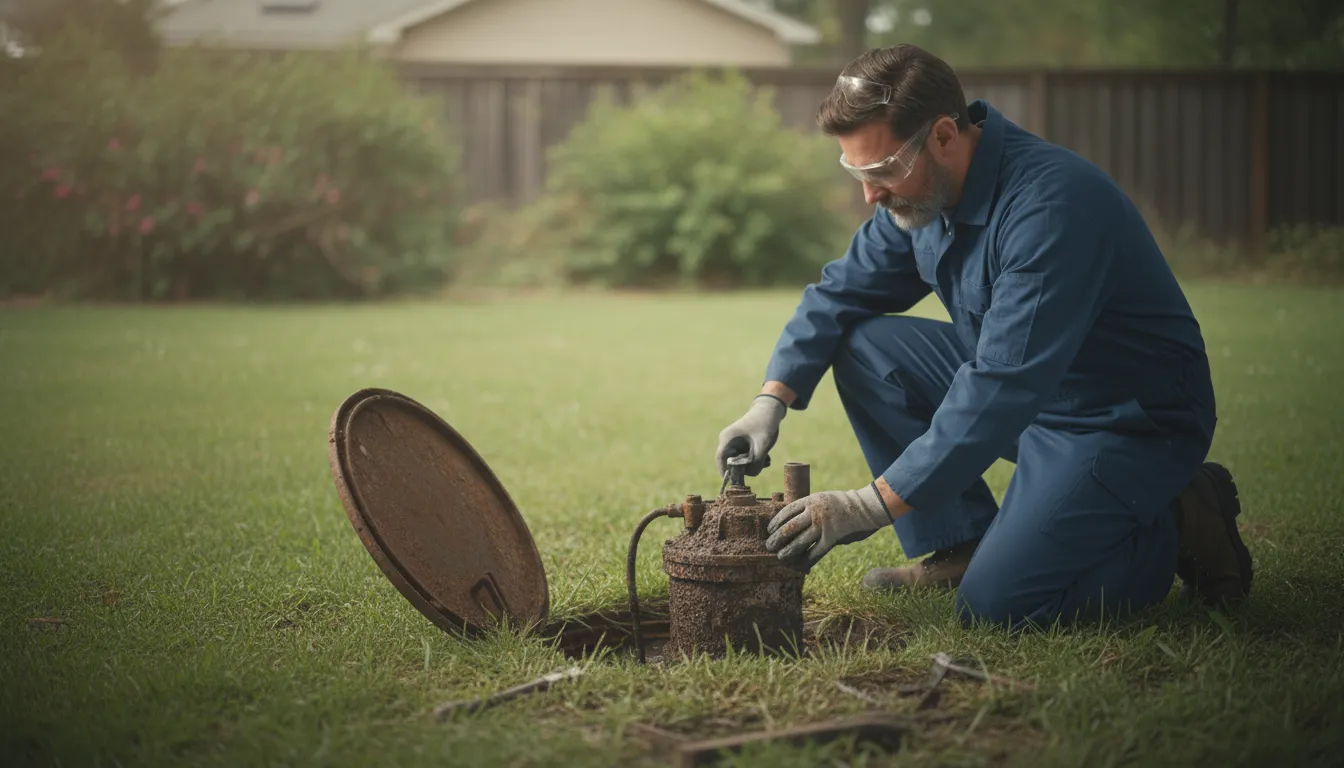
Find the Best Septic Pump Repair Companies for Your Business
No obligation • Fast responses • Nationwide coverage

Why you can trust Septic Spot
Septic Spot is a leading United States resource for understanding and comparing septic services. Our editors review providers using consistent criteria and verify key business details. Listings and scores are independent, and companies cannot pay to influence our content.
Search providers near you
Best Septic Pump Repair Companies in Oklahoma Ranked
When your septic system's pump fails or shows signs of trouble, it can quickly escalate from a minor nuisance to a major health and environmental hazard. In Oklahoma, where many homes rely on on-site wastewater treatment, understanding your system and knowing how to find qualified help is essential. This guide explains the common septic systems in the state, outlines the repair and replacement process, and connects you with the information needed to locate certified professionals who can diagnose issues, handle necessary permits, and restore your system to proper working order.
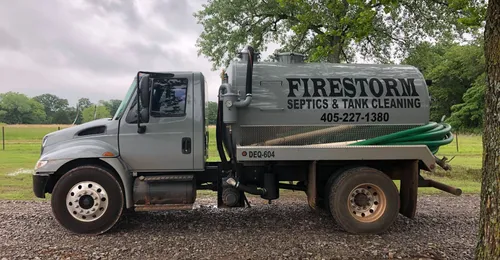
Firestorm Septics & Shelters
6114 US-177, Shawnee, OK 74804
Firestorm Septics & Shelters is a septic system and storm shelter company based in Oklahoma City, OK. They provide septic tank pumping, inspection, repair, installation, and drain field services, along with storm shelter installation. The company is known for handling septic system issues such as lateral line installation and aerobic system repairs. As a locally owned and veteran-owned business, Firestorm Septics & Shelters has built a reputation for thorough work and clear communication. They also offer after-hours service and quick response times, including weekend work when needed.

Sinni Septic
Tulsa, OK
Sinni Septic provides septic tank pumping, inspection, repair, and replacement services in Tulsa, OK. They specialize in all-inclusive aerobic septic system maintenance, which covers parts, labor, pumping, and necessary chemicals. The company conducts bi-monthly preventative maintenance visits to ensure systems are functioning properly and compliant with DEQ regulations. Sinni Septic offers 24-hour emergency response for septic tank issues and backups, aiming to restore system operation quickly.
Coppedge Septic
3635 S Sheridan Rd #151, Tulsa, OK 74145
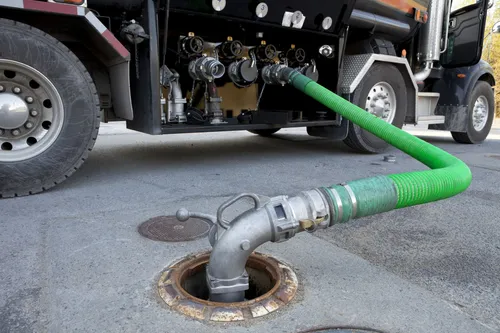
Coppedge Septic is a septic service provider located in Tulsa, OK. They offer a range of services including septic tank pumping, inspection, repair, installation, and pump replacement. Their expertise covers various system types such as aerobic, conventional, ETA, drip, and low dosing systems, as well as liftstations. The company emphasizes regular maintenance to prevent costly repairs and uses state-of-the-art equipment to support their work. Coppedge Septic provides 24/7 septic service to meet urgent needs.
Coppedge Septic Broken Arrow
4344 S 198th E Ave #3, Broken Arrow, OK 74014
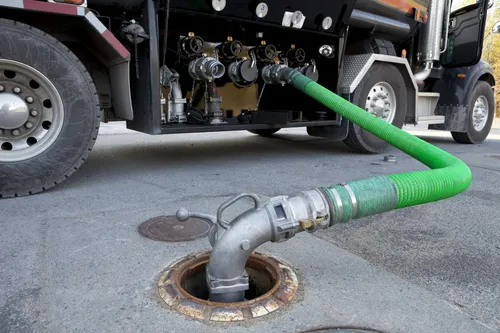
Coppedge Septic Broken Arrow is a septic service provider located in Tulsa, OK. They offer septic tank pumping, inspection, repair, and installation services, including work on aerobic, conventional, ETA, drip, and low dosing systems. The company provides expert consultation and uses state-of-the-art equipment to handle various septic system needs. Their capabilities include aerobic system installation and maintenance, as well as septic pump repair or replacement.
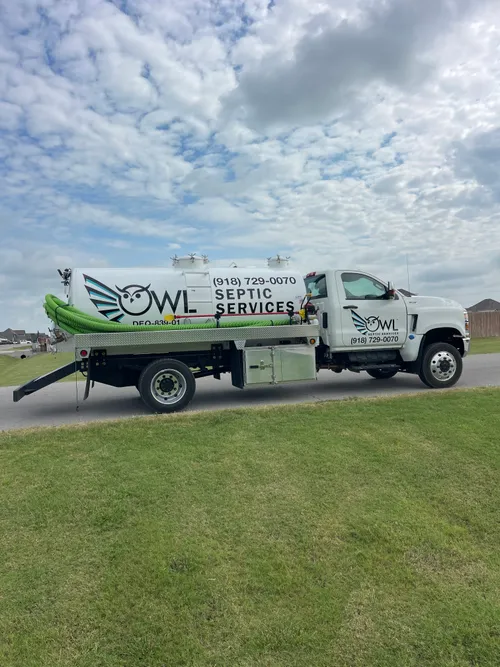
OWL Septic Services
Tulsa, OK
OWL Septic Services is a family-owned company providing septic system installation, repair, inspection, and pumping services in Tulsa, OK. They serve Tulsa and nearby communities including Owasso, Collinsville, Claremore, and Skiatook. Their certified team handles full aerobic system installations and routine maintenance to help prevent common septic issues such as scum buildup, sludge overload, and equipment malfunctions. OWL Septic Services is licensed, insured, and bonded, focusing on maintaining septic system integrity and reliability.
Common Septic System Types in Oklahoma
The type of septic system you have directly influences the kind of pump repair or replacement you might need. Oklahoma's diverse soil types and landscapes support several approved system designs.
- Aerobic Treatment Units (ATUs) with Spray or Drip Irrigation: These are among the most common systems, particularly in areas with clay soils that don't drain well. An ATU uses an electric aerator to introduce oxygen, speeding up the breakdown of waste. A crucial component is the pump, which moves the treated effluent from a secondary tank to a spray field or drip irrigation lines across your yard. Repair often involves this effluent pump, spray heads, or the aerator itself.
- Lagoon Systems: Frequently used in rural Oklahoma where space is ample, a lagoon is a shallow, constructed pond that treats wastewater. While generally low-maintenance, they may use a pump to move effluent from the septic tank to the lagoon, especially if gravity flow isn't possible.
- Conventional (Gravity-Fed) Systems: These systems rely on gravity to move liquid effluent from the tank into a network of underground perforated pipes (drain field) 1. They typically do not have pumps unless the site topography requires a lift station to move wastewater uphill.
- Low-Pressure Dose (LPD) and Drip Irrigation Systems: These are advanced systems designed for challenging sites. They use a pump or siphon to periodically dose the drain field with precise amounts of effluent, which can improve treatment and longevity 2. Drip systems have a smaller footprint and are ideal for sloped or restrictive lots but come with higher initial costs and more mechanical components that may require service.
Signs You Need Pump Repair or Replacement
Ignoring early warning signs can lead to system failure, property damage, and costly environmental clean-up. Be alert for these indicators:
- Audible or Visual Alarm: Most aerobic and pumped systems have a control panel with an alarm light or buzzer. This is often the first sign of a pump failure or high water level in the tank.
- Slow Drains and Sewage Backups: Gurgling toilets, slow-draining sinks, or backups inside your home can signal that the pump isn't moving effluent out of the tank.
- Wet Spots or Unusual Growth: Soggy ground, standing water, or unusually lush grass over the drain field or spray area can indicate that effluent is not being pumped and distributed properly, causing surfacing.
- Foul Odors: Persistent sewage smells around the tank, drain field, or especially near spray heads suggest a distribution problem often linked to pump issues.
- System Inactivity: For systems with spray heads, if you never hear or see them activate, the pump or controls may have failed.
The Repair and Replacement Process: What to Expect
When you contact a certified professional for septic pump service, they will typically follow a structured process to resolve the issue safely and in compliance with state regulations.
- Diagnosis and Inspection: The technician will first check the system's control panel for error codes. They will then inspect electrical connections, circuit breakers, float switches (which turn the pump on and off), and the pump itself for blockages or damage. They may also check the tank's sludge and scum levels to determine if pumping is needed.
- Repair vs. Replacement Decision: Simple issues like a tripped breaker, stuck float switch, or clogged impeller may be repaired. If the pump motor has failed or the unit is old, replacement is usually the most reliable solution. Aerobic system repairs might also involve fixing or replacing spray heads, cleaning filters, or servicing the aerator 3.
- Permitting and Regulations: In Oklahoma, any significant repair or replacement of a system component typically requires a permit from the Department of Environmental Quality (DEQ) or your local county health department 4. Only DEQ-certified installers are legally permitted to perform this work on aerobic and other non-conventional systems. They will handle the permitting process, ensuring all work meets state setbacks (e.g., tanks must be a minimum distance from your home) and codes 5.
- Execution of Work: For a pump replacement, the old pump is removed, the basin is cleaned, and a new, compatible pump is installed and wired correctly. The system is then tested to ensure proper operation. For spray field repairs, broken lines or heads are dug up and replaced.
- System Maintenance: After a repair, the provider will often recommend a regular maintenance schedule. For aerobic systems, many Oklahoma jurisdictions require an ongoing maintenance contract with a certified professional to ensure continuous compliance and operation 6.
Find the perfect septic pump repair companies for your needs
Get personalized recommendations and expert advice
Understanding Costs for Septic Pump Service in Oklahoma
The cost for septic pump repair or replacement varies widely based on your system type, the extent of the problem, and local labor rates. It's important to get detailed, written estimates from certified providers.
- Pump Replacement: The cost to replace a septic effluent pump can range from $500 to $1,500 or more, depending on the pump's horsepower, brand, and the complexity of access and installation 7.
- Aerobic System Repairs: Fixing spray heads, repairing drip lines, or servicing an aerator can range from a few hundred dollars for a simple part swap to over a thousand for extensive line replacement.
- Full System Context: To understand the scale, the installation cost for an entire new system in Oklahoma can range from $3,000 for a conventional system to over $8,000 for an advanced drip irrigation system8 9. Major repairs or component replacements represent a significant portion of this initial investment.
- Maintenance Contracts: Required annual maintenance contracts for aerobic systems are an additional ongoing cost but are crucial for preventing major failures.
Choosing the Right Certified Professional in Oklahoma
Your septic system is a significant investment and a key part of your property's infrastructure. Selecting the right service provider is critical.
- Verify Certification: Always ask for proof of DEQ installer certification, especially for aerobic, low-pressure, or drip systems 10. You can verify this status through the Oklahoma DEQ.
- Check for Licensing and Insurance: Ensure the company holds appropriate business licenses and carries both liability and worker's compensation insurance.
- Ask About Experience with Your System Type: Some companies specialize in certain systems (e.g., lagoons vs. ATUs). Choose one familiar with your specific setup.
- Get Detailed Estimates: A reputable professional will provide a written estimate that breaks down parts, labor, permit fees, and any potential additional charges.
- Review Maintenance Services: If you have an aerobic system, choose a provider that offers the required maintenance contract and can demonstrate a record of reliable service.
Long-Term Care After a Repair
A repair is an opportunity to reset your system's maintenance clock. Adopt these habits to protect your investment:
- Schedule Regular Pumping: Even systems with pumps need the solids tank pumped every 3-5 years to prevent sludge from clogging components 11 12.
- Adhere to Maintenance Contracts: Don't let your aerobic system contract lapse. Regular inspections catch small issues before they become expensive failures.
- Practice Water Conservation: Spreading out laundry loads and fixing leaky faucets reduces the hydraulic load on your pump and drain field.
- Mind What You Flush: Only human waste and toilet paper should go down the drain. Avoid grease, chemicals, wipes, and excessive use of garbage disposals.
Frequently asked questions
Sources
Footnotes
-
Conventional Septic Systems in Northeast Oklahoma - https://jtserviceco.com/conventional-septic-systems/ ↩
-
On-site Wastewater Treatment Systems Permitted in Oklahoma | Oklahoma State University - https://extension.okstate.edu/fact-sheets/on-site-wastewater-treatment-systems-permitted-in-oklahoma.html ↩
-
New Septic System Installations - https://reddirtseptic.com/new-septic-installations/ ↩
-
Basic Septic System Rules for Oklahoma - https://extension.okstate.edu/fact-sheets/basic-septic-system-rules-for-oklahoma.html ↩
-
How Close Can a Septic Tank Be to a House - https://www.crystalhpe.com/how-close-can-septic-tank-be-to-a-house/ ↩
-
Statewide Septic Program info - https://conservation.ok.gov/wp-content/uploads/2025/02/Statewide-Septic-Program-info-2.pdf ↩
-
Understanding the Costs of Replacing a Septic Tank and Other Components - https://www.septicblueraleigh.com/understanding-the-costs-of-replacing-a-septic-tank-and-other-components.html ↩
-
Land Buyers' Septic System Guide for Oklahoma - https://extension.okstate.edu/fact-sheets/land-buyers-septic-system-guide-for-oklahoma.html ↩
-
Exploring The Different Types of Septic Systems in Oklahoma - https://www.cycloneseptics.com/exploring-the-different-types-of-septic-systems-in-oklahoma/ ↩
-
FAQ's for Changes Effective November 1, 2025 - Oklahoma.gov - https://oklahoma.gov/deq/divisions/ecls/on-site-sewage-programs/deq-certified-installers/certified-installer-statutory-changes-11-01-25.html ↩
-
Septic Maintenance | Edmond, OK - Official Website - https://www.edmondok.gov/1515/Septic-Maintenance ↩
-
Septic Tank Management - Creek County Oklahoma - https://www.creekcountyonline.com/septic-tank-management ↩