Find the Best Septic Pump Repair Companies for Your Business
No obligation • Fast responses • Nationwide coverage

Why you can trust Septic Spot
Septic Spot is a leading United States resource for understanding and comparing septic services. Our editors review providers using consistent criteria and verify key business details. Listings and scores are independent, and companies cannot pay to influence our content.
Search providers near you
Top Septic Pump Repair Companies in Tulsa, Oklahoma Ranked
A failing septic pump can quickly turn into a major household emergency, leading to backups, odors, and potential environmental issues. Septic pump repair and replacement are critical services for maintaining a healthy, functional wastewater system on your property. This guide provides essential information about these services in Tulsa, helping you understand your options, local considerations, and how to connect with qualified professionals for your specific needs.

Sinni Septic
Tulsa, OK
Sinni Septic provides septic tank pumping, inspection, repair, and replacement services in Tulsa, OK. They specialize in all-inclusive aerobic septic system maintenance, which covers parts, labor, pumping, and necessary chemicals. The company conducts bi-monthly preventative maintenance visits to ensure systems are functioning properly and compliant with DEQ regulations. Sinni Septic offers 24-hour emergency response for septic tank issues and backups, aiming to restore system operation quickly.
Coppedge Septic
3635 S Sheridan Rd #151, Tulsa, OK 74145
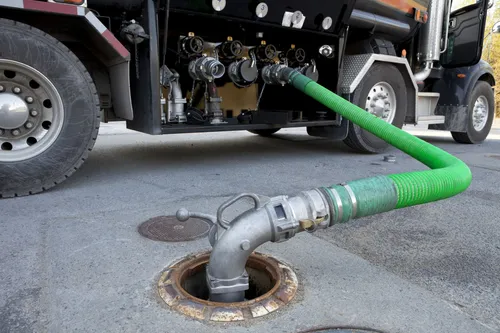
Coppedge Septic is a septic service provider located in Tulsa, OK. They offer a range of services including septic tank pumping, inspection, repair, installation, and pump replacement. Their expertise covers various system types such as aerobic, conventional, ETA, drip, and low dosing systems, as well as liftstations. The company emphasizes regular maintenance to prevent costly repairs and uses state-of-the-art equipment to support their work. Coppedge Septic provides 24/7 septic service to meet urgent needs.
Coppedge Septic Broken Arrow
4344 S 198th E Ave #3, Broken Arrow, OK 74014
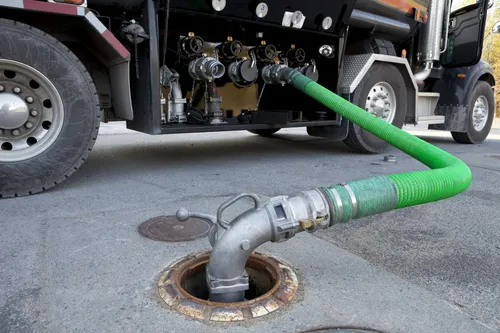
Coppedge Septic Broken Arrow is a septic service provider located in Tulsa, OK. They offer septic tank pumping, inspection, repair, and installation services, including work on aerobic, conventional, ETA, drip, and low dosing systems. The company provides expert consultation and uses state-of-the-art equipment to handle various septic system needs. Their capabilities include aerobic system installation and maintenance, as well as septic pump repair or replacement.
OWL Septic Services
Tulsa, OK
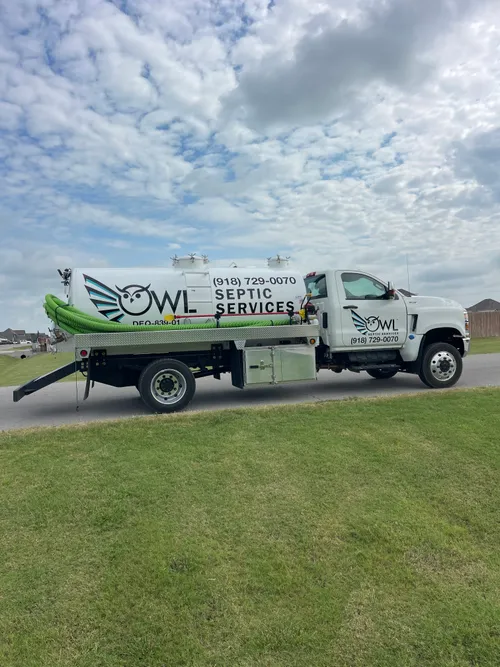
OWL Septic Services is a family-owned company providing septic system installation, repair, inspection, and pumping services in Tulsa, OK. They serve Tulsa and nearby communities including Owasso, Collinsville, Claremore, and Skiatook. Their certified team handles full aerobic system installations and routine maintenance to help prevent common septic issues such as scum buildup, sludge overload, and equipment malfunctions. OWL Septic Services is licensed, insured, and bonded, focusing on maintaining septic system integrity and reliability.
Coppedge Septic Claremore
17222 Stonehedge Ct #2, Claremore, OK 74017
Coppedge Septic Claremore provides septic tank pumping, system repair, and installation services in Tulsa, OK. They handle various septic systems including aerobic, conventional, ETA, drip, and low dosing systems, as well as lift stations. The company offers expert consultation and uses state-of-the-art equipment to support their work. Their services include septic pump repair and replacement, with a focus on regular maintenance to prevent costly issues.
Understanding Your Tulsa Septic System
Before diving into repairs, it's important to know what type of septic system you have. Tulsa and the surrounding Oklahoma areas commonly feature two main types, each with unique components that may require service.
Conventional Gravity Systems: These are the most traditional setups. Wastewater flows by gravity from the home into a septic tank, where solids settle. The liquid effluent then drains into a network of underground perforated pipes (drain field or lateral lines) where it percolates into the soil. Repairs for these systems often involve clearing or replacing clogged lateral lines, fixing damaged baffles inside the tank, or addressing issues with the tank structure itself.
Aerobic Treatment Systems (ATS): Particularly common in areas of Oklahoma with poor soil drainage, like heavy clay, aerobic systems are more complex. They use an electric aerator pump to inject oxygen into a treatment tank, fostering bacteria that break down waste more efficiently. The treated effluent is then pumped to a spray field for dispersal. Repairs for these advanced systems frequently involve the submersible effluent pump, the air compressor (aerator), spray heads, or the electrical control panel 1. Because of their mechanical and electrical components, servicing an aerobic unit requires specialized technicians familiar with these systems.
Common Septic Pump and System Repairs
When you encounter problems, they typically fall into a few categories. Identifying the symptom can help you communicate more effectively with a service provider.
- Effluent Pump Failure: This is a core issue for aerobic systems and some conventional systems with a pump chamber. A failed pump won't move treated wastewater to the drain field or spray area. Signs include alarms sounding, soggy ground around the tank (but not the drain field), and toilets draining slowly. Replacement typically costs between $500 and $2,000, depending on the pump's horsepower and accessibility.
- Aerator or Compressor Malfunction: In an aerobic system, if the aerator stops working, the treatment process halts, which can lead to odors and improperly treated wastewater. Repair or replacement of this component is a common job for ATS specialists.
- Drain Field (Lateral Line) Problems: When the soil absorption area fails, it's often the most expensive repair. Symptoms include sewage backing up into the house or surfacing in the yard. Causes can be clogging, compaction, or root intrusion. Repairing or replacing lateral lines can range from $1,500 to $8,000 or more, heavily influenced by how deep and long the lines are.
- Tank Structural Issues: Cracks, collapses, or deteriorated baffles inside the tank can allow solids to escape into the drain field, causing failure. Baffle repair or replacement may cost $300 to $1,200, while significant tank damage might necessitate a full system replacement.
- Electrical Component Failures: Both conventional (if they have pumps) and aerobic systems rely on control panels, float switches, and wiring. Issues here can prevent pumps from turning on or off correctly, leading to overflows or burnout.
The Local Impact: Tulsa's Soil and Regulations
Two major local factors significantly influence septic repair and replacement in Tulsa: geology and regulations.
Soil Conditions: Much of the soil in and around Tulsa contains heavy clay or rock layers 2. Clay absorbs water very slowly, which is why aerobic spray systems are often required. Rocky soil, however, presents a different challenge: excavation. Digging to access a tank, pump, or lateral lines can be much more difficult and costly if technicians need to use specialized equipment to "hammer rock" 2. This extra labor and equipment time is almost always reflected in a higher repair bill.
Permitting and Compliance: The Oklahoma Department of Environmental Quality (DEQ) regulates septic systems. For any major repair or full replacement, a permit is required 3 4. The permit process ensures the work is done to code and protects groundwater. Permit fees can vary, from a minimal cost for a minor repair to several hundred dollars for a new system installation 3 4. Always verify your service provider is familiar with local Tulsa County and Oklahoma DEQ permitting requirements.
The Repair and Replacement Process
Knowing what to expect can make the process less stressful. Here's a general outline a professional will follow:
- Inspection and Diagnosis: A technician will first attempt to diagnose the problem. This may involve checking the electrical control panel, listening for pump operation, using a camera to inspect lines, or pumping out the tank to access internal components.
- Permitting: For work beyond a simple component swap, the contractor will typically pull the necessary local permits.
- Excavation: The repair area is carefully excavated to expose the septic tank, pump chamber, or damaged lateral lines.
- Repair/Replacement: The faulty component-whether a pump, section of pipe, or aerator-is repaired or replaced. For a full system replacement, the old tank and lines are removed and new ones are installed according to the approved design.
- Testing and Backfill: Once the repair is complete, the system is tested for proper operation. The area is then backfilled, compacted, and restored as much as possible.
Find the perfect septic pump repair companies for your needs
Get personalized recommendations and expert advice
Cost Considerations for Tulsa Homeowners
Costs can vary widely based on the repair's complexity, your system type, and soil conditions. Here's a breakdown of typical price ranges:
- Pump Replacement: $500 - $2,000 5
- Baffle or Riser Repair: $300 - $1,200
- Lateral Line Repair: $1,500 - $8,000
- Full Septic System Replacement: $6,500 - $15,000 on average, but can exceed $40,000 for large properties or advanced treatment systems 6 7. Aerobic system installations generally fall between $5,500 and $15,000+ 8.
Why Such a Wide Range? The final price is affected by:
- System Type: Aerobic system repairs often cost more due to specialized parts.
- Extent of Damage: A single failed pump is far less expensive than a collapsed drain field.
- Excavation Difficulty: Rocky or hard clay soil increases labor and equipment time.
- Permit and Inspection Fees: Required by local authorities.
- System Size and Age: Larger systems or obsolete systems may require more extensive work.
When to Repair vs. Replace
This is a crucial decision. A professional assessment is vital, but general guidelines exist:
- Consider Repair if the problem is isolated to a single, replaceable component (like a pump or float switch), the tank is structurally sound, and the drain field is still functioning properly. Repair is almost always the more cost-effective short-term solution.
- Consider Replacement if the septic tank is cracked or collapsed, the drain field has completely failed, the system is very old and undersized for your home, or you are facing recurring repairs that are becoming a financial drain. A new system, while a significant investment, provides long-term reliability and compliance with modern standards.
Choosing a Service Provider in Tulsa
Given the importance and regulatory nature of the work, selecting the right professional is key. Look for a licensed Oklahoma septic contractor with specific experience in your type of system (especially if you have an aerobic unit). They should be knowledgeable about DEQ regulations and local soil conditions. Ask for references, verify insurance, and ensure they obtain all necessary permits for the job. A reputable provider will offer a clear, detailed estimate explaining the work, costs, and timeline.
Frequently asked questions
Sources
Footnotes
-
Exploring The Different Types of Septic Systems in Oklahoma - https://www.cycloneseptics.com/exploring-the-different-types-of-septic-systems-in-oklahoma/ ↩
-
Aerobic and Conventional Septic Systems in Northeast ... - https://jtserviceco.com/aerobic-and-conventional-septic-systems-in-northeast-oklahoma/ ↩ ↩2
-
How Much Does Septic Tank Repair Cost? [2026 Data] | Angi - https://www.angi.com/articles/how-much-does-repairing-septic-tank-cost.htm ↩ ↩2
-
Septic System Repair: Essential Guidelines for Homeowners - https://smartsepticpros.com/blog/septic-system-repair-guidelines/ ↩ ↩2
-
Septic Tank Pumping Cost: Guide & Pricing in 2025 - Splash Plumbing - https://www.splashplumbing.com/how-much-does-it-cost-to-pump-septic-tank-understanding-pricing-and-factors-involved/ ↩
-
Septic Repair vs. Replacement: A Guide to Costs & Red Flags - https://prosepticri.com/septic-repair-vs-replacement-guide/ ↩
-
How Much Does a Septic System Cost in Oklahoma? - https://www.cycloneseptics.com/how-much-does-a-septic-system-cost-in-oklahoma/ ↩
-
What is the cost of installing an aerobic septic system in Oklahoma? - https://www.facebook.com/groups/2302264926705768/posts/3968968386702072/ ↩