Find the Best Septic Pump Repair Companies for Your Business
No obligation • Fast responses • Nationwide coverage

Why you can trust Septic Spot
Septic Spot is a leading United States resource for understanding and comparing septic services. Our editors review providers using consistent criteria and verify key business details. Listings and scores are independent, and companies cannot pay to influence our content.
Search providers near you
Top Septic Pump Repair Companies in Cranston, Rhode Island Ranked
When your septic system's pump fails or your entire system shows signs of age, it's more than an inconvenience-it's a critical home maintenance issue that requires immediate professional attention. In Cranston, dealing with a malfunctioning septic pump or a failing system involves navigating local soil conditions, state regulations, and significant financial decisions. This guide helps you understand the process, costs, and local considerations for septic pump repair and full system replacement, empowering you to make informed choices for your property.
Fernco Services Inc
19 Almeida Rd, Rehoboth, MA 02769
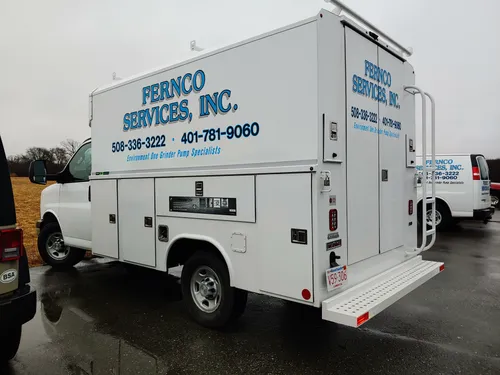
Fernco Services Inc is a locally owned company providing septic pump repair and replacement services in Providence, RI. With over 40 years of experience, they serve both residential and commercial clients across Southern Massachusetts and Rhode Island. Their expertise includes sewage pump and grinder pump repairs, with a specialization in Environment 1 and Liberty sewage grinder pumps. Fernco Services offers routine maintenance, emergency repairs, and system upgrades to ensure wastewater systems operate efficiently and reliably.

Croome Sanitation Inc
26 Hillside Ave, Rehoboth, MA 02769
Croome Sanitation Inc is a family-owned septic service company serving Providence, RI, and the surrounding areas of Southeast Massachusetts and Rhode Island. Established in 1962, the company offers a wide range of septic system services including pumping, Title 5 inspections, sewer camera diagnostics, pump station maintenance, and excavation work. Their expertise extends to wastewater treatment systems, providing comprehensive care to maintain system health and compliance with local regulations. Croome Sanitation also offers same-day and emergency services to address urgent septic needs.
Understanding Your Septic System's Components
A conventional septic system is more than just a tank. It's a wastewater treatment system typically consisting of a septic tank and a soil absorption field, often called a drainfield or leach field. The tank separates solids from liquids, allowing clarified effluent to flow out to the drainfield for final treatment in the soil. In many Cranston homes, especially those in areas with challenging topography or high groundwater, a septic pump (or effluent pump) is a crucial component. This pump lifts effluent from the tank to a drainfield located at a higher elevation or distributes it evenly in a pressurized dosing system.
When you hear gurgling drains, see sewage backups, or notice alarm lights, the issue often points to the pump station or related components. Understanding whether you need a simple component fix or a major system overhaul starts with knowing what each part does.
Common Reasons for Pump and System Failure in Cranston
Cranston's specific geography plays a major role in system stress and failure. Two primary local factors drive the need for repair or replacement:
Soil Type (Rocky or Clay): Significant areas of Cranston have shallow bedrock (ledge) or dense clay soils. These soils have very poor percolation rates, meaning they don't absorb liquid efficiently. A conventional drainfield installed in such soil is prone to premature failure, leading to soggy yards and sewage surfacing. When repair involves the drainfield, the solution often isn't a simple fix but requires a completely different, engineered system.
High Groundwater and Wetland Proximity: Properties near wetlands or with naturally high water tables present another challenge. When the groundwater level rises above the drainfield, it can't function. In these cases, systems are designed with pumps to dose the drainfield in controlled amounts. Failure of these pumps leads to immediate system shutdown and potential sewage backup into the home.
Additionally, many older Rhode Island homes, including those in Cranston, were built with cesspools-simple underground pits that collect wastewater without treatment. State regulations now require cesspools to be replaced with modern septic systems upon failure or property transfer, rather than repaired.
The Repair vs. Replacement Decision
Facing a system problem, the first question is whether to repair the existing components or invest in a full replacement. This decision hinges on the diagnosis, the system's age, and the condition of the drainfield.
When Repair is Viable: If the problem is isolated to a mechanical component, repair is often the best path. Common repairable issues include:
- A failed effluent pump or sump pump.
- Malfunctioning float switches that control the pump.
- Clogged or damaged inlet/outlet pipes or tank baffles.
- Minor tank cracks (if professionally sealed).
A professional inspection, typically costing between $200 and $600, can pinpoint these issues 1. Repairing a pump or float switch might range from $300 to $5,000, while fixing baffles or pipes can cost $200 to $1,200.
When Replacement is Necessary: Certain red flags indicate that patching the system is a temporary and costly band-aid. Full system replacement is likely needed if you encounter:
- A persistently soggy or foul-smelling drainfield area, even after pumping the tank.
- Sewage backing up into household drains frequently.
- Contamination of nearby wells or surface water.
- An old, failing cesspool.
- A drainfield that has failed due to poor native soil.
In Cranston, where soil conditions are often suboptimal, a drainfield failure frequently means the entire soil absorption area needs to be replaced, which is a major part of a full system overhaul.
Find the perfect septic pump repair companies for your needs
Get personalized recommendations and expert advice
The Step-by-Step Process for Major Work
For any significant septic pump repair or system replacement in Rhode Island, the process is regulated and follows a defined sequence to protect public health and the environment.
- Inspection and Diagnosis: A licensed septic professional assesses the entire system, often using tank pumping and a camera scope, to determine the exact cause and extent of failure.
- System Design and Permitting: This is a critical step, especially in Cranston. For any new drainfield or alternative system, a Rhode Island Licensed Designer (Class I or II) must create a site-specific design. This plan accounts for soil tests, lot size, and groundwater levels. The design is then submitted to the RI Department of Environmental Management (RIDEM) for approval. This permitting phase is non-negotiable and ensures the system will function properly.
- Excavation and Installation: Once permits are secured, licensed excavation contractors perform the work. This involves removing the old components (if necessary), installing the new tank and pump chamber, and constructing the new drainfield according to the approved design.
- Final Inspection and Approval: After installation, a representative from RIDEM or the local city authority conducts a final inspection. Only after this approval is the system considered legal and operational 2 3.
Cost Breakdown for Cranston Homeowners
Costs for septic work in Cranston vary widely based on system type, soil, and project scope. Here's a general overview of what you might expect:
- Pump or Float Replacement: $300 - $5,000 4.
- Baffle or Pipe Repair: $200 - $1,200.
- Drainfield Replacement: $5,000 - $15,000 5.
- Full Conventional System Replacement: $15,000 - $35,000+ 6.
- Innovative/Alternative (I/A) System Installation: $25,000 - $50,000+ 7 8.
The higher end of these ranges is common in Cranston due to the frequent need for Alternative Systems. When native soil won't perk, engineers must design mound systems, sand filters, or other I/A technologies. These systems are more complex, require more materials (like special sand), and involve more sophisticated pumps and controls, leading to significantly higher costs 9.
Financial Assistance: The Cranston Septic System Loan Program
Recognizing the high burden of unexpected septic system costs, the City of Cranston offers a valuable resource: the Cranston Community Septic System Loan Program (CSSLP). This program provides low-interest loans to qualified homeowners to finance the repair or replacement of failed septic systems and cesspools. Key features include:
- Loan amounts from $1,000 up to $30,000.
- Terms of up to 10 years.
- Designed to make necessary environmental health projects affordable.
This program can be a crucial tool for managing the upfront cost of a major septic pump overhaul or a complete new system installation 10.
Choosing the Right Professional for the Job
Given the technical and regulatory complexity, selecting the right contractor is paramount. Look for a professional or company that holds the appropriate Rhode Island licenses for both system design (if needed) and installation. They should be intimately familiar with RIDEM regulations and the specific soil challenges in the Cranston area. Don't hesitate to ask for references, proof of insurance, and details about their experience with alternative system designs. A reputable provider will guide you through the entire process, from diagnosis and design to permitting and final inspection.
Frequently asked questions
Sources
Footnotes
-
Septic Pump Station Repair in Johnston, RI - https://www.wrenvironmental.com/johnston-ri/residential/septic-pump-station-repair/ ↩
-
Procedure to Repair or Replace | South Kingstown, RI - https://www.southkingstownri.gov/388/Procedure-to-Repair-or-Replace ↩
-
Septic Systems | Rhode Island Department of Environmental ... - https://dem.ri.gov/ri-stormwater-solutions/take-action/simple-steps/septic-systems.php ↩
-
Replacing a Cesspool vs. Septic System - Rhode Island - https://www.rockhouseconstruction.com/replacing-a-cesspool-vs-septic-system-rhode-island ↩
-
How Long Does a Septic System Last in Rhode Island? - https://www.rockhouseconstruction.com/how-long-does-a-septic-system-last-in-rhode-island ↩
-
Septic Repair vs. Replacement: A Guide to Costs & Red Flags - https://prosepticri.com/septic-repair-vs-replacement-guide/ ↩
-
Cost of Replacing a Septic System in Rhode Island - https://www.rockhouseconstruction.com/cost-of-replacing-a-septic-system-in-rhode-island ↩
-
Septic Repair vs. Replacement: How to Decide What's Best for Your System - https://www.townesseptic.com/blog/septic-repair-vs-replacement ↩
-
How Soil Type Affects Septic System Performance - https://www.septicblueraleigh.com/how-your-soil-determines-your-septic-systems-success.html ↩
-
Cranston - Community Septic System Loan Program (CSSLP) - https://www.cranstonri.gov/csslp/ ↩