Find the Best Septic Pump Repair Companies for Your Business
No obligation • Fast responses • Nationwide coverage

Why you can trust Septic Spot
Septic Spot is a leading United States resource for understanding and comparing septic services. Our editors review providers using consistent criteria and verify key business details. Listings and scores are independent, and companies cannot pay to influence our content.
Search providers near you
Top Septic Pump Repair Companies in Providence, Rhode Island Ranked
Maintaining a functional septic system is crucial for any Providence homeowner. When a pump fails or components wear out, it can lead to backups, odors, and serious environmental issues. Septic pump repair and replacement services address the mechanical heart of your system, ensuring wastewater is properly moved from the tank to the drainfield. This guide helps you understand the local factors, costs, and processes involved in fixing or replacing a septic pump in Providence, so you can find qualified local professionals to restore your system's health.
Fernco Services Inc
19 Almeida Rd, Rehoboth, MA 02769
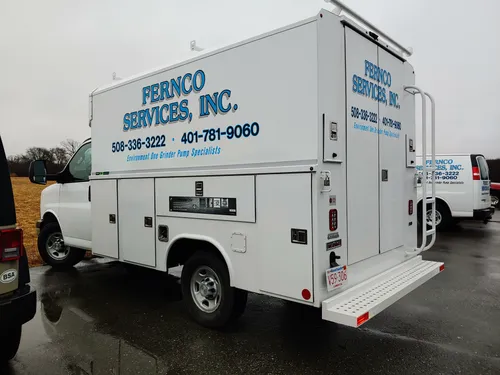
Fernco Services Inc is a locally owned company providing septic pump repair and replacement services in Providence, RI. With over 40 years of experience, they serve both residential and commercial clients across Southern Massachusetts and Rhode Island. Their expertise includes sewage pump and grinder pump repairs, with a specialization in Environment 1 and Liberty sewage grinder pumps. Fernco Services offers routine maintenance, emergency repairs, and system upgrades to ensure wastewater systems operate efficiently and reliably.

Croome Sanitation Inc
26 Hillside Ave, Rehoboth, MA 02769
Croome Sanitation Inc is a family-owned septic service company serving Providence, RI, and the surrounding areas of Southeast Massachusetts and Rhode Island. Established in 1962, the company offers a wide range of septic system services including pumping, Title 5 inspections, sewer camera diagnostics, pump station maintenance, and excavation work. Their expertise extends to wastewater treatment systems, providing comprehensive care to maintain system health and compliance with local regulations. Croome Sanitation also offers same-day and emergency services to address urgent septic needs.
Understanding Your Providence Septic System
Before diving into repairs, it's important to know what type of system you have. Most residential systems in Rhode Island consist of a septic tank and a soil absorption field (drainfield). The septic pump, often called an effluent pump, is a critical component in many systems, especially if your drainfield is located at a higher elevation than the tank or if you have a more complex system design. Its job is to move treated liquid effluent from the tank to the distribution box and out into the drainfield.
In Providence and surrounding areas, system designs must account for local conditions. Two primary factors influence both the original installation and any necessary repairs or replacements: soil type and water table.
Local Soil and Water Conditions
Rhode Island features diverse soils that directly impact septic system performance and repair strategies.
- Sandy Soils: Common in some coastal areas, these soils drain very quickly. While this sounds beneficial, fast drainage can mean less natural filtration of pathogens before wastewater reaches groundwater. Systems in sandy areas sometimes require specialized designs or more frequent monitoring.
- Clay Soils: These soils offer excellent filtration but have very poor drainage. In areas with heavy clay, a standard drainfield may fail quickly due to saturation. Engineered systems with pumps, raised beds, or advanced treatment components are often necessary.
- High Water Table: Seasonal groundwater levels are a significant concern in many parts of Rhode Island. A high water table can flood a drainfield, causing it to fail. Repairs or replacements in these conditions often require specific designs, such as raised mound systems, to ensure the drainfield remains above the saturated zone and functions properly 1.
Common Septic Pump and System Repairs
Not every system problem requires a full replacement. Many issues can be resolved with targeted repairs. Licensed technicians in Providence are trained to diagnose and fix these common failures:
- Pump or Float Replacement: The most direct repair for a system that isn't moving effluent. The pump itself can burn out, or the float switches that control its on/off cycle can fail. This is often the fix when alarms are sounding or drains are backing up.
- Baffle or Riser Repair: The baffles in your tank (inlet and outlet) direct the flow of wastewater and prevent scum and sludge from exiting the tank. If these are damaged, solids can clog the pump or drainfield. Risers provide access to the tank; repairing cracked or damaged risers is essential for safety and future maintenance.
- Pipe and Lateral Line Repair: The network of pipes carrying effluent from the pump to the drainfield can crack, collapse, or become blocked by roots. Repairing or replacing sections of pipe can restore proper distribution.
- Control Panel Issues: For systems with advanced components or alarms, the electrical control panel may malfunction, preventing the pump from operating correctly.
A professional inspection is the first step to determine if a repair is sufficient or if a replacement is unavoidable 2.
When Repair Turns to Replacement
There comes a point when patching a system is no longer cost-effective or environmentally sound. Understanding the red flags can save you from repeated repair bills.
Signs You May Need a Full System Replacement:
- Persistent Drainfield Failure: If sewage is surfacing in your yard or drains are constantly slow despite recent tank pump-outs, the soil in your drainfield may be permanently clogged (a condition called "biomat" failure).
- Major Component Failure: A cracked tank or completely collapsed pipe network often necessitates a full replacement.
- Cesspool Systems: Many older Rhode Island homes, including some in Providence, were built with cesspools-simple underground pits that collect wastewater without treatment. The Rhode Island Department of Environmental Management (DEM) requires failing cesspools to be replaced with modern septic systems, not repaired.
- System is Under-Sized: If you've added bedrooms or bathrooms to your home, the original system may no longer be legally sized to handle the increased wastewater flow, requiring an upgrade.
Find the perfect septic pump repair companies for your needs
Get personalized recommendations and expert advice
The Repair and Replacement Process in Providence
Any significant work on a septic system in Rhode Island is regulated to protect public health and groundwater. Following the correct procedure is not just a recommendation-it's the law.
- Inspection and Diagnosis: A licensed septic professional will perform a thorough inspection, often including a tank pump-out, to assess the condition of all components-tank, pump, distribution box, and drainfield. This diagnosis determines whether repair or replacement is the appropriate path.
- Licensed Design and Permitting: For most repairs beyond a simple pump swap, and for all replacements, a system design by a state-licensed Class I or II designer is required. This designer creates a plan that complies with all Rhode Island DEM and local health codes, accounting for your specific soil and site conditions. This design plan is then submitted to the RI DEM for a permit 3.
- Execution of Work: Once permits are secured, licensed septic contractors can begin the physical work. This may involve excavating to access the tank and drainfield, removing old components, and installing new ones according to the approved design.
- Final Inspection and Approval: After installation, a final inspection by the approving authority (often the DEM) is required to close the permit and certify that the work meets all state standards.
Cost Guide for Septic Services in Providence
Costs for septic work vary widely based on the scope of the problem, soil conditions, and system type. The following ranges are typical for the Providence area 4 5 6:
- Pump or Control Components Repair: $800 - $5,000. Replacing a failed effluent pump and its associated floats or control panel.
- Baffle or Riser Repair: $300 - $1,200. Fixing or replacing the concrete or plastic baffles and tank access risers.
- Pipe or Lateral Line Repair: $1,500 - $8,000. Excavating and repairing broken pipes between the tank and drainfield.
- Partial Drainfield Repair: $3,000 - $15,000. Replacing a section of a failed drainfield, if the rest of the system is sound.
- Full System Replacement: $15,000 - $35,000+. The cost to completely replace a traditional septic tank and drainfield system. Replacing a cesspool or installing a complex engineered system for difficult sites (like those with high water tables or poor soil) will be at the higher end of this range or above.
- Site Evaluation & Design Fees: $1,500 - $4,000. The cost for soil testing, percolation tests, and the creation of the engineered design plans required for permitting.
Protecting Your Investment with Maintenance
The best way to avoid a costly emergency repair or replacement is through consistent, proactive maintenance. The University of Rhode Island and the EPA recommend having your system inspected every 2-3 years and pumped as needed, typically every 3-5 years for an average household 7 8 9. Regular pumping removes solids that could otherwise clog the pump, float switches, and drainfield. Simple habits like conserving water, avoiding pouring grease down drains, and not using the toilet as a trash can will significantly extend the life of your entire system, including the pump.
Frequently asked questions
Sources
Footnotes
-
How Septic Systems Impact Groundwater in Rhode Island - https://www.rockhouseconstruction.com/how-septic-systems-impact-groundwater-in-rhode-island ↩
-
Septic Repair vs. Replacement: What's Best for Your System - https://www.townesseptic.com/blog/septic-repair-vs-replacement ↩
-
Procedure to Repair or Replace | South Kingstown, RI - https://www.southkingstownri.gov/388/Procedure-to-Repair-or-Replace ↩
-
Replacing a Cesspool vs. Septic System - Rhode Island - https://www.rockhouseconstruction.com/replacing-a-cesspool-vs-septic-system-rhode-island ↩
-
Septic Repair vs. Replacement: A Guide to Costs & Red Flags - https://prosepticri.com/septic-repair-vs-replacement-guide/ ↩
-
Cost of Replacing a Septic System in Rhode Island - https://www.rockhouseconstruction.com/cost-of-replacing-a-septic-system-in-rhode-island ↩
-
Septic Systems | Rhode Island Department of Environmental ... - https://dem.ri.gov/ri-stormwater-solutions/take-action/simple-steps/septic-systems.php ↩
-
New Homebuyer's Guide to Septic Systems - EPA - https://www.epa.gov/sites/default/files/2017-08/documents/170803-homebuyerssepticguide_508c.pdf ↩
-
Maintaining your Septic System - The University of Rhode Island - https://web.uri.edu/owt/wp-content/uploads/sites/2062/Maintaining-Your-Septic-System.pdf ↩