Find the Best Septic Pump Repair Companies for Your Business
No obligation • Fast responses • Nationwide coverage

Why you can trust Septic Spot
Septic Spot is a leading United States resource for understanding and comparing septic services. Our editors review providers using consistent criteria and verify key business details. Listings and scores are independent, and companies cannot pay to influence our content.
Search providers near you
Top Septic Pump Repair Companies in Warwick, Rhode Island Ranked
A failing septic pump or a malfunctioning septic system can quickly become a homeowner's worst nightmare, leading to backups, odors, and potential environmental hazards. Septic pump repair and replacement services are critical for maintaining a safe, functional wastewater treatment system on your property. This guide explains the process, costs, and local considerations for septic system work in Warwick, helping you understand your options and connect with qualified local professionals to address your needs.
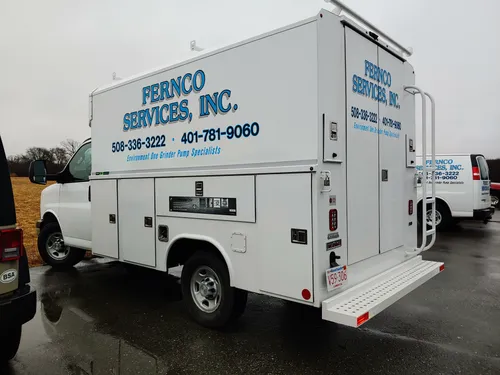
Fernco Services Inc
19 Almeida Rd, Rehoboth, MA 02769
Fernco Services Inc is a locally owned company providing septic pump repair and replacement services in Providence, RI. With over 40 years of experience, they serve both residential and commercial clients across Southern Massachusetts and Rhode Island. Their expertise includes sewage pump and grinder pump repairs, with a specialization in Environment 1 and Liberty sewage grinder pumps. Fernco Services offers routine maintenance, emergency repairs, and system upgrades to ensure wastewater systems operate efficiently and reliably.

Croome Sanitation Inc
26 Hillside Ave, Rehoboth, MA 02769
Croome Sanitation Inc is a family-owned septic service company serving Providence, RI, and the surrounding areas of Southeast Massachusetts and Rhode Island. Established in 1962, the company offers a wide range of septic system services including pumping, Title 5 inspections, sewer camera diagnostics, pump station maintenance, and excavation work. Their expertise extends to wastewater treatment systems, providing comprehensive care to maintain system health and compliance with local regulations. Croome Sanitation also offers same-day and emergency services to address urgent septic needs.
Understanding Your Septic System in Warwick
A residential septic system is an on-site wastewater treatment plant. In Warwick, as in much of Rhode Island, these systems are common in areas not served by municipal sewer lines. The system typically consists of a septic tank, where solids settle and begin to decompose, and a drainfield (or leach field), where the treated liquid effluent is dispersed into the soil for final purification. A crucial component in many systems, especially those with challenging topography or soil, is the septic pump. This pump, housed in a separate chamber or the tank itself, moves effluent from the tank to the drainfield. When this pump or its related controls fail, the entire system can stop working properly, necessitating prompt repair or replacement.
Why Local Soil and Water Conditions Matter
The success of any septic system repair or installation in Warwick is heavily influenced by local environmental factors. Rhode Island's geology varies, and these variations directly impact system design and cost.
- Soil Type: Sandy soils, found in some areas, allow for rapid percolation and may permit the use of conventional, gravity-fed systems. However, many parts of the state have soils with high clay content. Clay drains very slowly, which can cause effluent to pool and the system to fail. In these cases, an engineered or alternative system may be required 1.
- High Water Table: Warwick's proximity to Narragansett Bay and numerous waterways means some properties have a seasonally high groundwater table. If the water table is too close to the drainfield, it can saturate the soil and prevent proper treatment of effluent. In such situations, a conventional system is not feasible, and a raised bed (mound) system or a pressure-distribution system that includes a pump is often necessary 2.
- System Types: Understanding the type of system you have is key.
- Conventional Gravity Systems: Rely on gravity to move effluent to the drainfield. These are generally less expensive but are only suitable for ideal sites.
- Alternative/Innovative (I/A) Systems: These often include pumps, aerators, or advanced treatment components. They are designed for sites with poor soil or high water and are mandatory in Rhode Island when a conventional system cannot be installed. State law requires these systems to be under a maintenance contract with a licensed professional 3.
- Cesspools: Older properties may still have cesspools, which are simply pits that collect wastewater. Rhode Island law requires cesspools to be replaced with a modern septic system upon property transfer or when they fail.
The Process of Septic Pump and System Work
Whether you're dealing with a simple pump repair or a full system replacement, the process in Warwick follows a regulated path to ensure public and environmental health.
- Inspection and Diagnosis: The first step is always a thorough inspection by a licensed septic professional. They will assess the tank, check the pump and float switches, test the alarm system, and evaluate the drainfield. This inspection, typically costing between $200 and $600, determines whether a repair is possible or if replacement is necessary 4 5.
- Design and Permitting: If repair or replacement is needed, a licensed system designer (Class I or II in RI) must create a plan. This plan must comply with Rhode Island Department of Environmental Management (RIDEM) regulations and local town ordinances. The plan is submitted for approval, and the necessary permits must be obtained before any work begins. This phase includes soil tests and site evaluations 6.
- Repair or Installation: For a pump repair, this involves replacing the submersible pump, control panel, float switches, or alarm. For a full system replacement, it involves excavating, removing the old system, and installing the new tank, pump chamber (if needed), and drainfield according to the approved design.
- Final Inspection: Once work is complete, a final inspection by the RIDEM or the local town authority is required to ensure the installation meets all codes and regulations. The system cannot be used until it passes this inspection 7.
Find the perfect septic pump repair companies for your needs
Get personalized recommendations and expert advice
Cost Breakdown for Septic Services in Warwick
Costs for septic work can vary widely based on the scope of the project, soil conditions, and the type of system required. The figures below are typical ranges for the Warwick area 8 9.
- Septic Pump and Control Repair/Replacement: Replacing a failed pump, control floats, or the alarm system typically ranges from $800 to $5,000. The cost depends on the pump's horsepower, the complexity of the electrical components, and the accessibility of the tank.
- Tank Component Repair: Fixing or replacing tank baffles, tees, or risers generally costs between $300 and $1,200. These repairs are crucial for preventing solids from clogging the outlet and damaging the pump or drainfield.
- Partial Drainfield Repair: If only a portion of the leach field has failed, a limited repair or expansion may be possible, costing between $3,000 and $15,000.
- Full Conventional System Replacement: Completely replacing a failed septic tank and drainfield with a new conventional gravity system typically costs $15,000 to $35,000.
- Full Alternative (I/A) System Replacement: For sites requiring an advanced treatment system due to soil or water table issues, replacement costs can range from $25,000 to $50,000 or more.
- Design and Permit Fees: The costs for soil testing, system design, and town/RIDEM permits are separate and usually add $2,000 to $6,000 to the total project cost.
Maintaining Your System to Avoid Costly Repairs
Proactive maintenance is the most effective way to avoid emergency septic pump repairs or premature system failure.
- Pump Regularly: Have your septic tank pumped by a professional every 2 to 5 years, depending on household size and usage. This prevents solids from overflowing into the drainfield.
- Conserve Water: Spread out laundry loads and fix leaky faucets to avoid overloading the system.
- Mind What You Flush: Never flush anything besides human waste and toilet paper. Avoid grease, chemicals, wipes, and feminine hygiene products.
- Clean Effluent Filters: If your tank has an effluent filter (installed on the outlet pipe), have it cleaned during routine pumping to prevent clogs that can burn out the pump 10.
- Avoid Additives: Commercial septic tank additives are not necessary and can sometimes harm the bacterial balance in your tank or cause other damage 11.
- Protect the Drainfield: Never drive or park vehicles on the drainfield, and keep roof drains and sump pumps directed away from it.
Signs You Need Septic Pump or System Attention
Don't wait for a complete failure. Contact a professional if you notice:
- Sewage backups in household drains or toilets.
- Gurgling sounds in your plumbing.
- Slow draining sinks, showers, or tubs.
- Unpleasant odors around the septic tank or drainfield area.
- Exceptionally lush, green grass or soggy, wet spots over the drainfield.
- The septic alarm is sounding or blinking.
Ignoring these signs can lead to more extensive environmental damage, much higher repair costs, and potential health department violations 12.
Frequently asked questions
Sources
Footnotes
-
How Soil Type Affects Septic System Performance - https://www.septicblueraleigh.com/how-your-soil-determines-your-septic-systems-success.html ↩
-
Failed Septic on RI Home Inspection - Replacement - https://www.rockhouseconstruction.com/failed-septic-on-ri-home-inspection-replacement ↩
-
Alternatives to conventional septic systems to treat on-site wastewater - https://www.canr.msu.edu/news/alternatives_conventional_septic_systems_to_treat_on-site_wastewater ↩
-
Septic Repair vs. Replacement: A Guide to Costs & Red Flags - https://prosepticri.com/septic-repair-vs-replacement-guide/ ↩
-
Septic Repair vs. Replacement: What's Best for Your System - https://www.townesseptic.com/blog/septic-repair-vs-replacement ↩
-
Septic Pump Station Repair in Johnston, RI - https://www.wrenvironmental.com/johnston-ri/residential/septic-pump-station-repair/ ↩
-
Procedure to Repair or Replace | South Kingstown, RI - https://www.southkingstownri.gov/388/Procedure-to-Repair-or-Replace ↩
-
Replacing a Cesspool vs. Septic System - Rhode Island - https://www.rockhouseconstruction.com/replacing-a-cesspool-vs-septic-system-rhode-island ↩
-
Cost of Replacing a Septic System in Rhode Island - https://www.rockhouseconstruction.com/cost-of-replacing-a-septic-system-in-rhode-island ↩
-
Maintaining your Septic System - The University of Rhode Island - https://web.uri.edu/owt/wp-content/uploads/sites/2062/Maintaining-Your-Septic-System.pdf ↩
-
Septic Systems | Rhode Island Department of Environmental ... - https://dem.ri.gov/ri-stormwater-solutions/take-action/simple-steps/septic-systems.php ↩
-
Ignoring Septic System Problems in Rhode Island? What Happens - https://www.rockhouseconstruction.com/ignoring-septic-system-problems-in-rhode-island-what-happens ↩