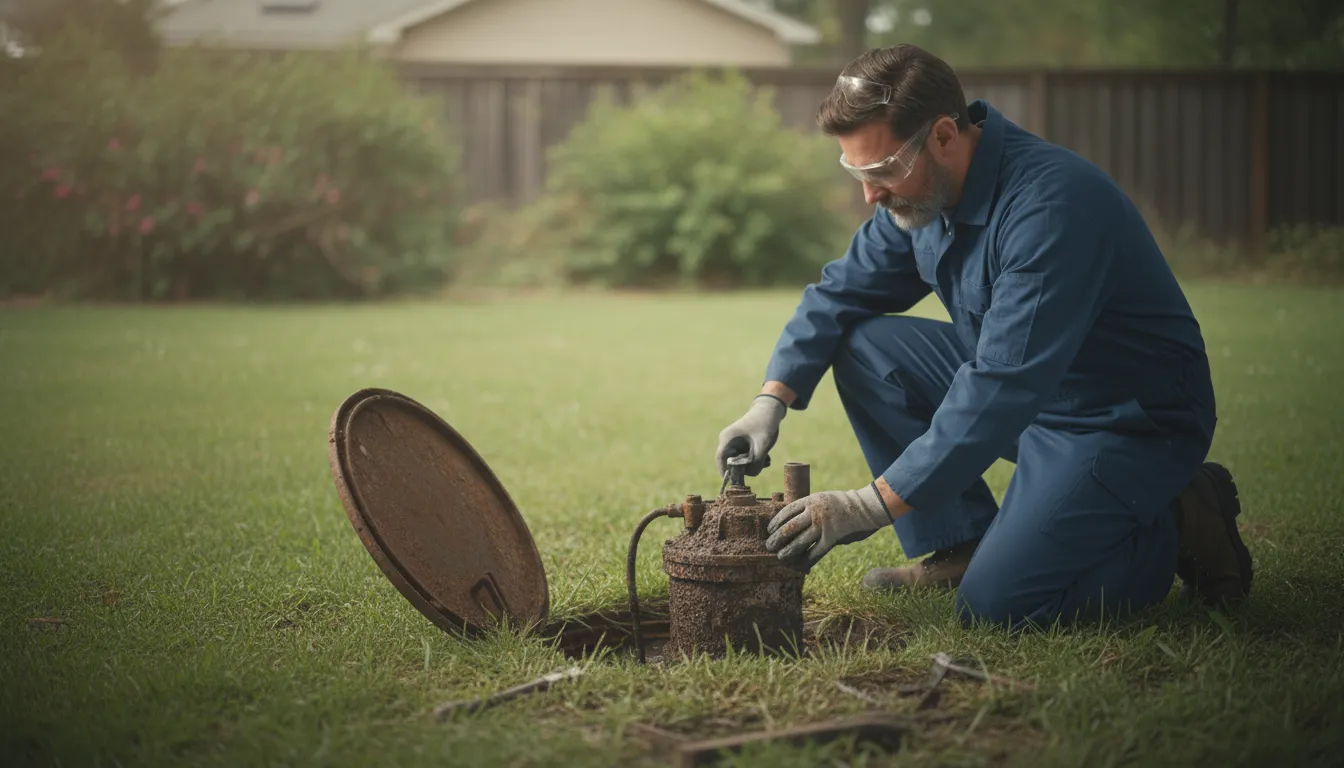
Find the Best Septic Pump Repair Companies for Your Business
No obligation • Fast responses • Nationwide coverage

Why you can trust Septic Spot
Septic Spot is a leading United States resource for understanding and comparing septic services. Our editors review providers using consistent criteria and verify key business details. Listings and scores are independent, and companies cannot pay to influence our content.
Search providers near you
Top Septic Pump Repair Companies in Portsmouth, Virginia Ranked
Maintaining a functional septic system is critical for any home not connected to a municipal sewer line. In Portsmouth, VA, this is especially true due to the region's unique coastal geography, which places specific demands on septic pumps and drainfields. When a septic pump fails or components wear out, timely repair or replacement is essential to prevent backups, property damage, and environmental contamination. This guide explains the local challenges, common repair scenarios, and how to connect with licensed, VDH-certified professionals who can diagnose and fix your system efficiently.
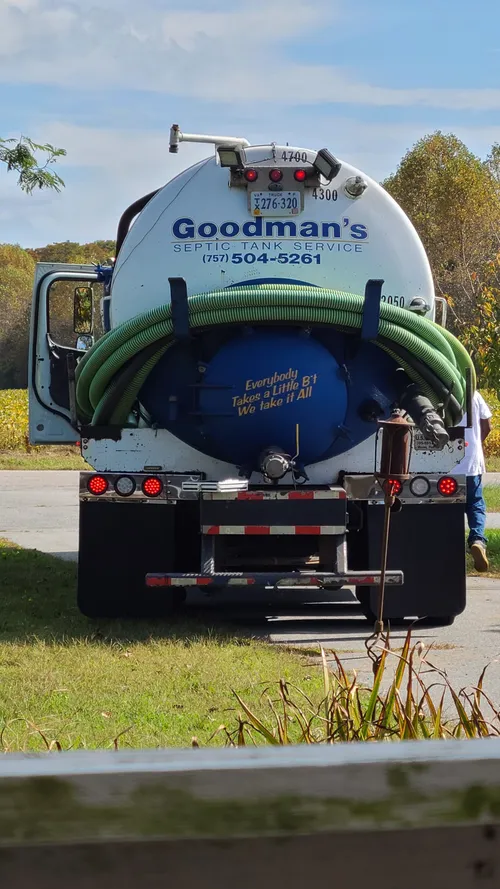
Goodman's Septic Tank Svc
Virginia Beach, VA
Goodman's Septic Tank Svc is a family-owned company serving Virginia Beach, VA, and nearby areas since 2010. They provide septic tank cleaning, pumping, and repair services for both residential and commercial clients. Their offerings include septic tank and grease trap cleaning, pump service and repairs, as well as plumbing sewer and drain cleaning. The company is equipped to handle a range of maintenance needs and offers 24-hour septic service for urgent situations.
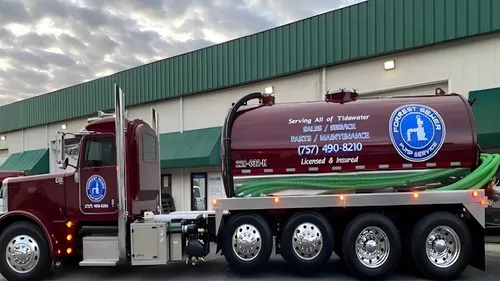
Forrest Sewer Pump Service
553 S Birdneck Rd Suite 218, Virginia Beach, VA 23451
Forrest Sewer Pump Service is a locally owned business serving Virginia Beach, VA, and the Hampton Roads area. With over 30 years of experience, they provide sewer pump repair, pump station maintenance, grease trap cleaning, and emergency pumping services for both commercial and residential clients. Their licensed technicians and electricians handle a range of tasks including line jetting, electrical component repairs, and control panel installation. Forrest Sewer Pump Service is certified as Onsite Sewage System Installers and Operators, ensuring professional and knowledgeable service across the region.
Understanding Portsmouth's Unique Septic System Challenges
Portsmouth's location in Virginia's coastal plain creates a set of environmental conditions that directly impact septic system performance and longevity. These factors often dictate the type of system installed and influence the nature of repairs needed.
High Water Tables and Tidal Influence: The area's proximity to water means the groundwater level is often very high, especially during wet seasons or high tides. A conventional gravity-fed septic system relies on soil to absorb and treat effluent. In waterlogged soil, this absorption fails, leading to system failure. Consequently, many homes in Portsmouth require specialized systems, such as those with effluent pumps that actively move wastewater to a raised drainfield (mound system) or to a different soil area 1. These pump systems have more mechanical and electrical components that are subject to wear and require specific expertise to repair.
Clay and Slow-Draining Soils: The prevalent soil types in the region often have high clay content, which absorbs water very slowly 2. This poor percolation rate is a leading cause of drainfield failure, as the soil cannot accept the volume of effluent being discharged. When a drainfield fails, it's rarely a simple fix; it often requires significant repair or a complete redesign of the absorption area, sometimes involving pressurized dosing systems to distribute effluent more evenly.
Prevalence of Alternative Systems: Due to the difficulty of installing effective conventional systems, many Portsmouth properties utilize Alternative Onsite Sewage Systems (AOSS), such as aerobic treatment units (ATUs) or other engineered systems 3 4. These systems incorporate pumps, aerators, alarms, and control panels-all of which are potential points of failure. Repairing these components requires technicians certified by the Virginia Department of Health (VDH) to work on such complex systems.
Common Septic Pump and System Repairs
When you notice signs of trouble-like slow drains, soggy ground over the drainfield, or alarm sounds-a licensed contractor will typically follow a diagnostic process. Understanding the common repairs can help you know what to expect.
Inspection and Diagnostics: The first step is a thorough inspection. A contractor will locate and open the septic tank to check scum and sludge levels, inspect the baffles, and test all mechanical components. For pump systems, this includes checking the effluent pump, float switches, control panel, and alarm system 5. This diagnosis determines whether the issue is a simple component failure or a symptom of a larger system-wide problem.
Pump and Electrical Component Replacement: This is one of the most frequent repairs for homes with pump-assisted or alternative systems. The effluent pump itself can burn out, or float switches that control the pump's operation can fail. Repairing or replacing a septic pump, along with associated electrical components, typically ranges from $800 to $5,000, depending on the pump's capacity and accessibility.
Lateral and Pipe Repair: The pipes that carry effluent from the tank to the drainfield (laterals) can become clogged with solids or tree roots. Excavating and replacing these lines is a common repair, with costs generally falling between $1,500 and $8,0006 7.
Drainfield Remediation: When the soil absorption area fails, options range from partial repair to full replacement. Techniques like installing new drain lines in a different part of the yard or adding a new seepage pit can cost between $3,000 and $15,000. In cases of severe failure, a completely new drainfield may be necessary.
Find the perfect septic pump repair companies for your needs
Get personalized recommendations and expert advice
The Cost Spectrum: Repair vs. Full System Replacement
Cost is a primary concern for homeowners facing septic issues. The decision between a targeted repair and a full replacement hinges on the system's age, the extent of the damage, and local soil conditions.
Typical Repair Costs in Portsmouth:
- Pump Replacement: $800 - $2,000 8
- Minor Repairs (baffle, inlet/outlet pipe): $300 - $1,200
- Partial Drainfield Repair: $3,000 - $15,000
When Replacement Becomes Necessary: If the tank is structurally compromised, the drainfield is completely saturated and cannot be remediated, or the system is very old and failing repeatedly, full replacement is often the most viable long-term solution. In Portsmouth, where alternative systems are common, a full system replacement can range from $10,000 to over $40,0009 10. The higher end of this scale often involves engineered mound systems or other advanced technologies required for difficult sites.
Factors Influencing Your Final Cost:
- System Age and Type: Older conventional systems may be simpler but prone to complete failure. Newer alternative systems have higher upfront repair costs for components but are designed for challenging soils 11.
- Site Accessibility: Tight residential lots, extensive landscaping, or limited equipment access can significantly increase labor time and costs.
- Engineering and Permitting: For any major repair or replacement, especially involving drainfield redesign, a site evaluation and engineering plan are usually required by the VDH. These design costs can add $1,500 to $5,000 to the project total 12 13. All work must be permitted and inspected by the local health department 14.
The Professional Process: From Permit to Final Inspection
Working with a VDH-licensed contractor ensures the job is done correctly and legally. The process for a significant repair or replacement is structured.
- Comprehensive Evaluation: The contractor assesses the entire system and property to identify the failure's root cause.
- Permitting: The contractor submits the repair or replacement plan to the Virginia Department of Health for approval. No substantial work should begin without the proper permit.
- Execution of Work: This phase includes any necessary excavation, component replacement, pipe installation, or system installation.
- Final Inspection and Approval: Once work is complete, the VDH performs a final inspection to ensure the repair or new installation meets all state and local codes. Obtaining this approval is crucial for your property records and compliance.
Choosing a professional familiar with Portsmouth's specific codes and soil challenges is the best way to navigate this process smoothly and ensure a lasting solution for your home's wastewater treatment needs.
Frequently asked questions
Sources
Footnotes
-
Understanding Your Septic System | Great Falls in Stephenson VA - https://www.greatfallssepticva.com/2024/03/07/understanding-your-septic-system-a-northern-virginia-homeowners-guide/ ↩
-
How Soil Type Affects Septic System Performance - https://www.septicblueraleigh.com/how-your-soil-determines-your-septic-systems-success.html ↩
-
Why Maintain Your Septic System | US EPA - https://www.epa.gov/septic/why-maintain-your-septic-system ↩
-
Conventional vs Alternative Septic Solutions Comparing Systems - https://kodahollow.com/conventional-vs-alternative-septic-solutions/ ↩
-
Septic System Repair & Maintenance - https://www.tjswcd.org/septic-system-maintenance/ ↩
-
Portsmouth VA Septic System Service - https://jlgsepticllc.com/service-areas/virginia/portsmouth/ ↩
-
New Homebuyer's Guide to Septic Systems - EPA - https://www.epa.gov/sites/default/files/2017-08/documents/170803-homebuyerssepticguide_508c.pdf ↩
-
How Much Does A Septic System Cost In Virginia? - Soil Testing - https://soils-inc.com/how-much-does-a-septic-system-cost-in-virginia/ ↩
-
Septic Repair vs. Replacement: A Guide to Costs & Red Flags - https://prosepticri.com/septic-repair-vs-replacement-guide/ ↩
-
How Much Does It Cost to Replace a Septic System? - https://alphaenvironmental.net/blog/how-much-cost-replace-septic-system/ ↩
-
Septic Repair vs. Replacement: What's Best for Your System - https://www.townesseptic.com/blog/septic-repair-vs-replacement ↩
-
How Much Does A Septic Design Cost In Virginia? - https://vaseptic.com/how-much-does-a-septic-design-cost/ ↩
-
Cost to Replace Septic Tank and Drain Field [2026 Data] - https://www.angi.com/articles/how-much-new-drain-fields-foot.htm ↩
-
What You Need to Know About Virginia's New Septic Inspection ... - https://farmersseptic.com/what-you-need-to-know-about-virginias-new-septic-inspection-regulations-for-real-estate/ ↩