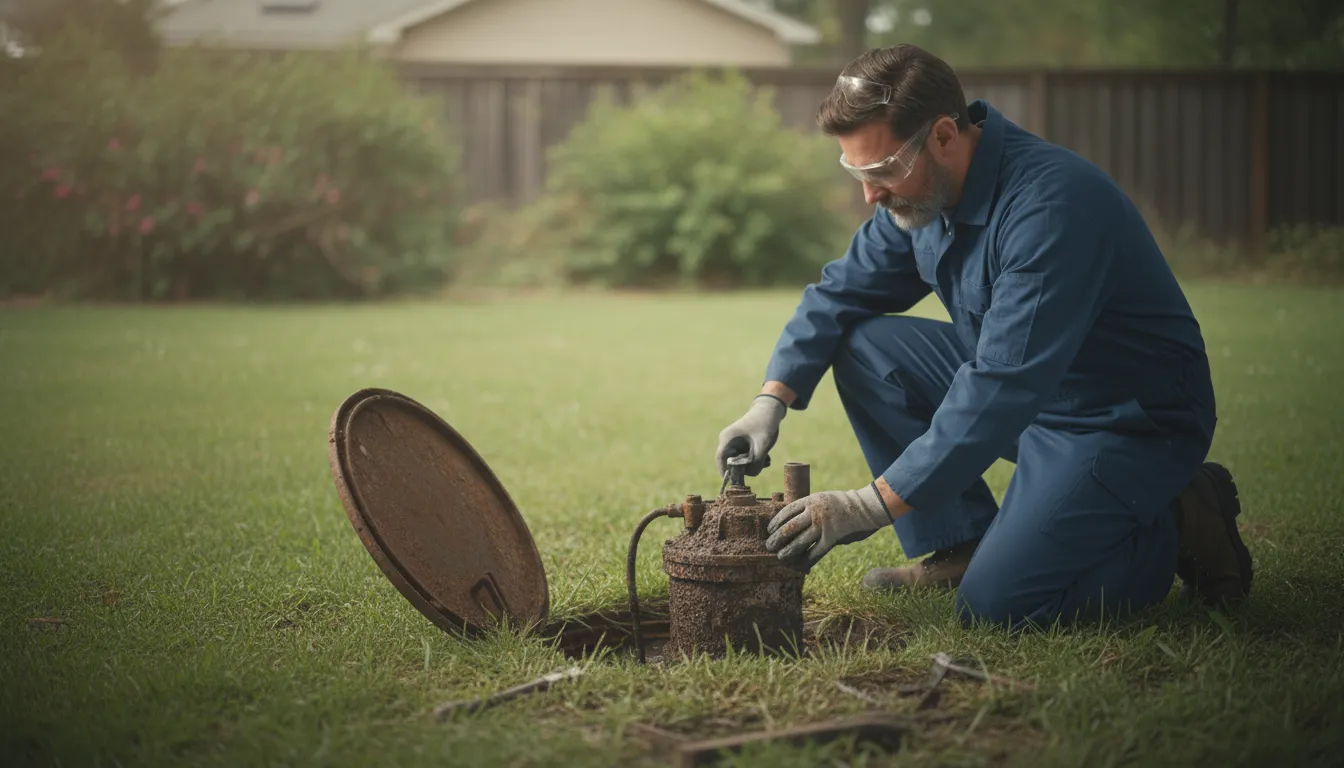
Find the Best Septic Pump Repair Companies for Your Business
No obligation • Fast responses • Nationwide coverage

Why you can trust Septic Spot
Septic Spot is a leading United States resource for understanding and comparing septic services. Our editors review providers using consistent criteria and verify key business details. Listings and scores are independent, and companies cannot pay to influence our content.
Search providers near you
Top Septic Pump Repair Companies in Auburn, Washington Ranked
When your septic system's pump fails, it's more than an inconvenience-it's a critical threat to your home's sanitation and the local environment. In Auburn, where high water tables and dense clay soils are common, septic pump issues require prompt, professional attention. This guide explains what septic pump repair and replacement entails, why Auburn's unique geology matters, and how you can connect with local certified professionals to restore your system's function.
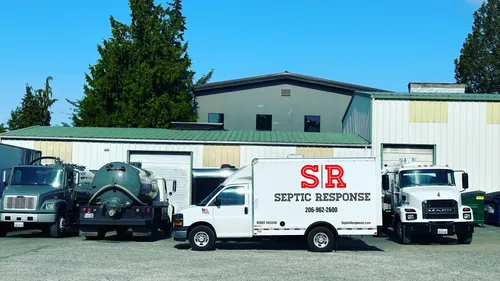
Septic Response
672 7th Ave, Kirkland, WA 98033
Septic Response is a septic tank service provider based in Seattle, WA, offering a wide range of services including septic tank pumping, inspection, repair, installation, and drain field replacement. They serve King County, Snohomish County, and Pierce County with expertise in maintaining both traditional and advanced septic systems. Their capabilities include inlet pipe cleaning using jetting technology and comprehensive septic system maintenance tailored to local soil and environmental conditions. The company emphasizes preventative maintenance and environmental compliance to extend system lifespan. Septic Response operates 24/7 to support urgent septic needs.
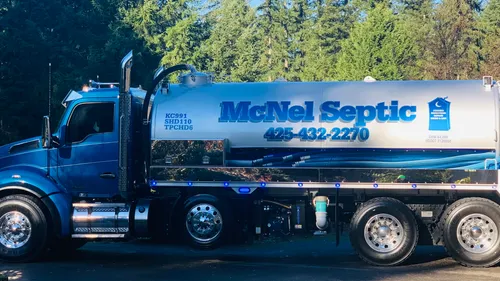
McNel Septic Service
Kent, WA
McNel Septic Service is a locally owned company based in Kent, WA, specializing in septic tank pumping, inspections, repairs, and maintenance for both residential and commercial clients. They serve a broad area including Maple Valley, Black Diamond, Palmer, Ravensdale, and King County. The company offers a range of services such as pumping, system inspections, decommissioning, and pump repairs using small and large capacity trucks with extra-long hoses. Their experienced technicians focus on thorough septic system care and customer support.
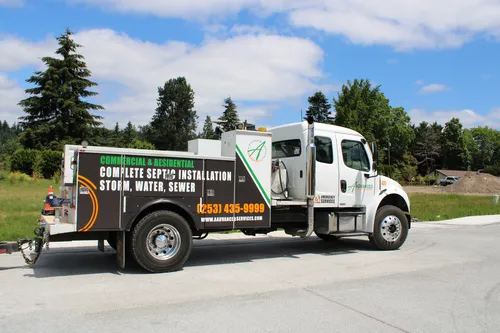
A Advanced Septic & Construction Services
1602 W Valley Hwy S, Auburn, WA 98001
A Advanced Septic & Construction Services is a family-owned business serving Tacoma, WA, and surrounding areas including Auburn, Puyallup, Bonney Lake, and Sumner. Established in 2006, they offer comprehensive septic services such as septic tank pumping, inspection, repair, installation, and drain field restoration. Their team also provides electrical and construction services related to septic systems. Known for handling emergency situations, they offer 24-hour emergency response to address urgent septic needs. The company combines modern equipment with experienced technicians to maintain and repair septic systems efficiently.
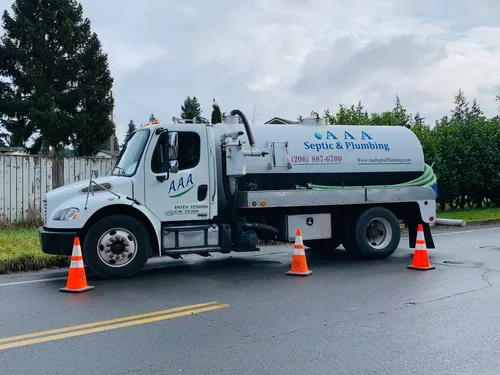
AAA Septic & Plumbing LLC.
32228 116th Ave SE, Auburn, WA 98092
AAA Septic & Plumbing LLC. is a family-owned business serving Tacoma, WA, and surrounding counties including King, Pierce, Snohomish, and Thurston. They provide a full range of septic services such as septic tank pumping, system installation and repair, drainfield repair, and sewer line services. The company is licensed and certified, offering specialized capabilities like septic pump control panel troubleshooting and sewer scope inspections. With years of trusted experience, AAA Septic & Plumbing LLC. operates with a commitment to customer satisfaction and offers 24-hour emergency response for septic and plumbing issues.

Beacon Plumbing, Heating, Electrical & Mechanical Inc - Kent
8611 S 192nd St, Kent, WA 98031
Beacon Plumbing, Heating, Electrical & Mechanical Inc - Kent is a full-service plumbing company based in Kent, Washington. Serving the Puget Sound region including Seattle, they offer a range of plumbing services such as septic pump repair and replacement, sewer line repair, drain cleaning, and video camera inspection. Founded in 1999, the company provides 24/7 emergency plumbing services and same-day dispatch to residential and commercial customers. Their licensed plumbers are centrally located for quick access to major highways, enabling rapid response across the area.
Understanding Your Septic Pump System
A septic pump, often called a sewage ejector or effluent pump, is the heart of many modern septic systems, especially in areas where gravity alone cannot move wastewater. Its job is to push effluent (liquid waste) from the septic tank out to the drain field for final soil treatment. When this component fails, wastewater can back up into your home or surface on your property, creating health hazards and environmental concerns.
In Auburn, many homes utilize pump systems due to the local topography and soil conditions. Recognizing the signs of pump trouble early-such as alarm sounds, slow drains, gurgling toilets, or soggy ground near the drain field-can help you avoid more extensive and costly septic system repairs down the line 1.
Why Auburn's Geology Demands Special Attention
The cost and complexity of septic pump service in Auburn are directly influenced by the region's geology. The Puget Sound area is known for its challenging conditions for on-site sewage systems 2.
High Water Tables: Many parts of Auburn have a seasonal high water table, meaning the groundwater rises close to the surface. In these conditions, standard gravity-fed drain fields can flood and fail. Systems often require advanced engineering, like pressure-distribution or mound systems, which rely heavily on functioning pumps. Repairing or replacing a pump in such a system is typically more complex than in a traditional setup.
Clay Soils: The area's prevalent clay soils are slow-draining. This poor percolation can cause drain fields to saturate and fail, putting extra strain on the pump. Correcting issues often requires bringing in significant amounts of imported sand or gravel to create a suitable drainage area, which adds considerable expense to any repair or replacement project 3.
System Type Matters: Older homes may have simpler gravity systems, but newer constructions and replacements often involve engineered systems with pumps. Knowing whether you have a gravity, pressure-dosed, or mound system is the first step in understanding repair needs and costs 4.
The Step-by-Step Process for Repair or Replacement
Addressing a septic pump problem is a regulated process in King County. Following the correct steps ensures the work is safe, legal, and lasting.
- Diagnosis and Inspection: The process begins with a professional assessment. A certified septic inspector or pumper will check the tank, examine the pump and floats, test the alarm system, and evaluate the drain field. This diagnosis determines if the issue is a simple repair (like a stuck float switch) or a complete pump burnout 5.
- Hiring a Certified Professional: Washington State and King County require that significant septic work be performed by certified Master Installers or Pumpers. These professionals understand local codes, soil evaluations, and the permitting process. They can accurately diagnose whether a repair will suffice or if a full replacement is necessary.
- Obtaining Permits: For most pump replacements and any drain field work, a permit from King County Public Health is mandatory. The professional you hire will typically handle the application for a "repair" or "limited repair" permit. This step ensures the proposed solution meets health and environmental standards.
- Performing the Work: The scope of work varies. It could involve replacing a pump ($800-$5,000), repairing electrical components like float switches ($300-$800), installing access risers ($300-$1,200), or, in severe cases, tackling a full system replacement. For pump work, the old unit is removed, the tank is cleaned if needed, and the new pump is installed and wired correctly.
- Final Inspection: Once work is complete, a King County Health Department inspector must review the "as-built" installation to grant final approval. This closes the permit and provides official documentation that your system is functioning properly.
Find the perfect septic pump repair companies for your needs
Get personalized recommendations and expert advice
Cost Breakdown for Auburn Homeowners
Septic service costs in Auburn can vary widely based on system type, site accessibility, and the extent of the problem. Here's a general overview of what you might expect:
- Septic Pump Replacement: $800 - $3,000. This is the most common major repair for pump systems. The price depends on pump horsepower, brand, and the labor involved in excavation and installation 6.
- Float or Alarm Switch Repair: $300 - $800. A relatively minor fix that addresses control mechanisms that tell the pump when to turn on and off 7.
- Access Riser Installation: $300 - $1,200. Adding or repairing risers to the tank lids saves money on future pumping and service by eliminating the need for excavation 8.
- Full Septic System Replacement: $10,000 - $40,000+. This is the cost for complete failure where the drain field is compromised. Auburn's difficult soils often necessitate engineered mound systems, which are at the higher end of this range 9 10 11.
- Permit Fees: $450 - $2,000. King County permit costs scale with the complexity and value of the repair or replacement project 12 13.
Financing Your Septic Repair
A major septic repair is a significant, often unexpected, expense. Washington homeowners have access to special financing programs designed for clean water projects. Organizations like Craft3 offer Clean Water Loans with favorable terms to help cover the cost of septic system repair, replacement, or maintenance. These loans recognize that a functioning septic system is essential for both public health and environmental protection 14.
Maintaining Your System to Avoid Costly Repairs
The best repair is the one you never need. Proactive maintenance is the most effective way to protect your investment and avoid pump failure.
- Regular Pumping: Have your septic tank pumped every 3-5 years by a licensed professional. This prevents solids from overflowing into the drain field or clogging the pump.
- Conserve Water: Reduce strain on your system by fixing leaks, using high-efficiency fixtures, and spreading out laundry loads.
- Mind What You Flush: Only human waste and toilet paper should go down the drain. Avoid chemicals, grease, wipes (even "flushable" ones), and feminine hygiene products.
- Protect the Drain Field: Never drive or park over it, and keep roof drains and sump pumps directed away from the area.
By understanding your system, respecting Auburn's unique environmental challenges, and partnering with certified local professionals, you can ensure your septic pump operates reliably for years to come.
Frequently asked questions
Sources
Footnotes
-
Caring for Your Septic System | Washington State Department of ... - https://doh.wa.gov/community-and-environment/wastewater-management/septic-system/caring-your-system ↩
-
Septic System Repair: Essential Guidelines for Homeowners - https://smartsepticpros.com/blog/septic-system-repair-guidelines/ ↩
-
Septic vs Sewer: Understanding Your Wastewater System - https://johnsewer.com/septic-vs-sewer/ ↩
-
Residential Septic System Installs: Comparing Designs For Modern Homes - Septic Tank Man - https://www.theseptictankman.com/blog/residential-septic-system-installs-comparing-designs-for-modern-homes ↩
-
Septic Tank Replacement Explained: Costs, Lifespan, And What To ... - https://www.theseptictankman.com/blog/septic-tank-replacement-explained-costs-lifespan-and-what-to-expect ↩
-
Septic Repair vs. Replacement: How to Decide What's Best for Your System - https://www.townesseptic.com/blog/septic-repair-vs-replacement ↩
-
Septic Repair vs. Replacement: A Guide to Costs & Red Flags - https://prosepticri.com/septic-repair-vs-replacement-guide/ ↩
-
How Much Does It Cost to Pump a Septic Tank in Washington? - https://www.sterlingsepticandplumbing.com/blog/how-much-does-septic-tank-pumping-cost/ ↩
-
How Much Does a Septic System Cost: Replacement and New - https://www.jkawelldrilling.com/how-much-does-a-septic-system-cost-replacement-and-new/ ↩
-
Cost to Replace Septic Tank and Drain Field [2026 Data] | Angi - https://www.angi.com/articles/how-much-new-drain-fields-foot.htm ↩
-
Septic Installation Cost in New Jersey (2025 Guide & Pricing) - https://www.atsenvironmental.com/blog/the-real-cost-of-septic-installation-in-new-jersey-2025/ ↩
-
On-site sewage/septic repair or replacement - King County, Washington - https://kingcounty.gov/en/dept/dph/health-safety/environmental-health/on-site-sewage-systems/applications-permits/repair-replacement ↩
-
SepticSmart Week: Funding your septic fix - https://ecology.wa.gov/blog/september-2025/septicsmart-week-funding-your-septic-fix ↩
-
Septic Systems | Washington State Department of Health - https://doh.wa.gov/community-and-environment/wastewater-management/septic-system ↩