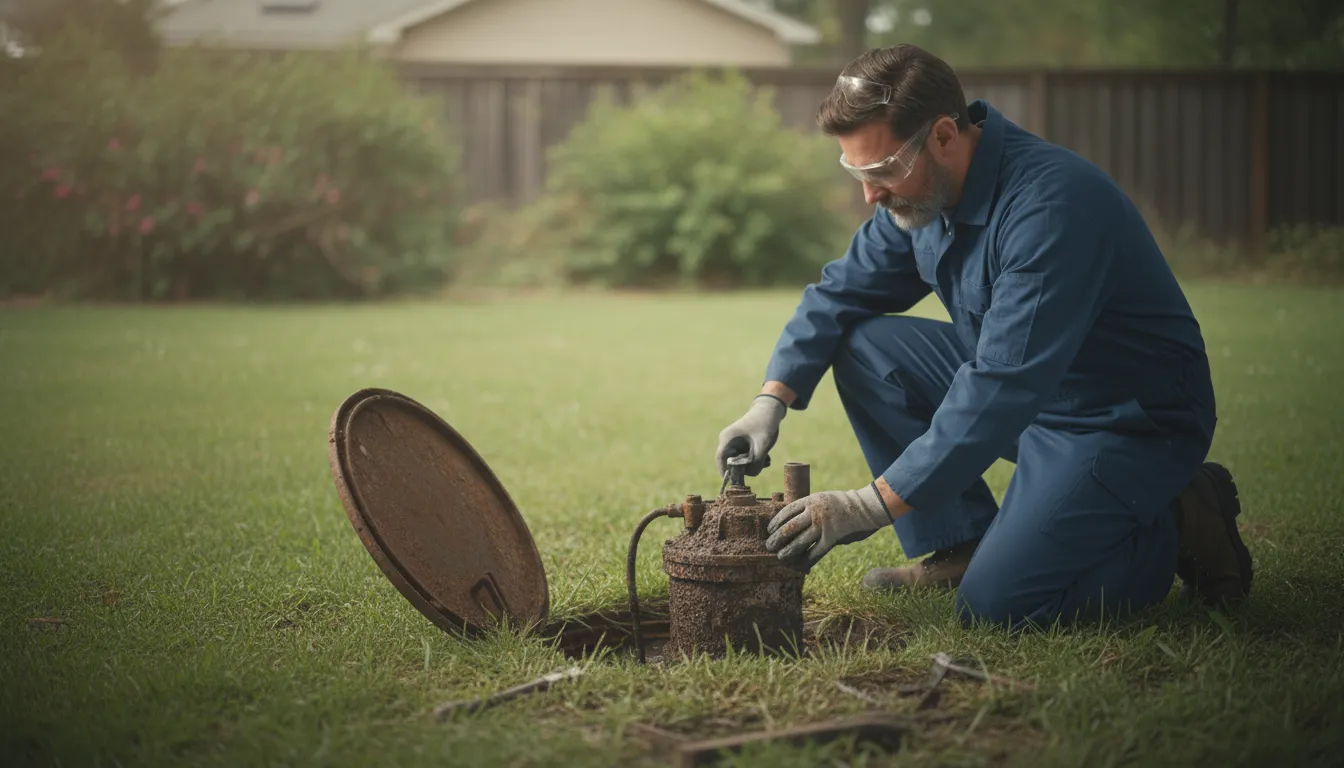
Find the Best Septic Pump Repair Companies for Your Business
No obligation • Fast responses • Nationwide coverage

Why you can trust Septic Spot
Septic Spot is a leading United States resource for understanding and comparing septic services. Our editors review providers using consistent criteria and verify key business details. Listings and scores are independent, and companies cannot pay to influence our content.
Search providers near you
Top Septic Pump Repair Companies in Tacoma, Washington Ranked
When your septic system's pump fails or your entire system reaches the end of its life, it's more than an inconvenience-it's a critical home maintenance issue that requires immediate, professional attention. In Tacoma, the health of your septic system is directly tied to local soil conditions and strict county regulations. This guide explains the process, costs, and key considerations for septic pump repair and full system replacement, helping you connect with certified local professionals who can diagnose issues and perform the necessary work to keep your home's wastewater management safe and functional.
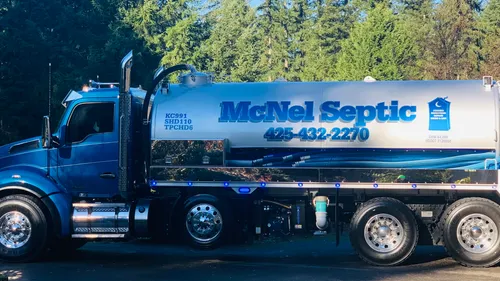
McNel Septic Service
Kent, WA
McNel Septic Service is a locally owned company based in Kent, WA, specializing in septic tank pumping, inspections, repairs, and maintenance for both residential and commercial clients. They serve a broad area including Maple Valley, Black Diamond, Palmer, Ravensdale, and King County. The company offers a range of services such as pumping, system inspections, decommissioning, and pump repairs using small and large capacity trucks with extra-long hoses. Their experienced technicians focus on thorough septic system care and customer support.
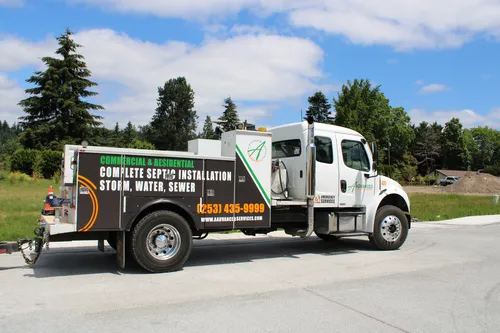
A Advanced Septic & Construction Services
1602 W Valley Hwy S, Auburn, WA 98001
A Advanced Septic & Construction Services is a family-owned business serving Tacoma, WA, and surrounding areas including Auburn, Puyallup, Bonney Lake, and Sumner. Established in 2006, they offer comprehensive septic services such as septic tank pumping, inspection, repair, installation, and drain field restoration. Their team also provides electrical and construction services related to septic systems. Known for handling emergency situations, they offer 24-hour emergency response to address urgent septic needs. The company combines modern equipment with experienced technicians to maintain and repair septic systems efficiently.
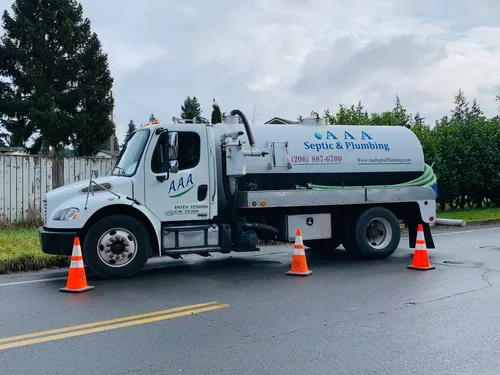
AAA Septic & Plumbing LLC.
32228 116th Ave SE, Auburn, WA 98092
AAA Septic & Plumbing LLC. is a family-owned business serving Tacoma, WA, and surrounding counties including King, Pierce, Snohomish, and Thurston. They provide a full range of septic services such as septic tank pumping, system installation and repair, drainfield repair, and sewer line services. The company is licensed and certified, offering specialized capabilities like septic pump control panel troubleshooting and sewer scope inspections. With years of trusted experience, AAA Septic & Plumbing LLC. operates with a commitment to customer satisfaction and offers 24-hour emergency response for septic and plumbing issues.

Beacon Plumbing, Heating, Electrical & Mechanical Inc - Kent
8611 S 192nd St, Kent, WA 98031
Beacon Plumbing, Heating, Electrical & Mechanical Inc - Kent is a full-service plumbing company based in Kent, Washington. Serving the Puget Sound region including Seattle, they offer a range of plumbing services such as septic pump repair and replacement, sewer line repair, drain cleaning, and video camera inspection. Founded in 1999, the company provides 24/7 emergency plumbing services and same-day dispatch to residential and commercial customers. Their licensed plumbers are centrally located for quick access to major highways, enabling rapid response across the area.
Benson Hill Septic Tank Service
Seattle, WA
Benson Hill Septic Tank Service provides comprehensive septic system services in Seattle, WA, and surrounding areas. Established in 1959, the company offers pumping, inspections, cleaning, decommissioning, and septic tank locating services. Their team is OSS certified and capable of full pump replacement, baffle, riser, and lid installations. They also provide emergency septic services to address urgent needs promptly.
Understanding Your Tacoma Septic System
A residential septic system is a private wastewater treatment plant. In Tacoma and Pierce County, these systems are common in areas not served by municipal sewer lines. The system typically includes a tank, where solids settle and begin to decompose, and a drainfield (or leach field), where treated liquid effluent is dispersed into the soil. A critical component in many systems, especially those not on perfectly sloped land, is the septic pump. This pump moves effluent from the tank to the drainfield. When this pump or its associated electrical components fail, or when the entire system deteriorates, specialized repair or replacement services are essential to prevent backups, environmental contamination, and health code violations.
Why Soil Type is a Critical Factor in Tacoma
The performance and failure points of your septic system are heavily influenced by the native soil. Tacoma and the broader Pierce County region are known for dense, high-clay soils. These soils drain very slowly, which can lead to several problems:
- Saturation and Pooling: During wet seasons, clay soils can become saturated, preventing effluent from properly percolating. This can cause sewage to back up into your home or pool on the surface of your drainfield.
- System Stress: Constant slow drainage puts prolonged hydraulic pressure on system components, potentially leading to premature pump failure or drainfield collapse.
- Repair Implications: A common repair for systems in clay-heavy areas involves improving drainage or, in severe cases, a complete drainfield replacement, which is a major undertaking.
In contrast, some areas may have sandy soils, which drain too quickly and risk contaminating groundwater, often requiring advanced treatment systems. A certified inspector will evaluate your soil as part of any major repair or replacement diagnosis.
The Step-by-Step Process for Repair or Replacement
Navigating a major septic issue follows a structured path, often mandated by the Tacoma-Pierce County Health Department to ensure public and environmental safety.
- Inspection and Diagnosis: The first step is always to contact a certified Operations and Maintenance (O&M) specialist or septic service professional. They will perform a thorough inspection to determine the exact cause of failure-whether it's a faulty pump, a clogged pipe, a damaged baffle, or a failed drainfield.
- Permitting: For any major repair or full system replacement, a permit from the Tacoma-Pierce County Health Department is required. Your septic professional will typically handle this process, submitting system designs and plans for approval. Never proceed with major work without a permit, as it can lead to fines and an uninspected, non-compliant system.
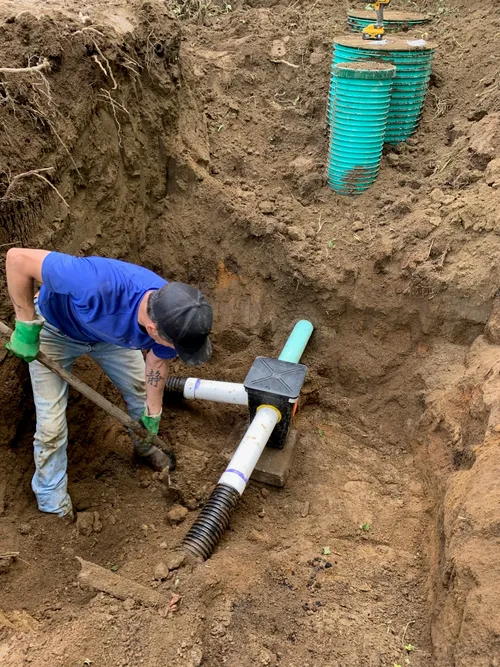
- Repair or Replacement Work: Once permitted, a master installer or certified technician will perform the work. For a pump repair, this involves electrical and mechanical work. For a replacement, it includes excavating, installing a new tank and/or drainfield, and connecting all components 1.
- Final Inspection: After the work is complete, a health department inspector will visit your property to verify the installation complies with all codes and regulations before the system is activated 2.
Find the perfect septic pump repair companies for your needs
Get personalized recommendations and expert advice
Common Repairs vs. Full System Replacement
When Repair is the Solution
Many issues can be resolved without a full system overhaul. Common repairable problems include:
- Pump or Alarm Failure: The pump itself can burn out, or the float switch/alarm that controls it can malfunction. Repairing or replacing these electrical and mechanical components is a common service.
- Baffle or Riser Damage: The baffles inside the tank (which control the flow of wastewater) or the risers (which provide access from the surface) can crack or deteriorate and need replacement.
- Clogged Lines: The pipes leading from the house to the tank or from the tank to the drainfield can become blocked by roots or solids.
When Replacement is Necessary
A full septic system replacement is a significant investment but is unavoidable in certain situations:
- Drainfield Failure: If the soil in the drainfield has become completely clogged (a condition called "biomat" saturation) and cannot be restored, a new drainfield must be installed.
- Tank Structural Failure: Cracks, collapses, or severe corrosion in the septic tank itself compromise the entire system's integrity.
- System is Obsolete: Older systems may not meet current health and environmental standards and may need to be upgraded or replaced, especially if they are causing repeated failures 3.
Cost Guide for Tacoma Septic Services
Costs for septic work in Tacoma vary widely based on the system type, soil conditions, and scope of the problem. The following are typical price ranges based on regional data 4 5 6 7 8:
- Tank Pumping: $400-$600. This is not a repair but a critical maintenance task that can prevent failures. It's often the first step in diagnosing a problem.
- Pump or Alarm Repair/Replacement: $800-$5,000. The cost depends on the pump's type, horsepower, and accessibility. Simple electrical fixes are on the lower end, while replacing a high-capacity pump in a deep tank is more expensive.
- Baffle or Riser Repair: $300-$1,200.
- Full System Replacement: $10,000-$40,000+. This wide range accounts for the size of the home, the type of system required (e.g., conventional gravity vs. advanced pressure-dosed or aerobic systems), soil conditions, and the complexity of excavation. The high-clay soils in the area can significantly increase labor and material costs for drainfield construction 9 10.
Recognizing Warning Signs and Proactive Maintenance
Catching problems early can mean the difference between a manageable repair and a catastrophic replacement.
Warning Signs of Impending Failure:
- Slow-draining sinks, tubs, or toilets.
- Gurgling sounds in your plumbing.
- Sewage odors around the yard or home.
- Unusually lush, green grass over the drainfield (a sign of nutrient-rich effluent surfacing).
- Standing water or soggy soil in the drainfield area 11 12.
Proactive Maintenance to Extend System Life:
- Regular Pumping: Have your septic tank pumped every 3-5 years by a licensed professional. This removes solids that could otherwise clog and destroy your drainfield 13 14.
- Water Conservation: Reducing household water use lessens the hydraulic load on your system.
- Mind What You Flush: Only human waste and toilet paper should go down the drain. Avoid chemicals, grease, wipes, and other non-biodegradables.
- Keep Records: Maintain a log of pumping, inspections, and repairs.
For a list of certified designers, installers, and O&M specialists in good standing, homeowners can contact the Tacoma-Pierce County Health Department directly.
Frequently asked questions
Sources
Footnotes
-
On-site sewage/septic repair or replacement - King County - https://kingcounty.gov/en/dept/dph/health-safety/environmental-health/on-site-sewage-systems/applications-permits/repair-replacement ↩
-
Septic Tank - Understanding Septic Tank Permits and Regulations - https://westcoastsanitationinc.com/understanding-septic-tank-permits-and-regulations/ ↩
-
Septic Repair vs. Replacement: What's Best for Your System - https://www.townesseptic.com/blog/septic-repair-vs-replacement ↩
-
Septic Repair vs. Replacement: A Guide to Costs & Red Flags - https://prosepticri.com/septic-repair-vs-replacement-guide/ ↩
-
How Much Does It Cost to Pump a Septic Tank in Washington? - https://www.sterlingsepticandplumbing.com/blog/how-much-does-septic-tank-pumping-cost/ ↩
-
Frequently Asked Questions - Tacoma-Pierce County Health ... - https://tpchd.org/homes/septic-systems/operation-and-maintenance/faq/ ↩
-
Septic System Inspections FAQs Archives - Tacoma-Pierce County ... - https://tpchd.org/ufaq-category/septic-system-inspections/ ↩
-
How Much Does Septic Tank Repair Cost? [2026 Data] | Angi - https://www.angi.com/articles/how-much-does-repairing-septic-tank-cost.htm ↩
-
Septic Systems - Tacoma-Pierce County Health Department - https://tpchd.org/homes/septic-systems/ ↩
-
How Soil Type Affects Septic System Performance - https://www.septicblueraleigh.com/how-your-soil-determines-your-septic-systems-success.html ↩
-
Septic System Failure - Tacoma-Pierce County Health Department - https://tpchd.org/homes/septic-systems/failure/ ↩
-
Resolving Septic System Malfunctions | US EPA - https://www.epa.gov/septic/resolving-septic-system-malfunctions ↩
-
Operation & Maintenance of Your Septic System - https://tpchd.org/homes/septic-systems/operation-and-maintenance/ ↩
-
Septic Tank Replacement Explained: Costs, Lifespan, And ... - https://www.theseptictankman.com/blog/septic-tank-replacement-explained-costs-lifespan-and-what-to-expect ↩