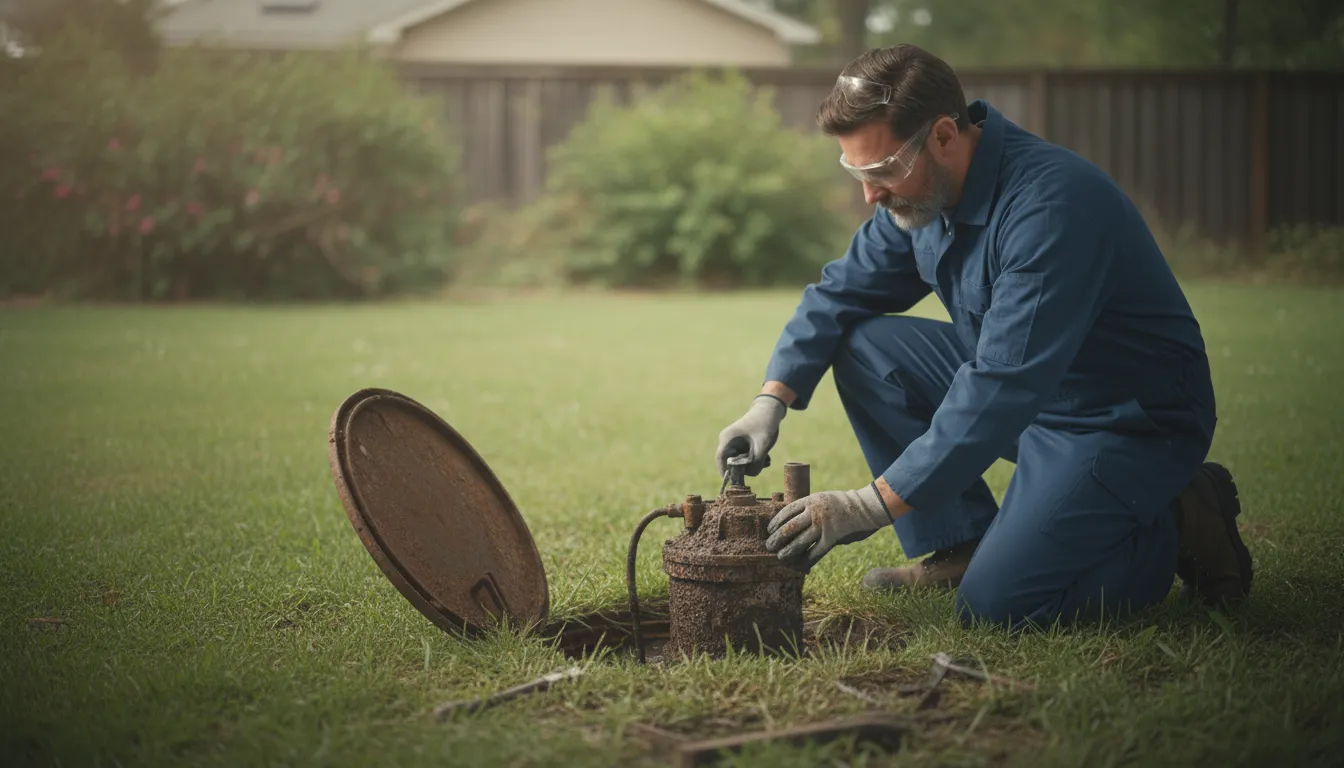
Find the Best Septic Pump Repair Companies for Your Business
No obligation • Fast responses • Nationwide coverage

Why you can trust Septic Spot
Septic Spot is a leading United States resource for understanding and comparing septic services. Our editors review providers using consistent criteria and verify key business details. Listings and scores are independent, and companies cannot pay to influence our content.
Search providers near you
Top Septic Pump Repair Companies in Lakewood, Washington Ranked
Maintaining a functional septic pump is critical for any Washington home with an on-site sewage system. When a pump fails, it can lead to backups, property damage, and environmental health risks. This guide explains the process, costs, and regulations for septic pump repair and replacement in Washington, helping you understand your options and connect with qualified local professionals to service your specific system.
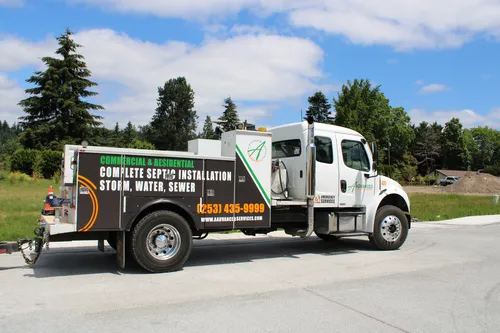
A Advanced Septic & Construction Services
1602 W Valley Hwy S, Auburn, WA 98001
A Advanced Septic & Construction Services is a family-owned business serving Tacoma, WA, and surrounding areas including Auburn, Puyallup, Bonney Lake, and Sumner. Established in 2006, they offer comprehensive septic services such as septic tank pumping, inspection, repair, installation, and drain field restoration. Their team also provides electrical and construction services related to septic systems. Known for handling emergency situations, they offer 24-hour emergency response to address urgent septic needs. The company combines modern equipment with experienced technicians to maintain and repair septic systems efficiently.
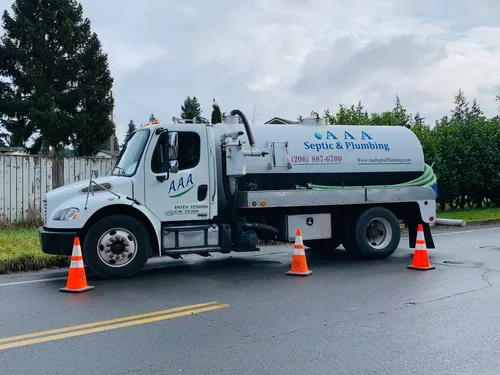
AAA Septic & Plumbing LLC.
32228 116th Ave SE, Auburn, WA 98092
AAA Septic & Plumbing LLC. is a family-owned business serving Tacoma, WA, and surrounding counties including King, Pierce, Snohomish, and Thurston. They provide a full range of septic services such as septic tank pumping, system installation and repair, drainfield repair, and sewer line services. The company is licensed and certified, offering specialized capabilities like septic pump control panel troubleshooting and sewer scope inspections. With years of trusted experience, AAA Septic & Plumbing LLC. operates with a commitment to customer satisfaction and offers 24-hour emergency response for septic and plumbing issues.

Beacon Plumbing, Heating, Electrical & Mechanical Inc - Kent
8611 S 192nd St, Kent, WA 98031
Beacon Plumbing, Heating, Electrical & Mechanical Inc - Kent is a full-service plumbing company based in Kent, Washington. Serving the Puget Sound region including Seattle, they offer a range of plumbing services such as septic pump repair and replacement, sewer line repair, drain cleaning, and video camera inspection. Founded in 1999, the company provides 24/7 emergency plumbing services and same-day dispatch to residential and commercial customers. Their licensed plumbers are centrally located for quick access to major highways, enabling rapid response across the area.
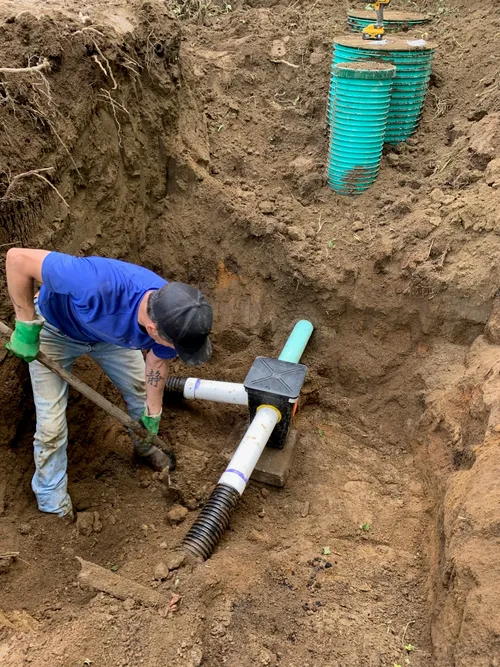
Benson Hill Septic Tank Service
Seattle, WA
Benson Hill Septic Tank Service provides comprehensive septic system services in Seattle, WA, and surrounding areas. Established in 1959, the company offers pumping, inspections, cleaning, decommissioning, and septic tank locating services. Their team is OSS certified and capable of full pump replacement, baffle, riser, and lid installations. They also provide emergency septic services to address urgent needs promptly.
Alpha Bravo Septic And Drainage, Inc
Tacoma, WA 98405
Alpha Bravo Septic And Drainage, Inc is a septic tank and drainage service provider based in Tacoma, WA. They offer a range of services including septic tank pumping, inspection, repair, installation, and drain field repair or replacement. With nearly 15 years of experience, they handle residential and commercial septic and drainage systems, using specialized tools for inspections and repairs. Their capabilities include camera scoping, drain field jetting, and septic troubleshooting. Alpha Bravo serves a wide area including King and Pierce Counties, covering many local communities.
Understanding Your Septic System Type
The first step in addressing a pump issue is knowing what kind of system you have. The repair approach, parts, and regulatory requirements can vary significantly. Washington homes commonly use one of the following system types:
- Gravity Systems: The most traditional type, these rely on gravity to move effluent from the tank to the drainfield. They are generally low-maintenance and do not include a pump for distribution, though some may have a pump to move effluent from the tank to a gravity-fed drainfield at a higher elevation.
- Pressure Distribution Systems: These systems use an electric pump and a network of small-diameter pipes to distribute effluent evenly across the drainfield. They are ideal for sites with shallow soil or uneven terrain. The pump is a central component and requires regular inspection and maintenance 1.
- Mound Systems: An engineered, above-ground drainfield used in areas with high groundwater, bedrock, or poor soil. Effluent is pumped from the septic tank up into the mound. These systems are entirely dependent on a functioning pump 2.
- Aerobic Treatment Units (ATUs): These complex systems use oxygen to break down waste, providing a higher level of treatment. They are often required in environmentally sensitive areas or on lots with poor soil conditions. ATUs involve multiple mechanical components, including pumps and aerators, that require specialized service 3.
Signs You Need Pump Service
Don't wait for a complete system failure. Be proactive if you notice:
- Alarms Sounding: Most modern pumped systems have an alarm that activates when the pump fails or the water level in the tank is too high.
- Slow Drains or Backups: Toilets, showers, and sinks draining slowly or backing up can indicate a pump isn't moving effluent out of the tank.
- Soggy Ground or Odors: Wet, spongy areas or foul smells near the drainfield or tank could mean effluent isn't being pumped and is surfacing.
- Unusually Green Grass: A patch of grass over the drainfield that is much greener and lusher than the rest of the yard may signal an over-saturation due to pump failure.
The Repair and Replacement Process
Addressing a faulty septic pump in Washington is a structured process, often involving local health department oversight for major work.
- Inspection and Diagnosis: A certified professional will first inspect the system. They will check the pump itself, the float switches that control its on/off cycles, the control panel, and all electrical connections to pinpoint the exact fault.
- Permitting: In Washington, replacing a major component like the pump, tank, or drainfield almost always requires a permit from your local county health department. The repair technician or a certified designer will typically handle this application, which must be approved before work begins.
- Pump Replacement: If repair isn't viable, the old pump is removed. The technician will select a replacement based on your system's specific requirements, including horsepower, voltage, and capacity. The new pump is installed, and all connections are secured.
- Component Adjustment: The float switches are adjusted to ensure the pump activates and deactivates at the correct water levels in the tank, preventing burnout or inadequate pumping.
- Testing and Final Inspection: After installation, the system is tested for proper operation. In many Washington counties, a final inspection by a representative from the local health jurisdiction is required to certify the repair and close the permit 4.
Washington State Regulations and Compliance
Washington has specific rules governing septic systems to protect public health and water quality. Understanding these is crucial for any repair project.
- Mandatory Inspections: Washington Administrative Code (WAC) 246-272A-0270 requires regular inspections of on-site sewage systems. For gravity systems, inspection is typically required every three years. For systems with pumps (like pressure distribution or mound systems), inspections are generally required annually due to their mechanical complexity 5 6.
- System Maintenance: Beyond pump checks, septic tanks should be inspected for scum and sludge levels at least every three years to determine if pumping is needed 7 8. Regular maintenance is the best way to avoid costly emergency repairs.
- Nitrogen-Sensitive Areas: Updated regulations, particularly in the Puget Sound region, are increasingly targeting nitrogen reduction. In certain designated areas, repairs or replacements may need to include enhanced treatment technology, such as an ATU, to meet stricter 2025 standards 9.
- Professional Requirements: Major repairs and replacements must be performed by a certified installer or under the supervision of a certified professional designer. Always verify that any service provider you contact holds the proper state and local certifications 10.
Find the perfect septic pump repair companies for your needs
Get personalized recommendations and expert advice
Cost Guide for Pump Repairs in Washington
Costs can vary based on your system type, the pump's specifications, and your location in the state. Below is a general price range based on current industry data 11 12 13.
- Pump Repair: Fixing a minor issue like a stuck float switch or wiring problem typically ranges from $250 to $400.
- Pump Replacement: Replacing a standard septic pump usually costs between $500 and $1,300. For larger, more complex systems (like those serving large homes or commercial properties), replacement costs can reach $2,000 to $3,000.
- Control Panel or Alarm Repair: Fixing or replacing a control panel or alarm system can start around $200 or more.
- Major System Work: It's important to note that if pump failure has caused damage to the drainfield, costs escalate significantly. Drainfield repair or replacement is a major excavation project, with costs typically ranging from $5,000 to $12,000 or more.
Note: These are estimated ranges. Always get detailed, written quotes from multiple certified providers for your specific situation.
Choosing a Service Provider
Selecting the right professional is key to a compliant and lasting repair.
- Check Credentials: Ensure they are certified by the Washington State Department of Labor & Industries and have specific experience with your system type (e.g., mound, ATU).
- Verify Local Knowledge: They should be familiar with the permit process and inspectors in your county's health department.
- Ask About the Process: A reputable provider will clearly explain the diagnosis, permitting, repair, and final inspection steps.
- Get Everything in Writing: A detailed estimate should include labor, parts, permit fees, and any charges for the final health department inspection.
Before any work begins, it is highly recommended to contact your local health department (e.g., Public Health - Seattle & King County, Snohomish County Health Department) to understand permit requirements and get a list of certified professionals in your area 14.
Frequently asked questions
Sources
Footnotes
-
Septic System Types: Which One is Right for Your Property? - https://flohawks.com/property-septic-system-types/ ↩
-
Types of Septic Systems | US EPA - https://www.epa.gov/septic/types-septic-systems ↩
-
Types of Septic Systems | Washington State Department of Health - https://doh.wa.gov/community-and-environment/wastewater-management/septic-system/types-systems ↩
-
What to Expect During a Septic Pump Replacement in ... - https://thesepticgroup.com/what-to-expect-during-a-septic-pump-replacement-in-washington-state/ ↩
-
Maintaining Your Septic System | Clallam County, WA - https://www.clallamcountywa.gov/506/Maintaining-Your-Septic-System ↩
-
On-site sewage/septic system inspections - King County, Washington - https://kingcounty.gov/en/dept/dph/health-safety/environmental-health/on-site-sewage-systems/maintaining-your-system/inspections ↩
-
On-Site Sewage Program - Septic Systems - Skamania County - https://www.skamaniacounty.org/departments-offices/community-development/environmental-health/onsite-sewage ↩
-
Maintaining Your Septic System | Snohomish County Health Department, WA - https://www.snohd.org/682/Maintaining-Your-Septic-System ↩
-
Navigating New Septic Regulations: Stay Compliant - Blog - https://danosseptic.com/blog/navigating-new-septic-regulations-stay-compliant/ ↩
-
On-site sewage/septic repair or replacement - King County - https://kingcounty.gov/en/dept/dph/health-safety/environmental-health/on-site-sewage-systems/applications-permits/repair-replacement ↩
-
Septic System Pricing Guide for Washington State Homeowners ... - https://www.caringrealestate.com/blog/septic-system-pricing-guide-for-washington-state-homeowners-2025/ ↩
-
How Much Does It Cost to Pump a Septic Tank in Washington? - https://www.sterlingsepticandplumbing.com/blog/how-much-does-septic-tank-pumping-cost/ ↩
-
How Much Does Septic Tank System Repair Cost? (2026) - HomeGuide - https://homeguide.com/costs/septic-tank-repair-cost ↩
-
Caring for Your Septic System | Washington State Department of ... - https://doh.wa.gov/community-and-environment/wastewater-management/septic-system/caring-your-system ↩