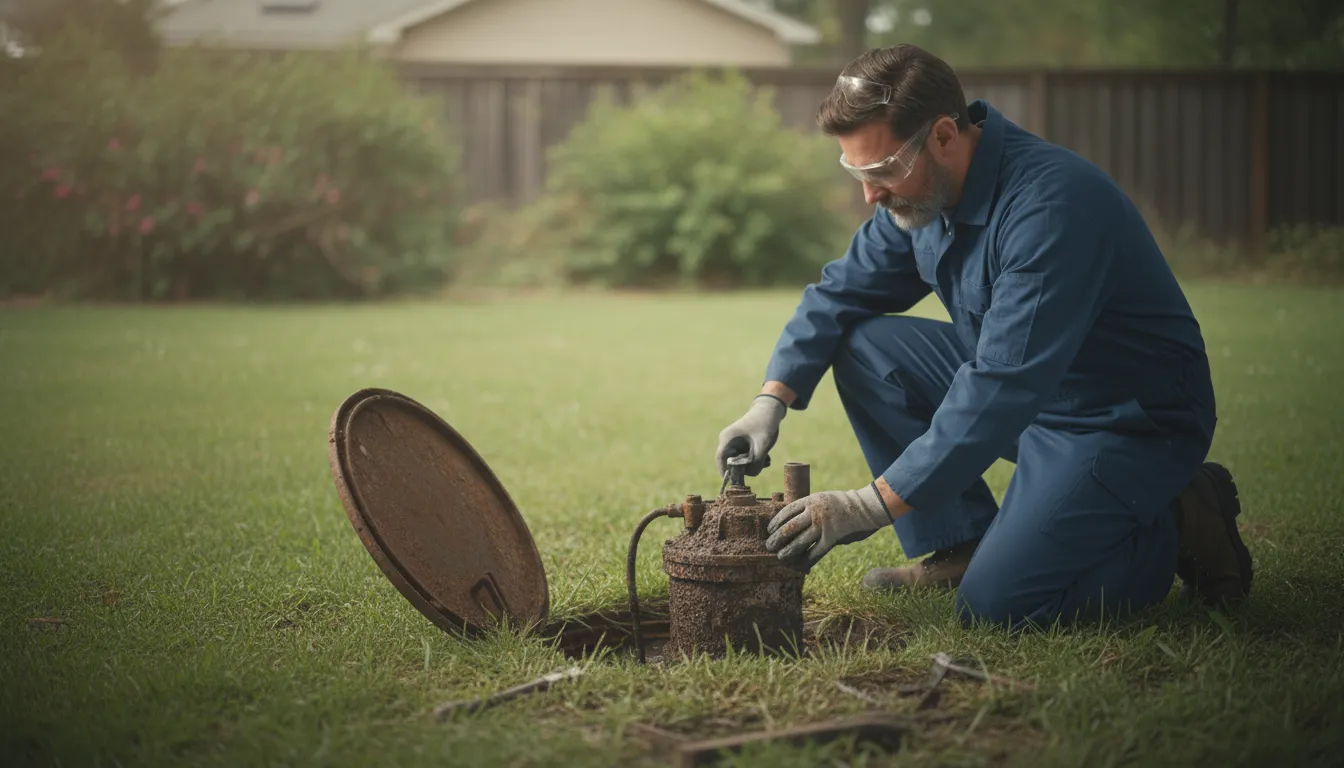
Find the Best Septic Pump Repair Companies for Your Business
No obligation • Fast responses • Nationwide coverage

Why you can trust Septic Spot
Septic Spot is a leading United States resource for understanding and comparing septic services. Our editors review providers using consistent criteria and verify key business details. Listings and scores are independent, and companies cannot pay to influence our content.
Search providers near you
Top Septic Pump Repair Companies in Renton, Washington Ranked
When your septic system's pump fails, it's more than an inconvenience-it's a potential health hazard and a threat to your property. Septic pump repair and replacement are critical services for maintaining a functional on-site sewage system, especially in Renton's unique geological landscape. This guide explains what these services entail, why local conditions matter, and how you can find qualified professionals to diagnose and fix your system efficiently.
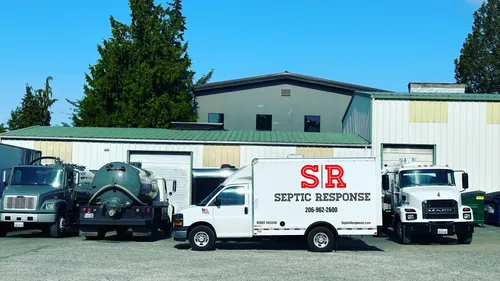
Septic Response
672 7th Ave, Kirkland, WA 98033
Septic Response is a septic tank service provider based in Seattle, WA, offering a wide range of services including septic tank pumping, inspection, repair, installation, and drain field replacement. They serve King County, Snohomish County, and Pierce County with expertise in maintaining both traditional and advanced septic systems. Their capabilities include inlet pipe cleaning using jetting technology and comprehensive septic system maintenance tailored to local soil and environmental conditions. The company emphasizes preventative maintenance and environmental compliance to extend system lifespan. Septic Response operates 24/7 to support urgent septic needs.
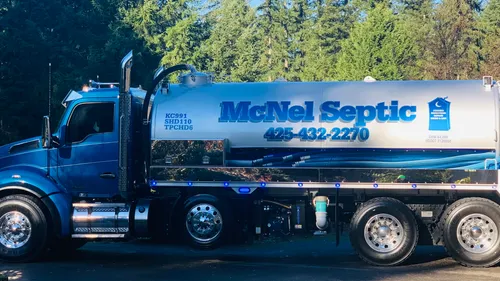
McNel Septic Service
Kent, WA
McNel Septic Service is a locally owned company based in Kent, WA, specializing in septic tank pumping, inspections, repairs, and maintenance for both residential and commercial clients. They serve a broad area including Maple Valley, Black Diamond, Palmer, Ravensdale, and King County. The company offers a range of services such as pumping, system inspections, decommissioning, and pump repairs using small and large capacity trucks with extra-long hoses. Their experienced technicians focus on thorough septic system care and customer support.
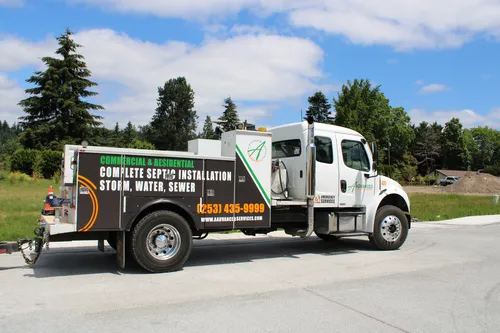
A Advanced Septic & Construction Services
1602 W Valley Hwy S, Auburn, WA 98001
A Advanced Septic & Construction Services is a family-owned business serving Tacoma, WA, and surrounding areas including Auburn, Puyallup, Bonney Lake, and Sumner. Established in 2006, they offer comprehensive septic services such as septic tank pumping, inspection, repair, installation, and drain field restoration. Their team also provides electrical and construction services related to septic systems. Known for handling emergency situations, they offer 24-hour emergency response to address urgent septic needs. The company combines modern equipment with experienced technicians to maintain and repair septic systems efficiently.
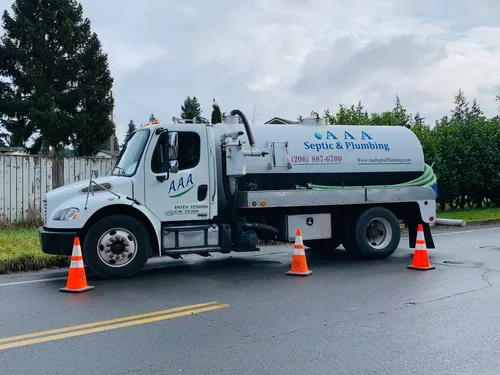
AAA Septic & Plumbing LLC.
32228 116th Ave SE, Auburn, WA 98092
AAA Septic & Plumbing LLC. is a family-owned business serving Tacoma, WA, and surrounding counties including King, Pierce, Snohomish, and Thurston. They provide a full range of septic services such as septic tank pumping, system installation and repair, drainfield repair, and sewer line services. The company is licensed and certified, offering specialized capabilities like septic pump control panel troubleshooting and sewer scope inspections. With years of trusted experience, AAA Septic & Plumbing LLC. operates with a commitment to customer satisfaction and offers 24-hour emergency response for septic and plumbing issues.

Beacon Plumbing, Heating, Electrical & Mechanical Inc - Kent
8611 S 192nd St, Kent, WA 98031
Beacon Plumbing, Heating, Electrical & Mechanical Inc - Kent is a full-service plumbing company based in Kent, Washington. Serving the Puget Sound region including Seattle, they offer a range of plumbing services such as septic pump repair and replacement, sewer line repair, drain cleaning, and video camera inspection. Founded in 1999, the company provides 24/7 emergency plumbing services and same-day dispatch to residential and commercial customers. Their licensed plumbers are centrally located for quick access to major highways, enabling rapid response across the area.
Understanding Your Septic System's Pump
At the heart of many modern septic systems is an effluent pump. Unlike simple gravity-fed systems, pump systems actively move treated wastewater from the septic tank to the drain field. This component is essential for homes where the drain field is at a higher elevation than the tank or where soil conditions require a controlled, pressurized distribution of effluent. When this pump or its related controls fail, wastewater can back up into your home or surface on your property, creating unsanitary conditions.
Common signs of pump trouble include alarm sounds from your control panel, soggy ground or sewage odors near the tank or drain field, slow-draining household fixtures, or gurgling pipes. Addressing these warnings quickly can prevent more extensive and costly damage to your entire septic system.
Why Renton's Soil Presents Unique Challenges
A key factor influencing septic pump repair and replacement in Renton is the local soil. Much of the area is characterized by dense, low-permeability glacial till. This compacted soil does not allow for the easy percolation of wastewater, which is a requirement for standard gravity systems.
Consequently, many Renton homes, particularly newer constructions or those on smaller lots, require engineered systems. These often include:
- Pressure Distribution Systems: These use a pump to evenly distribute effluent through a network of small-diameter pipes in the drain field.
- Mound Systems: These are above-ground drain fields built with specially imported sand. They rely heavily on pumps to lift effluent to the mound.
These system types are inherently more complex than gravity systems. Repairs involve not just the pump itself but also electrical floats, control panels, and alarm systems, making the work more specialized and often more expensive 1.
The Septic Pump Service Process in King County
Repairing or replacing a septic pump in Renton isn't a simple DIY project; it's a regulated process overseen by Public Health - Seattle & King County. Working with a certified professional ensures the job is done safely and legally.
- Diagnosis & Inspection: The process begins with a thorough inspection, often requiring a septic tank pumping to access and assess the pump chamber2. A certified technician will check the pump, floats, alarm, and electrical components to pinpoint the issue.
- Permitting: In King County, any significant repair or replacement must be permitted. A certified master installer must submit a repair proposal to the county health department for approval before work begins. This step ensures the repair complies with your system's original design and current codes.
- Repair or Replacement Work: Once permitted, the old pump is removed, the pump chamber is cleaned, and the new pump and related components are installed and tested. For mound systems, this work is particularly delicate to avoid damaging the sand and gravel layers.
- Final Inspection: After installation, King County typically requires an inspection to verify the repair was completed according to the approved plan and is functioning correctly3.
Find the perfect septic pump repair companies for your needs
Get personalized recommendations and expert advice
Cost Factors for Pump Repair and Replacement
Costs for septic pump services in Renton can vary widely based on the complexity of your system and the nature of the problem. The local requirement for engineered systems and the necessary permitting directly influence the final price.
- Pump or Float Replacement: A straightforward repair, such as replacing a faulty float switch or a pump motor, typically ranges from $300 to $1,000.
- Full Pump System Replacement: Replacing the pump, control panel, alarm, and associated wiring for a standard pressure system can cost between $800 and $5,000. Mound system pumps may be on the higher end of this scale.
- Diagnostic Pumping: To properly diagnose a pump issue, your tank will likely need to be pumped, which costs $300 to $1,000 in the Washington area4.
- Permit Fees: King County permit fees for repairs can range from approximately $460 to over $2,700, depending on the scope and complexity of the work5 6.
Repair vs. Replacement: Making the Right Decision
Not every pump problem requires a full system overhaul. A certified professional can help you determine the most cost-effective and long-term solution.
When Repair is Viable: Repair is usually the best path if the core components of your system-the tank and drain field-are structurally sound. This includes scenarios like replacing a single pump, fixing a broken baffle, or repairing electrical connections. These fixes generally cost between $200 and $1,500 and can extend your system's life for years.
When Replacement is Necessary: A full septic system replacement is a major investment but may be unavoidable in certain situations:
- If the cost of repairs exceeds 50% of the cost of a new system7.
- If the drain field has completely failed, indicated by persistent surfacing wastewater even after tank pumping.
- If the septic tank itself is cracked or damaged beyond repair. In Renton, a full system replacement, especially for an engineered mound system, can range from $10,000 to $40,000 or more8.
Maintaining Your System to Avoid Emergencies
The best way to manage the cost and stress of septic pump repair is through proactive maintenance. For systems with pumps, this includes:
- Having the tank inspected and pumped every 3-5 years, as recommended by King County.
- Listening for and responding immediately to any alarm from the pump control panel.
- Conserving water to reduce the load on the pump and drain field.
- Avoiding flushing anything besides human waste and toilet paper.
- Keeping detailed records of all inspections, pumpings, and repairs.
Regular maintenance helps identify small issues-like a worn float switch-before they lead to a complete pump burnout or drain field failure.
Frequently asked questions
Sources
Footnotes
-
Septic System Installation | Septic Solutions LLC in WA - https://septicsolutionsllc.com/septic-system-installation ↩
-
Repairing Septic Systems: A Detailed Manual - https://ky-pd.com/blog/fixing-septic-system/ ↩
-
On-site sewage/septic repair or replacement - King County, Washington - https://kingcounty.gov/en/dept/dph/health-safety/environmental-health/on-site-sewage-systems/applications-permits/repair-replacement ↩
-
How Much Does It Cost to Pump a Septic Tank in Washington? - https://www.sterlingsepticandplumbing.com/blog/how-much-does-septic-tank-pumping-cost/ ↩
-
How Much Does a Septic System & Septic Tank Cost - NexGen Septics - https://www.nexgenseptics.com/septic-system-cost/ ↩
-
How Much Do Septic Tank Repairs Cost? [2025 Data] - HomeAdvisor - https://www.homeadvisor.com/cost/plumbing/repair-a-septic-tank/ ↩
-
Septic Repair vs. Replacement: A Guide to Costs & Red Flags - https://prosepticri.com/septic-repair-vs-replacement-guide/ ↩
-
Septic Repair vs. Replacement: How to Decide What's Best for Your System - https://www.townesseptic.com/blog/septic-repair-vs-replacement ↩