Find the Best Septic Pump Repair Companies for Your Business
No obligation • Fast responses • Nationwide coverage

Why you can trust Septic Spot
Septic Spot is a leading United States resource for understanding and comparing septic services. Our editors review providers using consistent criteria and verify key business details. Listings and scores are independent, and companies cannot pay to influence our content.
Search providers near you
Top Septic Pump Repair Companies in Shoreline, Washington Ranked
Maintaining a functional septic system is crucial for protecting your property, your health, and the sensitive environment of the Puget Sound region. When your system's pump fails or components wear out, timely repair or replacement is essential to prevent backups, property damage, and environmental contamination. This guide provides Shoreline homeowners with key information on addressing septic pump and system issues, from understanding local costs and regulations to navigating the repair process with certified professionals.
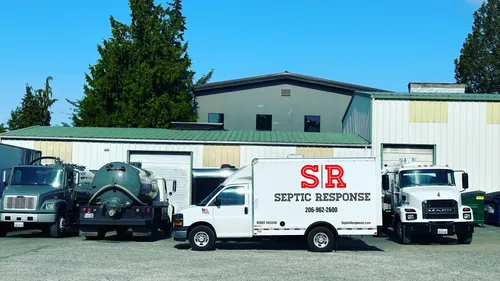
Septic Response
672 7th Ave, Kirkland, WA 98033
Septic Response is a septic tank service provider based in Seattle, WA, offering a wide range of services including septic tank pumping, inspection, repair, installation, and drain field replacement. They serve King County, Snohomish County, and Pierce County with expertise in maintaining both traditional and advanced septic systems. Their capabilities include inlet pipe cleaning using jetting technology and comprehensive septic system maintenance tailored to local soil and environmental conditions. The company emphasizes preventative maintenance and environmental compliance to extend system lifespan. Septic Response operates 24/7 to support urgent septic needs.
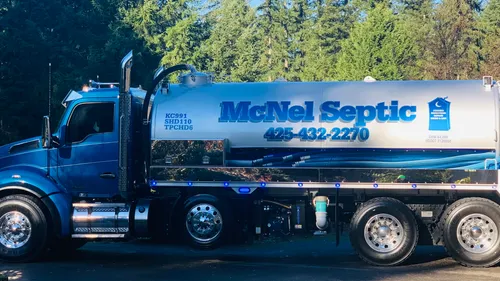
McNel Septic Service
Kent, WA
McNel Septic Service is a locally owned company based in Kent, WA, specializing in septic tank pumping, inspections, repairs, and maintenance for both residential and commercial clients. They serve a broad area including Maple Valley, Black Diamond, Palmer, Ravensdale, and King County. The company offers a range of services such as pumping, system inspections, decommissioning, and pump repairs using small and large capacity trucks with extra-long hoses. Their experienced technicians focus on thorough septic system care and customer support.

Beacon Plumbing, Heating, Electrical & Mechanical Inc - Kent
8611 S 192nd St, Kent, WA 98031
Beacon Plumbing, Heating, Electrical & Mechanical Inc - Kent is a full-service plumbing company based in Kent, Washington. Serving the Puget Sound region including Seattle, they offer a range of plumbing services such as septic pump repair and replacement, sewer line repair, drain cleaning, and video camera inspection. Founded in 1999, the company provides 24/7 emergency plumbing services and same-day dispatch to residential and commercial customers. Their licensed plumbers are centrally located for quick access to major highways, enabling rapid response across the area.
The Septic Group (Formerly Woodinville Septic Service)
2822 Old Hartford Rd, Lake Stevens, WA 98258
The Septic Group (Formerly Woodinville Septic Service) is a septic service company based in Lake Stevens, serving Everett, WA, and the Greater Seattle area. With 60 years of experience, they provide septic tank pumping, inspection, repair, installation, and drain field replacement services. Their licensed experts conduct thorough system inspections, including mainlines and drainfields, and provide detailed pumping reports and county filings. The team also handles septic pump repair and replacement, offering personalized service throughout installation and maintenance.
Benson Hill Septic Tank Service
Seattle, WA
Benson Hill Septic Tank Service provides comprehensive septic system services in Seattle, WA, and surrounding areas. Established in 1959, the company offers pumping, inspections, cleaning, decommissioning, and septic tank locating services. Their team is OSS certified and capable of full pump replacement, baffle, riser, and lid installations. They also provide emergency septic services to address urgent needs promptly.
Understanding Your Shoreline Septic System
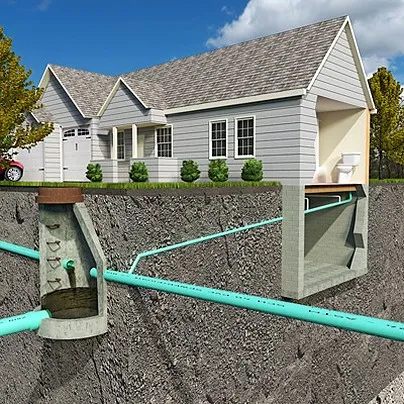
Most homes in Shoreline and the broader Puget Sound area rely on on-site sewage systems (OSS) to treat wastewater. Unlike simple gravity-fed systems common in other regions, many local systems are more complex due to challenging soil and site conditions. Properties often have heavy clay soils, high groundwater tables, or rocky substrates, which can hinder proper drainage. To compensate, engineered systems like pressure-distribution beds, mounds, or sand filters are frequently required. These systems use electrical pumps to evenly distribute effluent to the drainfield, making the pump a critical-and vulnerable-component. Understanding whether you have a gravity or pump/pressure system is the first step in diagnosing problems and estimating repair scope and costs.
Common Signs You Need Pump Repair or System Attention
Ignoring early warning signs can turn a simple repair into a costly full system replacement. Be alert for these indicators:
- Alarm Activation: A beeping alarm from your control panel is a direct signal that the pump is not working correctly, often due to a float switch failure, power issue, or pump burnout.
- Slow Drains and Backups: Gurgling toilets, slow-draining sinks, or sewage backups in the house can point to a failing pump that isn't moving effluent to the drainfield.
- Unpleasant Odors: Foul smells in your yard or near the drainfield area may indicate that effluent is pooling on the surface because the pump isn't distributing it properly.
- Lush, Soggy Lawn: An unusually green and soggy patch over your drainfield, especially when it hasn't rained, suggests effluent is surfacing due to a clogged or failing system component.
- Electrical Issues: Frequent tripping of the circuit breaker connected to the septic pump is a sign of an electrical fault within the pump or control box.
If you notice any of these signs, contacting a certified professional for an inspection is the next critical step.
The Shoreline Repair & Replacement Process: Steps and Permits
Repairing or replacing a septic component in King County is a regulated process designed to ensure public and environmental safety. It's not a simple DIY job; it requires working with certified professionals and obtaining the proper permits 1.
- Professional Diagnosis & Inspection: The process begins with a thorough evaluation by a King County-certified OSS inspector or a licensed Master Installer. They will assess the tank, pump chamber, drainfield, and all components to determine the exact cause of failure and the most viable solution 2.
- Permit Application: For most repairs and all replacements, a permit from King County Public Health is required. Your hired Master Installer will typically handle submitting the repair proposal and permit application, which must detail the planned work.
- Execution of Work: Once the permit is approved, the certified technician will perform the work. This could range from replacing a pump and float switches to installing new baffles or risers for better access, or even excavating for a partial or full drainfield replacement 3.
- Final Inspection: Before any excavated work is backfilled, a King County inspector must conduct a "pre-cover" inspection to verify the repair or installation meets all code requirements 4. Only after passing this inspection can the system be buried and put back into service.
Find the perfect septic pump repair companies for your needs
Get personalized recommendations and expert advice
Cost Factors for Septic Work in Shoreline
Costs for septic system work in Shoreline can vary widely based on several key factors. Understanding these can help you interpret estimates from service providers.
- System Type and Complexity: Repairing a basic gravity system is generally less expensive. Repairing or replacing components in a pressure-dosed system-common in Shoreline due to soil conditions-is more complex and costly, often involving electrical components, control panels, and specialized pumps.
- Extent of Damage: Is it a single component failure or a system-wide issue? Replacing just a pump or alarm is at the lower end of the cost spectrum, while a failing drainfield signifies a much larger and more expensive project.
- Site Accessibility: If the septic tank or pump chamber is buried deep, located under a deck, patio, or landscaping, or is difficult for machinery to reach, labor time and costs will increase significantly.
- Soil and Drainfield Conditions: The root cause of many system failures is the soil itself. If a repair requires addressing drainfield failure due to clogging or soil saturation, costs rise sharply. In cases where the native soil is no longer accepting effluent, a completely new, engineered drainfield system may be the only solution, which is the most expensive scenario 5 6.
Estimated Cost Ranges for Services
Based on regional data for areas like Shoreline, here are general price ranges for common septic services. Always get detailed, written estimates from certified local installers for your specific situation 7 8.
- Septic Pump or Alarm Replacement: $800 - $5,000. This covers replacing the submersible pump, floats, and control panel. Higher-end pumps for complex pressure systems cost more.
- Baffle Replacement or Riser Installation: $300 - $1,200. Baffles prevent scum and solids from exiting the tank. Risers provide easier future access for pumping and inspection.
- Partial Drainfield Repair: $3,000 - $15,000. This involves replacing a section of a failed leaching field. Cost depends heavily on the repair method and size.
- Full System Replacement: $10,000 - $40,000+. This is necessary when the tank and drainfield have failed. Engineered systems (mounds, pressure distribution) required for poor soils are at the top of this range 9 10.
- Emergency Service Call-Out Fee: $300 - $700+. After-hours, weekend, or immediate-response visits typically incur a premium fee.
Financing and Assistance for Septic Repairs
Recognizing the significant financial burden of major septic work, several resources are available to Washington homeowners:
- Craft3 Clean Water Loans: This nonprofit lender offers specific loans for septic system repair and replacement in Washington State. These loans can provide manageable financing for essential environmental health projects.
- King County Public Health: The local health department is the primary resource for regulatory information. They maintain a list of certified On-Site System Maintainers and Master Installers, which is the best place to start your search for qualified professionals 11.
- Washington State Department of Health & Ecology: These state agencies offer educational resources on septic system maintenance, which can help prevent costly failures, and provide oversight on regulations and best practices 12.
Maintaining Your System to Avoid Major Repairs
Proactive maintenance is the most cost-effective strategy. Regular pumping (every 3-5 years), conserving water, avoiding flushing harmful chemicals or non-biodegradables, and protecting your drainfield from heavy vehicles and deep-rooted plants can extend your system's life for decades and help you avoid unexpected repair emergencies 13.
Frequently asked questions
Sources
Footnotes
-
REPAIR PERMIT FOR A SEPTIC SYSTEM PROCEDURE ... - https://www.washingtoncountyor.gov/hhs/documents/repair-permit-pack/download?inline ↩
-
Septic Repair | Central Washington Septic - https://www.centralwashingtonseptic.com/septic-repair ↩
-
Septic Installation Process Maryland: Step-by-Step Guide for Homeowners (2025) - https://www.coxenterprisesllc.com/septic-installation-process-maryland/ ↩
-
Septic Tank Replacement Explained: Costs, Lifespan, And What To ... - https://www.theseptictankman.com/blog/septic-tank-replacement-explained-costs-lifespan-and-what-to-expect ↩
-
Editorial: Septic Upgrade Process Must Be Improved - https://www.eastendbeacon.com/editorial-septic-upgrade-process-must-be-improved/ ↩
-
Septic System Types - http://www.egsd.com/septic-system-types.html ↩
-
Septic Repair vs. Replacement: A Guide to Costs & Red Flags - https://prosepticri.com/septic-repair-vs-replacement-guide/ ↩
-
How Much Does It Cost to Repair a Septic Tank? - https://www.wepumpitsepticservice.com/how-much-does-it-cost-to-repair-septic-tank ↩
-
Proline | Septic field installation Washougal, WA - https://prolineplumbingandsewer.com/service/septic/septic-field-installation/washougal/wa ↩
-
Pricing Guide: How Much Does a Septic Tank Cost? - https://www.lawnstarter.com/blog/cost/septic-tank-price/ ↩
-
On-site sewage/septic repair or replacement - King County, Washington - https://kingcounty.gov/en/dept/dph/health-safety/environmental-health/on-site-sewage-systems/applications-permits/repair-replacement ↩
-
Septic Systems | Washington State Department of Health - https://doh.wa.gov/community-and-environment/wastewater-management/septic-system ↩
-
Keeping your septic system on point - Washington State Department of Ecology - https://ecology.wa.gov/blog/september-2024/keeping-your-septic-systems-top-notch ↩