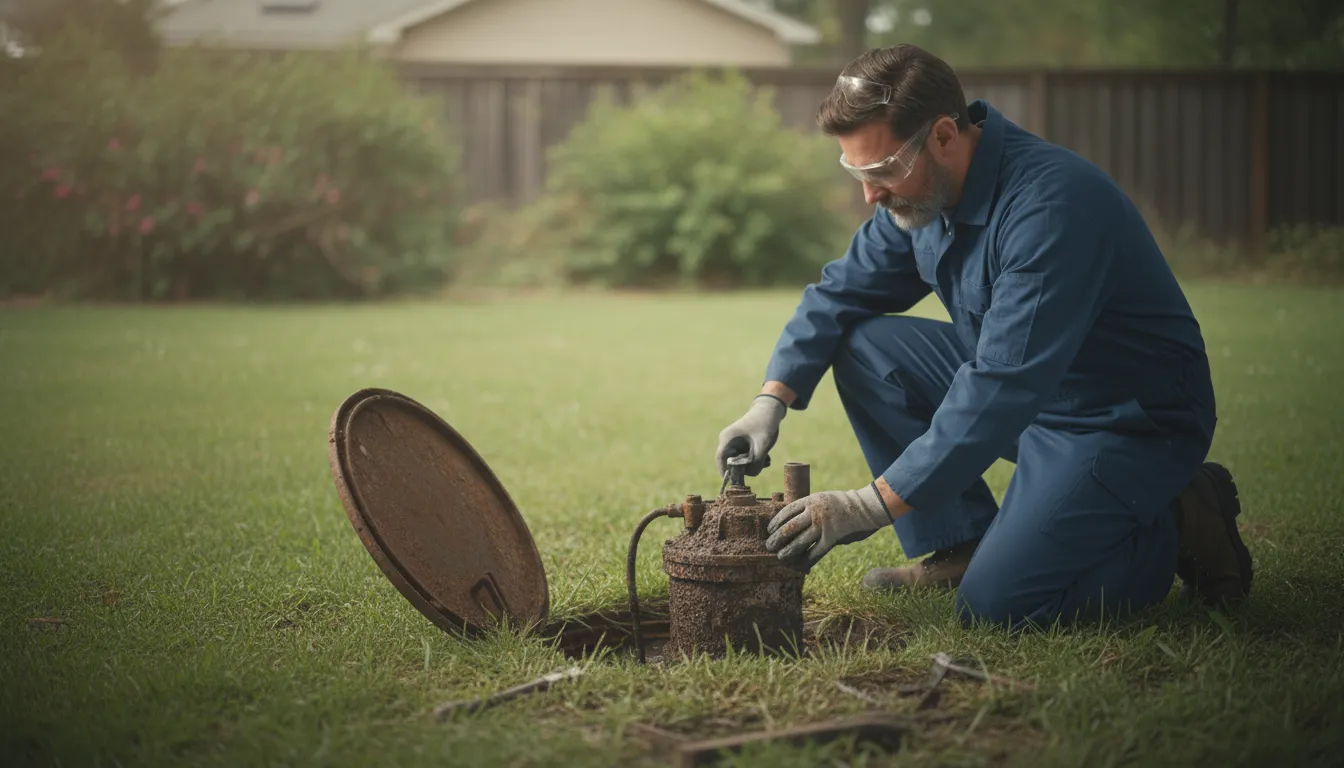
Find the Best Septic Pump Repair Companies for Your Business
No obligation • Fast responses • Nationwide coverage

Why you can trust Septic Spot
Septic Spot is a leading United States resource for understanding and comparing septic services. Our editors review providers using consistent criteria and verify key business details. Listings and scores are independent, and companies cannot pay to influence our content.
Search providers near you
Top Septic Pump Repair Companies in Spokane Valley, Washington Ranked
A failing septic pump can bring your household to a standstill, preventing wastewater from properly reaching your drain field. Septic pump repair and replacement are critical services for maintaining a functional and healthy on-site wastewater system. This guide explains what these services entail, why they are essential for Spokane Valley properties, and how you can find qualified local professionals to assess and resolve your system's issues.

Northern Pump & Electric
1176 W Watercress Ave, Hauser, ID 83854
Northern Pump & Electric provides septic tank pumping and pump repair services in Spokane, WA. The company has over 17 years of experience servicing residential and commercial pumping systems, including water wells, irrigation pumps, and septic pumping systems. Owner Brad Potter emphasizes personal customer relationships and craftsmanship to maintain quality work and products.

Eco Septic Tank Pumping Spokane
Spokane, WA
Eco Septic Tank Pumping Spokane provides a range of septic services in Spokane, WA, including septic tank pumping, inspection, repair, and installation. They handle routine cleaning to prevent system backups and offer emergency septic sewer cleaning to address urgent problems. Their process includes thorough tank inspection and proper waste disposal at licensed facilities. The company also supports septic system maintenance with biological treatments and comprehensive inspections to identify potential issues early. They serve Spokane and surrounding areas such as Spokane Valley, Airway Heights, Mead, Cheney, Liberty Lake, and Deer Park.
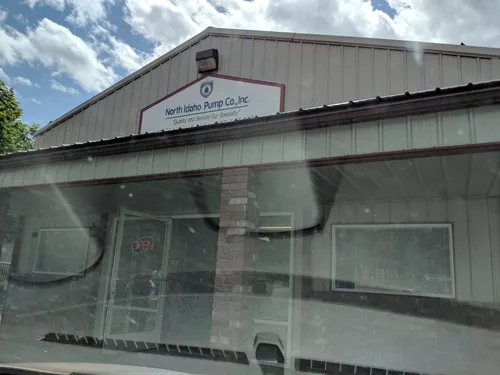
North Idaho Pump Co., Inc
6120 E Seltice Way, Post Falls, ID 83854
North Idaho Pump Co., Inc provides septic pump repair, replacement, and installation services in Spokane, WA. They specialize in Effluent, Solids Handling, and Grinder septic pumps for residential and commercial applications. Founded in 1992, the company has focused on building quality water and septic pump systems. While they service and install septic pumps, they do not offer septic tank pumping services.

H & R Complete Inc
6411 N Lynden Rd, Otis Orchards, WA 99027
H & R Complete Inc is a septic service company based in Spokane, WA, offering residential and commercial septic system solutions. Their services include septic tank installation, pumping, cleaning, sewer repairs, drain field installation and repair, grease trap services, and excavation projects. The company operates with specialized equipment, including a custom-built pumping truck designed for efficient septic and grease trap pumping. They also provide sewer system engineering, design, and effluent pump service and sales, serving Spokane and the Inland Northwest.
Understanding Your Septic System's Pump
Not all septic systems have a pump. Traditional gravity-fed systems rely on slope to move effluent from the tank to the drain field. However, many homes in Spokane Valley require a more complex setup. If your drain field is located uphill from your septic tank or your soil conditions require a specialized design, your system will include a sewage ejector pump or a pump chamber. This component is the workhorse that actively moves treated effluent to the drain field. When it fails, the entire drainage process halts, which can lead to backups and environmental hazards.
Signs Your Pump Needs Attention
Catching a problem early can mean the difference between a simple repair and a costly replacement. Be alert to these warning signs:
- Slow Drains and Backups: Gurgling toilets or slow-draining sinks and showers, especially in lower-level bathrooms, can indicate the pump isn't moving water out of the tank.
- Alarm Sounds: Many systems have a high-water alarm that activates when the pump fails and the tank level rises.
- Soggy Ground or Odors: Unusually lush, soggy grass or sewage odors near the tank or drain field area can signal that effluent isn't being distributed and is surfacing1.
- Complete System Inactivity: If you hear the pump running constantly or not at all, it's a clear sign of malfunction.
Regular maintenance, including annual inspections of the pump and its electrical components, is the best way to extend its life, which typically averages 10 or more years with proper care.
Common Repairs for Septic Pumps and Components
A professional diagnosis is crucial, as the issue may not be the pump itself. Here are common repairs needed for pressurized septic systems in our area:
- Pump Motor Replacement or Repair: The most direct fix when the pump motor burns out. Technicians will assess whether a repair is possible or if a full pump replacement is needed.
- Control Panel Issues: The electrical control panel that operates the pump can fail due to moisture, power surges, or age. Repairing or replacing the panel is often less invasive than excavating the tank2.
- Clogged or Broken Discharge Lines: The pipe carrying effluent from the pump to the drain field can become clogged with solids or tree roots, or it can crack. This requires locating and clearing or replacing the line.
- Baffle or Riser Repair: While not part of the pump, the tank's inlet/outlet baffles and access risers are critical to system function. Broken baffles can allow solids to clog the pump or drain field, and damaged risers make maintenance difficult.
When Pump Replacement Becomes Necessary
Sometimes, repair is not cost-effective or possible. Full pump replacement is generally recommended when:
- The pump is old and has undergone multiple repairs.
- The motor has failed completely and is not serviceable.
- The existing pump is undersized for your household's current water usage.
- Corrosion has extensively damaged the pump housing or seals.
In Spokane Valley, replacing a sewage pump typically involves excavation to access the pump chamber, removal of the old unit, installation of a new, correctly sized pump, and reconnection of all electrical and plumbing components.
Factors Influencing Repair and Replacement Costs in Spokane Valley
The cost for septic pump service here isn't a flat rate; it depends heavily on your specific property conditions and system design.
- System Type: Repairing a standard gravity system is usually less expensive. Pressure distribution systems or mound systems, which are common in areas with high water tables or poor soil, are more complex. They contain additional pumps, switches, and distribution networks, making repairs more involved and costly3.
- Local Soil and Geology: The rocky or sandy soil found in parts of Eastern Washington can complicate excavation, requiring specialized equipment and more labor time, which increases costs4.
- Accessibility: If your septic tank and pump chamber are buried deep, located under a driveway, or surrounded by mature landscaping, the contractor will need more time and care to access them, impacting the price5.
- Scope of Work: Is it a simple control box swap, or does it require a full pump replacement and new discharge line? The specific parts and labor hours needed are the primary cost drivers.
- Permitting: Spokane County typically requires permits for significant septic system repairs or replacements. Your contractor should handle this, but permit fees are part of the overall project cost6.
Find the perfect septic pump repair companies for your needs
Get personalized recommendations and expert advice
The Professional Repair and Replacement Process
Knowing what to expect can make the process smoother. Here's how a reputable contractor typically handles a septic pump job:
- Inspection & Diagnosis: The technician will inspect the tank, check the pump and float switches, and may use a camera to scout the discharge line to identify the root cause7.
- Detailed Estimate & Permitting: You'll receive a written estimate detailing the necessary work, parts, and labor. For major work, the contractor will pull the required local permits8.
- Excavation & Access: They will carefully excavate to reach the pump chamber and any other components needing service.
- Repair/Replacement Work: The faulty pump, wiring, or piping is repaired or replaced with new, compatible components.
- System Testing & Inspection: Once reassembled, the system is tested to ensure it operates correctly. The repair may require a county inspection before being covered.
- Backfill & Site Restoration: The area is backfilled, compacted, and graded to restore your yard as closely as possible to its original condition.
Cost Estimates for Septic Pump Services
Costs can vary widely based on the factors above. The following are estimates based on regional data to help you budget9 10 11:
- Septic Tank Pumping (Routine Maintenance): $190 - $890 (Average ≈ $380)
- Minor Pump-Related Repairs (e.g., control panel, float switch): $300 - $1,500
- Sewage Pump Replacement: $1,500 - $3,000
- Major System Repair (e.g., pump replacement with new discharge line): $800 - $5,000
- Full Septic System Replacement: $10,000 - $40,000+
Disclaimer: These figures are estimates. Always obtain detailed, written quotes from licensed contractors for your specific situation.
Maintaining Your System After a Repair
Protect your investment with proper care. After a repair or replacement, adhere to a strict maintenance schedule:
- Annual Inspections: Have a professional inspect the pump, electrical components, and overall system health each year12.
- Regular Pumping: Pump the septic tank every 3-5 years to prevent solids from migrating and damaging the new pump or drain field13.
- Mind Your Drains: Avoid flushing non-biodegradables and limit the use of garbage disposals. Spread out laundry loads and fix dripping faucets to prevent hydraulic overload.
Frequently asked questions
Sources
Footnotes
-
Effective Solutions for Drain Field Issues and Septic System Restoration - https://www.cmattes.com/effective-solutions-for-drain-field-issues-and-septic-system-restoration ↩
-
How Much Does a Septic System Cost: Replacement and New - https://www.jkawelldrilling.com/how-much-does-a-septic-system-cost-replacement-and-new/ ↩
-
Understanding the Costs of Septic Tank Installation and Repair - https://mathisandsonsseptic.com/mathis-sons-septic-blog-orlando-fl/understanding-the-costs-of-septic-tank-installation-and-repair/ ↩
-
Home Fails Septic Inspection in Washington: A Recovery Guide - https://davissepticdesign.com/home-fails-septic-inspection-in-washington-a-recovery-guide/ ↩
-
Septic Tank Repair Cost in 2026 - Modernize - https://modernize.com/plumbing/septic-tank-repair-cost ↩
-
Residential Septic Tank Pricing | Homeowner's Guide to Costs - https://www.ntotank.com/blog/residential-septic-tank-pricing ↩
-
Septic Repair vs. Replacement: A Guide to Costs & Red Flags - https://prosepticri.com/septic-repair-vs-replacement-guide/ ↩
-
Septic Tank Installation, Replacement, and Maintenance in Spokane, Washington - https://www.spokaneplumber.com/septic-tanks.php ↩
-
How Much Does It Cost to Pump a Septic Tank in Washington? - https://www.sterlingsepticandplumbing.com/blog/how-much-does-septic-tank-pumping-cost/ ↩
-
Cost Breakdown: How Much to Repair a Septic Tank? - https://www.wepumpitsepticservice.com/how-much-does-it-cost-to-repair-septic-tank ↩
-
Septic Pumping in Spokane, WA - Costs 03 / 2026 - Homeyou - https://www.homeyou.com/wa/septic-pumping-spokane-costs ↩
-
Septic System Maintenance Guide for Spokane Valley Homeowners - https://www.mrrooter.com/spokane/about-us/blog/2025/may/a-homeowners-guide-to-septic-system-maintenance-in-spokane-valley/ ↩
-
Caring for Your Septic System | Washington State Department of ... - https://doh.wa.gov/community-and-environment/wastewater-management/septic-system/caring-your-system ↩